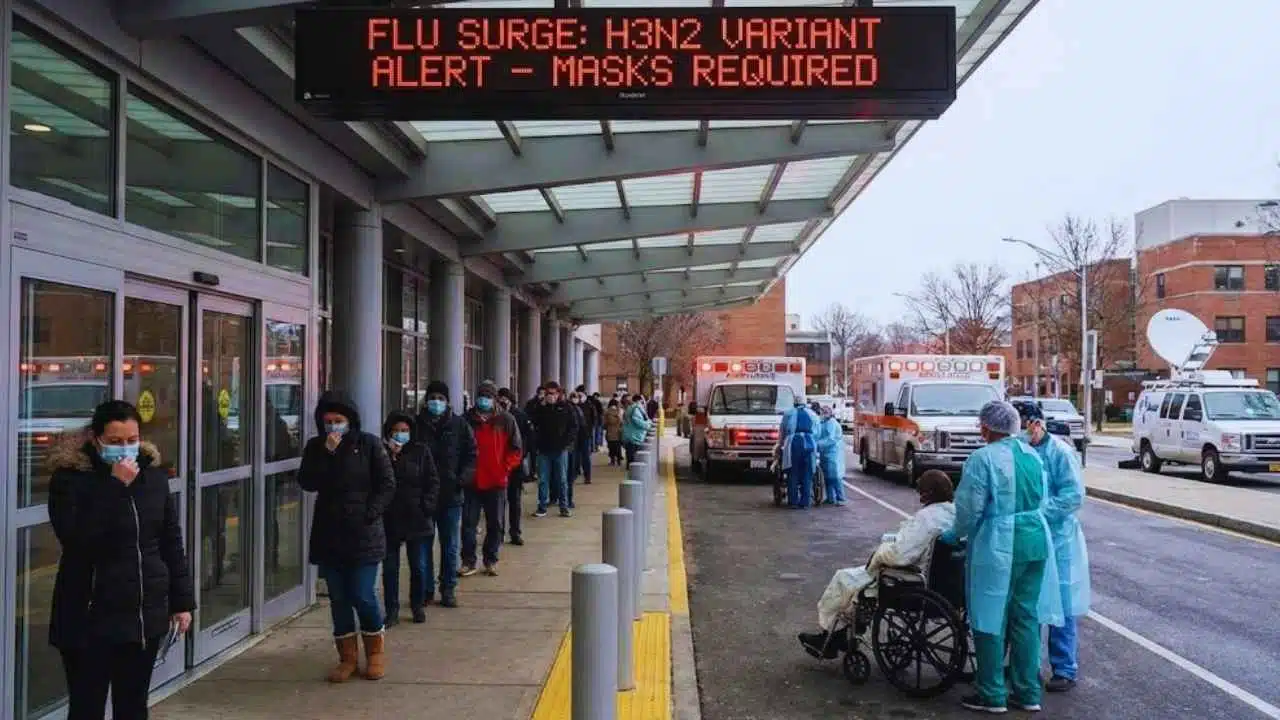
Flu hospitalizations are climbing fast in the U.S. and England in mid-December 2025, with influenza A(H3N2) “subclade K” now dominant and hospital wards reporting unusually early winter pressure.
What’s happening and why it’s different this year
Health systems are reporting an earlier-than-usual flu wave, fueled largely by influenza A(H3N2). In the U.S., CDC estimates at least 4.6 million illnesses, 49,000 hospitalizations, and 1,900 deaths so far this season.
A key driver is H3N2 subclade K, a genetically drifted branch of H3N2. When a drifted strain spreads widely, people’s existing immunity—from prior infection or vaccination—may not match as closely, which can increase infections and hospital strain, even when vaccines still reduce severe outcomes. In CDC’s genetic characterization to date, about 89.8% of analyzed H3N2 viruses belonged to subclade K.
U.S. hospitalizations rising as flu activity accelerates
CDC surveillance shows flu hospitalization pressure building nationally. Between Oct. 1 and Dec. 13, 2025, FluSurv-NET sites reported 3,833 laboratory-confirmed influenza-associated hospitalizations. The weekly hospitalization rate rose to 3.5 per 100,000 in Week 50, up from 2.7 per 100,000 the prior week.
While U.S. flu seasons can peak anytime from late fall through winter, the current pattern is notable for how quickly hospitalization indicators have climbed heading into late December—when travel and gatherings can further amplify spread.
Key flu indicators reported by public health agencies (mid-December 2025)
| Location | What’s being measured | Latest reported level | Timing / note |
| United States (CDC) | Estimated seasonal burden | 4.6M illnesses; 49k hospitalizations; 1.9k deaths | CDC Week 50 update |
| United States (FluSurv-NET) | Lab-confirmed flu hospitalizations | 3,833 hospitalizations (Oct 1–Dec 13) | CDC Week 50 |
| United States (FluSurv-NET) | Weekly hospitalization rate | 3.5 per 100k (Week 50) | Up from 2.7 per 100k |
| England (NHS England) | Average daily flu patients in hospital | 3,140 per day | Highest recorded for this time of year |
| England (NHS England) | Week-over-week change | +18% | Reported week ending mid-Dec |
England: “High alert” as flu adds to winter pressure
In England, NHS leaders have described hospitals as being on “high alert” due to winter viruses and system pressure. NHS England reported an average of 3,140 flu patients in hospital per day by the end of the prior week—up 18% and described as the highest ever for this time of year.
This kind of early-season bed occupancy matters because influenza surges can collide with winter admissions from other respiratory illnesses and chronic disease exacerbations, tightening capacity across emergency departments, inpatient wards, and intensive care.
Why H3N2 seasons can hit harder
Historically, seasons dominated by influenza A(H3N2) have often been associated with higher hospitalization burdens, especially among older adults and people with underlying conditions. A major concern this year is antigenic drift—small changes on the virus surface that can reduce how well prior antibodies recognize it.
Public health alerts in New York City noted that the H3N2 reference strain used for this season’s vaccine later acquired mutations, contributing to a new H3N2 subclade (“subclade K”) now circulating.
Vaccines still matter—even when the strain has drifted
Even with drift, health agencies stress that vaccination remains one of the best tools to reduce severe outcomes and protect healthcare capacity.
In England, UKHSA reported early findings suggesting the 2025/26 flu vaccine is about 70–75% effective in children at preventing hospital attendance, with 30–40% effectiveness in adults in early estimates—while acknowledging a drifted H3N2 strain is dominant.
In the U.S., CDC continues to recommend annual flu vaccination for everyone 6 months and older who has not yet been vaccinated.
What a “mismatch” does—and doesn’t—mean
A mismatch does not mean the vaccine is useless. Flu vaccines can still:
- Reduce the risk of severe disease even if infection occurs
- Lower hospitalization risk, especially for high-risk groups
- Reduce transmission in communities with higher uptake
Protection can also vary by age and by how closely circulating strains match the vaccine components.
Antivirals: time-sensitive but effective for high-risk patients
Antiviral medications (such as oseltamivir) remain an important treatment option, particularly for people at higher risk of complications and for those with more severe illness. Pediatric guidance from the American Academy of Pediatrics continues to support vaccination and antiviral use as key strategies during the 2025–2026 season.
Clinicians generally emphasize starting antivirals as early as possible after symptom onset, especially for high-risk patients, because benefits are greatest early in the course of illness.
Who is most at risk this season
Flu can be serious for anyone, but severe outcomes are more common in certain groups—particularly in H3N2-heavy seasons.
Table: Higher-risk groups and practical steps
| Group at higher risk | Why risk is higher | Practical steps |
| Adults 65+ | Higher complication and hospitalization risk with H3N2 | Vaccination; early testing/treatment; avoid crowded indoor settings during spikes |
| Children (especially <5) | Smaller airways; faster dehydration; risk of rapid worsening | Vaccination; watch for breathing trouble; seek prompt care if worsening |
| Pregnant people | Higher risk of severe respiratory illness | Vaccination; early treatment if symptomatic |
| People with chronic conditions (asthma, heart disease, diabetes) | Flu can trigger exacerbations | Vaccination; action plan with clinician; early antivirals when eligible |
| Immunocompromised | Reduced immune defense and prolonged illness | Vaccination (as appropriate); masks in crowded indoor settings; early medical guidance |
What public health officials want people to do now
Across both the U.S. and UK, the message is similar: vaccinate, take symptoms seriously, and protect the most vulnerable.
Practical guidance for the next few weeks
- Get vaccinated if you haven’t yet. CDC and UKHSA continue to recommend vaccination during the season.
- Stay home when sick, especially with fever and significant respiratory symptoms.
- Consider masking in crowded indoor spaces during high activity, particularly if you live with or care for high-risk people.
- Seek care promptly for severe symptoms (difficulty breathing, persistent chest pain, dehydration, confusion, bluish lips/face in children).
- Ask early about antivirals if you’re high-risk or symptoms worsen—treatment decisions are time-sensitive.
What Comes next
Flu is surging earlier than many hospitals plan for, and H3N2 subclade K is a major contributor in the U.S. and England. The weeks around late December and early January often amplify spread due to travel and indoor gatherings, which could push hospitalization metrics higher.
Public health agencies are clear on the near-term priorities: boost vaccination coverage, use early treatment for those at risk, and reduce transmission through everyday precautions—steps that can help protect vulnerable patients and preserve hospital capacity during peak winter demand.