
Most human beings want to feel part of and supported, and faith communities very often offer them that sense of belonging. They gather people together, foster common values, and establish safe spaces for friendships to flourish.
For anyone who has wondered how these groups manage to form lasting connections, here are six ways faith communities help people create supportive relationships.
When it comes to things that bring people together in faith communities, one of the most powerful ways is through the concept of value. Such a shared ethos makes it easier for members to connect and trust one another.
Conversations go a lot more smoothly when you can rest assured that the people around you care about the same things. Over time, this process transforms mere friendships into relationships that feel deeper and more enduring.
2. Worship Creates Collective Energy
Coming together for regular worship services is more than a habit. This is one of the shared experiences that fosters the emotional ties that bind us together. Singing, praying, and reflecting next to each other also create the moments when relationships are deepened.
At churches like the Planetshakers Melbourne church, differences in people are bridged through the music and worship. It feels more natural and genuine when members support each other because they are part of something bigger.
3. Helping Others Strengthens Ties
Faith communities frequently emphasise service, to help at a food drive, to pitch in at community events. Those common activities not only serve the community well but also bind the members together.
When you work side by side for a purpose, it develops trust and teamwork. It’s not just about giving back to others but also about building stronger relationships with the individuals you serve.
4. Small Groups Offer Personal Support
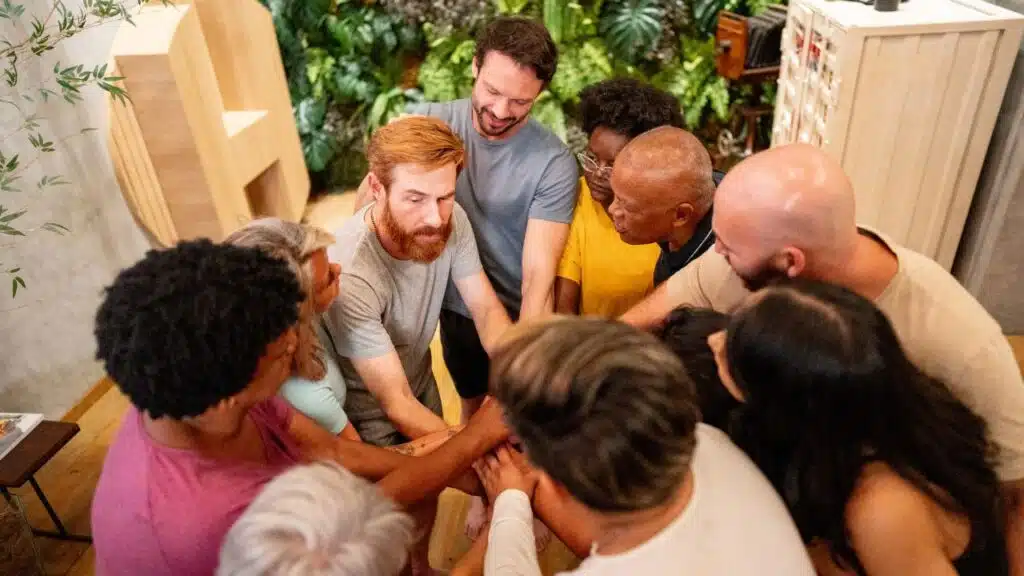
Smaller groups are formed in certain communities for the purpose of praying, studying, or simply having casual conversations. Through these groups, individuals are able to come together to discuss their struggles and triumphs without fear of being judged.
In addition, because these groups are smaller, they have a more personal atmosphere. It is common for members to form friendships that last a lifetime and eventually become like a family. They cultivate a kind of support that appears to be personal and long-lasting by coming together for one another through the mundane and the momentous.
5. Celebrations Build Happy Memories
Faith groups are also responsible for helping to organise community gatherings such as weddings, cultural events, and special holiday services. These happy moments, when shared, create memories that will last a lifetime.
If you are a member of the tribe, it is beneficial to share significant life events with one another. It is even meant to be a time of fellowship to help strengthen relationships and to reinforce the idea that connections do not occur just on a week-by-week basis.
6. Leaders Set the Example
Religious leaders also have a major say in how relationships develop within a community. Given these challenges, they promote care and support among members through teaching, mentoring and counseling.
When leaders are empathetic and model kindness, they establish the group’s tone. Their leadership makes communities more connected and caring.
Faith Communities: Where Connection Turns Into Belonging
At their best, faith communities are more than places of worship; they are places where people can genuinely connect. The relationships you build are real: values, experiences and shared cultures become a way of life. It is this spirit of support that keeps these communities going strong and so special in your daily life.