
If you’re thinking about investing in corporate bonds, you’ve probably heard the term “credit rating.” It’s an important metric to check before you invest your hard-earned money in Bonds. But what does it really mean? Let’s break it down using everyday examples—so you don’t get lost in financial jargon.
Think of credit ratings like movie or product ratings. We all check reviews before booking a hotel or buying a smartphone, right? In the same way, credit ratings are like a confidence score for companies that want to borrow your money. Just like a good CIBIL score gets you better interest rates for loans, a better credit rating means the company is financially trustworthy and is in a good position to return your money.
What Are Credit Ratings, Really?
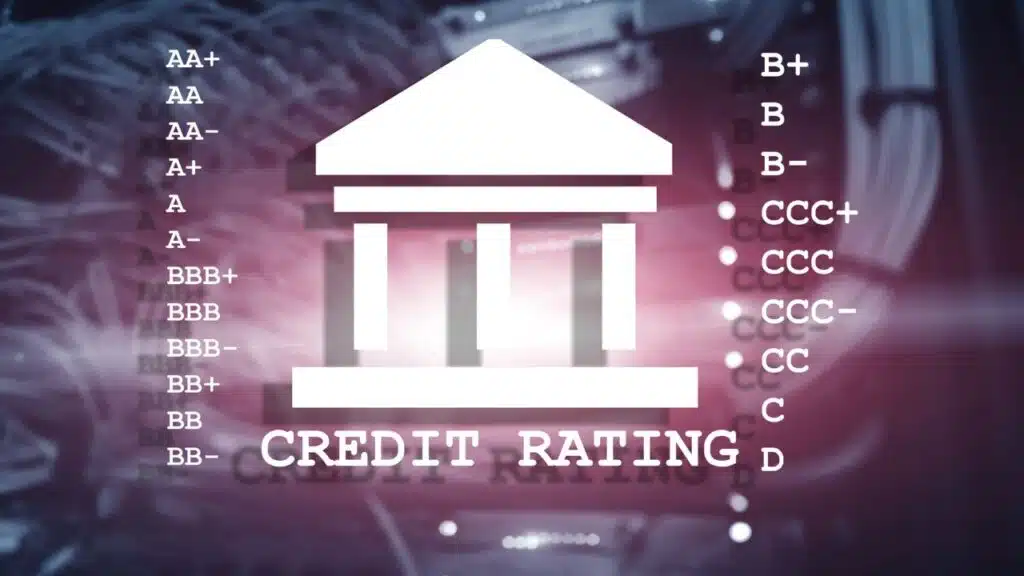
Credit ratings are simple grades given by special agencies like CRISIL, ICRA, or CARE. Their job is to dig into a company’s books, check their history, and then rate them—just like a teacher grading an exam. The top score is “AAA”, which tells you the company is very strong. As you move down to “AA”, “A”, or “BBB”, the company’s financial strength is still decent, but maybe not perfect. “BBB-” and above are called “investment grade”—generally safe enough for most people. Anything below that is a bit riskier and is called “high yield” or “junk”.
You can compare a credit rating to your CIBIL score. Just as the bank looks at your credit score before giving you a loan, investors look at a company’s credit rating before lending them money.
Why Is Credit Rating So Important for Bonds?
Imagine searching for restaurants online. You’ll likely trust one with a 4.5-star rating more than a newcomer with zero reviews. In bonds, a high rating means experts have checked the company’s finances and believe it’s in good shape to pay interest and repay your money at maturity.
Here’s how credit ratings can help you:
- Simple Comparison: Rather than getting into heavy analysis, a glance at the rating can weed out weak choices.
- Peace of Mind: Higher ratings mean more trust, less worry.
- Forecasting Trouble: If a company has a poor or falling rating, it’s a signal to dig deeper or stay away.
How Do Agencies Decide the Ratings?
It’s not a roll of the dice. Here’s what these agencies look at:
- Balance Sheet & Company Financials: Is the company making steady profits? Does it have manageable debt?
- Track Record: Has it paid back on time before?
- Industry: Is the business in a stable or unpredictable sector?
- Management Quality: Are the leaders experienced and transparent?
- Business Mix: Companies with multiple streams of income may get a better score.
Just like a blockbuster film can get knocked down after bad sequels, a company’s rating can change if their situation worsens—or go up if they improve.
Different Grades, Different Comfort Levels
The best choice depends on your financial goals. If you’re interested in stability, go with investment-grade. If you’re comfortable with more risk for higher potential gain, you might look below.
Using Credit Ratings in Real-Life Investment Decisions
Here’s a simple, step-by-step approach:
- Always Check the Rating First: Don’t pick a bond without seeing its rating, just as you wouldn’t visit a bad-rated doctor without thinking twice.
- Review Company’s Financials: Read a bit about the company—its recent news, management team, and which industry it’s in. Ratings provide a shortcut, but extra research gives extra safety.
- Diversify Your Bonds: Don’t put all your eggs in one basket. Spread your money across bonds with different ratings and from various sectors. This is like owning stocks in several industries rather than just one.
- Stay Updated: Ratings can change. Make it a habit to check on your bonds every six months. If a company’s rating drops, reassess if you still want to hold it.
Common Questions About Credit Ratings and Bonds
Can a highly rated company get into trouble?
Even top-rated firms can face rough weather if the industry slows down or there’s an unexpected event. That’s why keeping an eye on reviews matters.
Do safer bonds mean lower interest?
Usually, yes. Just like popular brands may cost more, high-rated bonds pay a bit less interest. You’re paying for peace of mind and reliability.
Are ratings permanent?
No. Agencies regularly check and update ratings. If a company suddenly takes on a lot more debt or profits fall, the rating can go down.
How CIBIL Scores and Credit Ratings Compare
Most people know their CIBIL score whenever they want a loan. Higher scores, better interest. It’s the same logic for corporate bonds—higher ratings, better borrowing terms for companies, and more comfort for investors like you. Companies with a AAA rating can borrow at lower interest, while lower-rated firms will have to pay more to attract investors.
Credit ratings work in your everyday life, too. Just like you wouldn’t book a hotel with no reviews, bypassing the rating step for bonds can cost you dearly.
Wrapping Up – Trust Ratings, But Stay Involved
Credit ratings help ordinary investors make smarter choices with less stress. You don’t need to know everything about company finances—these agencies have done the heavy lifting for you.
But remember: treat ratings like you’d treat reviews for hotels or products. Start there, but do your own bit of homework. Check the company behind the bond, mix up your investments, and keep an eye on any rating changes.
With a bit of attention and common sense, using credit ratings in your bond investments can add an important safety layer to your savings—and maybe help you sleep a little better at night, too.
FAQs
Who oversees rating agencies in India?
SEBI regulates CRISIL, ICRA, CARE and others, ensuring their processes meet certain standards.
Can AAA ever go wrong?
Yes, even AAA rated bonds can face issues. Ratings reflect current health, not permanent guarantees. External shocks can still hurt.
Should I avoid all high-yield bonds?
Not necessarily. For some investors with higher risk appetite, a small allocation makes sense. The trick is balance.
How often should I check ratings?
Once/Twice a year is a good rule of thumb. More often if the bond is from a private issuer.