
Vaccinating your pet is one of the most important responsibilities as a pet owner. Vaccinations not only protect individual pets but also play a significant role in controlling the spread of contagious diseases among animals and humans.
With so many vaccines available, it can be overwhelming to know which ones are essential.
Here’s a guide to the top 10 vaccinations every pet, whether dog or cat, should receive to stay healthy and safe.
Why Are Vaccinations So Important for Pets?
Vaccinations work by stimulating your pet’s immune system to recognize and combat pathogens, such as viruses or bacteria. When a vaccinated pet is exposed to these pathogens, their immune system can recognize and fight off the infection more effectively.
Some vaccinations are considered “core” and are essential for all pets, while others are “non-core” and depend on factors like lifestyle, geographic location, and exposure risk.
Let’s take a deep dive into these vital vaccinations and why each is crucial for your pet’s well-being.
1. Rabies Vaccine
The rabies vaccine is one of the most crucial vaccines, not only because rabies is deadly for animals and humans but also because rabies is nearly 100% preventable with vaccination.
Rabies is a viral infection affecting the central nervous system and is typically spread through saliva, commonly from bites of infected animals such as raccoons, bats, skunks, and other wildlife.
Why It’s Important:
Rabies is zoonotic, meaning it can be transmitted from animals to humans. Due to its high fatality rate, rabies vaccination is often legally required in many regions.
Without vaccination, rabies can lead to severe neurological symptoms, paralysis, and death. In addition to protecting individual pets, rabies vaccination helps curb outbreaks, protecting communities at large.
When It’s Given:
- First Dose: Puppies and kittens typically receive their first rabies shot between 12 and 16 weeks.
- Booster Shots: Most regions mandate boosters every 1 to 3 years, depending on local regulations and the type of vaccine.
Common Side Effects:
Pets may experience mild swelling or soreness at the injection site. Rarely, they may have an allergic reaction, which may require medical attention.
2. Distemper Vaccine
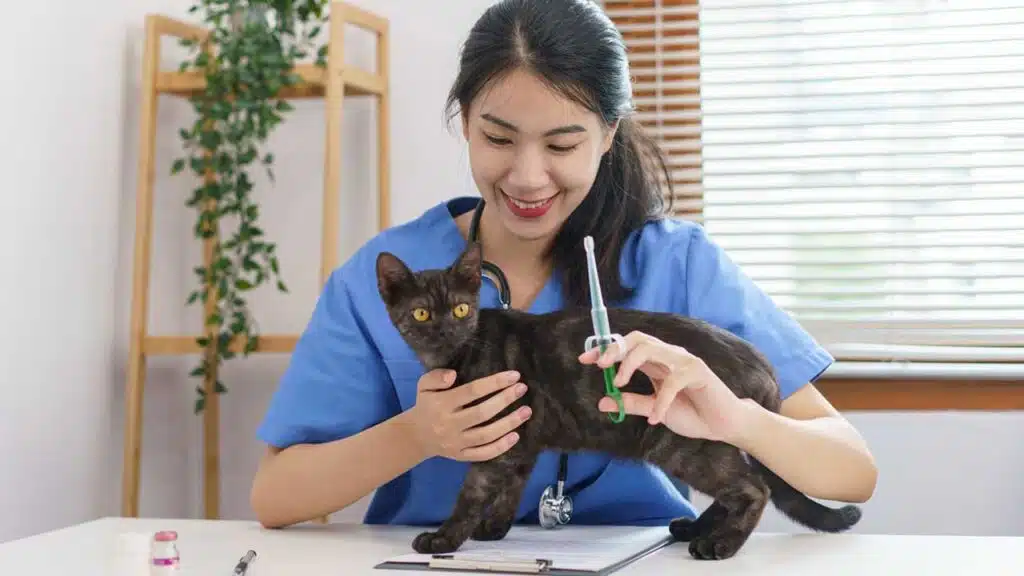
Shielding Against a Life-Threatening Viral Disease
Distemper is a severe and highly contagious viral disease affecting the respiratory, gastrointestinal, and nervous systems of dogs.
The virus is particularly deadly and can be fatal in severe cases. Distemper is most commonly spread through respiratory droplets, but it can also be spread through direct contact with infected bodily fluids.
Why It’s Important:
Distemper can cause fever, discharge from the eyes and nose, coughing, vomiting, and seizures. It’s especially dangerous for puppies or unvaccinated dogs, often leading to lifelong neurological issues or death.
Vaccinating against distemper is essential to ensure that your pet remains healthy and to prevent the spread of this fatal disease.
When It’s Given:
- First Dose: Puppies should receive their first distemper shot at around 6–8 weeks.
- Booster Shots: After the initial series, booster shots are usually recommended every 1–3 years, depending on risk factors and your veterinarian’s advice.
Additional Considerations:
Distemper is one part of the DHPP vaccine, a combined vaccine for multiple serious viruses. Keeping track of your dog’s DHPP schedule is essential for comprehensive protection.
3. Parvovirus Vaccine
Parvovirus, or “parvo,” is another highly contagious and often deadly virus that primarily affects puppies, although unvaccinated adult dogs are also at risk.
The virus attacks the digestive system, causing severe vomiting, bloody diarrhea, and dehydration. Parvovirus is extremely resistant and can survive for months in the environment, making it difficult to eradicate.
Why It’s Important:
Without prompt medical treatment, parvovirus is often fatal, especially in puppies. The virus can spread through direct contact with contaminated feces, environments, or even on the shoes of humans who have stepped in contaminated areas.
Vaccination is the only reliable method to protect dogs from this deadly virus.
When It’s Given:
- First Dose: Puppies usually start their vaccination series at 6–8 weeks old.
- Booster Shots: A booster is typically required every 1–3 years depending on your pet’s exposure risk and lifestyle.
Preventative Measures:
Aside from vaccination, pet owners should take precautions when bringing young or unvaccinated puppies to public places, as parvovirus can linger in soil and surfaces for long periods.
4. Feline Viral Rhinotracheitis, Calicivirus, and Panleukopenia (FVRCP) Vaccine
The FVRCP vaccine, often called the “feline distemper shot,” is essential for all cats, as it provides protection against three serious viruses: feline viral rhinotracheitis (FVR), calicivirus, and panleukopenia.
Each of these viruses can cause severe illness or death in cats, particularly young kittens or immunocompromised felines.
Why It’s Important:
- Feline Viral Rhinotracheitis (FVR): A severe respiratory infection caused by a herpes virus, leading to sneezing, fever, and eye ulcers.
- Calicivirus: Causes respiratory issues and oral ulcers, and can become chronic in some cases.
- Panleukopenia (feline distemper): A deadly virus that attacks the intestines, bone marrow, and white blood cells, leading to severe dehydration, diarrhea, and death.
When It’s Given:
- First Dose: Kittens are vaccinated between 6–8 weeks of age.
- Booster Shots: Annual or triennial boosters are recommended depending on lifestyle and exposure.
Additional Notes:
Since some of these viruses spread quickly in multi-cat households or shelters, this vaccine is considered a core vaccine for all cats.
5. Canine Hepatitis Vaccine
The adenovirus-1, which affects the liver, kidneys, eyes, and blood vessel lining, is what causes infectious canine hepatitis. The disease can vary from mild symptoms to severe cases resulting in death. The virus is spread through bodily fluids like urine and saliva.
Why It’s Important:
Hepatitis in dogs can lead to lasting liver damage, kidney infections, and, in severe cases, death. Vaccinating against canine hepatitis reduces the risk of transmission and severity, protecting both your pet and others.
When It’s Given:
- First Dose: Puppies typically receive their first dose at 6–8 weeks.
- Booster Shots: Given every 1–3 years based on lifestyle and veterinarian recommendation.
Combined Vaccination:
This vaccine is often part of the DHPP combination shot, which protects against multiple diseases with a single injection.
6. Bordetella Vaccine
Bordetella bronchiseptica is a bacterium causing kennel cough, a highly contagious respiratory infection that can be severe in puppies or dogs with compromised immune systems.
This vaccine is particularly important for dogs that spend time in kennels, grooming salons, or social settings.
Why It’s Important:
Kennel cough causes severe coughing fits, lethargy, and, in some cases, pneumonia. Pets that contract Kennel cough can experience respiratory distress, potentially needing extended treatment to recover.
When It’s Given:
- First Dose: Puppies can receive the Bordetella vaccine as early as 6–8 weeks.
- Booster Shots: An annual booster is generally recommended for dogs with frequent social exposure.
Types of Vaccination:
The Bordetella vaccine is available as an injection, nasal spray, or oral solution. Your vet can help determine the best option for your dog.
7. Leptospirosis Vaccine
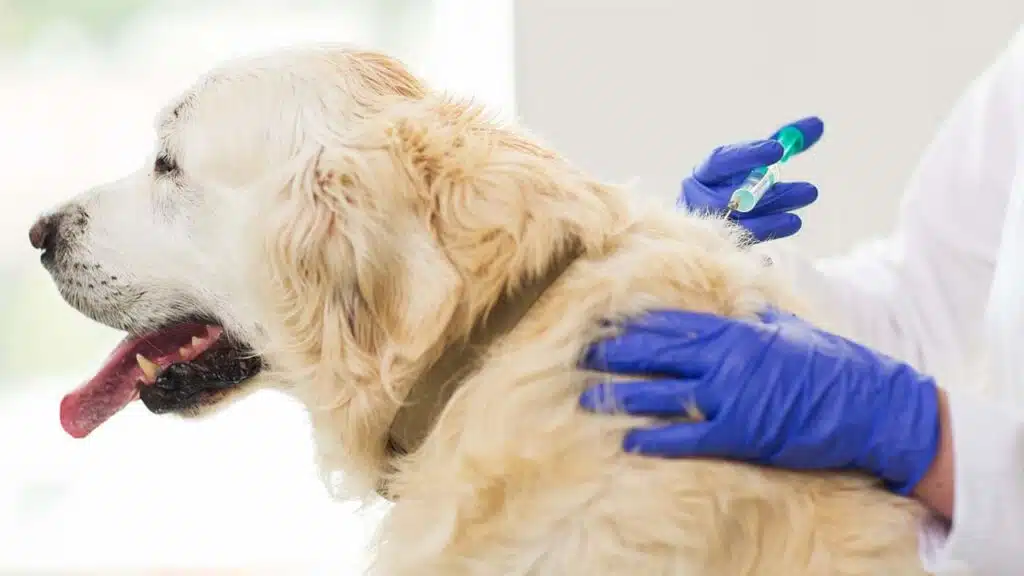
Leptospirosis is a bacterial infection that affects the kidneys and liver in dogs and can be transmitted to humans. The disease is spread by coming into contact with contaminated water, soil, or urine, often from wildlife such as raccoons and rats.
Why It’s Important:
Leptospirosis can lead to severe kidney or liver damage and, in extreme cases, death. It’s especially important for pets that spend time outdoors or in rural areas with stagnant water where wildlife may roam.
When It’s Given:
- First Dose: Puppies receive the vaccine at around 12 weeks.
- Booster Shots: Annual boosters are recommended, especially for outdoor-loving pets.
Additional Caution:
Leptospirosis is considered a zoonotic disease, which means it can spread from pets to humans. Vaccinating against it not only protects your pet but also minimizes the health risks for your family.
8. Lyme Disease Vaccine
The bacterium Borrelia burgdorferi, which spreads through tick bites, is what causes Lyme disease. This bacterial infection affects dogs and, in rare cases, cats. Lyme disease can lead to chronic joint pain, kidney disease, and severe fatigue.
Why It’s Important:
Pets in regions with heavy tick populations are at a heightened risk. Vaccination can greatly reduce the chances of infection, especially for outdoor pets frequently exposed to tick-heavy environments.
When It’s Given:
- First Dose: Usually administered around 12 weeks of age.
- Booster Shots: Annual boosters are recommended for pets in high-risk areas.
Preventative Measures:
In addition to vaccination, regular tick checks and preventive medications can further reduce the risk of Lyme disease.
9. Canine Influenza Vaccine
Different influenza virus strains are responsible for the contagious respiratory infection known as canine influenza, or dog flu. Symptoms can include coughing, sneezing, fever, and lethargy, and it can spread rapidly in environments like kennels and dog parks.
Why It’s Important:
While canine flu can be mild, it can also lead to more severe complications in some dogs. Vaccination minimizes the risk of severe symptoms and limits the spread of the virus in dog communities.
When It’s Given:
- First Dose: Typically administered around 12 weeks.
- Booster Shots: Annual boosters recommended for social pets.
Precautions:
Even with vaccination, practicing good hygiene and avoiding crowded settings during outbreaks can reduce exposure risks.
10. Feline Leukemia Virus (FeLV) Vaccine
Feline Leukemia Virus (FeLV) is a major cause of fatal infections in cats, as it can suppress their immune systems and make them more susceptible to other infections and cancer. The disease is spread through close contact, such as grooming and sharing food bowls.
Why It’s Important:
FeLV can result in secondary infections and is often deadly for affected cats. Cats in multi-cat households or those that go outdoors are particularly vulnerable, making the FeLV vaccine essential.
When It’s Given:
- First Dose: Typically administered to kittens around 8-10 weeks of age.
- Booster Shots: Annual boosters are recommended for at-risk cats.
Risk Reduction:
Keeping cats indoors and minimizing their contact with unknown felines can reduce exposure risks.
Final Thoughts on Pet Vaccinations
Vaccinating your pet is a simple yet powerful way to ensure their health and longevity. Each vaccine is carefully designed to protect against specific diseases, many of which have no cure.
By following a veterinarian-recommended vaccination schedule, you’re taking a proactive step toward a long, healthy life for your pet and protecting the community.