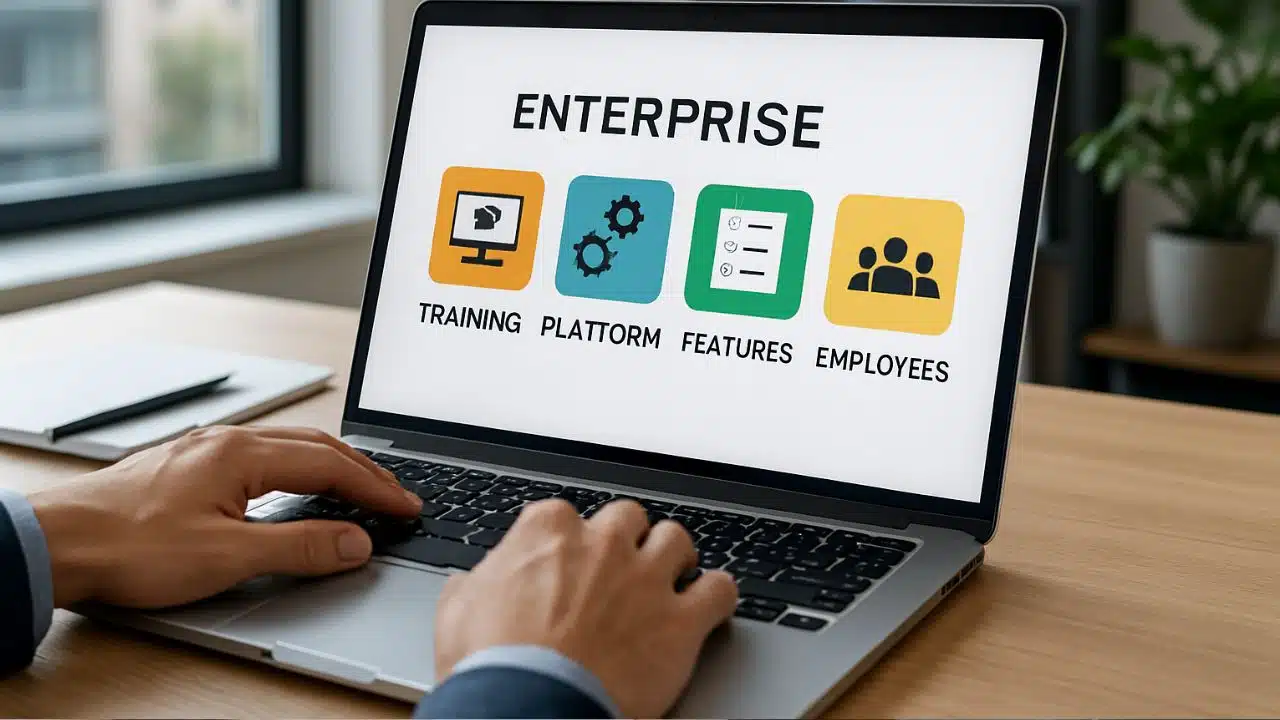
Choosing the right enterprise training platform will determine your impact and success story for years to come. With so many choices, those making the decisions need to consider a few important factors. A good training system fosters skill development, increases productivity, and facilitates the growth of the organization. The careful planning and examination of various options help choose the perfect fit for a business. Follow the steps written below to do it more effectively.
Understanding Training Needs
A positive software evaluation of an enterprise training platform can never happen unless you know your organization’s training needs. These needs vary depending on the industry, team structure, and learning objectives. While some enterprises have a compliance focus, others have a technology focus. When decision-makers draw up objectives, they create expectations for their solution.
Assessing User Experience
Straightforward participation and admin experience are crucial. Interface is the key factor in satisfaction, which leads to constant engagement in learning activities. Easy-to-navigate platforms lead to less frustration and higher engagement. When they are comfortable using the system, employees become more likely to complete the modules.
Content Flexibility and Customization
Organizations should be able to create, update, and organize content easily with an adaptable training solution. Updating resources can help keep materials up-to-date. With custom branding and custom modules, you can align training with the company culture. These are versatile platforms that allow teams to meet evolving needs with low disruption.
Integration with Existing Systems
The best training tool is one that integrates seamlessly with your other business applications, such as with HR or payroll systems. It simplifies the management of data. Integrations with third-party tools help streamline user sign-up, progress monitoring, and reporting. Flawless integrations save significant time for both employees and managers.
Scalability and Performance
The longer you have been at a job, or the more people are working for you, the more training you have to do. Adopting a scalable solution guarantees the support of more users, content types, and learning paths both now and in the future. It ensures reliable performance that keeps high-traffic periods or large-scale rollouts from being bottlenecked by processing. Organizations need a platform that evolves without losing stability.
Mobile Accessibility
In this digital-infused era of work life, the modern employee needs flexible learning. Groups of workers, whether at home or on the road, can access platforms from phones or tablets. Responsive design makes sure content appears correctly on different devices. They also enable learners to work through assignments on their schedules without having to be in a place.
Support and Security
Reliable support services ensure that the problems are addressed quickly. Through technical support that includes user guide tips and training sources, adoption becomes easier. Security is another key aspect, as we need to secure sensitive information and learning progress. Find solutions that focus on data privacy and update regularly to protect user data.
Analytics and Reporting
Managers require information on employee follow-ups and training effectiveness. Powerful analytics create complete tracking for course completion rates, assessment scores, and participation trends. In-depth reports identify the skill gap and prepare the base for upcoming development plans. With data-driven decisions, you can accelerate the process of accountability and continuous improvement.
Cost Considerations
When it comes to finding an enterprise training platform, budget is a crucial factor. Pricing comes in the form of either a one-time payment, subscription, or pay-per-user. It would be more beneficial for decision-makers to prioritize features and value over short-term price tags. Transparent pricing enables organizations to plan for future investment needs rather than face unexpected, stealth costs.
Vendor Reputation and Reliability
For platform reliability, a provider’s track record provides insight. Helpful references from other organizations mean reliable service and continued assistance. There are references readily available on request or testimonials from every company. A reliable vendor will continue to provide updates, enhancements, and customer support.
Final Thoughts
Considering organizational objectives, user needs, and technical requirements guides organizations to successful skill development. An aligned solution improves employee engagement and accelerates growth. If you make the right decisions today, you can keep those decisions growing and adapting over time.