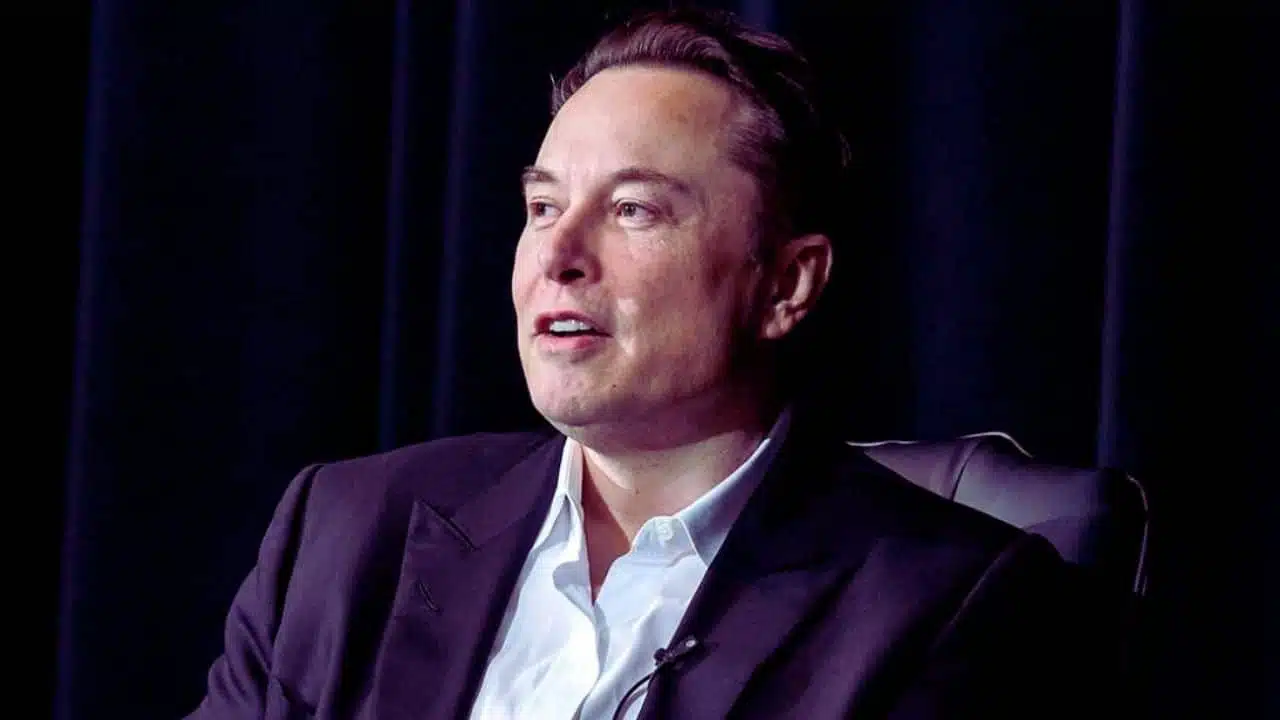
Elon Musk, the CEO of Tesla, has taken a critical stance against the US government’s recent tariffs on Chinese electric vehicles (EVs), describing the levies as “not good” and a market distortion. This marks a significant reversal from Musk’s earlier support for trade barriers. During a video appearance at the Viva Technology conference in Paris, Musk explained, “Neither Tesla nor I asked for these tariffs; in fact, I was surprised when they were announced. Things that inhibit freedom of exchange or distort the market are not good.”
Background on US Tariffs
President Joe Biden’s administration introduced new tariffs this month on a variety of Chinese goods, including EVs, in an effort to bolster US manufacturing. These new measures significantly increased EV duties, quadrupling them to over 100%, and impacted $18 billion (€16.6 billion) in imported Chinese goods. The Biden administration has continued several tariffs initially imposed during Donald Trump’s presidency while also escalating others. The rationale behind these tariffs is to support domestic producers and reduce dependence on Chinese imports, thereby strengthening the US manufacturing sector.
Musk’s Changed Perspective
In January, Musk had argued that trade barriers were necessary to prevent Chinese manufacturers from outcompeting other car companies globally. Tesla has experienced considerable competition from Chinese EV manufacturers, which has pressured Tesla’s pricing strategies and affected its financial performance. However, Tesla recently reclaimed its title as the world’s largest EV manufacturer from Chinese rival BYD, based on first-quarter sales.
At the Viva Technology conference, Musk retracted his earlier comments and emphasized that Tesla is competitive in the Chinese market without the need for tariffs. “Tesla competes quite well in the market in China with no tariffs and no differential support. I’m in favor of no tariffs,” Musk said, highlighting Tesla’s ability to thrive in an open market.
Industry Reactions
Marina Alekseenkova, a director at Hypothesis Research, commented on the broader implications of the US tariffs, noting that while they may support domestic producers, they could also slow the overall growth of the EV market. “The tariffs support local producers, but they could dampen the market’s growth trajectory,” she said.
Automotive industry analyst Matthias Schmidt provided further insight, suggesting that Musk’s recent statements might be part of a strategy to prevent potential retaliatory measures from China against US companies. “Musk is attempting a damage limitation strategy to limit any retaliatory action for US companies in China on the back of the US tariff hike. The same can be said for German companies openly calling for no rise in Chinese tariffs across the EU or some even calling for tariffs to be cut. They are petrified of being shut out of the world’s largest passenger car market, China,” Schmidt explained.
Potential Retaliation from China
A Chinese trade group has indicated that Beijing is considering retaliatory tariffs in response to US measures, although these would likely target petrol-powered cars rather than EVs. This potential response underscores the complex dynamics of international trade and the ongoing competition between the US and China in the automotive sector.
Broader Implications for the EV Market
The debate over tariffs and trade barriers highlights the broader challenges and opportunities facing the global EV market. As countries around the world seek to transition to cleaner energy sources and reduce their carbon footprints, the policies and strategies of major players like Tesla, as well as influential governments, will play a critical role in shaping the industry’s future.
Elon Musk’s recent comments reflect a broader debate about the impact of tariffs on global trade and the automotive industry. As the EV market continues to grow, the strategies of major players like Tesla and the policies of influential governments will be crucial in determining the direction and success of this rapidly evolving sector. The ongoing competition between the US and China, as well as the potential for retaliatory measures, adds further complexity to the landscape. How these issues are navigated will significantly influence the future of electric vehicles and the global automotive market.
The Information is Collected from The Guardian and BBC.