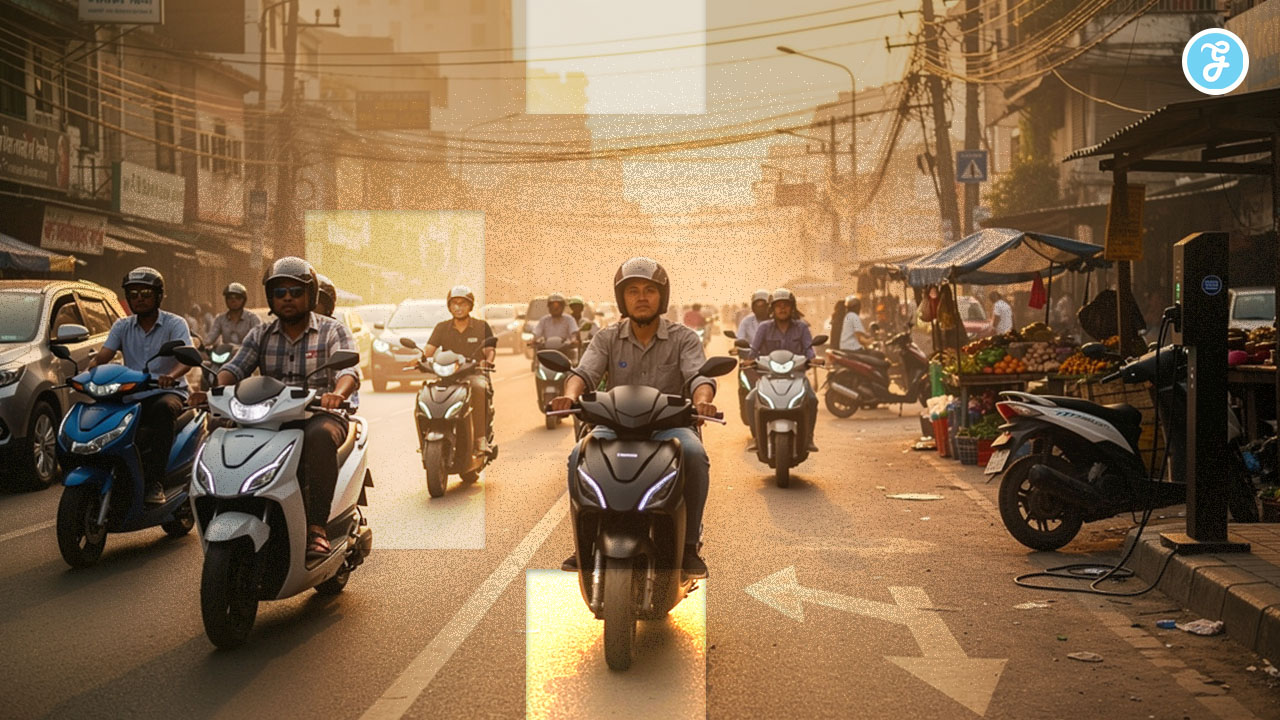
Traffic congestion is choking cities across emerging economies like India and Vietnam, where long commutes and rising fuel costs strain daily life. Aging gasoline motorcycles worsen air pollution, adding to environmental and health concerns.
Electric Two-Wheelers in Emerging Markets are emerging as a practical solution—offering cleaner, quieter, and more affordable mobility for urban populations. These vehicles not only reduce emissions but also lower operating costs, making them an attractive alternative for budget-conscious commuters.
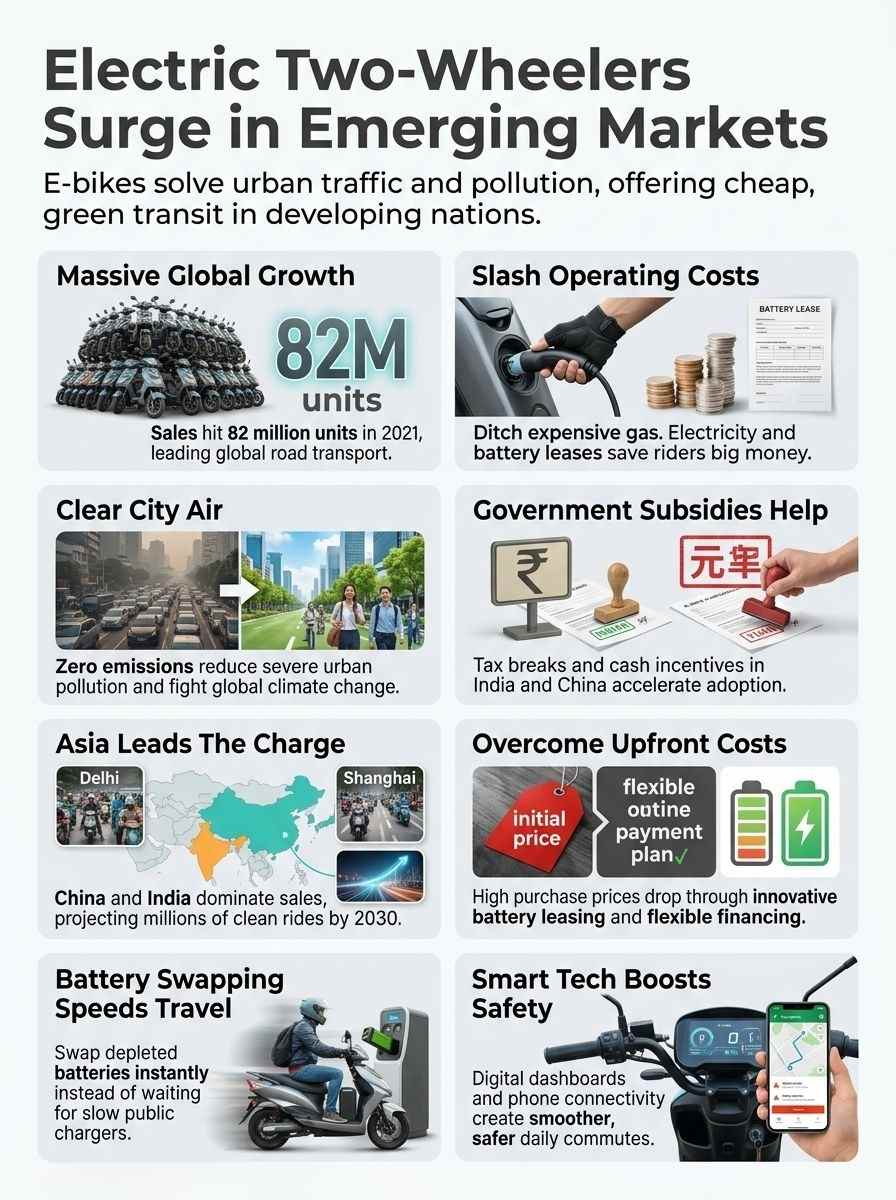
In 2021, global electric two-wheeler sales reached 82 million units, making them the largest category in road transport, according to the United Nations Environment Programme (UNEP). This rapid growth highlights the role of electric vehicles in cutting greenhouse gas emissions and addressing climate change.
The rise of Electric Two-Wheelers in Emerging Markets is especially evident in regions like China, Thailand, Indonesia, Africa, and Latin America. Growth is fueled by strong government incentives, advancements in battery technology, and expanding charging infrastructure.
Despite challenges such as high upfront costs and consumer perception barriers, market momentum continues to build. As adoption increases, electric two-wheelers are set to transform urban mobility and drive the future of sustainable transportation.
Overview of Electric Two-Wheelers
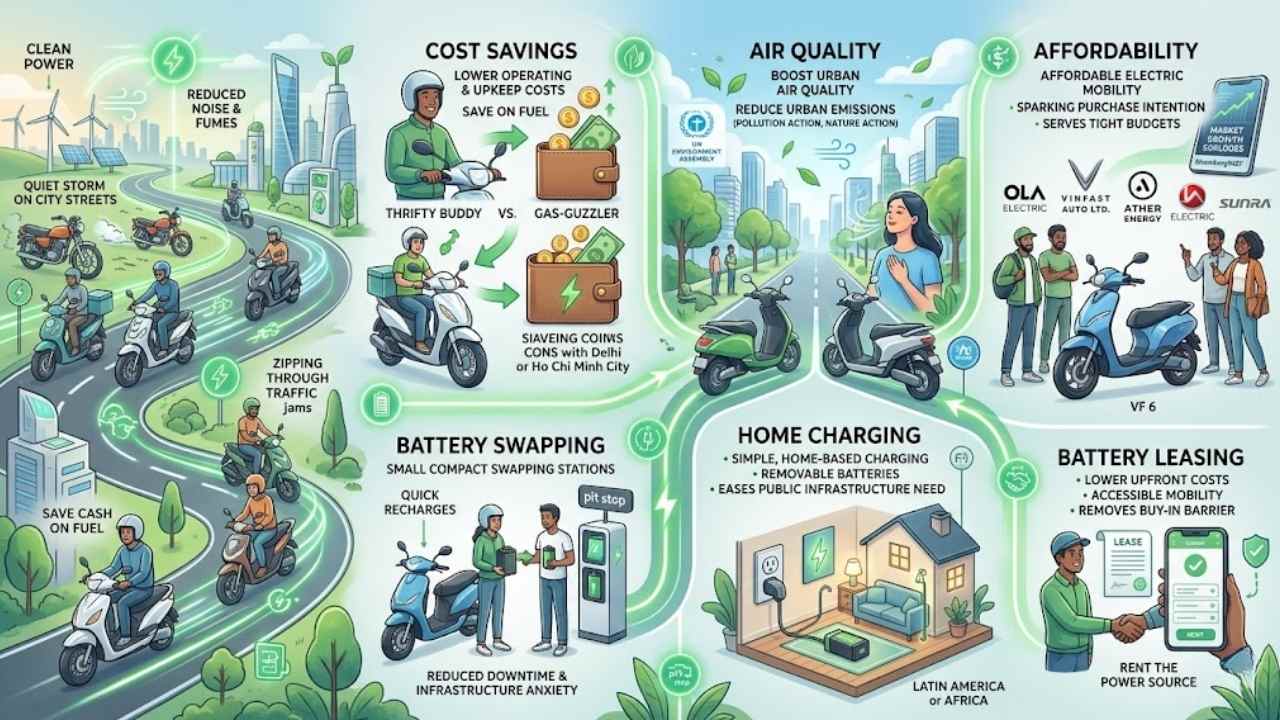
Electric two-wheelers zoom past old gas bikes with clean power from batteries, cutting noise and fumes like a quiet storm on city streets. Riders love how they save cash on fuel, dodge high gas prices, and zip through traffic jams, making daily commutes feel like a breeze.
What Are Electric Two-Wheelers?
People ride electric two-wheelers every day in busy cities. These vehicles include motorcycles, mopeds, and scooters. They run on battery electric systems. Folks call them electric 2/3Ws because some have three wheels too.
Three-wheelers help with deliveries and commercial jobs a lot. BloombergNEF says the future two-wheeler fleet will consist almost entirely of battery electric vehicles. You save money with these rides.
They cost less to run than cars, especially in urban spots. Charge them at home with standard sockets. That makes ev adoption easy, even where infrastructure lags. Battery swapping pops up as a quick fix.
It suits taxis and delivery services well.
The future two-wheeler fleet is anticipated by BloombergNEF to consist almost entirely of battery electric vehicles.
Riders love how these machines cut costs and boost air quality. Urbanization pushes folks toward electric mobility. Governments back this shift for sustainable development. Imagine zipping through traffic without high fuel bills, like a bird dodging rush hour chaos.
Charging stations grow, but home plugs work fine for now. Market growth explodes in the global electric two-wheeler market. Entities like Ola Electric and Yadea lead the charge. Battery technology improves fast, making rides longer and smoother.
Advantages of Electric Two-Wheelers
Electric two-wheelers offer big perks in emerging markets. They cut costs and help the planet, drawing more riders every day.
- Electric two-wheelers slash operating costs compared to internal combustion engine vehicles, saving you money on fuel and upkeep in the long run. Riders in places like Delhi or Ho Chi Minh City love this, as rising fuel prices bite hard. BloombergNEF says electrification ranks as the most cost-effective way to reduce carbon emissions from two-wheelers, fitting right into climate action and sustainable development goals. Think of it like trading a gas-guzzler for a smart, thrifty buddy that keeps your wallet happy while fighting global warming.
- These vehicles boost air quality by cutting urban emissions, a real win for developing economies choked by pollution. Electric two- and three-wheelers help tackle chemicals and pollution action, plus nature action, in spots like Bangkok or Kenya. You get cleaner streets, fresher breaths, and a nod from the UN Environment Assembly. It’s like giving your city a breath of fresh air, literally, without the smoky exhaust from old Honda or Yamaha bikes.
- Affordable electric mobility shines through electric two-wheelers, serving as the main option in emerging markets for folks on tight budgets. Companies like VinFast Auto Ltd. and Ather Energy push this with models such as VF 6, sparking purchase intention among riders in Tamil Nadu or Thoothukudi. Hero Electric and Sunra join in, making winners out of everyday commuters. Picture zipping through traffic without breaking the bank, all while aligning with the motivation-opportunity-ability framework for smarter choices.
- Battery swapping stations speed up adoption, especially for commercial fleets needing quick recharges. This innovation from firms like those in the electric vehicle market reduces downtime, a game-changer in bustling areas. Infrastructure development grows with these, lessening worries about charging spots. It’s as if your bike gets a pit stop like in a race, keeping you moving without the hassle.
- Removable batteries let you charge at home, easing the need for public charging infrastructure in global emerging markets. This setup, seen in electric two- and three-wheelers overview, fits urban life in Latin America or Africa. You pull out the battery, plug it in your living room, and boom, ready for the road. No more hunting for stations, just simple, home-based power-ups that make life easier.
- Battery leasing options, like those in Vietnam, drop upfront costs and make electric two-wheelers more accessible. This ties into distribution intensity from motorcycle manufacturers, boosting the market in Europe, Japan, or even research in transportation business & management circles. Riders feel the empathy here, as it removes the big buy-in barrier. Imagine leasing just the power source, like renting a superpower for your daily ride, without the full price tag.
Growth Drivers for Electric Two-Wheelers in Emerging Markets
Electric scooters speed up in places like India, thanks to worries about air quality that push folks toward cleaner rides. Policies from leaders, plus high gas costs, make these bikes a smart pick, and models like stimulus-organism-response help explain why people switch.
Impact of Environmental Concerns
People in emerging markets face dirty air every day, and electric two-wheelers help clean it up. These vehicles cut down on pollution from gas engines, making cities healthier places to live.
Urban air quality improvements drive adoption in developing economies, where folks breathe easier with fewer fumes. Think of it like swapping a smoky campfire for a clean electric grill; the switch feels fresh and vital.
Electrification of two-wheelers plays a big role in slashing global carbon dioxide emissions from road transport. Many places set bold goals, like Vietnam’s plan to fully electrify its road transport sector by 2050.
Electric two-wheelers get emphasized in strategies to hit zero emissions by 2050, offering a practical fix for cities jammed with bikes and scooters. Goal-framing theory shows how environmental concerns motivate choices, pushing riders toward greener options.
Electric two- and three-wheelers provide a key pathway for reducing emissions in high-usage areas, notes expert Dhiraj Singh in his global emerging market overview for electric two and three wheelers.
Data collection reveals that environmental advertising, tied to models like the stimulus-organism-response model and motivation-opportunity-ability framework, boosts awareness of issues such as plastic pollution from traditional vehicles.
Smart PLS and PLS-SEM analyses confirm these trends in emerging spots, where riders pick electric models to fight climate woes.
Role of Government Support and Policies
Governments in emerging markets fuel the surge of electric two- and three-wheelers with smart policies. Take India, for example. Its PM Electric Drive Revolution in Innovative Vehicle Enhancement scheme, or E-DRIVE, offers buyers up to INR 5,000 per kWh for electric two-wheelers with lithium-ion batteries.
This program boasts a USD 1.3 billion budget. It targets support for 2.5 million units through March 2026. Imagine slashing your costs like that, it feels like finding money in an old jacket pocket.
China steps up too. New e-bike standards sparked huge sales there. They pushed folks to grab compliant rides. Plus, China exempts new energy vehicles from purchase taxes fully through 2025, then halves it until 2027.
For commercial users, perks include road rights, charging discounts, and subsidies. These moves fit the motivation-opportunity-ability framework perfectly. They spark desire, open doors, and build skills for adoption.
Indonesia joins the party with nearly USD 0.5 billion allocated in 2023. This cash aims to deploy 800,000 electric two-wheelers in the years ahead. Think of it as a government high-five for going green.
Over in Europe, cities ramp up Low Emissions Zones. Numbers jumped from 228 in 2019 to 320 in 2022. These zones nudge drivers toward electric options, cutting pollution in crowded spots.
Indonesia’s push creates real opportunity, much like China’s tax breaks motivate buyers. Africa’s markets eye similar incentives to tackle traffic woes. Latin America follows suit with policies that ease urban jams.
Such efforts build ability through subsidies and rules, turning electric rides into everyday choices.
Influence of Rising Fuel Prices
Fuel prices keep climbing, and folks in emerging markets feel the pinch every day. Electric two-wheelers step in as a smart, cost-effective alternative to dodge those fluctuating costs.
Imagine you’re filling up your old scooter, and the pump just eats your cash. Switch to electric models, and you slash those bills big time. Lower operating costs compared to fuel-powered rides drive adoption fast.
People love how these bikes cut dependence on pricey gas. In places like bustling cities, riders say goodbye to pump worries. Battery swapping pops up as a game-changer, letting you swap and go without the hassle.
Home charging options make it even easier, keeping costs low and steady.
Battery leasing models shine in spots like Vietnam, where users skip high upfront payments and opt for low monthly rates. This setup shields you from fuel price swings, no more budgeting headaches.
Think of the motivation-opportunity-ability framework here; rising costs motivate the switch, while these models provide the opportunity and build your ability to go electric. Electric two- and three-wheelers fit right in, offering relief amid urbanization’s chaos.
Riders share stories of saving hundreds each month, turning commutes into smooth sails. Costs drop, freedom rises, and you cruise ahead without looking back.
Effects of Urbanization and Traffic
Cities grow fast in emerging markets, and traffic jams choke daily life. People in places like India and Southeast Asia rely on electric two- and three-wheelers as their main way to get around.
Urbanization pushes folks away from crowded buses and trains, especially after the pandemic hit China hard. Commuters there grab e-bikes instead, zipping through bike lanes where gas scooters can’t go.
Think of it like dodging a traffic nightmare with a clever shortcut; these rides offer quick escapes from gridlock.
Air pollution clouds the skies, and congestion slows everything down, so cities step up with policies. They create zero-emission zones and low-emission areas to cut the mess. Battery-swapping stations and fast chargers help delivery riders, taxi drivers, and couriers keep moving without long waits.
In this motivation-opportunity-ability framework, urban folks find the drive to switch, grab the chance with better access, and build skills to use these efficient tools. You see, it’s like giving traffic a run for its money, turning chaos into smooth sails for everyday heroes on two wheels.
Regional Market Trends for Electric Two-Wheelers
4. Regional Market Trends for Electric Two-Wheelers: Electric two-wheelers, those zippy e-bikes and scooters, spark big changes across Asia’s crowded cities, Africa’s dusty roads, and Latin America’s bustling streets, fueled by the motivation-opportunity-ability framework that taps into local drives for clean rides and easy access—keep going to catch all the action.
Electric Two-Wheelers in Asian Markets
Asia leads the charge in electric two-wheelers, folks. China grabs the spotlight with 53% of global two-wheeler sales in 2021. Electric models made up 70% of the 39 million units sold there.
Projections show sales climbing from 30 million units in 2021 to 33 million by 2025, per the Economic Transition Scenario. By the mid-2030s, almost all new two-wheeler sales in China will go electric.
Fleet penetration hits 91% by 2040 and 99% by 2050. India ramps up too, with electric two-wheeler OEMs jumping to 220 in 2024 from 180 in 2023. The top four makers claimed 80% of the 1.3 million electric two-wheelers sold.
These sales equal 6% of India’s total two-wheeler market. Ola’s S1X model costs INR 70,000, about USD 850, cheaper than average gas-powered bikes. Manufacturing capacity reached 10 million in 2024 across the 80 largest firms, and it could hit 17 million if plans pan out.
Think about the motivation-opportunity-ability framework here; people want cleaner rides, governments provide subsidies, and tech makes it possible.
Vietnam buzzes with 250,000 electric two-wheeler sales in 2024, snagging nearly 10% market share. Battery leasing drops monthly costs to VND 350,000, under USD 14, like pocket change for commuters dodging city jams.
Indonesia logs about 105,000 sales that year, but shares stay below 2%. The Philippines racks up over 25,000 units. Across Asia, folks swap gas guzzlers for these zippy electric two- and three-wheelers, cutting pollution one ride at a time.
Envision zipping through Hanoi traffic on a quiet scooter, no fumes in your face, that’s the dream turning real.
Growth of Electric Two-Wheelers in Africa
Africa sees a surge in electric two-wheelers. Sales grew nearly 40% year-on-year, hitting 9,000 vehicles in 2024. These rides make up just 0.5% of all two-wheeler sales on the continent that year, but hey, that’s a start, like planting seeds in fertile soil.
Domestic makers drive this push. Spiro in Nigeria plans to churn out 100,000 electric two-wheelers each year. Roam in Kenya invests big too. Ampersand in Rwanda joins the pack, focusing on local production to cut costs.
They tackle barriers head-on, you know, like battery swapping to fix charging woes and local assembly to ease infrastructure headaches.
Finance firms step up with smart options. M-KOPA offers flexible payment plans. Mogo provides lease-to-own schemes. Watu does the same, making these electric two- and three-wheelers more accessible for everyday folks.
Think of it through the motivation-opportunity-ability framework; people want cleaner rides, get chances via subsidies, and gain skills from easy swaps. Riders feel the buzz, dodging high fuel bills in crowded cities.
Local heroes like these firms turn dreams into daily commutes, sparking real change across the land.
Trends in Latin America’s Electric Two-Wheeler Market
Electric two-wheelers offer an affordable way to start with electric mobility in developing economies like Latin America. People love them for cutting costs on fuel and easing city traffic.
Removable batteries and home charging solutions make life easier in areas with few public chargers. Think of it like swapping a dead phone battery, quick and simple. Urban air quality worries push folks toward these rides.
Lower operating costs seal the deal in bustling Latin American cities. Government incentives and private sector financing boost adoption rates bit by bit. Riders see real savings, and that sparks interest.
Latin American markets study Asian and African successes to grow electric two- and three- wheelers. The motivation-opportunity-ability framework explains why people switch: they want cleaner air, get chances through subsidies, and can charge at home.
Cities like those in Brazil and Mexico lead the charge. Imagine zipping through traffic without the gas bill headache. These trends build momentum for greener streets.
Adoption Challenges for Electric Two-Wheelers
Electric scooters hit roadblocks with their steep upfront prices, making folks think twice before ditching gas-powered bikes. Plus, spotty charging stations leave riders stuck, like searching for a needle in a haystack during rush hour.
The Challenge of High Purchase Costs
High upfront costs stop many buyers from choosing electric two-wheelers in emerging markets. In India, the average price stays higher than gas-powered models, even with more competition and new cheap choices.
People want these vehicles for their green perks, but the price tag hits hard, like a punch to the wallet. Take the Ola S1X, it costs INR 70,000, about USD 850, and beats the average gas scooter’s price.
Yet, folks hesitate, thinking, “Can I afford this switch?” India’s E-DRIVE and FAME-II schemes help with subsidies up to INR 5,000 per kWh, closing that gap a bit. You see, it’s all about the motivation-opportunity-ability framework; buyers feel motivated by savings long-term, but lack the ability without lower costs.
Markets like Vietnam show smart ways to tackle this hurdle. There, battery leasing programs drop the monthly cost to VND 350,000, under USD 14, making it feel like pocket change. Several models sell for under VND 20 million, around USD 780, proving affordability grows.
Declining battery prices will cut upfront costs more, and experts predict these rides match gas vehicles’ prices after 2025. Imagine telling a friend, “Hey, that electric scooter won’t break the bank soon.” Governments push policies to boost opportunity, while tech advances build ability for wider adoption.
Issues with Charging Infrastructure
Electric two-wheelers face big hurdles with charging setups in emerging markets, you know. People love the idea of zipping around on these bikes, but spotty public stations slow things down, like trying to find a needle in a haystack during rush hour.
In India and Southeast Asia, the slow growth of these public spots creates real headaches for riders. Folks often turn to home charging instead, which helps a bit. Many models come with removable batteries that plug into standard sockets at home, making life easier than for cars that need fancy setups.
This setup requires less total infrastructure, a plus in tight urban spots. Yet, the motivation-opportunity-ability framework shows how limited access cuts riders’ chances to switch fully to electric rides.
Infrastructure expansion for charging and battery swapping boosts adoption, no doubt about it.
Battery swapping stations speed up now, especially for taxis and delivery folks who crave quick recharges, like a pit stop in a race. These programs integrate more in places like Vietnam, adding convenience that feels like a breath of fresh air.
In Africa, promoters push battery swapping and local assembly to fill those infrastructure gaps, smart moves that tackle the core problems head-on. Riders chat about how these swaps beat waiting hours to charge, turning potential frustration into smooth sailing.
Empathy kicks in here; imagine hauling goods all day only to hunt for a plug. Such innovations address the ability part of the motivation-opportunity-ability framework, giving users real power to keep going without the fuss.
Consumer Knowledge and Attitudes
People in many places still know little about electric two-wheelers, and that slows things down. Slow adoption rates show this problem clearly, with these vehicles making up less than 10% of sales in some regions.
You see, folks need more facts to feel confident. Market education helps a lot here. Demonstrations change minds, especially in Southeast Asia and Africa. Think of it like trying a new recipe; you won’t love it until you taste it.
Urban commuters in China grab e-bikes for their low cost and easy access to bike lanes, plus restricted areas. Yet, preferences shift toward cars there, causing a drop in electric two-wheeler sales in 2024.
Chinese manufacturers chase markets abroad as home sales fall, a sign of evolving views. This ties into the motivation-opportunity-ability framework, where drive, chances, and skills shape choices.
Consumers lack ability without proper info, so builders must step up. Picture a friend unsure about a gadget; you show them how it works, and suddenly they’re hooked. Empathy matters too; not everyone starts from the same spot.
Humor aside, it’s like teaching someone to ride a bike, but electric style, you build trust one demo at a time.
Future Developments in Electric Two-Wheeler Technology
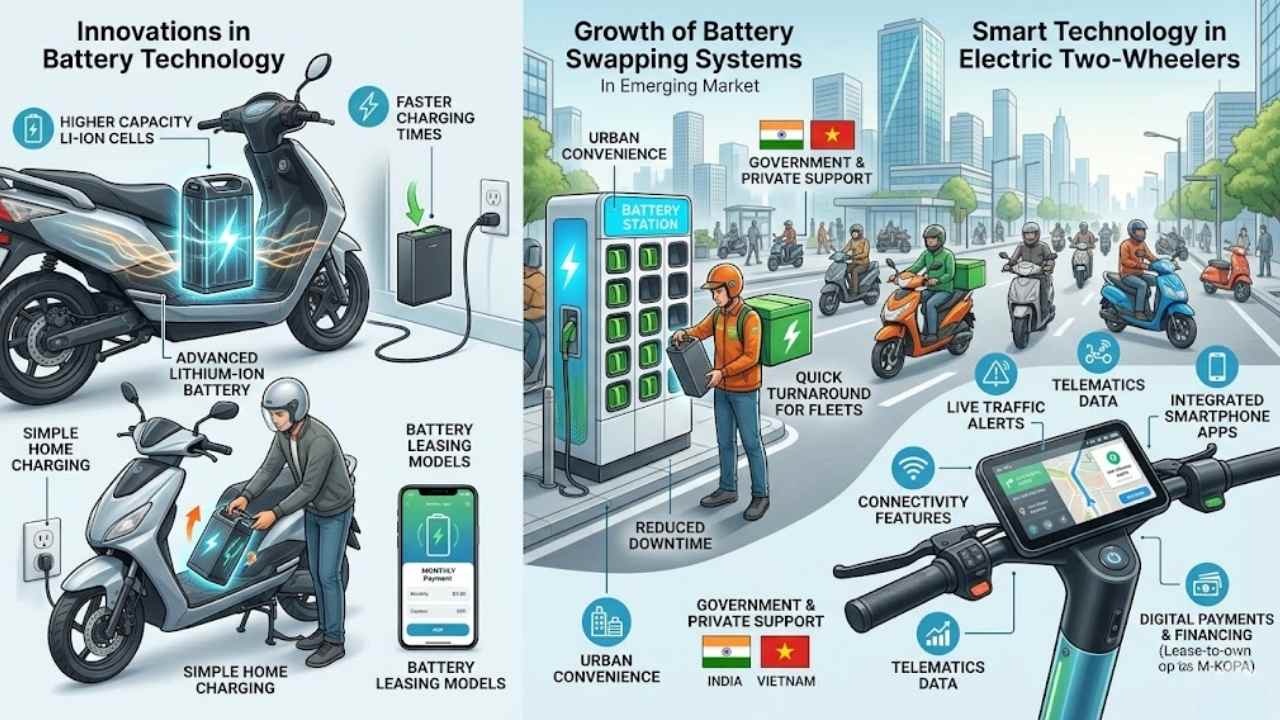
Imagine zipping through city streets on a scooter that charges faster than your phone, thanks to advances in lithium-ion cells that pack more power without the extra weight. Picture swapping out a drained power pack in seconds at a corner station, or your ride alerting you to traffic jams via built-in apps— these tweaks are set to make electric bikes a daily thrill for folks in bustling towns.
Innovations in Battery Technology
Battery makers push for better capacity and performance. They aim to boost range and reliability in electric two-wheelers. Prices for batteries drop fast, folks. This shift makes these rides compete with gas-powered ones after 2025.
Think of it like a race where the underdog suddenly gets faster shoes. Manufacturers prioritize these upgrades, you see, to tackle doubts about distance on a single charge. Such changes spark motivation in the motivation-opportunity-ability framework, giving riders real reasons to switch.
Improvements let you zip farther without worry, like extending your phone’s battery life on a long trip.
Leasing models for batteries cut those big upfront costs. Take Vietnam, where folks rent batteries and make electric two-wheelers easier to grab. This approach opens doors, creating opportunity in that same framework.
Removable batteries add a smart twist; you pull them out for simple home charging. No need for fancy stations in spots with spotty infrastructure. Picture yanking the battery like swapping a flashlight’s cells, quick and painless.
These innovations build ability, letting emerging markets dodge old charging headaches. Riders gain freedom, turning daily commutes into smooth sails.
Growth of Battery Swapping Systems
Battery swapping stations speed up the adoption of electric two-wheelers. They help commercial fleets that need quick turnaround times. Think of it like trading an empty tank for a full one at a gas station, but for batteries.
This approach fits the motivation-opportunity-ability framework, where users gain the drive to switch, find easy access, and build skills to use the tech. In dense urban areas, taxis and delivery services thrive with this system.
It cuts wait times for charging, keeping vehicles on the road longer. Governments and private firms back these setups in places like India, Vietnam, and Africa. They see the value in fast, reliable energy swaps.
Vietnam integrates battery swap programs to boost user convenience and slash downtime. Riders swap out drained batteries in minutes, not hours. This change feels like a game-changer for busy city folks, right? It supports those who can’t afford long waits.
Private initiatives join government efforts to expand these stations across emerging markets. Delivery riders in Africa benefit too, dodging high fuel costs with swift swaps. The system proves ideal for spots where fast charging matters most.
Smart Technology in Electric Two-Wheelers
Manufacturers push smart tech into electric two-wheelers, and it changes the game. Ola Electric in India explores digital dashboards and connectivity features. These additions make rides smoother, safer.
Imagine your scooter chatting with your phone, sharing ride data like a helpful buddy. Global players like Harley-Davidson, Honda, and Yamaha show growing interest. Their involvement sparks more tech advances, you see.
In Africa, finance firms such as M-KOPA, Mogo, and Watu spread digital payment and telematics systems. This setup backs lease-to-own plans, plus flexible financing. Riders gain easy access, no hassle.
Smart features boost safety, efficiency, and appeal for years ahead. Think of it as giving your two-wheeler a brain upgrade. Users apply the motivation-opportunity-ability framework here.
Motivation comes from eco-friendly perks, opportunity from easy tech access, ability from user-friendly designs. Picture a rider in a busy city, dodging traffic with smart alerts. It feels like having a co-pilot on board.
These innovations draw more folks to electric options, step by step.
Final Thoughts
Electric two-wheelers are booming in emerging markets, thanks to green concerns, government incentives, soaring fuel costs, and city traffic jams. These bikes offer a simple, cost-saving switch from gas guzzlers, with easy upkeep that fits busy lives like a glove.
Have you thought about ditching your old scooter for an electric one to cut your carbon footprint? This shift could slash emissions big time, paving the way for cleaner air and sustainable cities by 2050.
Check out reports from the International Energy Agency for more stats on global trends, or test ride a model from Ola Electric today.
Frequently Asked Questions (FAQs) on Electric Two-Wheelers in Emerging Markets
1. What’s fueling the boom in electric two-wheelers across emerging markets, you ask?
Well, picture this, folks, it’s like a perfect storm where folks crave green rides to dodge high gas prices, and that’s the motivation part of the motivation–opportunity–ability framework kicking in. Governments toss in subsidies, opening doors wide, while tech makes these bikes affordable and easy to charge.
2. How does the motivation–opportunity–ability framework break down this electric two-wheeler trend?
It shows how personal drive meets real chances and skills, turning everyday commuters in places like India into e-scooter fans overnight.
3. Ever wonder if everyone’s ready to hop on electric motorcycles in these growing economies?
The motivation–opportunity–ability framework highlights that desire alone isn’t enough; you need access to charging spots and the know-how to maintain them, or it’s like trying to ride a bike with no wheels. Plus, with rising pollution concerns, that inner push gets stronger, making folks more able to switch.
4. Can the motivation–opportunity–ability framework predict where electric mopeds will take off next?
Sure, it spots spots with high motivation from eco-conscious riders, plus opportunities like cheap batteries. Think of it as a roadmap, guiding businesses to markets hungry for change.