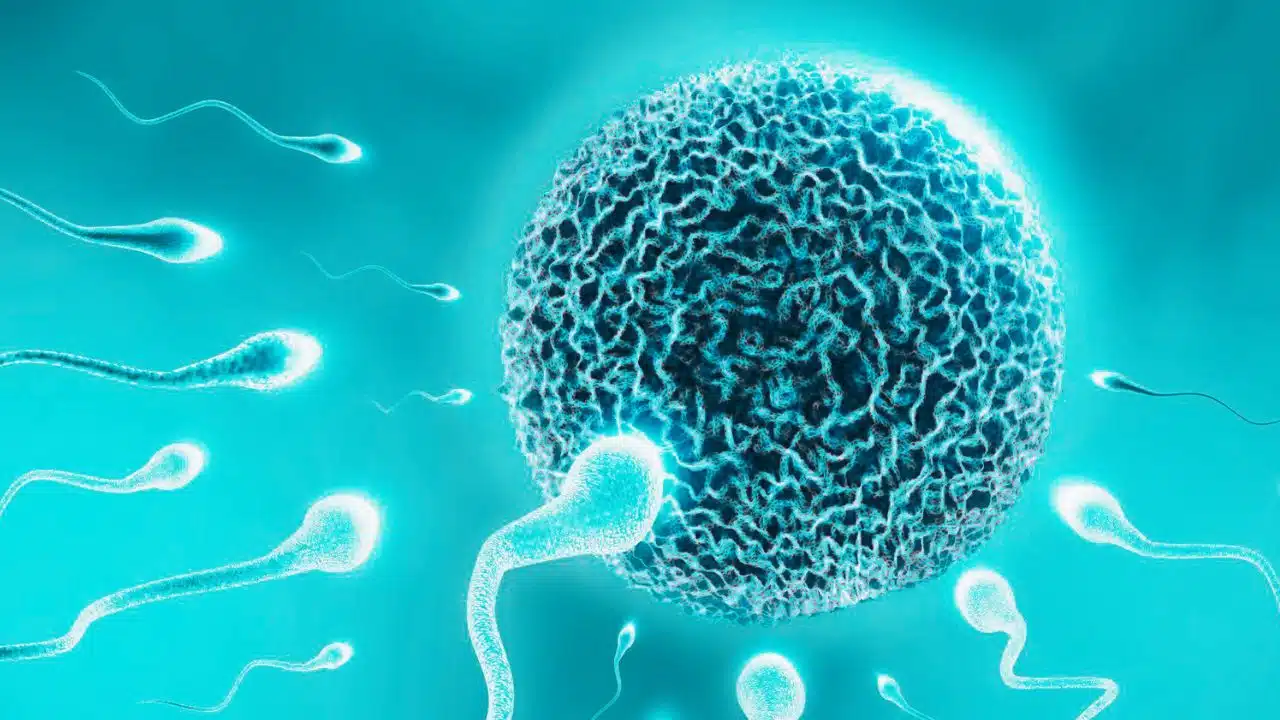
The process of in vitro fertilization (IVF) has emerged as a lifeline for infertile couples who are struggling to start a family. You will often hear about two key pieces of this process: Egg quality and embryo quality. Knowing their importance for those considering IVF may help them make better-informed choices. This post discusses these components, describing their roles and significance in successful IVF.
Understanding Egg Quality
Age, lifestyle, and hormonal balance all play a role in determining egg quality and IVF outcomes. Quality eggs are more likely to fertilize properly and develop into healthy embryos. Age, lifestyle, and health issues affecting the ovaries also determine egg quality. As a woman gets older, the number of quality eggs is reduced, causing infertility.
Maintaining a healthy lifestyle can positively impact egg quality. A balanced diet, regular exercise, and avoiding harmful substances contribute to better egg health. Additionally, managing stress and ensuring adequate sleep are beneficial. Medical conditions like polycystic ovary syndrome (PCOS) or endometriosis can also affect egg quality. Consulting with healthcare professionals can provide valuable insights and guidance.
The Role of Embryo Quality
In vitro fertilization (IVF) also heavily emphasizes the quality of embryos. After fertilizing an egg, it must grow into a strong enough embryo to implant. We then use this assessment to evaluate embryos based on their cell division dynamics, shape, and genetic health. Embryos of excellent quality are more likely to implant in the uterine lining and lead to a healthy pregnancy.
The good news is that embryologists, the scientific workers who evaluate embryos during in vitro fertilization (IVF), have made her journey easier. Then, they have normal fission and other qualities, and round up the best embryos. Genetic testing may also monitor chromosome health, lowering the chances of a genetic disorder and enhancing the probability of a healthy pregnancy.
Comparing Egg and Embryo Quality
The quality of both the egg and the embryo is essential, but each plays a different role. High-quality eggs give fertilization a better chance to succeed, and embryo quality will help determine whether it’s possible to successfully implant and create a pregnancy. The two are often related since egg issues usually result in poor embryo growth.
People also opt for egg freezing for later pregnancies. Improving egg quality can directly impact embryo quality. However, even with high-quality eggs, embryos may not continually develop optimally due to other factors. This complexity illustrates the need for comprehensive care and personalized treatment plans in IVF.
Technological Advancement
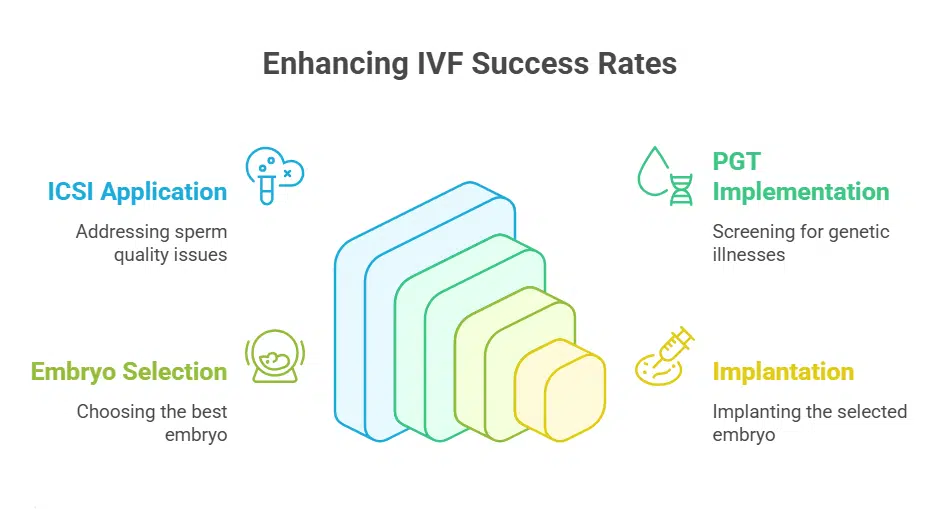
Reproductive technology has made outstanding strides in the last decade, and success rates for IVF are better than ever. Intracytoplasmic sperm injection (ICSI) and preimplantation genetic testing (PGT) provide further perspectives and solutions. If sperm quality is an issue and there are concerns about fertilization, ICSI may help. With PGT, doctors can check for genetic illnesses in an embryo, making finding the best candidate for implantation easier.
Once combined with high-quality eggs and embryos, these technologies further boost pregnancy success rates. They add a layer of peace of mind and enhance confidence in the IVF journey.
The Emotional Aspect
IVF is not an emotional roller coaster; it is an emotional journey. Knowing how much you must worry about egg and embryo quality can eliminate some guesswork. Access to care and emotional support from family and friends are critical for relieving anxiety and encouraging hope.
Grief counseling and support groups may provide additional reassurance. Talking to others who are going through a similar experience and understand IVF can help comfort you. It is an important question. This recognition is only possible if the emotional part is considered, as it is related to a person’s well-being.
Conclusion
Both egg and embryo quality are critical factors for a successful IVF process. They are distinct but not mutually exclusive. When supported by innovative technology and personalized care, prospective parents can continue on the path of parenthood with the confidence that the IVF journey offers.
Knowledge of the impact on egg and embryo quality helps make the right choices. Maintaining physical and emotional well-being can increase the likelihood of a successful pregnancy among those seeking an IVF pregnancy. It can be a road filled with difficult moments, but with proper support and knowledge, it is a hopeful route to family.