Are you tired of stubborn pups that ignore commands during dog training? If you’re looking for the easiest dog breeds to train at home, this guide highlights the top trainable dogs for families. A Border Collie ranks at the top of trainable dog breeds thanks to its sharp mind. This guide uses clear steps and positive reinforcement for obedience training with Golden Retriever, Labrador Retriever, or Poodle.
Keep reading.
Key Takeaways
- Border Collies, Poodles, Papillons, and Australian Shepherds top the list for fast learning. Border Collies pick up a new command in just 3–4 tries. Poodles, Papillons, and Aussies master sit, stay, and come in under 7 days. Golden and Labrador Retrievers learn four new cues in one week.
- Every breed in the Top 10 thrives on reward-based training. Use positive reinforcement, a clicker or sound marker, and a treat pouch. Keep sessions to 5–10 minutes for clear feedback and focus.
- Herding and working dogs (Border Collie, German Shepherd, Australian Shepherd, Doberman, Shetland Sheepdog, Rottweiler) need mental games, puzzle toys, and agility drills to burn energy and sharpen minds.
- Toy and companion breeds (Papillon, Bichon Frise, Poodle) shine with short drills, early socialization, and regular grooming on cue. Consistent cues and quick praise prevent confusion and boredom.
Easiest Dog Breeds to Train at Home: Top 10 Trainable Dogs for Families
When it comes to selecting a dog that’s both intelligent and eager to learn, certain breeds stand out. The easiest dog breeds to train at home are not only quick learners but also adapt well to family environments. Breeds like the Border Collie, Golden Retriever, and Labrador Retriever are renowned for their trainability and affectionate nature, making them ideal companions for families seeking a well-behaved pet.
Border Collie
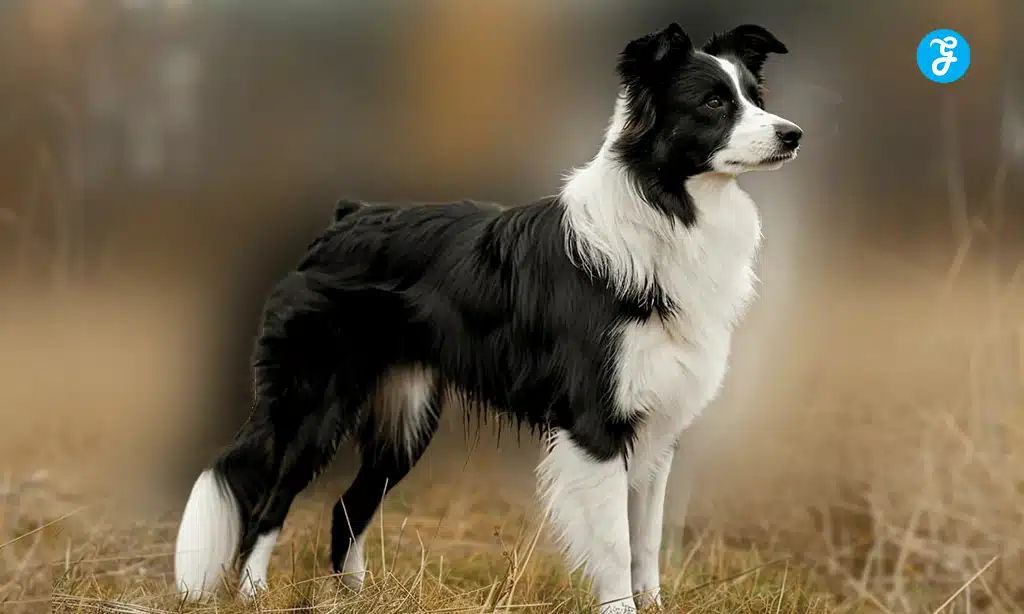
Border Collies crave mental work, and they bloom with positive reinforcement drills. They master commands fast with a training device, and they shine in agility training.
What training methods work best for Border Collies?
Positive reinforcement works best for Border Collies. Reward-based training speeds the learning of herding dogs. Clicker training links a tone with treats, so a pup gets quick feedback.
Early socialization with people and other animals builds calm habits. Consistent routines and mental challenges keep a high energy pup busy.
Obedience training classes blend control drills with agility training to burn off energy. Pup masters new commands fast with praise and treats. Dog sports sharpen focus and build drive.
Trainers add puzzles and scent games to fight boredom.
How quickly do Border Collies learn new commands?
Border Collies can learn a new command in as few as three to four tries. Trainers record many dogs on the fourth attempt or sooner. Herding dogs like these pick up cues faster than most breeds.
Trainers use clicker training and treats to tap into their sharp minds. This method works wonders with trainable dog breeds.
Owners often see a fresh trick stick after three 10-minute drills. In trials, some pups master new cues in one session. They outpace golden retrievers, Labrador retrievers, and German shepherds in obedience.
Keep drills lively, to curb clever pups from skipping tasks. Toss a ball or give a puzzle toy after each success.
Poodle
Poodles soak up new tricks with positive reinforcement and a sound marker method in no time. You can keep them busy with a snack pouch and puzzle toys that spark their curious minds.
Why are Poodles easy to train?
Smarts and eagerness drive fast lessons. These intelligent dogs shine in dog sports and dog training drills. They master sit, stay, come in under a week. This pace outruns many other trainable dog breeds.
Trainers use positive reinforcement and consistent commands. Clicker tools and treat pouches boost each step.
Friendly natures suit family homes. Regular mind games stop boredom. Agility training and puzzle rigs challenge their skill. Owners find them keen in puppy training or advanced drills.
What are common training challenges with Poodles?
Many owners skip regular brushing. Poodles need grooming every 6 to 8 weeks, which some find tough. Trainers warn that inconsistent commands in dog training confuse this bright breed.
You must use one cue each time, or your dog tilts its head. It ranks among the most intelligent dog breeds. It thrives on positive reinforcement, treats, and praise.
Poodles crave puzzles and long walks. Lack of mental play makes them chew shoes or pace floors. A daily jog or scent game tames energy levels. Social dogs look for brief playdates with other pets.
A lonely poodle acts up indoors.
German Shepherd
They soak up commands like a sponge during positive reinforcement drills, especially with a sound marker and tasty treats. You see them shine in dog squads and search tasks, thanks to keen minds, calm nerves, and solid obedience training.
How do German Shepherds respond to training?
German Shepherds rank among highly trainable dogs and top working dogs. These dogs adapt fast to reward-based training. Sharp minds absorb commands in just a few reps. Steady, short sessions lock in new skills.
Herding work or search and rescue tasks spark their drive. A clicker and treat pouch mark good behavior. Puppy lessons at eight weeks boost focus. Obedience training builds confidence.
What commands should you teach a German Shepherd first?
A German Shepherd puppy picks up sit, stay, come, and down fastest when you pair each cue with a training device or a calm, firm voice. Offer small pieces of chicken right after a correct response, especially when the pup feels hungry or after a brisk play session.
Keep sessions under ten minutes, then praise the pup and hand out a treat. Establish a daily routine and stick to disciplined training sessions.
Gradually add more complex cues like heel and leave it over multiple days. Use positive reinforcement during consistent dog training, reward progress, and avoid rushing ahead. Link puppy training to simple games that tap the high energy levels of this intelligent dog breed.
Practice in different spaces to boost focus in this loyal, family-friendly dog.
Golden Retriever
Golden Retrievers become fast learners when you train them with positive games at home. Trainers use a clicker, a treat pouch, and short play drills to teach sit, stay, and loose-lead walks, keeping each session lively so you tap into your dog’s bright brain.
What makes Golden Retrievers good family pets?
This golden retriever stands out as one of the most loyal family dogs on the market. A retriever shows warm, friendly ways at every visit. Kids giggle as it nudges their shoes. Trainers note it learns new commands in less than a week.
It bonds fast with each person.
That bond grows in play sessions, walks, and quiet days on the couch. This intelligent companion dog thrives on positive reinforcement. A clicker, treat pouch, and eager owner keep training fun.
It adapts to city life or rural plots without fuss. Its gentle, patient style fits families with any age.
How do Golden Retrievers behave during training?
Golden Retrievers charge into training with keen eyes and wagging tails. Trainers use clickers and treats, and they record four new cues in a week per dog, thanks to their quick learning.
Their positive reinforcement response shines in daily dog training sessions of ten minutes where they breeze through sit, stay, and heel drills. They jump at each cue, driven by an eager to please spirit that consistent training taps into by week two.
It makes them a top pick for family-friendly dogs and loyal dog breeds, and many trainers add leash practice, crate drills, and early socialization to boost focus.
Labrador Retriever
She grabs a training tool and a reward bag to teach sit and stay with clear signals. This eager companion eats up positive reinforcement, turning puppy training into a fun adventure.
Why are Labradors popular for training?
Labs rank among top trainable dog breeds. A labrador retriever soaks up commands like a sponge. He thrives on praise and treats. Labs adapt well to apartments, yards, and busy homes.
They shine as family-friendly dogs, therapy dogs, and service dogs.
Labs thrive under dog training tools like positive reinforcement and clicker sessions. They learn basics in days, then master advanced tricks. Many go on to agility trials, search and rescue, and top obedience training.
Early socialization sets the stage for calm, steady manners.
How can you keep a Labrador motivated while training?
Treats and praise fuel a labrador retriever’s drive. Use positive reinforcement in every drill. A sound marker gives clear feedback each time he obeys. Mix fetch breaks with sit drills and short runs.
Keep sessions to 10 minutes to avoid dull moments. Add a scent mat with hidden kibble for mental stimulation.
Carry snacks in a reward carrier so you stay ready. Vary playthings, like rope and ball, to match high energy levels. Swap simple commands for tougher tasks once he masters basics.
Sprinkle in a tug game to keep dog training fun.
Shetland Sheepdog
Shelties soak up obedience training and mental stimulation with a leash and treat bag. They dart through agility tunnels like tiny athletes chasing a new challenge.
What traits make Shetland Sheepdogs trainable?
Shetland Sheepdogs rank among the most trainable dog breeds. You can watch them soak up each command like a sponge. This herding breed bonds tightly with its handler, chasing praise and treat rewards.
Owners often use a clicker to reward focus during obedience training. Their eager to please streak shines when they earn a pat or a tasty bite after a trick.
They carry a strong work ethic from decades on farms. These pups focus on tasks, whether mastering agility courses or simple puppy training games. They crave mental stimulation and love tackling new tricks.
Their bright minds and boundless energy make them top picks for positive reinforcement fans.
How do Shetland Sheepdogs handle obedience training?
Shelties learn commands fast. Their sharp minds help them recall cues in a few obedience training sessions. Trainers use operant conditioning, marker tools like a clicker, and tasty treats in positive reinforcement.
Clear commands and daily routines guide them well. Early socialization curbs loud or territorial barking early on.
They respond best to consistent, short sessions. A treat pouch or soft toy rewards their good work instantly. Their herding roots push them to pay attention and perform. Families spot swift gains in basic and advanced commands.
A shetland sheepdog thrives in these obedience drills.
Doberman Pinscher
Dobermans shine under firm yet kind guidance, a treat pouch and clicker in hand. They pick up sit, stay and heel in no time, and they guard your home like a pro.
Are Dobermans easy to train for beginners?
First-time owners can manage a doberman with solid guidance and a clicker. This breed soaks up positive reinforcement in short puppy training sessions. Strong bonds form fast, and eager minds follow simple cues.
Early, structured drills channel their guard dog instincts into obedience training. You must set clear boundaries and stick to consistent training routines. A treat pouch and short leash help shape good habits.
This approach taps into their loyalty, and keeps sessions fun.
What training techniques suit Doberman Pinschers?
Doberman Pinschers thrive on positive reinforcement in dog training. Use treat-based reward drills and clicker training for fast wins. Click the tool, then drop a small chicken piece from your treat pouch.
Practice after a quick walk or run, your dog learns best when hungry and alert. Trainers show basic obedience training moves in short, fun sessions. Keep a regular routine to lock in good habits.
Consistent training each day boosts retention. Vary drills in different rooms and yards to hold interest. A tight leash helps guide heel work and quick turns. Try a clicker or treat pouch to reward swift obedience training.
End each session with a tasty chicken bite and upbeat praise. Loyal dogs pick up signals fast with clear, brief cues.
Papillon
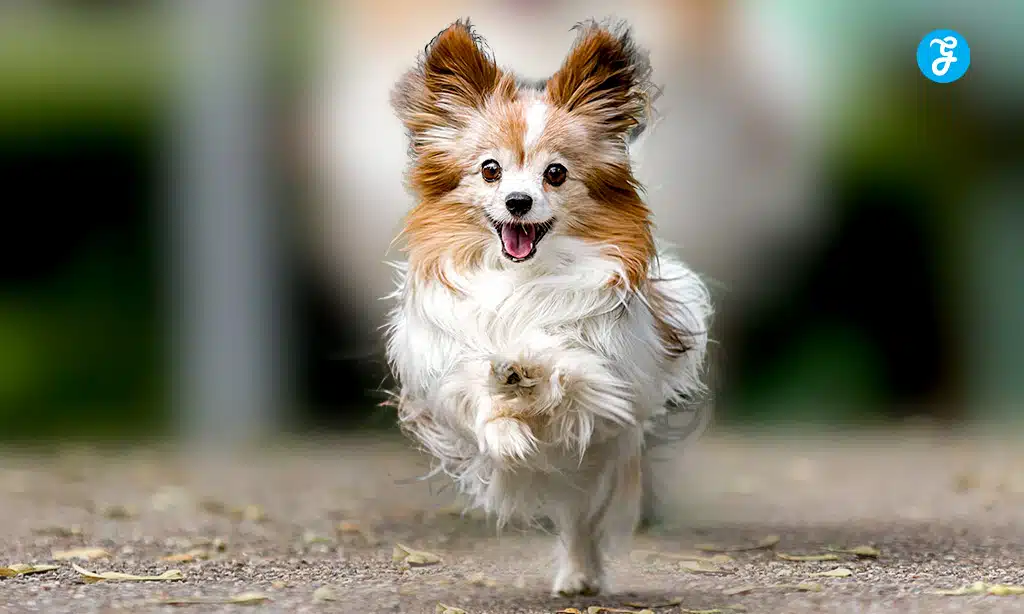
Papillons thrive on positive reinforcement; they learn fast with a clicker and a treat pouch. These tiny dynamos zip through puzzle toys and nail sit and stay in no time.
How intelligent are Papillons in training?
Tiny companions boast sharp minds. Papillons learn sit and stay commands with speed and ease. Their quick learning and adaptability set them apart among trainable dog breeds.
They soak up new tricks in under a week with puzzle toys or clicker training. This dog training style suits their bright minds. Interactive training games fuel their curiosity. Trainers win top scores with positive reinforcement and consistency.
What tricks do Papillons learn quickly?
Papillons master sit, stay, come in just a few lessons. A spin trick sticks in their mind in under ten minutes. At home, a bow, crawl, and heel pop up in no time. Fun games and quick wins keep them pumped.
These pups excel at dog training and obedience training with positive reinforcement and food rewards.
They shine in agility training with tiny jumps and pole weaves. Interactive games like hide and seek sharpen their mind and heart. A marker device speeds up each lesson. These intelligent dog breeds soak up new skills fast.
Australian Shepherd
Australian Shepherds fly through agility courses with a treat pouch clipped at their side, all thanks to their eager-to-please nature. They pick up new tricks fast when you use a clicker and clear, consistent instruction.
What training style works for Australian Shepherds?
Reward-based training works best with Australian Shepherds. This dog training style uses positive reinforcement and fast feedback. A sound marker helps mark each correct step. Target poles guide their focus through agility exercises.
These herding dogs need consistent training with clear commands and rank high among trainable dog breeds. They crave mental stimulation and need outlets for high energy levels. Use a snack bag for tiny treats after each success.
Early social exposure in puppy classes builds confidence.
How do Australian Shepherds perform in agility training?
Australian Shepherds zip through weave poles and jump bars with ease. Their herding roots spark sharp turns and rapid leaps. Trainers use positive reinforcement and a handheld clicker to shape each move.
High energy meets keen intelligence in dog sports. They master complex patterns in under seven days. They crave mental stimulation alongside physical action. This breed ranks among the most highly trainable dogs in agility training.
Rottweiler
Rottweilers soak up new words fast, if you give them clear cues with a tone marker and steady lead work. They blossom with early socialization in parks, and they guard your home like a four-legged sentinel.
What are key training considerations for Rottweilers?
Start crisp sessions in the first weeks of puppy life. Early obedience training sets limits. Use a training clicker and treat pouch to mark good work. Keep drills short, five minutes each.
Speak with a firm tone, positive reinforcement wins trust. Stay consistent with training times for solid structure.
Mix visits to dog parks with puppy classes for mental stimulation. Invite a friend with a small dog over to show calm play. These social steps curb guard dog shadows and build family-friendly, loyal dogs.
Skip long lectures, stick to brief, fun drills.
Puppies benefit from short visits to parks, pet stores, and family gatherings. Trainers use treats, praise, and positive reinforcement to reward calm greetings. Classical conditioning pairs a new sound or sight with a tasty bite.
A clicker and a treat pouch help mark good manners, guiding the puppy.
Rottweilers rank high among guard dogs and trainable dog breeds. Owners watch body cues to check comfort and avoid stress. They pause outings if the pup looks uneasy, then try again later.
Boost confidence by adding one fresh experience each week; this steps up dog training and builds trust.
Bichon Frise
The Bichon Frise soaks up lessons with a clicker and rewards. It thrives on positive reinforcement drills that keep puppy training fun.
Why is the Bichon Frise easy to train?
Eager to please, these small dogs soak up lessons with zeal. They crave praise, and respond well to a training clicker or a tasty treat. Owners note quick gains during basic obedience drills.
These companion dogs thrill in family-friendly homes.
Their sociable nature speeds socialization, making housebreaking a breeze. Intelligent dog breeds rank them high for complex tricks. Positive reinforcement sessions using a clicker and tiny treats build firm habits.
Adaptable pups adjust to any routine, from puppy classes to at-home dog training.
What are effective training tips for Bichon Frises?
Mix quick reward drills with short play breaks. Use a clicker and small treats for positive reinforcement. Teach one skill at a time, like sit or paw. Praise loudly when your pup nails a command.
Keep sessions under five minutes to hold focus and spark mental stimulation.
Start social play early, in yards or calm parks, to build confidence around kids and other dogs. Brush that curly coat every few days with a slicker brush or comb. Pack a treat pouch during outings for on-spot rewards.
Consistent training and regular grooming turn this toy breed into a well-mannered, family-friendly dog.
Key Traits That Make These Breeds Easy to Train
Herding dog and Australian Shepherd show sharp wits and quick moves. Working dogs such as German Shepherd, Doberman Pinscher and guard dog stand tall with loyalty and guts. Poodle and Bichon Frise bring quick brains, hypoallergenic coats and kind hearts to every session.
Golden Retriever and Labrador Retriever charm trainers with their eager-to-please grin. Toy Spaniel curls its ears in joy to master new drills.
These breeds thrive on reward-based training, with a clicker and treat pouch in hand. Short drills and play breaks keep minds sharp. High energy levels turn training into a fun game.
Early social work and steady commands build calm, confident companions. I saw a herding dog nail a basic cue in minutes. That quick learner trait fuels success in agility runs.
Tips for Training Success at Home
Good training grows from steady effort and clear signals. You need patience, routine, and lots of praise.
- Use short sessions: run ten minute drills so a Labrador Retriever or Border Collie stays focused.
- Praise with treats: positive reinforcement helps highly trainable dogs learn faster.
- Keep a schedule: dog training works best when you train your German Shepherd or Golden Retriever at set times.
- Socialize puppies: early socialization helps family dogs adapt to new sounds, people, and pets.
- Join AKC classes: obedience training and group classes build skills and deepen your bond.
- Clicker train: clicker marks good behavior and you can pair it with a treat pouch.
- Rotate toys: mental stimulation for herding dogs like Australian Shepherd or Shetland Sheepdog prevents boredom.
- Try agility drills: simple jumps or tunnels boost confidence and work well for working dogs.
- Groom on cue: crate or table grooming helps biddable breeds like Bichon Frise or Poodle stay calm.
- Track progress: use a journal or app to note wins and tweaks keep training on track.
Takeaways
Your home can turn into a mini school, with a clicker in hand and treats at the ready. Border Collies and Poodles crave mental games, so add a snuffle mat or leash drills. Reward a German Shepherd or Labrador Retriever with a pat and a snack pouch to boost focus.
Praise a Papillon during flyball drills with voice commands and quick rewards. More than fetching, try agility training with a small hurdle or weave poles in the yard. Each session bonds you and your pup, and you both grow, learn, laugh.
Obedience training feels fun when you mix soft praise with a chew toy, and use positive reinforcement on each sit and stay. Grab your snack bag, start simple, and let fun lead the way.
FAQs
1. What are the top 10 easiest dogs to train at home?
You’ll find golden dog, lab dog, shepherd dog, collie dog, sheltie dog, corgi dog, doberman dog, terrier dog, Aussie dog, and pit bull terrier on most lists. These trainable dog breeds shine in obedience training and puppy training with positive reinforcement.
2. Why do herding dogs like collie dog and Aussie dog learn so fast?
These working dogs carry herding breeds instinct deep in their bones. They crave mental stimulation, treat each lesson like chasing sheep, and pick up agility training in a heartbeat.
3. How do I start dog training with these intelligent dog breeds?
Keep sessions short, use treats, praise, and toys. Show them one trick at a time. My neighbor taught his lab dog fetch in a week by turning training into a game.
4. Can guard dogs and therapy dogs be part of my home training plan?
Yes. A doberman dog or shepherd dog can be guard dogs at dawn and therapy dogs by noon. Their biddable nature and high energy levels make them great at dog sports and search and rescue roles too.
5. Are family-friendly dogs like corgi dog and lab dog good with kids?
Absolutely. These companion dogs love family life, thrive on consistent training, and offer loyalty in spades. They adapt well to home routines and social play.
6. Can I teach advanced tricks to a pit bull terrier or foxhound dog?
Sure thing. These versatile dog breeds respond well to advanced tricks once they master the basics. With steady praise and mental challenges, they can roll over, play dead, or even fetch the mail.