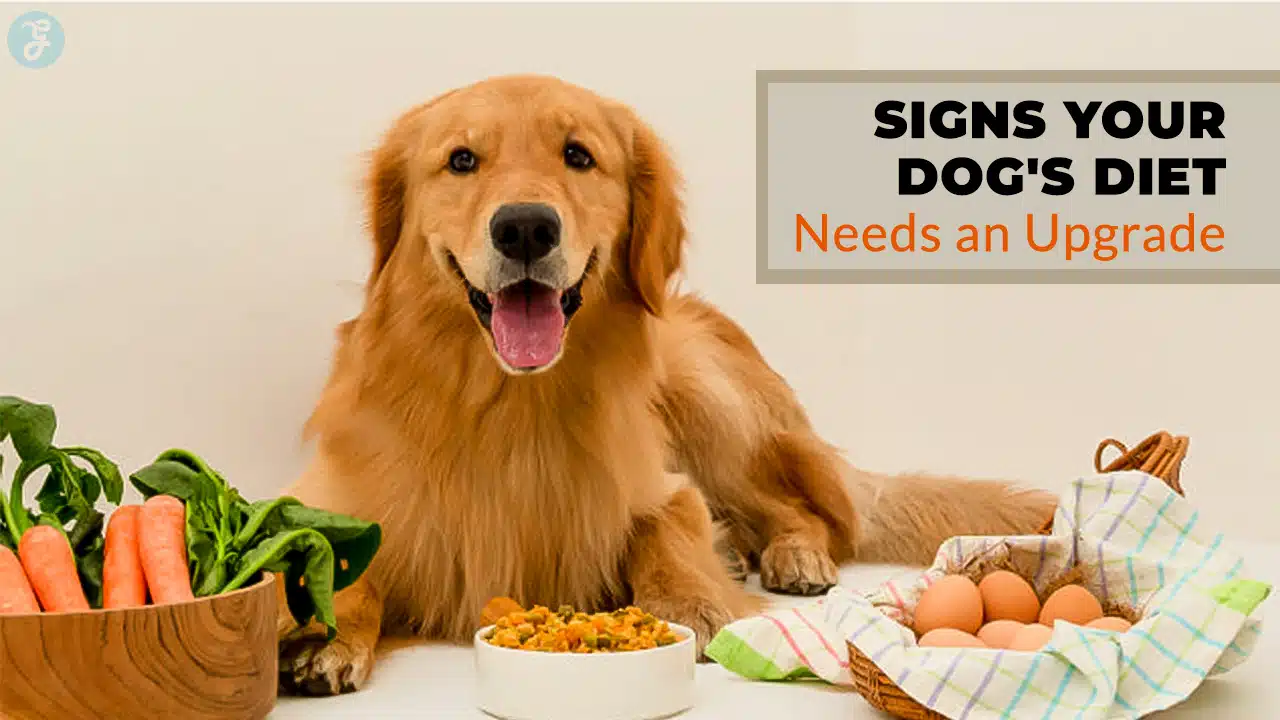
Your dog feels tired on walks. His fur looks dry and rough. You serve the same pet food day after day. You wonder if food holds him back.
Poor nutrition can spark skin woes and low energy. One report links bad meals to dull coats. This post spots 12 red flags in your pup’s diet. It lists dietary changes, feeding guidelines, and tips on ingredient quality.
It shows when to call a vet. Keep reading.
Key Takeaways
- Watch your dog’s coat and skin. A dull or brittle coat, like Ziggy’s before he ate more omega-3s and zinc, shows low key oils. Adding marine oil, biotin, and fresh meat can restore shine in weeks.
- Note itching or scaly patches. Flea bites make about 40% of dogs scratch hard. Poor fats in food weaken the skin barrier. A hydrolyzed protein trial plus biotin, zinc, and vitamin E can stop the itch.
- Track energy, weight, and digestion. Naps and low energy may mean anemia or thyroid trouble. Sudden weight gain or loss can link to fillers, parasites, or Cushing’s. Soft stool, gas, or vomiting often follow cheap food or quick diet swaps. Use a food log, a vet exam, and simple tests to find the cause.
- Care for teeth and hydration. By age 3, 80% of dogs show dental disease, so brush twice a week and offer dental chews. Dogs with diabetes may drink 5× more water and pee 10× a day. Balanced meals and vet-approved chews help keep teeth and thirst in check.
- Watch appetite and allergy signs. Loss of appetite can come from dental pain or stress; wet food and food puzzles can help. Red bumps, ear rubbing, or paw licking point to allergies. Try an elimination diet, follow feeding guidelines, and ask a vet for tests.
Why does my dog have a dull or brittle coat?
Poor nutrition turns a once-lustrous coat into a mat of dry straw. His fur looked as dull as yesterday’s toast. I met a pup named Ziggy whose old food lacked key oils and vitamins.
Dietary changes that add omega-3 fatty acids and zinc revive each broken hair. Marine oil, biotin mix, and fresh meat raised shine within weeks.
Many brands hide low-quality ingredients behind glossy labels. Reading feeding guidelines helps spot recycles like grain or unnamed meals. Adding a vet-grade skin and coat boost once daily can flip fur back to silk.
Experts use the Canine Nutrition Calculator to track nutrient gaps. You can log coat checks after each meal tweak.
What causes persistent itching or skin problems in dogs?
Scaly patches can drive your dog nuts. Flea bites trigger furious scratching in almost 40 percent of pet pooches. Indoor mite allergies can also inflame skin, and pollen can add to itching.
A trip to the veterinary clinic can lead to a quick skin scrape or hair pluck. Allergen testing can point out environmental triggers. Yeast overgrowth and staph infections can break the skin barrier and ramp up irritation.
Deficient fats in the diet can weaken that barrier fast. Dogs need fish oil or plant-based oil for healthy coats. Lack of these nutrients can cause dry, itchy spots all over the body.
A diet diary helps you track each meal and spot troublemakers. A hydrolyzed protein food trial can catch hidden food intolerances. A blend of biotin, zinc, and vitamin E can speed healing.
Why is my dog lethargic or low on energy?
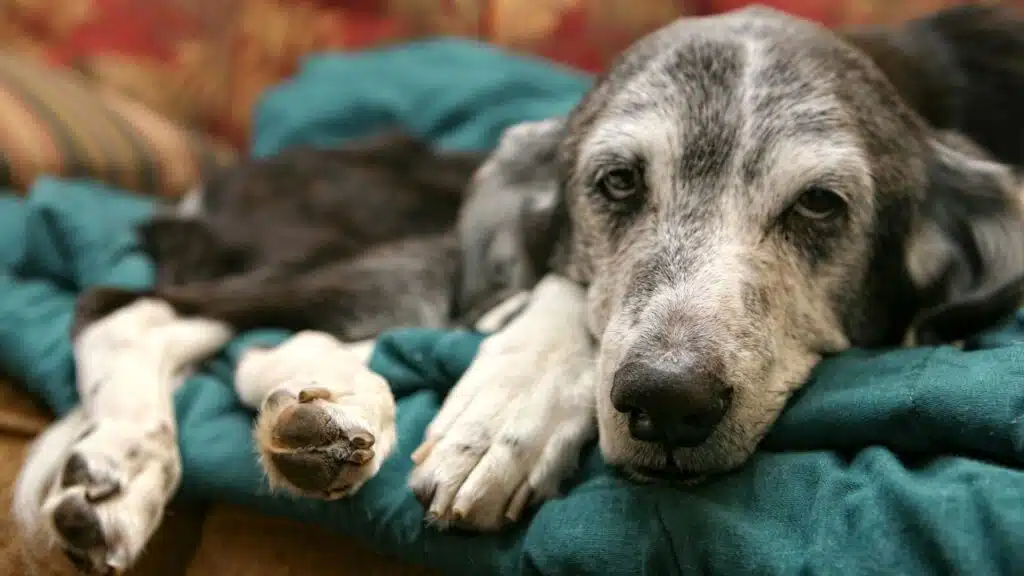
A pup that naps more often warns you about low energy. Poor nutrition can cause anemia or a sluggish thyroid, draining vigor. Food allergies hide in low-grade pet food, waging a silent attack on health.
Even a mild infection can stop a retriever in its tracks, and heart issues can hide behind wagging tails.
Grab a fitness tracker or jot meals in a simple food log to spot odd trends. Book a vet exam, request a blood test and a thyroid panel for clear veterinary advice. Swap to high-quality protein, cut fillers, follow feeding guidelines on the label, and add short walks to reignite a pup’s spark.
What leads to sudden weight gain or loss in dogs?
The scale jumps up by pounds in days. Dogs gain fat on cheap pet food with fillers. Random dietary changes wreck weight management. An underactive thyroid slows the metabolism. Cushing’s disease triggers fluid retention too.
A veterinarian uses a body condition chart and blood tests to spot issues.
Quick weight loss can point to parasites, diabetes or cancer. Dogs with dental pain may skip meals. A sudden drop hints that dogs struggle to absorb nutrients. A change in feeding guidelines can restore nutrition balance.
Food allergies can block nutrient uptake and cause weight loss. A veterinarian might run stool exams or perform an ultrasound. They check blood glucose. Early veterinary advice cuts health risks and vet bills.
Why does my dog have frequent digestive issues?
Your dog’s belly can act up for many reasons. A sudden food change can upset their gut. Cheap pet food often hides fillers that clog digestive pipes. A fast food rush in the gut can cause soft stool or gas.
Stress, like loud storms or a new groomer visit, can spark tummy tantrums. Parasites, such as worms, can sneak in too, they feed off your dog and stir trouble. Vomiting or diarrhea can leave pups feeling low and tails drooped.
A small cup of plain pumpkin can firm stools fast. Fiber supplements work like a broom in the gut. Probiotic powders flood tummies with good bacteria. Slow food swaps over ten days cut shock.
Four small meals beat big binges and calm bellies. Skip spicy scraps and fatty snacks, they fan the flames. Use veterinary advice and feeding guidelines to spot deeper nutrition problems.
What causes excessive shedding in dogs?
Low-quality pet food often lacks essential nutrition. It harms canine health, making fur dry and follicles weak. A poor mix of proteins, fats, and vitamins makes fur brittle. Dogs then shed loose hairs across floors.
Allergies toss dogs into a scratch-fur cycle. Dust mites, pollen, or certain proteins spark reactions. Fleas or mites irritate skin, and they trigger extra shedding. Hormone imbalances, such as thyroid issues, drive hair loss.
Seek veterinary advice for tests, feeding guidelines, and dietary changes. Use a dog brush or vacuum cleaner to trap loose fur.
What does unusual stool or bowel movements indicate in dogs?
Changing a bag of kibble can flip a dog’s gut in hours. Soft, runny stool waves a red flag for food allergies, sudden diet shifts, or skimpy fiber. Pebble like poop points to dehydration or slumping nutrition.
Boost whole foods or check food quality to restore balance.
Blood streaks or tar like dark stool often mean bleeding in the gut. White specks or tiny worms hint at parasites, use a simple fecal test kit at home. Pair that with a stool chart to gauge severity.
Then lean on veterinary advice for fresh ingredients and solid feeding guidelines.
Why does my dog have bad breath or dental problems?
Plaque builds up as bacteria mix with leftover food in the mouth. It sticks to teeth and irritates gums, causing bad breath and pain. At age three, eighty percent of dogs show dental disease.
Small breeds face higher risk due to crowded teeth.
Use a canine brush twice a week. Add dental chew devices at meal time. Pour vet approved water additive into the bowl. Pick pet food with balanced nutrition, quality ingredients and proper feeding guidelines.
Ask for veterinary advice for scale and polish if breath worsens.
What causes increased thirst or urination in dogs?
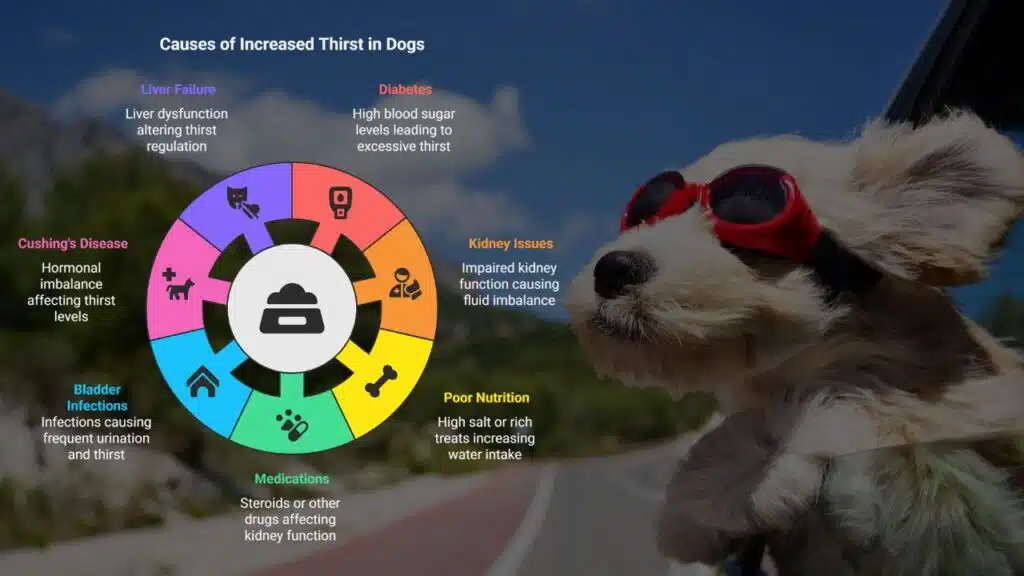
Excessive thirst can signal trouble, like diabetes or kidney issues. Many dogs with diabetes drink five times more water and pee ten times a day. Poor nutrition, like high salt diets or rich treats, can drive hounds to chug extra water.
Urinalysis and blood sugar tests help catch glucose spikes. Dog owners often spot empty bowls by noon.
Certain medicines, like steroid shots, push kidneys to flush fluids, and bladder infections spark urgent trips outside like a faucet that won’t stop. Cushing’s disease and liver failure also shift thirst levels.
Vets run kidney tests, imaging scans, and use sugar monitors to pinpoint the root cause.
Why has my dog lost appetite or become picky about food?
Illness or stomach upset can curb hunger. Dental pain might make chewing too tough. Sudden stress, like a new home, can shift feeding patterns. Organ issues, like kidney or liver disease, can dull taste response.
Dogs may also reject stale kibble. Offer fresh pet food with top ingredients, such as lean protein or omega-3 oil. Use slow feeder bowls or food puzzles to spark interest.
Senior dogs lose taste buds, so bland diets seem dull. Switching to soft wet food can spark appetite. Sprinkle probiotics or digestive enzymes on meals to aid digestion. Follow feeding guidelines and track portions with a digital feeding scale.
Seek veterinary advice if appetite loss lasts more than two days, to catch hidden health problems early.
What are the visible signs of allergies in dogs?
Dogs often scratch at paws till fur thins. Some develop red bumps or scabs on belly and ears. Hives might flit across chest or back. They may shake their head or rub an ear on the floor.
Such signs point to allergies, like itch, rash or watery eyes.
A veterinary dermatologist can run an ELISA blood test or an intradermal skin test to spot culprits. A food trial with raw ingredients helps nail down dietary reactions. Swap to high grade pet food and follow feeding guidelines.
Try an elimination diet to drop suspect proteins. This sharp move supports canine health and cuts itching fast.
Takeaways
Your dog can feel better when you tweak its diet. Notice a dull coat, low energy, or tummy troubles and act. Chat with a veterinarian about food swaps and feeding plans. Use a scale and measuring cup to track each portion.
Pick kibble rich in omega fatty acids, fiber, probiotics. Watch your pup bounce back with bright eyes and quick tail wags.
FAQs
1. How do I spot that my dog’s diet needs an upgrade?
Your dog’s coat looks dull and dry. Energy dips, belly gurgles or soft stool also show poor nutrition. These are clear signs.
2. What should I do if my dog shows allergy signs like itchy skin or poor coat?
Itchy paws or flaky skin often point to food allergies. Talk with your vet, swap to a limited ingredient food. Add a dash of fish oil for healthy skin.
3. How can I switch my dog’s food without upsetting digestion?
Begin with one spoon new food and three spoons old. Add more new food each day until it’s all new. A slow swap stops upset stomachs.
4. Will better nutrition boost my dog’s energy and healthy weight?
Yes, food with real meat feeds energy. Vitamins and protein build lean muscles. Think of food as fuel for a long road trip. Better meals keep your dog eager to run circles around you.