Detecting hidden water leaks is essential for maintaining the integrity of properties and preventing water wastage. These elusive leaks can silently wreak havoc on buildings, leading to structural damage and increased utility bills. Common causes of hidden water leaks include corroded pipes, faulty plumbing joints, and unnoticed damage resulting from temperature fluctuations. Such leaks, if undetected, can cause significant harm, including mould growth, foundational weakening, and undermined property aesthetics.
Detecting these leaks efficiently requires specialised knowledge and the right tools—a task best left to the experts. Professionals in the field employ a variety of techniques and advanced methodologies to identify leaks with precision. This article delves into these expert methods, highlights the role of technology in leak detection, and compares professional interventions with do-it-yourself (DIY) approaches. Let’s explore how expert techniques can safeguard your property from the hidden threat of water leaks.
Understanding the Warning Signs of Hidden Water Leaks
One of the first steps in detecting a hidden water leak is recognising the common warning signs. Most property owners may first notice damp spots on walls, ceilings, or floors—an immediate indication of potential leakage. Additionally, unusual sounds, such as the constant noise of running water when none is being used, can signal a hidden leak. Musty odours are another red flag, often hinting at moisture accumulation and possible mould growth, which can pose health risks.
Changes in water pressure often serve as another critical indicator. When a leak is present, you might experience reduced water pressure in taps and showers, indicating that water isn’t reaching the fixtures as efficiently as it should. An inexplicable spike in the water bill is also a telling sign. If your bill increases without any apparent change in consumption, a hidden leak could be to blame, and it’s time to call in the experts.
Professionals use these signs to deduce potential leak locations with impressive accuracy. Their training allows them to interpret these subtle indicators effectively, aiding in swift and precise identification. Given the complexity of water systems, the expertise of professionals is invaluable in accurately assessing these signs and determining their origins, ensuring that property owners address the underlying issues before they escalate.
Utilising Advanced Technology for Leak Detection
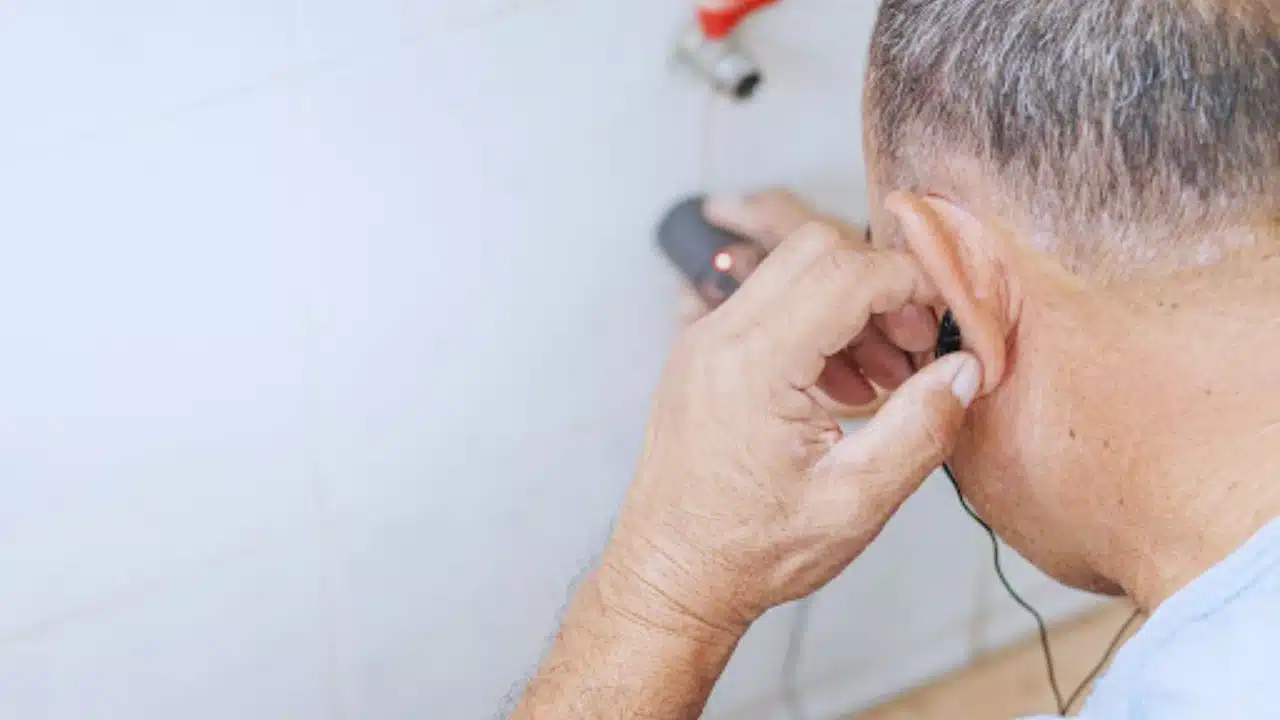
Modern technology plays an indispensable role in the accurate detection of hidden water leaks. Acoustic listening devices are among the most effective tools in the professional’s arsenal, capable of pinpointing leak locations by detecting the distinct sounds of escaping water. These devices, combined with expert knowledge, can successfully identify the source of leaks even when they are out of sight.
Thermal imaging cameras offer another layer of sophistication, enabling professionals to spot leaks behind walls without causing invasive damage. By detecting temperature variations caused by water ingress, these cameras highlight areas where water might be leaking, allowing experts to zero in on the affected zones.
Moisture metres are employed to measure the level of moisture in building materials. These devices are particularly useful for detecting water accumulation in hidden areas and are crucial in confirming whether a suspected leak is present. When combined with visual inspections, moisture metres offer a comprehensive understanding of how water is affecting the property’s structure.
The integration of these technologies allows professionals to assess leaks comprehensively. By using a combination of tools, experts can gather a full picture of the leak situation, ensuring that no stone is left unturned in the detection process. Their ability to leverage these technologies makes them indispensable in safeguarding properties against the damage of hidden water leaks.
Importance of Regular Plumbing Inspections
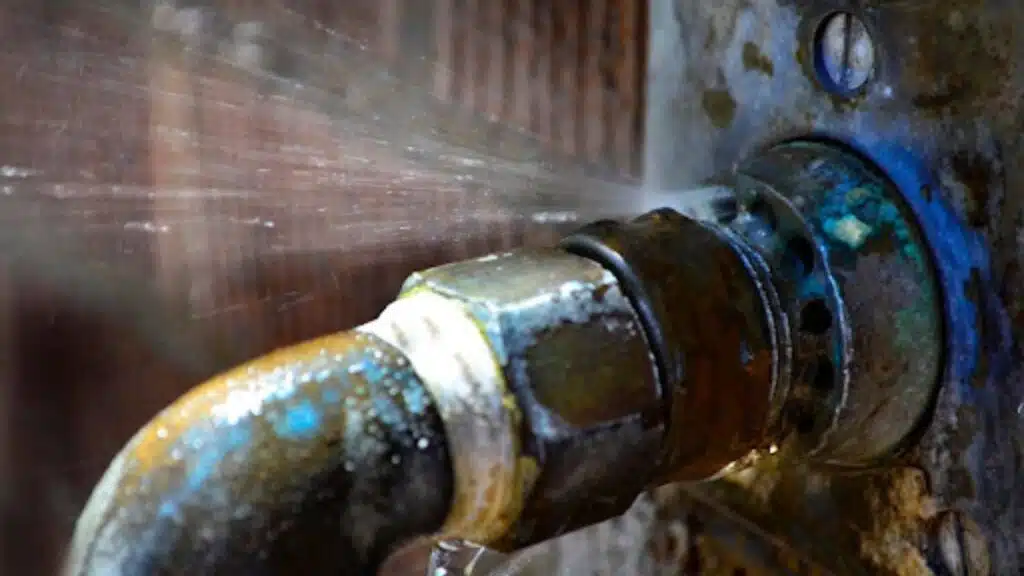
Scheduled plumbing inspections by licensed plumbers offer numerous benefits for property owners. Regular checks ensure that any potential issues are identified early, preventing minor problems from snowballing into costly repairs down the line. This proactive approach can save homeowners significant amounts in repair costs, avoiding the need for major overhauls following undetected leaks.
Experts conduct a thorough examination during inspections, looking for signs that laypersons might easily overlook. They evaluate pipes for signs of corrosion, inspect plumbing joints, and check water flow rates to ensure that everything is functioning optimally. These inspections also involve checking hidden areas that aren’t part of regular cleaning or maintenance routines, such as behind large appliances or inside utility closets.
By addressing problems during their early stages, regular inspections can prevent major leaks from developing. This upstream approach not only protects the property but also contributes to more sustainable water usage. Catching potential issues early means repairs can be done in a more controlled, less urgent manner, reducing both the financial and environmental cost of wasted water.
The cost-saving benefits of early leak detection are clear. Reactive repairs, performed after significant damage has happened, can be far more expensive and time-consuming than routine maintenance. By investing in regular inspections, property owners not only preserve their buildings but also ensure peace of mind, knowing that the risk of hidden water leaks is being effectively managed by qualified professionals.
DIY Methods vs. Expert Intervention
When it comes to leak detection, property owners might be tempted to try DIY methods before seeking professional help. DIY approaches can indeed be less costly upfront and seem quite manageable with all the online guides available. Simple techniques, such as checking for visible leaks or using food colouring to identify toilet leaks, are often recommended. However, these methods have their limitations, especially for hidden leaks.
Professional methodologies outperform DIY approaches in terms of efficiency and precision. Experts have access to specialised equipment and the necessary expertise to interpret the data these tools provide. Without this knowledge and experience, even the best DIY efforts can fall short, potentially missing critical signs or misidentifying the leak’s source, leading to ineffective repairs.
Attempting leak detection without proper expertise carries inherent risks. A misjudged location might result in unnecessary demolition, or worse, fail to rectify the underlying issue, allowing damage to progress unnoticed. Additionally, incorrect handling can exacerbate existing issues, transforming a small leak into a major problem. To ensure effective and comprehensive leak management, professional intervention is crucial.
Even if a DIY method seems to succeed, there are scenarios where professional intervention remains necessary. Without proper assessment, underlying issues may not be addressed, causing the problem to recur or worsen over time. Furthermore, experts can offer advice on strengthening plumbing systems to prevent future leaks, a level of insight that DIY efforts simply cannot match.
Looking Ahead: Prioritising Proactive Leak Management
In the grand scheme of property preservation, the detection and management of hidden water leaks cannot be overstated. Expert intervention is necessary to efficiently and accurately identify these insidious leaks, utilising a combination of technical expertise and state-of-the-art equipment. Technology, such as thermal cameras and acoustic devices, plays a pivotal role in preventing the costly ramifications of unchecked leaks. Regular inspections complement this technology, offering a proactive approach to preventing leaks before they escalate into major issues.
For homeowners and property managers alike, the importance of hiring professionals for water leak management should be a priority. Don’t miss these water leak clues and assume all is well. By choosing to engage expert services, property owners ensure their buildings are fortified against the hidden threats posed by water leaks. These steps not only protect against structural damage but also contribute to a sustainable use of our precious water resources.
Ultimately, investing in expert leak detection and management services provides peace of mind and a tangible return on investment, reinforcing the importance of professional expertise in maintaining safe and efficient living and working environments.