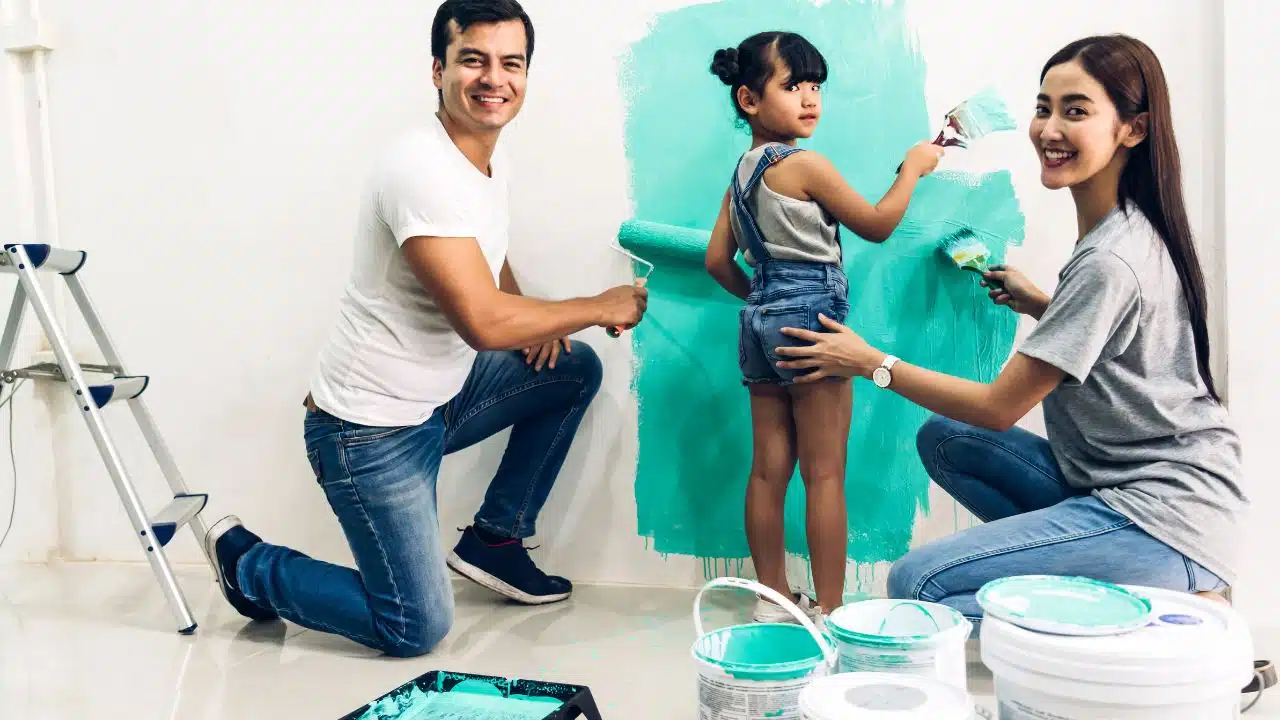
Paint is one of the most accessible and transformative tools in home styling. While most people think of painting as a simple way to refresh wall color, its potential reaches far beyond that.
When used creatively, paint can define spaces, breathe new life into old furniture, and even improve the function of a home. This article explores how to use paint in innovative ways that blend style and practicality.
To give you the most reliable advice, we asked the experts at Advanced Painting Pty Ltd for their insights into this topic, and here’s what they shared with us.
Why Paint Is More Than Just Color on the Walls
Paint isn’t just about changing a room’s color – it’s about transforming how the space works and feels.
Whether you’re enhancing natural light, creating zones in an open layout, or simply adding personality to an overlooked corner, the thoughtful use of paint can bring design and utility together in unexpected ways.
The Emotional and Practical Power of Color
Color plays a vital role in how we experience a space. Warm tones can make a room feel cozy and intimate, while cool tones promote calm and focus.
Beyond aesthetics, certain paint choices can affect lighting, spatial perception, and even productivity. For example, soft blues and greens are ideal for workspaces, helping reduce stress and enhance concentration.
Creating Visual Flow and Functionality
Strategic use of color can help guide movement through a space or distinguish areas within an open floor plan. For example, by using contrasting or complementary colors, homeowners can subtly create boundaries between a kitchen, dining area, and lounge, even if no walls exist between them.
Paint also helps unify disconnected rooms by creating a cohesive visual flow from one area to another.
Creative Uses of Paint in Unexpected Places
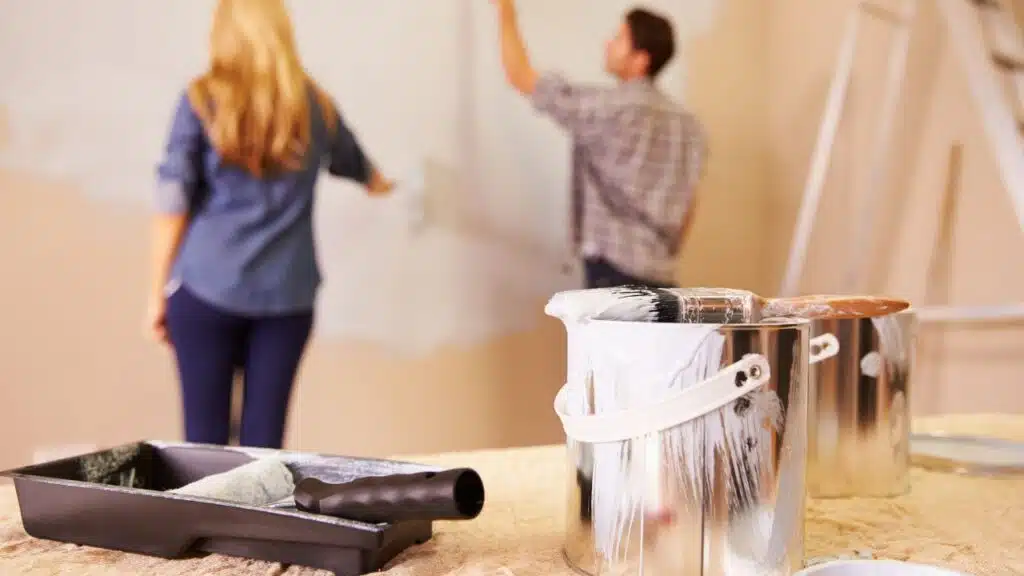
While most homeowners focus on painting walls, there’s so much more that paint can do. Ceilings, floors, furniture, and even fixtures offer opportunities to be creative and practical at the same time. These unconventional surfaces can turn a room from basic to bold.
1. Painted Ceilings: The Fifth Wall
Often overlooked, the ceiling offers a canvas for expression. Painting ceilings in a different colour to the walls can draw the eye upward, making a room feel taller or more cohesive.
How to Choose the Right Ceiling Color
Light shades like soft whites or pastels can make a room feel airier, while darker hues like navy or charcoal add drama and intimacy. In rooms with ample natural light, bold ceiling colors can become a striking design feature without overwhelming the space.
When to Go Bold vs. Subtle
For smaller rooms or those with lower ceilings, subtle tones often work best. In larger rooms or creative spaces like studios or kids’ playrooms, bold colors or even patterns can add character and charm.
2. Painted Floors and Stairs
Though less common, painted floors are a powerful design statement, especially in older homes or high-traffic areas.
Durability and Paint Types
Floor and stair paints need to withstand constant wear and tear. Epoxy-based or specialized floor paints provide durability and resistance to scuffing, moisture, and fading.
Design Ideas: Stripes, Patterns, and Borders
Simple stripes or checkerboard patterns add personality to floors. Painted stair risers with alternating colors or motifs can turn a plain staircase into an eye-catching feature.
3. Furniture Makeovers with Paint
Revamping old furniture with paint is a budget-friendly way to refresh a space.
Turning Old into New with Chalk or Milk Paint
Chalk and milk paints offer a matte, vintage finish that works beautifully on wood furniture. These paints often require minimal prep, making them ideal for quick DIY transformations.
Color Blocking for a Modern Twist
For a contemporary look, try color blocking – painting furniture in bold, geometric sections. A desk with contrasting drawer fronts or a bookshelf with a painted back panel adds flair without being fussy.
4. Functional Wall Art and Murals
Paint can also double as functional decor, especially in homes where every inch counts.
Creating Zones in Open Spaces
Murals or painted shapes like arches and panels help define different areas in open-plan layouts. A circular motif behind a dining table or a painted rectangle above a bed can create a sense of intentionality and structure.
DIY Chalkboard and Whiteboard Walls
Chalkboard and whiteboard paints transform surfaces into writable areas, perfect for home offices, kitchens, or kids’ rooms. These functional features add personality while serving a real need.
Small Details, Big Impact: Accents and Trim

It’s not always about large surfaces. Sometimes the most memorable touches come from the smallest details. Painting trims, doors, and fixtures adds layers of character and helps tie the whole space together.
Painting Door Frames, Window Casings, and Baseboards
Instead of defaulting to white, consider painting trims in complementary or contrasting colors. This can tie together elements in the room or highlight architectural features.
Accent Doors: Making an Entrance Statement
A painted front door or interior door adds instant curb appeal and visual interest. Colors like teal, mustard, or deep red offer a warm welcome and a memorable touch.
Radiators, Pipes, and Other Paintable Fixtures
Rather than hiding fixtures, make them part of the design. Painting radiators, exposed pipes, or vent covers in matching or accent colors helps integrate them into the room’s aesthetic.
Smart Paint Choices for Function and Style
Choosing the right paint isn’t just about the color – it’s also about finish, formulation, and environmental impact. Thoughtful decisions here can improve your home’s health and longevity.
Low-VOC and Eco-Friendly Paints
As health and sustainability become more important, low-VOC and eco-friendly paints are gaining popularity. These options emit fewer harmful chemicals and are safer for both the environment and those living in the home.
Matte vs. Gloss: Where to Use Each Finish
Glossy finishes are durable and easy to clean, making them ideal for kitchens, bathrooms, and trims. Matte paints offer a softer look but may show scuffs more easily. Choosing the right finish for each room balances beauty with practicality.
Painting for Purpose: Design That Works Hard
Function and form can coexist beautifully. Using paint as a design tool means thinking about how it can support daily living, not just how it looks.
Using Color to Define Function in Multipurpose Rooms
In spaces that serve multiple functions, like a guest bedroom/home office, paint can help separate uses. A different color block behind a desk or bed visually divides the space, making it feel more organized and intentional.
Paint as a Tool for Light Manipulation and Space Perception
Lighter tones reflect natural light, making small or dark spaces feel bigger and brighter. Conversely, darker colors can cozy up large, impersonal rooms and add depth to flat surfaces.
Where to Start: Planning Your Functional Paint Project

Before picking up a brush, take time to plan. A successful paint project starts with clarity about goals, materials, and the level of expertise required.
Budgeting and Material Lists
Begin with a clear plan that includes a materials list, color palette, and budget. Factor in costs for prep supplies, brushes, drop cloths, and the right type of paint for each surface.
Choosing the Right Professionals for High-Impact Results
While many paint projects are DIY‑friendly, some jobs require expert hands.
For large-scale transformations or specialty finishes, working with professional painting services ensures durability and a polished look. A professional’s insight can also help avoid common mistakes and save time in the long run.
Takeaways
Paint is one of the most powerful tools in home design, capable of more than just changing the color of a wall.
From ceilings and floors to furniture and trim, creative use of paint enhances both form and function.
Whether you’re working with a tight budget or planning a full makeover, thoughtful paint choices can redefine your space with personality and purpose.