
Do you crave video game soundtracks that still slap but find only flat beats on your playlist? You save a song, then it feels empty. Fun fact, Undertale’s soundtrack blends chiptune loops and live strings, so its melodies stick in your head.
This guide will list ten classic game music scores that still hit hard. We cover Chrono Trigger by Yasunori Mitsuda, Final Fantasy VI by Nobuo Uematsu, Streets of Rage 2 by Yuzo Koshiro, Mega Man 2, Silent Hill 2 by Akira Yamaoka, and more.
You will learn which tracks to add and where to stream them. Press play.
Key Takeaways
- Chrono Trigger (1995) by Yasunori Mitsuda on the SNES used the console’s sound chip and a mournful flute in Frog’s Theme to set a new standard for RPG music.
- Sonic the Hedgehog 3 (1994) by Masato Nakamura mixed catchy FM synthesis melodies in Green Hill Zone on the Sega Genesis, shaping 1990s game music.
- Doom (1993) by Bobby Prince merged heavy metal riffs and electronic beats on early PCs, redefining FPS soundtracks with its adrenaline-pumping main theme.
- Streets of Rage 2 (1992) by Yuzo Koshiro and Motohiro Kawashima on the Genesis delivered progressive dance and techno beats, pushing the console’s audio chip for fuller bass and sharper highs.
- Undertale (2015) by Toby Fox blends nostalgic chiptune loops with sharp orchestral samples in tracks like Hopes and Dreams, proving a small indie score can leave a lasting impact.
Chrono Trigger (1995)
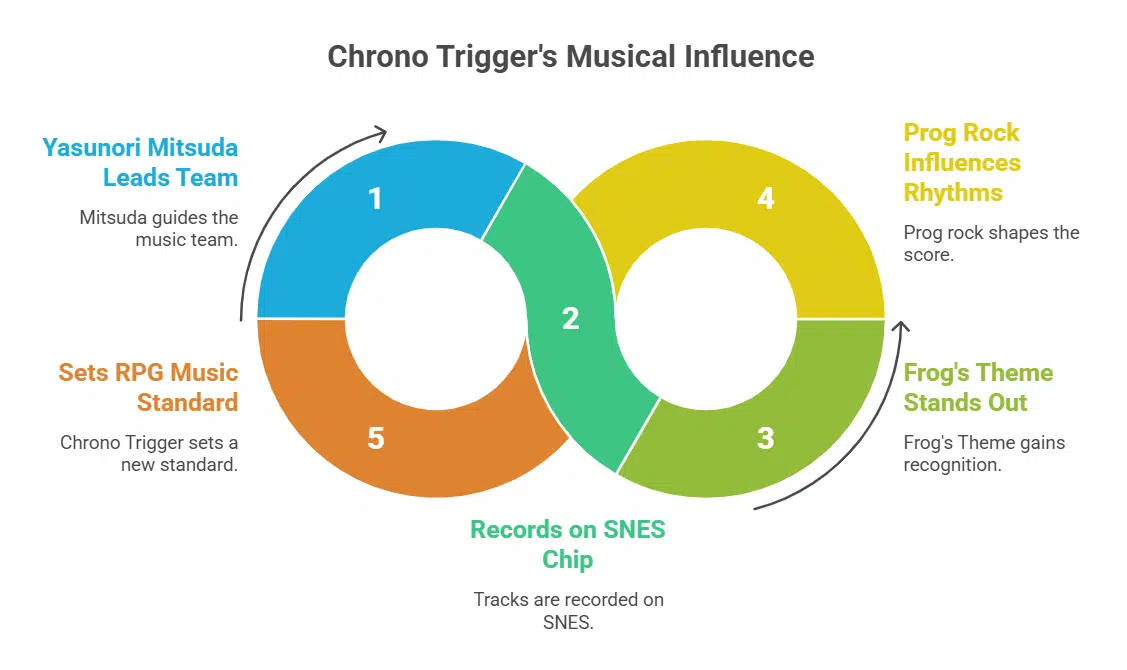
Yasunori Mitsuda led the music team on Chrono Trigger. He recorded tracks on a Super Nintendo Entertainment System sound chip. Frog’s Theme stands out with its mournful flute lines.
Prog rock shaped many rhythms in the score. Chrono Trigger ranks high among video game soundtracks. It set a bar for all RPG video game music.
Sonic the Hedgehog 3 (1994)
Masato Nakamura wrote the energetic tunes on Sonic the Hedgehog 3. He mixed catchy melodies with FM synthesis. Green Hill Zone stands out. Sega Genesis fans still hum its theme. The soundtrack set a standard for 1990s video game soundtracks.
The music boosts gameplay and sparks adventure. It shaped future video game composers. Modern video game music still echoes its style. Sonic 3 holds its place as a landmark in game audio.
Doom (1993)
Doom (1993) hits with a heavy metal pulse that grabs attention fast. Bobby Prince at the studio merged metal riffs and electronic beats into a killer score. The main theme slaps so hard that it still echoes in today’s video game music scenes.
Fans rank this soundtrack among classic video game soundtracks.
Players heard these tracks play on early PCs and felt a rush of adrenaline each time they loaded a level. The soundtrack set a new mark for FPS music and showcased the tech of its time.
Many modern composers nod to Doom’s energy when they craft horror soundtracks.
Streets of Rage 2 (1992)
Streets of Rage 2 hit arcades in 1992 and brought bold tunes to the Sega Genesis. Yuzo Koshiro and Motohiro Kawashima scored its progressive dance tracks and techno beats. Players still hum the bass lines in video game music forums.
The console shook with each punch and kick thanks to its thumping soundtrack.
Fans call this piece a high point in video game soundtracks. Synth flourishes from Kawashima gave each fight a pulse. Programmers tested the audio chip to unlock fuller bass and sharper highs.
Critics still cite Koshiro and Kawashima as top video game composers.
Final Fantasy VI (1994)
Final Fantasy VI hit stores in 1994. Square used the SNES sound chip and an SPC700 processor. Nobuo Uematsu scored every theme. He penned Omen and the 17-minute track Dancing Mad.
The soundtrack blends chiptune beats with orchestral flair. Strings soar in Liberi Fatali and synth drums pound in Active Time Battle. Many video game composers cite this work as a key influence.
Fans still hail it as a top video game soundtrack.
The Legend of Zelda: Ocarina of Time (1998)
Koji Kondo wrote the score for Ocarina of Time on a console system. He built iconic themes like Zelda’s Lullaby, melodic spells you hum on a long drive. Hyrule Field grew huge with bold horns, it gave open world play more life.
The audio engine stitched sampled drums and strings into loops that track every move, it made video game soundtracks feel grand.
Fans call this instalment in the legend of zelda series a high point. Orchestras play Hyrule Field in grand halls. Musicians stream metal versions of video game music, like Zelda’s Lullaby, online.
Video game composers today cite Koji’s work as a major influence. Sound design shines in every corner of Hyrule, it feels alive.
Donkey Kong Country 2: Diddy’s Kong Quest (1995)
David Wise crafted the score for Donkey Kong Country 2: Diddy’s Kong Quest in 1995. He used the Super Nintendo sound chip to layer each note. This work raised the bar for video game music with its bold beats and lush loops.
Primal Rave kicks off at a sprint, it twists with jungle horns. Bramble Blast moves at a slower pace, but it still grooves with bright percussion lines. Fans still hum these tunes decades later and cite them among the best video game soundtracks.
Mega Man 2 (1989)
1989’s Mega Man II set a high bar for video game music. Takashi Tateishi wrote upbeat tunes for the 8-bit audio chip. He fused melody with pulse. Players still hum these tracks years later.
This title stands as one of the best video game soundtracks ever made.
“Dr. Wily’s Castle” hits hard with fast beats. “Metal Man” boasts a steel bright riff. The energy heightens gameplay and immersion. Many video game composers cite its catchy hooks as a big influence.
Gamers still drop these melodies in remix sets.
Undertale (2015)
Toby Fox joined top video game composers when he scored Undertale in 2015. He fused nostalgic bleeps with sharp orchestral samples, crafting playful melodies. He layered tracks in a digital audio workstation to boost depth.
He uses leitmotif to tag characters, stirring feelings in each theme. This work ranks high on video game soundtracks lists.
Boss fights pack a punch with tracks that shift mood in an instant. Certain tracks like Hopes and Dreams blend chiptune roots with epic swells. The result feels like a rollercoaster for the ears.
Fans still hum these tunes years later, proof of strong video game music. Fox proved how a small score can hit mighty.
Silent Hill 2 (2001)
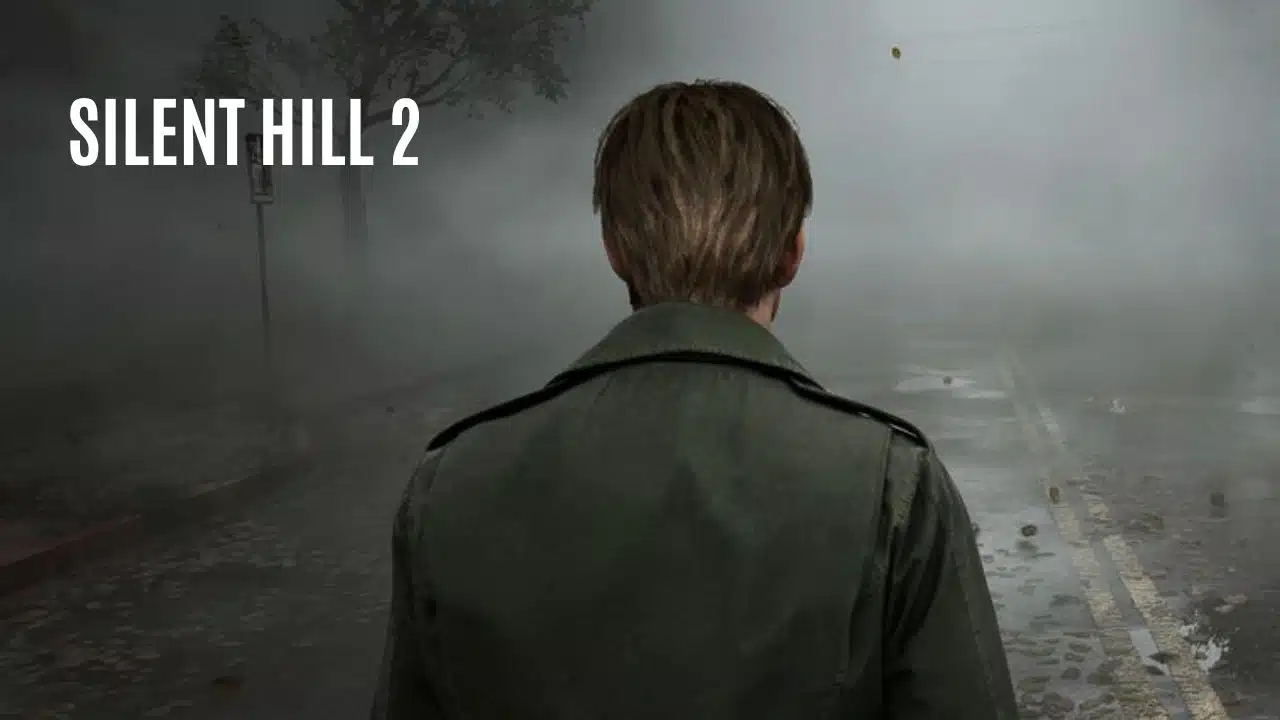
Composer Akira Yamaoka scored Silent Hill 2 in 2001. Yamaoka fused harsh noises with mournful keyboard tones. Haunting piano echoes heighten the dread. Trip-hop beats pulse under distant whispers.
The soundtrack drives chills and dread throughout the story.
Game designers used this audio to deepen psychological horror and emotional depth. Players hear each note as tension hangs over foggy streets. Critics hail this soundscape for its impact on video game soundtracks.
It set a new standard for narrative immersion.
Super Mario Galaxy (2007)
Super Mario Galaxy (2007) offers a soundtrack packed with orchestral elements. It immerses players in a space exploration saga. Mahito Yokota and Koji Kondo wrote new tunes and reworked classic Mario themes.
They mixed strings, brass and woodwinds for a lush feel. Orchestration shines through each cue. A full orchestra carries the whimsy of each level. The music evokes joy and wonder as you drift between stars.
Video game music hit a milestone with this score. You can hear the shift from chips and beeps to live instruments. Every track adds depth and charm to gameplay.
Some fans still hum the main theme years later. Percussion and piano blend in upbeat cosmic jams. Each tune boosts the whimsical tone of the game. Critics praised how the full orchestra raised the bar for video game soundtracks.
Players call this work a turning point in game audio. Video game composers took note of this lively, orchestral score. Folks tap their toes along with the starlit melodies.
Takeaway
Each tune slaps because it drives the game vibe. Melody and rhythm blend in perfect harmony. Sound design fills levels with life. Chord changes match the mood. MIDI sequencers and tracker software gave teams sharp control.
Sampling and orchestration expanded the sonic palette. Soundtrack layering adds depth to scenes. Fans still tap their feet to these beats. They prove how strong video game soundtracks can be.
FAQs on Classic Game Soundtracks
1. What makes these 10 classic game soundtracks still slap?
They mix big beats, catchy hooks, and raw soul. The Chrono Trigger mastermind spins epic tales in music. The Streets of Rage composer lays down dance floor jams. The Secret of Mana musician weaves lush soundscapes. Each track sticks in your mind like gum on a shoe.
2. Who are the top video game composers on this list?
This list has video game composers like the Streets of Rage composer, the Final Fantasy maestro, the Donkey Kong Country craftsman, the Silent Hill arranger, the Journey composer, the Elder Scrolls bard, the Monkey Island composer, the Undertale creator, the Hades scorer, and the Castlevania musician. They shaped what video game music can be.
3. Which games make the cut?
The top ten include Chrono Trigger, Streets of Rage, Streets of Rage 2, Mega Man II, Secret of Mana, Super Metroid, Symphony of the Night, Crypt of the Necrodancer, Final Fantasy VIII, and Brütal Legend.
4. Where can I read more about these picks?
Head over to PCMag.com, they break down each score with smart insights. You can stream most tracks on Spotify or find fan videos on YouTube.
5. What about modern spins like Final Fantasy XV or Cadence of Hyrule?
Final Fantasy XV still hits hard on road trips. Cadence of Hyrule blends old school Zelda riffs with bounce. Both keep you moving, even when you’re low on health.
6. Do any tracks nod to metal bands or fighting games?
Yes, Brütal Legend from Double Fine Productions gives metal bands center stage. You also get a tight fighting game tune that packs a punch, like a glove drop in round one.