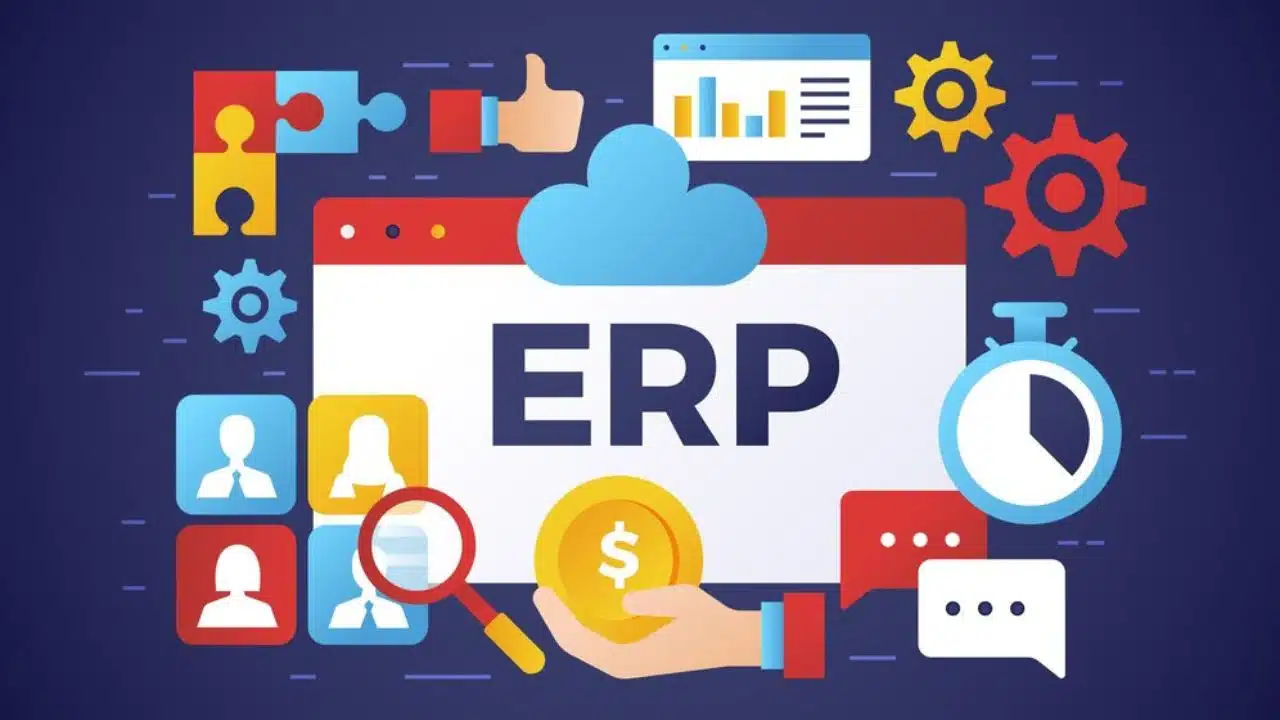
Enterprise Resource Planning systems, widely used in business management and information technology, have revolutionized various business processes through their user-friendly software applications. Most businesses nowadays use some form of ERP system to streamline operations, manage resources efficiently, and improve overall productivity. A single, centralized platform can connect and streamline the work in several departments like finance, HR, supply chain management, and CRM.
If you are thinking about implementing one at your company, you have a wide range of options to choose from and may feel overwhelmed by the task. Do not worry, though.
The Importance of Selecting the Right ERP System
Whenever you choose anything for your business, be it a part of your IT infrastructure, new office equipment, or tool, it is important to approach the decision carefully and thoughtfully. Even the best software can not guarantee success if it does not align with your specific business needs, goals, and expectations.
For example, if you operate in the banking field, you might benefit from the help of a financial software development services provider. It is better to find a customized solution rather than opt for a one-size-fits-all approach. One designed specifically for your niche will be more effective and efficient in meeting your unique requirements and maximizing your business potential. Additionally, consider factors such as scalability, user-friendliness, and ongoing support when selecting the right ERP implementation for your business.
How to Choose the Right ERP Implementation for Your Business?
With all the benefits that an ERP system might give you, choosing the best one for your company is crucial for maximizing its potential. You need a solution that will fit into your business like a missing piece of puzzle that completes the picture.
Fortunately, the process of choosing the best ERP system for a business does not have to be overly complicated, and by following just a few steps, you can make an informed decision that will benefit your company in the long run. Let’s take a look at the key factors to consider.
Step 1: Evaluate Your Business Needs
One of the first steps is to carefully evaluate your needs and requirements, as these will differ from company to company. What you find useful and necessary may not be the same for another business, so it is important to map out what features you find necessary, as well as what processes need to be covered, and what are the goals you aim to achieve with the product as it may influence what ERP integration methods would suit best for you.
Additionally, consider your organization’s scalability needs as well as any potential future growth that may impact the ERP system. It is crucial to ensure that the solution you choose can adapt and grow with your business over time to avoid another costly and disruptive system upgrade in the near future.
Step 2: Learn About the Available Options
Looking through dozens of software vendors and their ERP solutions can take some time, but you should not speed through this process. Take the time to thoroughly read about each ERP system available, compare the features and functionalities, and consider how each one aligns with your organization’s specific needs.
Do not forget to read the reviews and testimonials left by other businesses who have implemented the ERP system to get a better understanding of its performance and reliability in real-life situations. Do not hesitate to reach out to vendors to ask further questions or even ask about possible demos to see the ERP system in action before making a decision.
Step 3: Evaluating Implementation Partners
Now that you have found a few ERP systems that may just be perfect for your organization, the next step is to evaluate potential implementation partners. Look for partners with experience in implementing ERP systems in your industry – this will ensure a smoother process, reduce the likelihood of errors, and may even give you access to valuable insights and best practices.
Additionally, make sure to check what previous clients have to say about their experiences working with the ERP system vendors you have chosen, as their feedback can provide useful information on the potential partner’s reliability, communication, and level of expertise.
Step 4: Assess Your Budget and Timeline
You should evaluate your timeline and budget before signing any agreements or contracts with an implementation partner to ensure that you have the resources to support and fund the process. Set aside some more finances for any unexpected costs that may arise during the implementation process. This will lessen the chance of an unneeded financial problem if something unforeseen comes up during the implementation process.
Additionally, make sure all deadlines, milestones, and deliverables are clearly outlined in the agreement to avoid any misunderstandings or costly delays in the project. Define, what happens if one of the parties fails to meet their responsibilities to keep the project on track and within budget.
Step 5: Final Implementation
Once all preparations are complete, your technical team can begin the implementation process, and soon your business will be able to take full advantage of the new system. Remember to monitor progress closely, address any issues promptly, and communicate with your implementation partner and team whenever any roadblocks or challenges arise.
By staying proactive during this time, you can ensure you have everything under control and are aware of the progress. Provide the involved stakeholders with a general idea of the timeline for implementation and keep them informed about the project’s status to maintain transparency.
Step 6: Staff Training
Last, but not least, comes the staff training. While it is not technically a part of the ERP system implementation process, it is crucial for the success of the project as a whole. Proper training ensures that everyone that will be using the new software will understand how to use it effectively. At first, employees may struggle to adapt, especially if they never worked with an ERP system before, but with adequate support, they will gradually become more proficient at using the new tools.
Encourage your staff to ask questions and seek help whenever needed – the ultimate success of your system implementation depends on their ability to fully utilize the software, so if they are not able to effectively navigate it, the whole project might be at a risk of failure.
Making the Best Choice
If you remain careful and thorough in looking for the right ERP system for your company’s operation and choose a reliable implementation partner, the risks of failure can be significantly minimized. Without proper preparation or due to hesitant decision-making, you may end up with wasted time and resources – your new ERP should serve as the backbone of your business operations, so making sure the one you have chosen will accurately fit your expectations is essential.