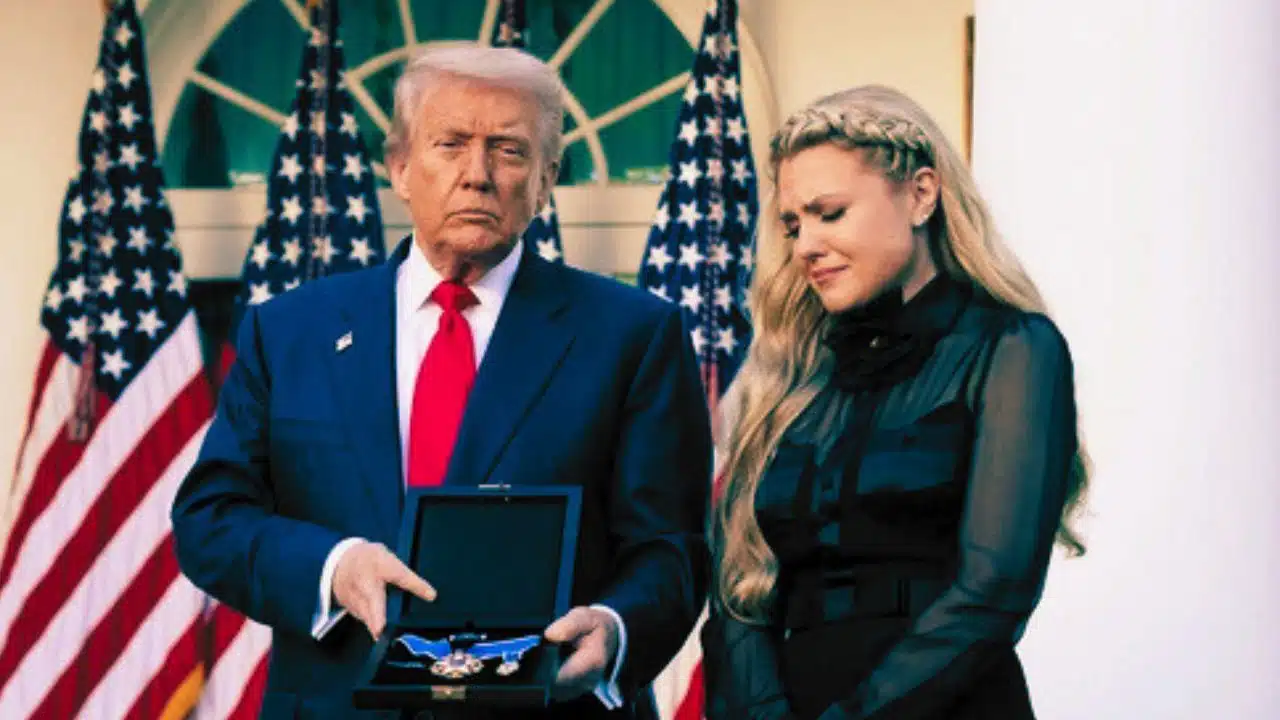
On October 14, 2025—what would have been his 32nd birthday—President Donald Trump posthumously awarded conservative activist Charlie Kirk the Presidential Medal of Freedom in a Rose Garden ceremony. The honor capped a month of mourning and political reaction after Kirk was fatally shot while speaking at Utah Valley University on September 10.
The Rose Garden Ceremony
The event at the White House placed Kirk’s family at the center, with his widow receiving the medal on his behalf. Senior Republican figures, movement allies, and administration officials attended. The timing linked three storylines: Kirk’s birthday, the administration’s messaging on political violence, and Trump’s rapid return to Washington after Middle East diplomacy. The ceremony also reinforced the White House’s portrayal of Kirk as a generational organizer within youth conservatism.
Why the Medal Matters
The Presidential Medal of Freedom is the nation’s highest civilian award, signaling that a recipient’s influence is considered historically significant. Posthumous awards are uncommon and often frame public memory for years. In this case, the White House positioned Kirk’s activism—campus organizing, media reach, and youth mobilization—as a force that reshaped conservative politics in the 2010s and 2020s.
What Happened in Utah
Kirk was killed during an outdoor campus event at Utah Valley University, the opening stop of his fall speaking tour. Investigators say a gunman took a rooftop position and fired a single fatal shot before fleeing; state and federal agencies have led the probe, which remains active and partially under seal by court order. The suspect identified in public reporting faces multiple charges, with additional filings possible as forensic and ballistic reviews proceed.
Status of the Investigation
Press briefings and court records indicate that key warrants were sealed while investigators pursued leads, reviewed surveillance, and reconstructed the shooting timeline. Federal updates emphasized caution about motive and affiliations until evidence is fully vetted. As of mid-October, authorities had not tied the suspect to a formal political organization, a point repeated by national outlets covering the case.
Legislative and Security Fallout in Utah
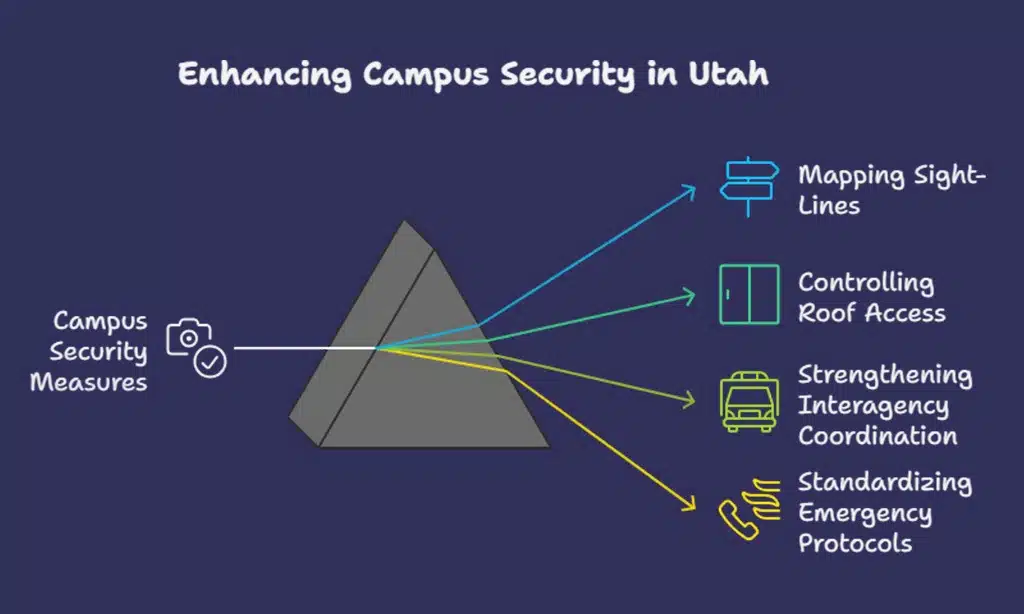
The killing triggered policy responses in Utah, where state lawmakers revived proposals to require security risk assessments at public colleges. Draft concepts include mapping sight-lines, controlling roof access, strengthening interagency coordination for high-profile events, and standardizing emergency protocols for outdoor venues. The legislative push reflects a broader conversation about balancing open civic forums with modern security realities on campuses.
A National Day of Remembrance
Congress moved in parallel to memorialize the date. Resolutions established October 14 as a “National Day of Remembrance for Charlie Kirk,” aligning the commemorative calendar with the Medal of Freedom ceremony. Senate sponsors highlighted Kirk’s influence on youth engagement; House language similarly framed the day as a civic remembrance.
Administration Actions Linked to the Case
The State Department announced visa revocations for several foreign nationals whose social posts appeared to celebrate or minimize the killing, describing the move as consistent with existing authorities to bar entry over incitement concerns. Civil liberties groups and some legal analysts questioned the scope and criteria, arguing that aggressive social-media vetting risks chilling expression; administration officials countered that public safety and anti-incitement norms justify the steps.
Kirk’s Role in Conservative Organizing
Kirk co-founded Turning Point USA and helped build a national campus network that blended rallies, digital media, and voter-mobilization efforts. His prominence—embraced by allies and criticized by opponents—made him a fixture in conservative media and a frequent presence at high-energy events aimed at students and young voters. The White House narrative around the medal centers on that organizing record and its downstream electoral effects.
Reactions and Points of Tension
Supporters cast the medal as appropriate recognition for a figure they view as central to a conservative youth movement. Critics argue that the honor embeds partisan choices in a traditionally broad civic accolade and risks deepening polarization. Those divides track with long-running debates about the boundaries of acceptable rhetoric, the definition of political violence, and how national honors shape collective memory.
Broader Context: Political Violence and Public Space
National security commentators note that high-profile attacks in public forums often trigger both calls for tighter security and disputes over free speech. The UVU assassination has revived questions about outdoor event planning, law-enforcement posture, and the role of campus venues in adversarial political discourse. Policy outcomes will likely vary by state, venue type, and risk profile, but Utah’s legislative response could become a template.
What to Watch
-
Case developments: Court hearings, unsealed filings, and forensic disclosures that clarify motive, method, and support networks, if any.
-
Campus security policy: Whether Utah mandates standardized assessments and how universities implement roof access controls, sight-line mapping, and rapid response playbooks.
-
Federal actions: Additional visa moves or investigative updates that define the administration’s posture on incitement and public-safety risks tied to political events.
The Medal of Freedom places Charlie Kirk’s activism into the nation’s formal record at a moment when the investigation into his killing, campus security policy, and the politics of public-square safety are all in motion. The ceremony memorializes a life that transformed conservative youth organizing, while the fallout from the Utah shooting continues to shape law, policy, and debate.