You love games but feel stuck. You think only coders land studio jobs. You want to use art, sound, or social skills, but you lack a clear path.
One forecast says the gaming market will top 189.3 billion dollars in 2024. That rise fuels roles in Quality Assurance, community management, and sound design. We list 10 in-demand careers, show each job’s tasks, name key tools like Unity and Pro Tools, and share top skills to learn.
Ready to see your next move?
Key Takeaways
- A forecast says the gaming market will top $189.3 billion in 2024, driving demand for 10 key roles beyond coding.
- Quality Assurance (QA) Testers log bugs in issue trackers, run functional tests, and check frame rates and load times to keep builds stable.
- Gameplay Animators use 3D modeling, rigging, and motion capture; Sound Designers record, edit, and mix audio in Pro Tools and sync it via game engines.
- Technical Artists optimize shaders, pipelines, and memory in Unity or Unreal Engine; Producers plan budgets, schedules, and Scrum meetings.
- Community Managers spark chat on Discord; Marketing Specialists craft ads in Adobe Creative Suite and track metrics with Google Analytics; Shoutcasters host live esports via OBS; Localization Specialists adapt text for 12+ languages.
What Does a Quality Assurance (QA) Tester Do?
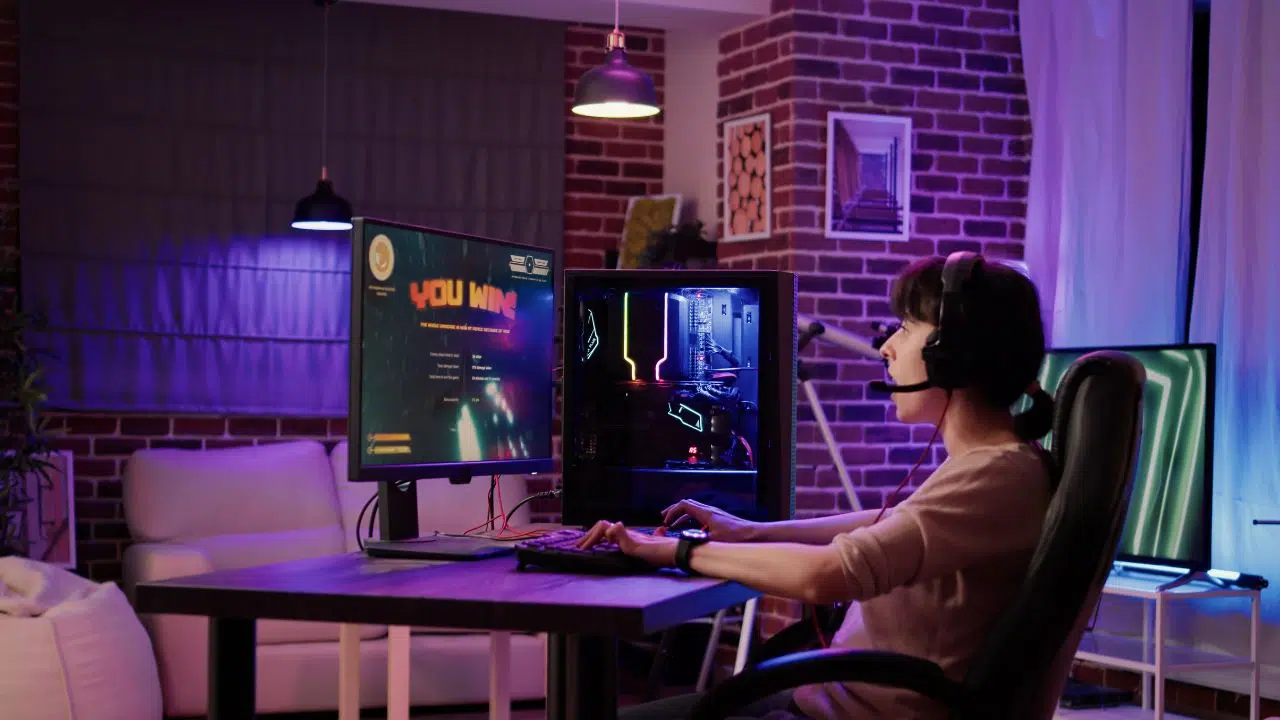
Game Quality Assurance staff inspect game builds for bugs and crashes. Spotting software errors, they log each issue into an issue tracker. Testers run functional testing to confirm controls, physics, and menus work as intended.
They also perform playtesting to grade user experience and enjoyment. A test management system links test cases and bug reports. Patience drives them to retest missions until games run smoothly.
Software testing and quality control keep builds stable. Technical assessments check frame rates and load times on various devices. Bug reporting flows to developers through a code repository.
Testers ensure each build meets standards set by game developers and publishers. This process guards against minor glitches and major system failures before release.
What Are the Responsibilities of a Gameplay Animator?
Animators shape motion. 3D modeling programs help craft rigs. Motion editors capture keyframes. Artists tweak bone chains. Motion graphics spices up cutscenes. Performance capture data fuels realism.
Asset creation stays within tech limits. Animators add visual effects. Character animation drives interactive media.
Game development thrives on art and code links. Animators meet with designers and engineers. Game design choices guide timing tweaks. Pipelines route clips into the game engine. Engine tests spot polycount overruns.
Directors critique style fidelity. Corporate gamification tasks draw on those talents. Metaverse projects also need these skills.
How Does a Sound Designer Contribute to Games?
Sound Designers craft every chirp, roar, and footstep. Foley artists add footsteps and rustling leaves, while sound engineers layer effects and music. Game engines and audio middleware sync each sound to player moves and cutscenes.
Designers record, edit, and mix tracks in a digital audio workstation. Some even compose original scores, shaping battle themes or calm village tunes.
Art and tech meet in audio production sessions, where designers tune soundscapes to match scenes. Mixing balances dialogue, background tracks, and sound effects so no element drowns out another.
Audio specialists test levels on headsets, speakers, and TVs, to keep quality sharp across devices. They work with programmers and artists, weaving sound into game design and storytelling.
What Is the Role of a Technical Artist in Game Development?
A technical artist bridges programmers, tools developers and artists. This role guides Game Design teams on tech limits and artistic goals. They build characters and craft environments with design tools.
They set up pipelines for Asset Creation and Pipeline Optimization. They tweak shaders to spark Visual Effects and they rig models for smooth Animation.
Engine checks, memory tests and load times fall under this role. A technical artist runs D Modeling and Rendering trials in a Game Engine. They lean on Scripting tools to fix bugs fast.
Cross-team Collaboration sits at the heart of their day. Programmers and artists lean on this role to keep the art and code in sync.
What Does a Game Producer Manage?
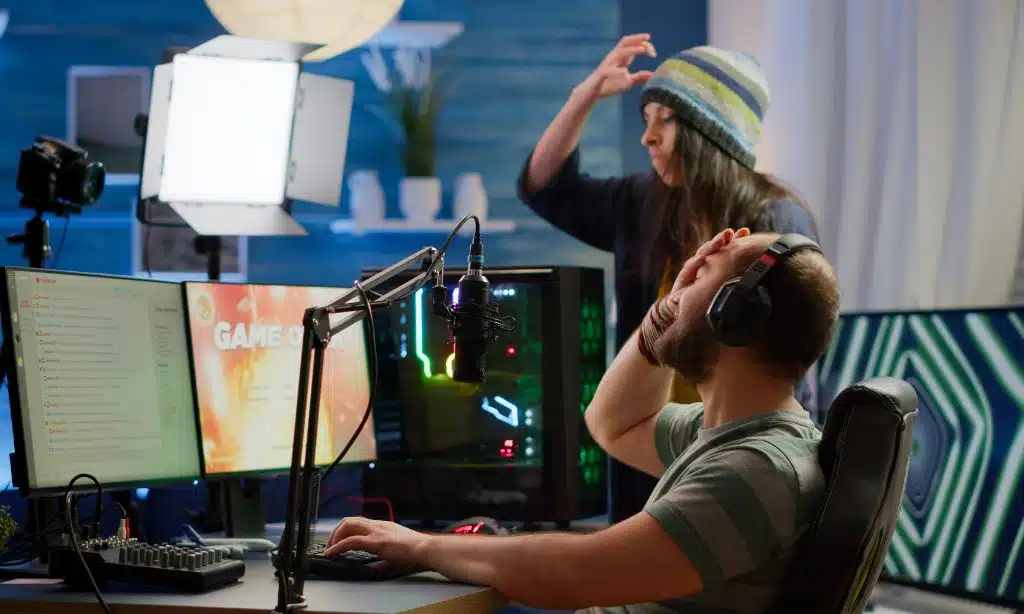
Producers drive project management in game development. In production planning, each phase falls under their watch, complete with schedules and milestone tracking on a timeline chart.
Resource allocation falls to them, they manage budgeting to cover art, code, and sound. Agile methodology thrives under their lead; they chair Scrum rituals and sync teams at daily standups.
Quality assurance checks land on their desk early, they test deliverables and vet assets to nip bugs in the bud.
A producer also plays diplomat, bridging dev teams and stakeholders with clear reports and active stakeholder communication. They draft status updates in slide decks or spreadsheets, turning code talk into plain English.
Calendars change on a dime, yet they reassign tasks or swap features with a grin. Using a project board or an issue tracker, they guide teams, coach newbies, and chase blockers. This team coordination keeps all eyes on goals, and communication lines open.
How Does a Community Manager Support Gaming Communities?
Community managers act as the studio’s voice and ears in the gaming community.
Managers spark engagement using chat apps, like Discord, forums, and Twitter threads.
Staff collect player feedback through polls, surveys, and chat logs so no idea goes unheard.
They moderate posts to keep chat safe, friendly, and on-topic.
Hosts run events like Q&A streams, watch parties, and contest nights to boost communication.
Support staff reply to player queries across social channels within hours to drive interaction.
Analytics tools help track sentiment trends on user posts via community dashboards.
Managers build strong relationships between developers and players, a key part of community building.
This advocacy leads to game changes that players love.
What Does a Marketing Specialist Do in the Gaming Industry?
Marketing specialists run game promotion projects with clear advertising strategy. They use market research to map target players. Specialists craft social media marketing posts on Discord and Twitter.
They design banners, videos, and text with Adobe Creative Suite. They launch ad campaigns using Google Analytics data.
They partner with public relations teams to hype new releases. They track brand awareness and audience engagement metrics. Specialists tweak ad budgets and post schedules in Hootsuite.
They shape campaign management plans for each title. They drive reach and visibility for game launches.
What Are the Duties of an Esports Shoutcaster or Host?
Shoutcasters deliver live commentary on esports tournaments. Color Casters add sports commentary and behind the scenes context. Play-by-Play hosts deliver crisp play-by-play analysis, narrating each move as it unfolds.
Hosts spark audience engagement with spirited calls and timely puns. Event coverage spans online streams and stadium screens.
Commentators need great communication skills to entertain crowds. Analyst segments break down team strategies and key moments. Tournament hosting demands sharp timing and deep game analysis.
Hosts manage pacing to keep fans hooked during live broadcasting. They enrich spectator experience with player backstories and stats. Twitch and OBS power the broadcast tools for smooth streams.
Why Is a Localization Specialist Important for Games?
Localization experts translate dialogue, menus, and in-game text for players around the world. They deliver linguistic services with precision and care. Teams tweak cultural jokes so nobody feels lost.
Staff swap idioms to match regional preferences and local humor. Every asset goes through cultural adaptation and a QA review.
Companies seek market localization to reach global players. Titles roll out in 12 languages with multilingual support tools. Developers integrate content localization in Unity engine or Epic’s Unreal Engine.
Fans connect in their own tongue, and audience engagement jumps. Localization pros drive globalization, and they spark commercial success for studios big and small.
How Is a Professional Game Tester Different from a QA Tester?
A professional game tester treats an almost-done title as a playground. They launch a prerelease build for deep software testing. They note every bug or glitch and log it in an issue tracker with clear reproduction steps.
Drafting detailed test plans sits high on their list. They arm developers with precise feedback reports, so player experience feels smooth at launch.
A QA tester covers broad quality assurance tasks across game development. They run test cases and flag failed checks in a test management tool. Support for stable builds spans many cycles.
A game tester, instead, focuses on final code, probes user experience, and fires off feedback reports on each crash.
Takeaways
Gaming jobs go beyond code. QA testers hunt down glitches in every build with game engines. Animators shape worlds and move heroes using 3D software. Sound artists mix music and effects in audio tools.
Producers steer teams with project trackers and team chat. Community leads spark buzz online, while casters hype live matches. Each role taps art, tech, or people skills to fuel growth in this booming market.
FAQs on Careers in the Gaming Industry
1. What jobs can I find in the gaming industry besides devs?
Here are ten roles, beyond coding. A tester hunts bugs, and logs them. A visual artist paints worlds. A narrative writer spins tales. An audio tech shapes sound. A community leader rallies fans. A marketing expert sells the dream. An event host runs live shows. A support agent helps players. A data analyst reads player habits. A ui planner maps menus.
2. What does a tester do and how can I start?
A tester plays new game builds, finds bugs, writes reports. You can sign up for test groups online, learn basic bug tools, test indie titles. It can feel like climbing a hill, but keep going. Small wins add up fast.
3. What skills do artists and writers need?
Artists need to master art tools, keep a sharp eye for detail. Writers need to shape clear story arcs, draft simple scripts. Both must work well in teams, hit deadlines, and share ideas freely.
4. How can I move into community leadership or game marketing?
Talk to players on chat forums, host live streams, start a fan page. Show you can run events, spark chat, build hype. Use social media posts to shine, tag game studios. It can feel tough at first, but small steps count.