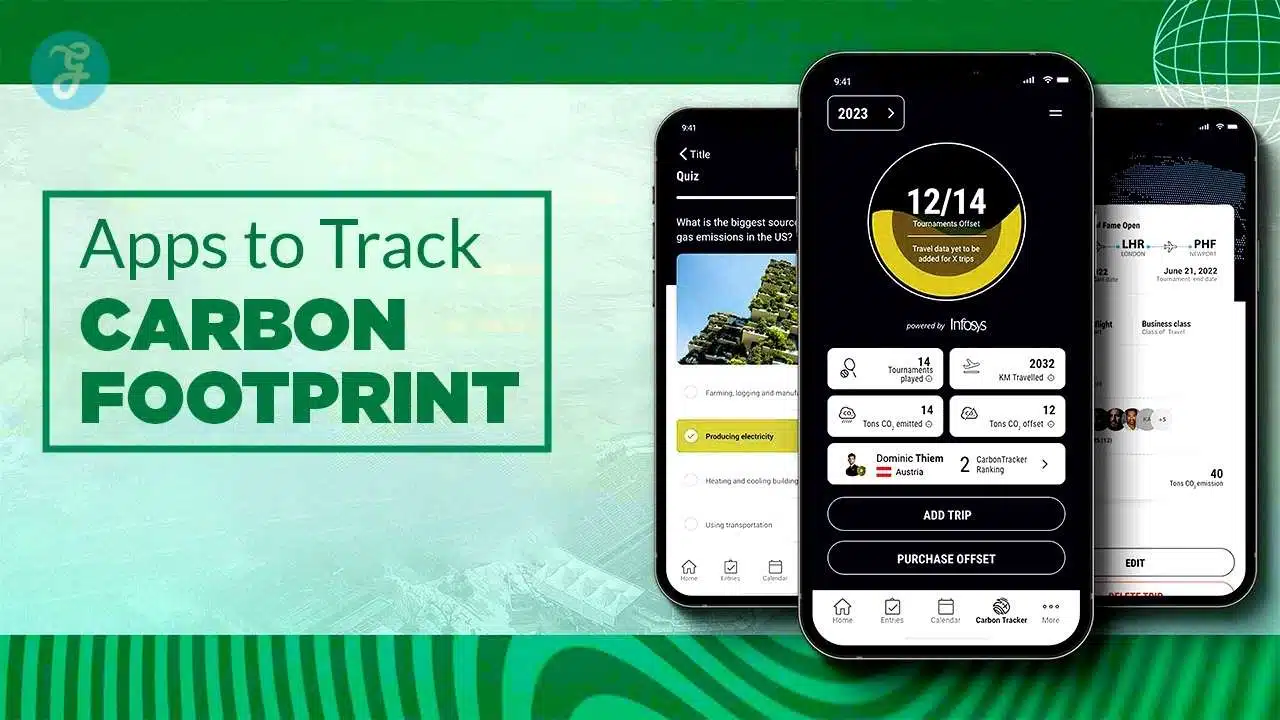
Do you ever wonder how your daily choices, like that morning coffee or the commute to work, actually affect the planet? We all want to help stop climate change, but seeing the real impact of our small habits is tough. You might feel guilty about driving to the store, but does it really outweigh the benefit of recycling your plastics?
A personal carbon footprint tracking app can solve this puzzle. Experts found that for most families, home energy and travel make up the biggest chunk of daily greenhouse gas emissions. Seeing these numbers in black and white changes how you act.
I’m going to walk you through the most effective apps I’ve found to track your habits, spending, and environmental impact. We’ll look at how technology simplifies green living and points out clear, easy ways to cut pollution one step at a time.
Let’s go through the best tools to help you make a difference. You might just find the one app that changes your entire outlook on saving the earth.
Top Apps That Track Your Carbon Footprint
Your phone is a powerful tool for spotting your biggest sources of carbon emissions. These apps make tracking your daily impact as simple as checking the weather, but each one has a special “superpower,” whether it’s tracking your food, your travel, or your bank account.

Commons (formerly Joro): Automated tracking through spending analysis
If you were looking for Joro, you have found it. The app rebranded to Commons in 2023. It remains one of the most popular choices for US users because it connects directly to your bank accounts and credit cards (securely via Plaid). Instead of asking you to manually log every bus ride or burger, Commons scans your spending history to calculate your footprint automatically.
For example, if you spend $40 at a gas station, Commons calculates the emissions based on the average price of fuel. It breaks down your impact into clear categories:
- Travel: Flights, rideshares, and public transit.
- Food & Dining: Groceries and restaurant visits.
- Shopping: Clothing, electronics, and household goods.
The real value here is the “Net Zero” membership. Users can pay a monthly subscription (averaging around $30/month depending on your footprint) to automatically offset their emissions through a curated portfolio of climate solutions, like Charm Industrial’s bio-oil sequestration or Running Tide’s kelp projects. It’s a “set it and forget it” way to ensure your lifestyle is carbon neutral while you work on reducing your impact.
Pawprint: Lifestyle-focused with actionable tips
Pawprint is often used by companies to engage their employees, but the free version for individuals is a fantastic tool for building better habits. Unlike Commons, which looks at your money, Pawprint looks at your choices. It starts with a fun, chatty quiz about your home, diet, and travel to establish a baseline.
The app then visualizes your greenhouse gas emissions using “Bjorn,” their polar bear mascot, and easy-to-read charts. Its standout feature is the way it encourages incremental progress through “Sprints.”

Pro-Tip: Don’t try to change everything at once. Pawprint allows you to choose one specific habit to focus on for a week, such as “Meat-Free Mondays” or “Unplugging Electronics,” and rewards you with “Pawpoints” for sticking to it.
You can trade these points to vote on which charities the company donates to. This approach keeps things light and social, making every eco-friendly step feel like a win rather than a chore.
Capture: Monthly targets and GPS tracking
Capture distinguishes itself by using your phone’s GPS to track travel emissions automatically. If you are constantly on the move, taking trains, buses, or driving, Capture will detect the mode of transport and log the journey for you. This removes the hassle of manual entry for commuters.
The app sets a personalized monthly CO2 target for you, based on the global goal to keep warming below 1.5 degrees Celsius. It treats this target like a game:
- The Goal: Keep your emissions bar green by staying under your monthly limit.
- The Challenge: If you take a long flight, your bar shoots up, and the app immediately suggests ways to bring it back down, like eating vegan for the rest of the week.
- The Reward: Earning badges and seeing your “streak” improve over time.
This gamified approach turns green living into a challenge rather than a restriction. Friends can join teams to compete, which adds a layer of friendly social pressure to keep your numbers low.
Klima: Carbon-offsetting options for sustainable living
Klima focuses heavily on immediate action through offsetting. While it does calculate your footprint, its primary goal is to help you neutralize it instantly. After a quick assessment, Klima calculates a monthly subscription fee, typically between $10 and $20 for an average American, that funds verified climate projects.

These aren’t just random charities; Klima supports projects verified by the Gold Standard or Verra, such as:
| Project Type | How It Helps | Example Location |
|---|---|---|
| Tree Planting | Restores ecosystems and absorbs CO2 naturally. | Mangroves in Madagascar |
| Solar Power | Replaces fossil fuel energy with clean renewables. | Solar farms in the Sahel region |
| Clean Cookstoves | Reduces smoke and fuel use in developing nations. | Efficient stoves in Ghana |
The app also provides a “checklist” of lifestyle changes. It shows you exactly how much CO2 you save by switching to LED bulbs or line-drying clothes, and then reduces your monthly subscription cost as your personal footprint shrinks. It directly rewards you financially for living greener.
CoGo: Real-time footprint tracking using banking data
CoGo (Connecting Good) is similar to Commons but has a strong presence in the banking world. In many regions, CoGo integrates directly into banking apps (like NatWest in the UK or Westpac in the Pacific), though in the US it often operates via open banking connections.
Its strength lies in its massive database of “ethical scores” for businesses. When you buy a coffee, CoGo doesn’t just estimate the carbon; it can often tell you if the specific business you bought from pays a living wage or uses sustainable sourcing.
You get real-time feedback on how every purchase impacts the planet. If you shop at a fashion retailer known for fast fashion waste, CoGo might flag it and suggest a pre-loved or sustainable alternative nearby. It turns your bank statement into a moral compass, shedding light on the hidden costs of convenience.
Let’s talk food. While other apps track everything, Floop puts your dinner plate under the spotlight. Food production accounts for over 25% of global greenhouse gas emissions, so changing what you eat is one of the fastest ways to lower your impact.
Users log their food choices each day, and the app calculates the precise carbon cost of that meal. It reveals surprising facts:
- The Beef Factor: Producing 1kg of beef emits roughly 60kg of CO2 equivalent.
- The Cheese Surprise: Cheese often has a higher footprint than pork or chicken.
- The Waste Issue: Wasting food means wasting the water and energy used to grow it.
Floop doesn’t stop with data. It gives you small tips to cut waste at home, such as freezing leftovers or buying only what you’ll eat. Kids even get involved with games about sorting scraps for compost piles versus trash cans. It makes green living simple for all ages by combining environmental impact facts with easy kitchen hacks.
Key Features of Carbon Footprint Tracking App
These apps make your life easier and smarter, showing you how daily choices shape your carbon output. Curious how simple changes can cut waste and shrink bills? Here are the features that make it possible.
Automation for seamless tracking
The best modern apps use automation to track your carbon footprint so you don’t have to enter data manually. Commons (formerly Joro) and CoGo link directly to your credit cards and bank accounts. They use merchant category codes (MCC) to identify that you spent $50 at a grocery store and apply an emissions factor to that amount.
Capture takes this a step further by using your phone’s GPS sensors to detect travel. It knows if you are moving at the speed of a train versus a car and logs the journey automatically. This smart tech cuts down errors and prevents “tracking fatigue,” ensuring you stick with the habit for the long haul.
Behavioral insights for habit changes
Data is useless without context. Smart apps don’t just give you a number; they tell you what it means. Pawprint compares your stats to the national average, showing you that your heating bill is 20% higher than your neighbors’.
Many tools use push alerts and nudges; a friendly reminder might pop up when you are at the grocery store, suggesting you buy seasonal, local produce instead of imported berries. Klima uses a “Climate Class” feature to teach you why certain actions matter, helping you understand the science behind the suggestions. This feedback loop helps new routines stick without feeling like hard work.
Carbon offset integration
Reducing your footprint to zero is nearly impossible in modern society, which is where offsets come in. Apps like Klima and Commons offer integrated marketplaces where you can buy “credits” to balance out your unavoidable emissions.
Warning: Not all offsets are created equal. Look for apps that support projects verified by Gold Standard, Verra, or Climate Action Reserve. These certifications ensure that the trees are actually planted and protected, or that the solar panels are replacing coal power.
In just a few taps, you can fund a project in the Amazon rainforest or a wind farm in Turkey. This makes it painless for anyone working on sustainability goals to do good while going about life as usual.
Gamification to encourage engagement
Linking carbon offset integration with daily habits can feel like a chore, so apps use game mechanics to keep you interested. Capture sets monthly goals and gives badges for hitting targets. Pawprint lets you compete in “Sprints” with colleagues or friends, awarding “Pawpoints” for every meat-free meal or public transit ride.
Some users cut personal emissions by up to 30% in just three months because they wanted to beat their own high scores. These tricks spark action fast, one small act at a time, adds up for the planet and your peace of mind.
How These Apps Drive Positive Action
These apps make it easy for you to see where your habits can change, step by step. They guide you, almost like a coach in your pocket, making greener choices feel simple.

Setting personalized sustainability goals
Generic advice like “save energy” rarely works. Apps help you set clear, personalized sustainability goals based on your actual data. If Commons sees you take Uber frequently, it might suggest a goal to “Swap 2 rideshares for public transit this month.”
Floop might challenge you to a “Vegan Lunch Week” if your meat consumption is high. These goals are realistic because they are based on your starting point, not an impossible ideal. Each tiny action adds up fast; saving just one pound of greenhouse gases feels like planting a tree right in your backyard!
Providing actionable recommendations
Once users set personal sustainability goals, these apps offer specific steps to achieve them. Instead of just saying “drive less,” Capture might show you a map of the nearest bike share station. CoGo might flag a high-carbon purchase and suggest a sustainable brand for next time.
Klima points you toward renewable electricity suppliers available in your specific zip code, removing the research barrier that stops many people from switching. Clear tips make lifestyle tracking simple for busy families hoping to lower their environmental impact without headaches or guesswork.
Supporting verified environmental projects
After suggesting simple ways to cut carbon footprints, these apps link your actions to global change. Commons allows you to subscribe to a “Climate Portfolio” that includes not just forestry, but also innovative technologies like soil carbon storage and mineralization.
You can see exactly where your money goes, down to the specific project location. Every dollar supports cleaner air, healthier forests, and stronger communities for everyone’s future, ensuring your contribution fights climate change in real time.
Final Thought
From Commons’ smart spending analysis to Klima’s instant offsetting options, these apps make it simple to see and change your impact. They use easy steps, fun games, and real tips so anyone can start making better choices right away.
Using them is quick, helps cut down your carbon footprint fast, and brings you closer to green living goals without a lot of fuss. Want even more ideas? Plenty of websites share eco-friendly hacks for daily life or link you with groups that support the planet, too! Small actions add up, so why not tap a Carbon Footprint Tracking App today and make every step count for the Earth?