

New drivers in the UK see high car insurance premiums. Drivers aged 17 to 24 pay about £828 a year, on average. This post shows ten tips on telematics insurance, voluntary excess, and adding a named driver to cut costs.
Keep reading.
Key Takeaways
- Young drivers pay about £828 a year, but small cars like the VW up! (£576), Suzuki Alto (£597) or Fiat 500 (£604) cost much less. Small 1.0 L–1.2 L engines sit in low insurance groups and keep rates down.
- A black-box telematics policy cuts premiums: a 19-year-old pays £864 vs £1,096, a 23-year-old pays £636 vs £657. It tracks speed, braking, and time of day to reward safe driving.
- Adding a named driver over 25 with a clean record lowers your risk in the insurer’s eyes. Do not front by lying—you could void your cover or get penalty points.
- Raising voluntary excess from £250 to £300 trims your premium. Paying the full annual premium avoids up to 30% in hidden interest fees on monthly plans.
- Fit alarms, immobilizers, and dashcams for up to 10% off, and park in a locked garage. Stay under 8,000 miles a year for low-mileage discounts and build a no-claims discount (20–30% after one year; ~60% after five years).
How Can Choosing the Right Car Lower Your Insurance Premiums?
Choosing a compact model cuts car insurance premiums. Volkswagen up! costs £576 per year, Suzuki Alto £597, and Fiat 500 £604. Cars with 1.0L or 1.2L engines sit in low car insurance groups and keep rates down.
Alarms and immobilisers boost security and please insurance companies. Telematics insurance with a black box gives policyholders a chance to earn a discount. Safe driving habits let you build a no-claims discount faster and lower costs.
Why Add an Experienced Named Driver to Your Policy?
Adding a skilled named driver can cut your car insurance premiums. Insurers see a driver over 25 with a clean driving history as lower risk. You can list a family member as a secondary driver.
This move can also trim telematics insurance rates. Black box insurance logs fewer alerts when a skilled driver hops in.
Fronting, or pretending your family member does most trips, is illegal. Insurance companies may void your policy or add penalty points. A proper named driver adds real value. It helps your premium stay low.
What Is Black Box Insurance and Is It Right for You?
Black box insurance uses a small device that plugs into your car’s onboard diagnostics port. It tracks speed, braking, and time of day. It shares this data with your insurance company through a mobile application or positioning sensor.
A 19-year-old can pay a median of £864 with telematics insurance; the same driver pays £1,096 without it. A 23-year-old saves less, £636 vs £657, but that still cuts insurance costs.
New drivers can build a driver score with safe driving; they may get cashbacks or vouchers. Hard braking or fast turns can add to your premium if your policy rates you as risky. You can choose a higher voluntary excess to cut base rates, but you must pay more after a claim.
You must also check your driving history and car insurance groups before signing up.
How Does Increasing Your Voluntary Excess Affect Your Premium?
Increasing your voluntary excess drives down your insurance premium. Many motorists pick £250 as a starting point. Pushing that amount to £300 can shrink your monthly payments. This cuts risk for your insurance company, and they pass on the savings.
Pick a voluntary excess you can pay after a bump or scratch. You still owe the fixed compulsory excess set by the insurer, but raising the voluntary part trims your bill. New drivers often see extra costs, so every pound saved matters.
Just make sure you can hand over the cash if you make a collision claim.
Why Is Paying Annually Better Than Monthly for Car Insurance?

Paying annually slashes your cost right away, it cuts out the hidden interest rate that sits on monthly plans. You dodge up to 30 percent interest, so your total spend drops. Millions of insured drivers pick a yearly plan, since they hate surprise bank fees.
Your insurance premiums fall, because you clear the bill in one payment.
Drivers can use a 0 percent interest credit card deal, then pay the whole amount before interest bites. A small savings pot works too, like a rainy day jar you tap at renewal. Some car insurance companies even reward full payments with extra perks, so you end up richer in benefits.
How Can Improving Your Car’s Security Features Reduce Costs?
Alarms, immobilizers, and dashcams cut risk for insurers. They scare off thieves and log key events. A top insurer may slash your car insurance premium by 10% when you fit a factory alarm or an immobilizer.
A dashcam helps prove fault after a collision, so you guard your no-claims discount. New drivers in a Volkswagen Polo can save big by adding these tools. Car insurance groups often set lower rates for cars with multiple security items.
These steps lower insurance costs and curb your voluntary excess.
Parking in a locked garage drops your premium even more. Driveway parking wins over street parking too, but a garage earns the top discount. Your insurance company checks your driving history and tools before it sets rates.
Telematics insurance blends a black box with security cams. It tracks speed, location, and alerts at the first sign of trouble. These features work with your defensive driving to cut down maintenance costs and trim your insurance coverage needs.
Why Should You Avoid Vehicle Modifications When Insuring?
Custom spoilers and loud exhausts hike your insurance premium. Insurance companies treat every engine tweak as a higher risk. Policies cost more if you add flashy rims or a turbo kit.
Drivers who modify their Volkswagen Polo often face big bills. Underwriting teams flag car modifications on a policy review.
A telematics device logs your speed and braking. Any boost in performance reflects in your insurance premium. Good driving history loses weight when your car wears big tyres.
How Does Limiting Your Annual Mileage Lower Your Insurance?
Short trips cut crash chances. Insurance companies treat low mileage drivers as safe bets. Many insurers offer discounts to people who stay under 8,000 miles a year. Small car owners enjoy more savings when they rack up fewer miles.
Telematics policy devices log your every turn, so insurers reward good habits.
Young drivers who clock low miles could unlock cheaper new driver car insurance. You can protect your driving license by cutting down on needless trips. Insurers log your driving history and reward low-mileage habits.
Drivers pick higher voluntary excess to score extra cuts on their insurance premium. A tracking gadget on your dash trims maintenance costs and boosts your no-claims discount faster.
What Is a No-Claims Discount and How Can You Build It?
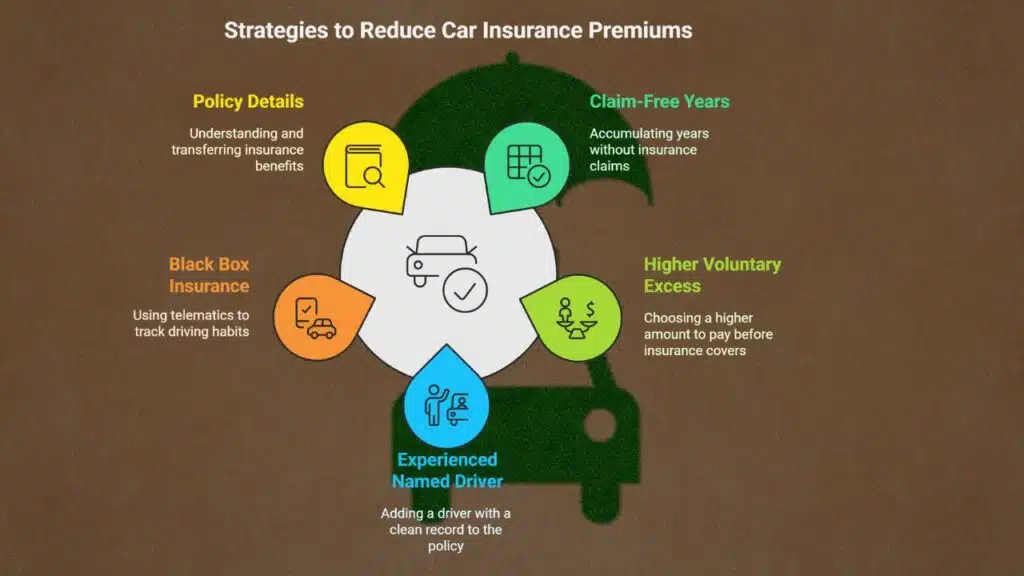
New drivers often pay steep insurance costs. A no-claims discount can slash rates.
- NCD rewards a claim-free year with a 20-30% cut on car insurance premiums.
- Discount rates climb further to about 60% after five claim-free years.
- This benefit follows the driver across cars and insurers, so you keep it on any policy.
- Let the other party’s insurer pay for a crash to protect your NCD after a faultless accident.
- Picking a higher voluntary excess shows the insurance company you share risk, so premiums fall.
- Adding an experienced named driver can guard your record on new driver car insurance.
- Trying a black box insurance plan, a telematics option with a diagnostic plug or mobile app, helps track your driving history.
- Reading policy details, you can transfer your NCD to a new provider and explore monthly payments for cash flow ease.
Takeaways
You opened a comparison platform and saw rates jump and drop in seconds. Telematics insurance, plus a named driver, can trim your bill. Picking a smaller car, with a higher voluntary excess, saves you pounds.
Paying yearly, and logging low annual mileage, builds your no-claims discount. Securing your ride, and avoiding mods, keeps premiums down. Feel ready for the road, with cash left in your pocket?
FAQs
Owning a Volkswagen Polo, a group 1 car in car insurance groups, can cut your cost. Choose a higher voluntary excess or a higher compulsory excess to lower your price. Stay claim free to build a no-claims discount and watch your rates drop.
2. How does telematics insurance work for new driver car insurance?
Telematics insurance, or black box insurance, uses a small device to track your driving history. It logs your speed, your braking, and your cornering. If you drive well, your insurer may cut your insurance costs. Many young drivers find this plan fair. It rewards safe habits.
3. Is it wise to add a named driver or additional drivers to my policy?
Adding a named driver can lower your insurance premium by sharing your insurance coverage. Your insurance company may view you as less risky if you list an experienced friend. But each additional driver can shift your plan and tweak your rates. Always ask your insurer how it changes your cost.
If you fit fancy rims or a big spoiler, car modifications can raise your insurance premium. Insurers see tunes under the hood as higher risk. Maintenance costs do not show on your policy, but they matter when you claim repairs. Talk to your insurance company before you tweak your ride.
5. Can I use monthly payments and bundle home insurance to cut costs?
Monthly payments let you spread new driver car insurance costs over the year, to ease your budget. Some insurance companies let you bundle car and home insurance, and score a discount. Young drivers love this trick to keep more cash in hand. Just watch out for extra fees, and ask your insurance company for details.






























