Getting into a car accident can turn your world upside down in an instant. Beyond just dealing with injuries and property damages, you may face significant uncovered medical bills, lost income, and lifestyle effects from someone else’s negligent driving.
However, holding them responsible through a car accident lawsuit is complicated. Building a convincing case requires diligently compiling credible evidence to prove fault connected clearly to your monetary losses.
This process can feel overwhelming in an already stressful time. But with the right guidance and persistence, you can successfully demonstrate the other motorist’s liability for damages and gain the outcome you rightfully deserve.
This guide covers the key elements for proving fault and damages in a car accident claim, critical evidence to gather, and why having experienced legal representation vastly boosts your chances of winning fair compensation.
Establishing Negligence
You must file a car accident lawsuit in Oklahoma City or your locality within the statute of limitations. To have a valid claim, the first requirement is showing that the other driver acted negligently.
Negligence means they failed to act with reasonable care, breaching their duty of care and directly causing the collision. Common examples of negligent driving actions include:
- Speeding or driving too fast for conditions
- Running red lights or stop signs
- Improper lane changes or merging
- Distracted driving due to cell phone use
- Driving under the influence of alcohol or drugs
- Tailgating other vehicles
If the other motorist was not breaking any traffic laws or acting carelessly, you likely don’t have grounds to pursue compensation, even if you suffered harm.
Proving Injuries And Damages
In addition to negligence, you must prove and quantify actual injuries, losses, and damages that directly stem from the accident. These can include:
- Medical expenses
- Income loss from missing work
- Pain and suffering
- Property damage
Documenting these thoroughly and accurately is crucial. Plaintiffs often fail to connect the harm to the incident or exaggerate claimed injuries and effects, destroying their credibility. Be truthful when dealing with doctors, providers, and insurers.
Collecting Supporting Evidence

With the bar set high for evidence, obtaining reliable proof of fault and damages is essential. Critical evidence to gather can include:
-
Police Reports
Secure a copy of the official accident report prepared by responding officers. This contains objective descriptions of the scene, driver statements, determination of intoxication or distraction, and preliminary fault decisions. Having the report classify the other motorist as responsible for causing the crash helps justify your claim.
-
Photographic Evidence
Take ample photos and video showing property damage, injuries, skid marks, debris location, and any traffic signs or signals. Photographing dangerous road conditions like uneven pavement or lack of lights also proves hazardous state-controlled areas potentially contributing to the accident.
-
Witness Statements
The more witnesses who provide consistent accounts of what occurred, the stronger your case. Get names, contact information, and written testimonies from passengers, eyewitnesses, and first responders describing events before, during, and after the collision.
-
Expert Opinions
Consult accident reconstruction specialists to analyze report details, physics evidence, and environmental factors. Their qualified opinions carry significant weight for showing proper standards were breached. Medical experts can also confirm your injuries align with crash circumstances.
-
Records And Bills
Maintain thorough medical documentation from hospital visits along with all invoices, prescriptions, and records related to diagnosis and treatment. Have providers give detailed prognoses on recovery length and treatments required.
-
Insurance Documentation
Review the other driver’s insurance policy to determine available coverage for your categories of loss. Policies have liability maximums, so verifying assets and net worth helps measure compensation if seeking damages exceeding policy limits.
Gathering solid proof is key to showing who’s at fault and your resulting harm.
Building A Convincing Case
With commanding evidence of misconduct and harm in hand, you must strategically demonstrate how the defendant’s provable actions directly caused the accident and the effects you suffered. Establish:
- Their exact negligent behavior (i.e., illegal left turn)
- How it violates or deviates from reasonable driving practices
- The direct impact it had physically (i.e., they struck your passenger door at 40 mph)
- The types and monetary amount of specific losses you have and continue to incur
An attorney can assemble evidence, prove connections from breach of duty to damages, and show how much compensation is justified.
Hiring Experienced Legal Representation For Success
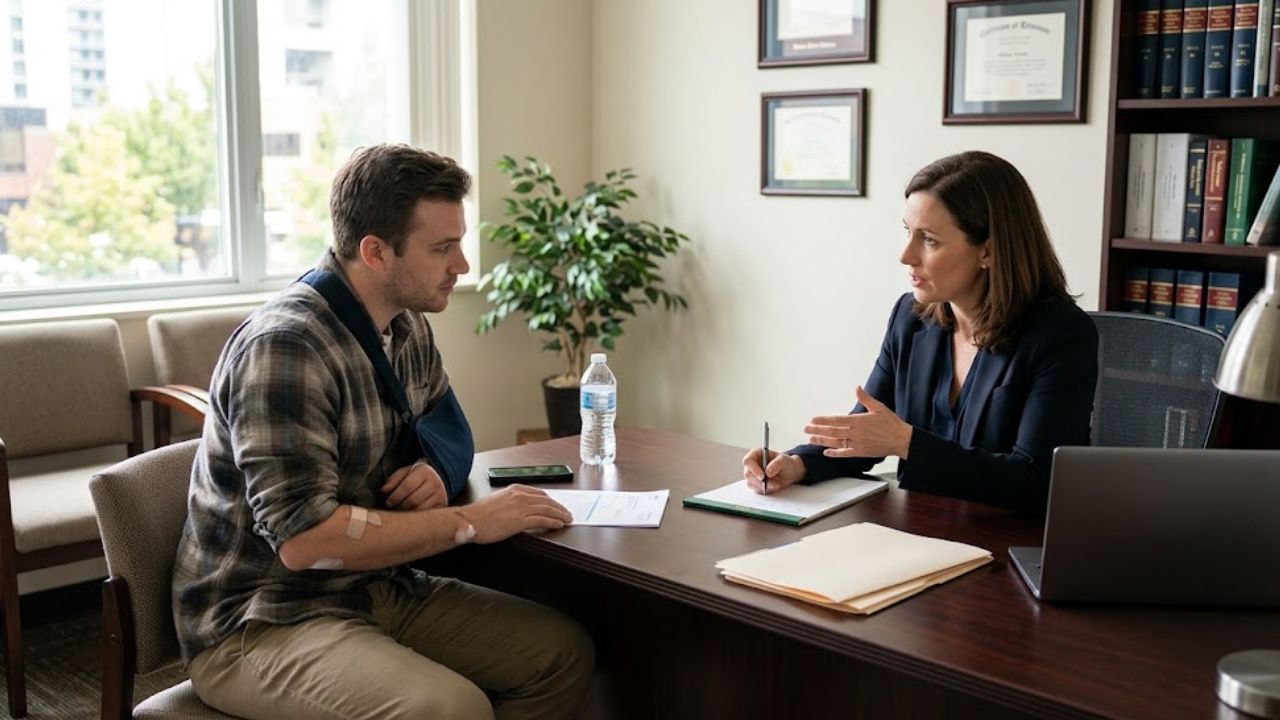
Car accident lawsuits are complex and require expertise to build a compelling, evidence-backed case. A personal injury lawyer knows what documents strengthen your position and how to counter insurance companies’ tactics that deny valid claims.
Especially when serious injuries are involved, having a knowledgeable professional fighting for the maximum compensation you deserve is vital.
Final Thoughts
Proving fault and damages in a car accident claim requires diligent evidence gathering, documented losses and effective presentation of the case. Speak with an attorney to discuss your situation, options to recover damages, and get skilled legal guidance. With dedication and persistence, you can achieve the outcome you deserve.