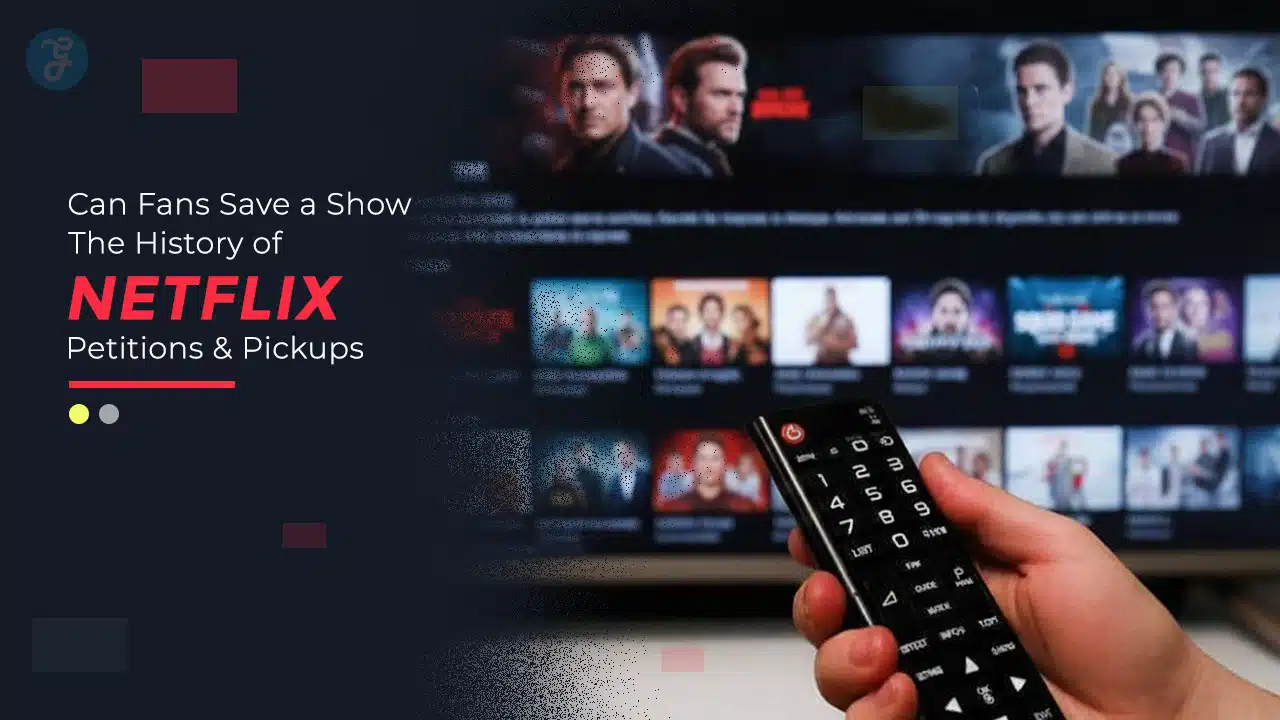
When a cancellation hits, the first question fans ask is simple: can fans save a Netflix show. The second question comes fast: if the answer is yes sometimes, what actually works. People start petitions, trend hashtags, email executives, and fund billboards because it feels like the only lever left.
Fans have saved shows before, but not in the way most people imagine. A petition rarely changes a decision by itself. Fans save shows when their campaign creates measurable demand that a platform can justify financially, or when another buyer sees opportunity Netflix does not want to fund.
This article breaks down what “saving” a show really means, why Netflix cancellations feel final, the real history of comeback campaigns, and the practical playbook that gives a show its best chance.
Can Fans Save A Netflix Show: The Honest Answer
Yes, can fans save a Netflix show is not a myth. Fans have helped trigger renewals, moved shows to new platforms, and revived cancelled series with enough noise and demand to attract money. At the same time, most campaigns fail because the show’s business math does not change.
Think of saving a show as a negotiation between emotion and economics. Fans bring emotion, attention, and culture. Netflix and other buyers bring budgets, schedules, and risk models.
Here is the honest framework:
- Fans can help when a show is on the bubble, not when it is already a hard no.
- Fans can help more when they drive viewing behavior, not only social posts.
- Fans have the best odds when another platform can pick up the show at the right price.
- Fans usually lose when costs are high and the audience is not finishing seasons.
Saving a show is possible. It is just rare, and it requires the right conditions.
What “Saving A Show” Actually Means
People use “saved” loosely. If you want to understand real outcomes, you need clearer definitions.
Renewed By The Same Platform
This is the cleanest win. Netflix cancels a show, then reverses course and renews it, or renews it late after a fan push and new data.
This happens, but it is uncommon. Netflix prefers to avoid public reversals because reversals teach fans that outrage is a negotiating tactic.
Picked Up By Another Platform
This is the most common version of “saved.” Netflix cancels a show, and another platform buys it, funds new seasons, and becomes the new home.
This outcome depends on rights, pricing, and timing. A platform will not pick up a show just because it trended. It will pick it up if it thinks it can profit from the audience.
A Wrap-Up Movie Or Final Season
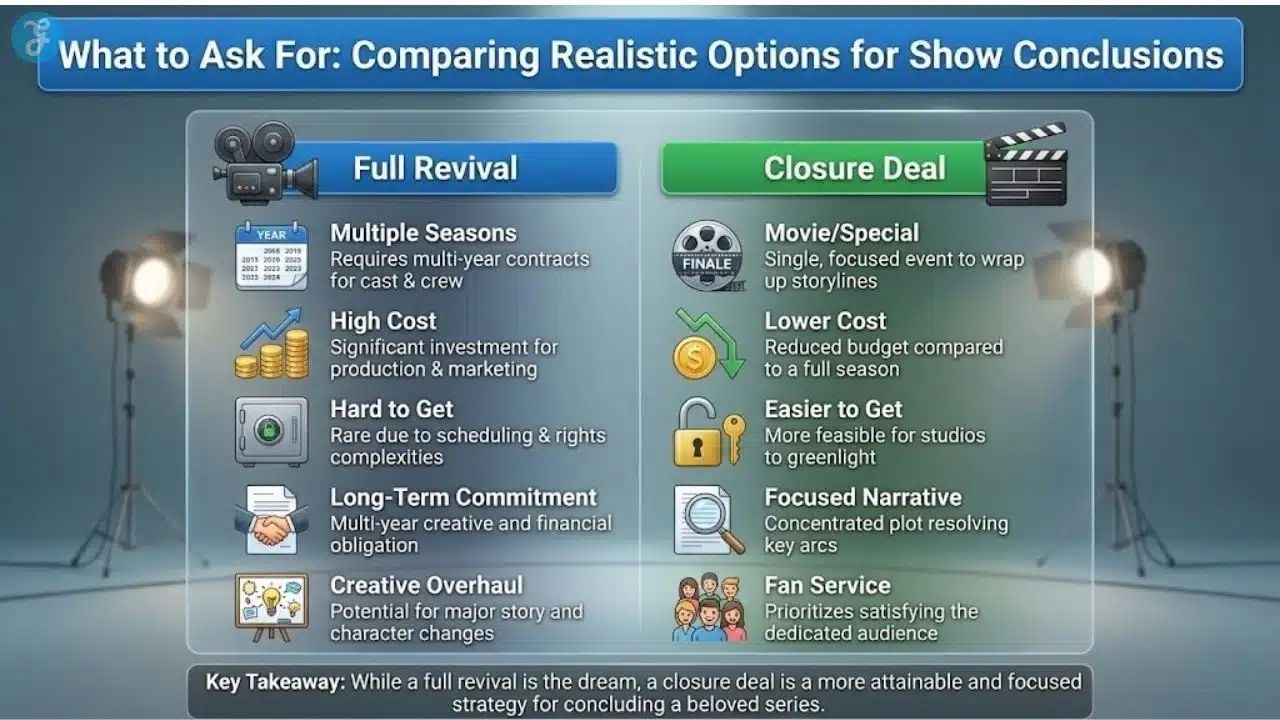
Sometimes fans do not get a full multi-season revival. They get closure. Netflix or another buyer funds a movie, a shortened final season, or a special to finish the story.
This is a compromise outcome. It happens when the platform believes a full renewal is too costly but recognizes that closure has value.
A Spiritual Successor, Not A Revival
Fans can also “save” a show in an indirect way. The cancellation ends the series, but the fan response convinces Netflix or another company to work with the creators again on a new project.
This is not the same as a revival, but it can keep the creative world alive.
Why Netflix Cancellations Feel So Final
Netflix operates differently than traditional networks. That difference makes “saving” a title harder.
Netflix Has A Faster Decision Cycle
Network TV used to live on weekly ratings and ad sales. A show could stumble early, then improve. Streaming expects fast proof. Netflix typically evaluates a title quickly because the platform releases content constantly and reallocates budgets fast.
If Netflix decides the performance does not justify the cost, it moves on.
The Rights And Contracts Can Lock Things Down
Even if another platform wants the show, rights can delay or block a pickup. Netflix originals often involve complex agreements that cover:
- Global distribution rights
- Windows for exclusive availability
- Options for future seasons
- Branding and marketing ownership
A show can be “available” creatively but “unavailable” legally for months or years.
Season Two Often Costs More
When a show succeeds enough to become a conversation, its costs tend to rise. Cast contracts escalate. Production demands expand. If Netflix already believes the show is not worth the spend, fan noise must overcome an even higher price tag.
This is why many campaigns hit a wall. They are not fighting taste. They are fighting budget math.
The Real Evidence Netflix Responds To
If you want to know what moves a platform, focus on what they can measure and monetize.
Viewing Behavior Beats Attention
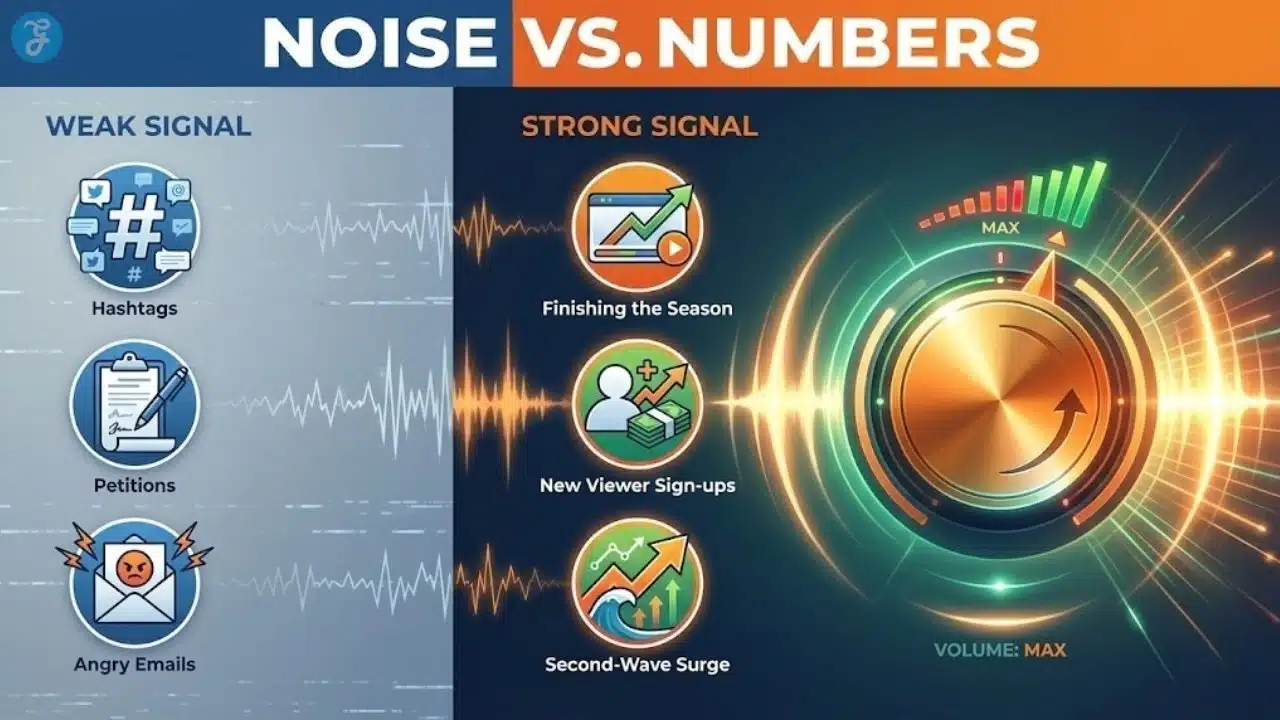
Social buzz is easy to fake and hard to convert into revenue. Viewing behavior is harder to fake and easier to model financially.
Platforms track signals like:
- How many accounts start the season
- How many accounts finish it
- How quickly viewers complete it
- Whether viewers stick around on the platform afterward
- Whether the show drives new sign-ups
A fan campaign helps when it pushes these numbers, not just hashtags.
Completion Creates Confidence
A show with a loyal finishing audience looks safer to renew than a show with high sampling and low follow-through. Completion suggests satisfaction and return intent.
If a campaign convinces more people to watch and finish fast, it strengthens the show’s case.
Cost Per Engaged Viewer Is The Hidden Judge
A niche show can survive if it is cheap. An expensive show needs scale, or it needs an audience that is unusually committed.
Fans often underestimate how much a platform weighs cost. You can win the cultural argument and still lose the business argument.
A Short History Of Fan Campaigns That Actually Worked
When people ask “can fans save a Netflix show,” they often remember a few famous cases. The truth is more complicated, but real wins exist.
Case Pattern 1: Netflix Picks Up A Cancelled Show From Somewhere Else
This pattern is common. A show gets cancelled on a network, fans rally, and Netflix sees demand and buys it. That means fans helped, but Netflix was not reversing itself. Netflix was buying a proven brand with a ready audience.
What makes this work:
- The show already has seasons that prove the concept.
- The audience is vocal and measurable.
- The production cost is manageable.
- Rights are available at a price Netflix likes.
This is where fan campaigns have historically had the strongest track record.
Case Pattern 2: Netflix Funds A Finale Or Wrap-Up
In some cases, the platform or the producers negotiate a closure option that is cheaper than a full renewal. Fans can help push that deal by raising the reputational cost of leaving the story unfinished.
This outcome depends on:
- How strongly the show’s ending frustrates viewers
- Whether the brand value matters to Netflix
- Whether the creators can deliver closure efficiently
Fans do not always get more seasons, but they sometimes get an ending.
Case Pattern 3: Another Platform Rescues The Show
This is the classic “saved by another service” story. Fans create attention. A rival platform sees a way to attract those fans and buy a ready-made community.
It happens most often when:
- The show fits the rival’s brand
- The rival wants to grow quickly
- The rival can acquire rights and produce at a sustainable cost
Fans can be the spark, but the deal still depends on rights and economics.
The Petition Myth: Why Signatures Alone Rarely Work
Petitions feel powerful because they create a visible number. Platforms do not renew shows based on signatures. They renew shows based on money and measurable engagement.
Petitions Do Two Useful Things
A petition can help in two ways:
- It gives the campaign a central hub and a story hook for press coverage.
- It signals coordination, which can help move people to watch.
The petition is not the lever. The petition is a billboard for the real lever.
Why Petitions Fail So Often
Petitions fail because:
- They do not prove that signers watched and finished the show.
- They do not prove that a renewal will earn more than it costs.
- They are easy to inflate with low-effort clicks.
- They can trend after the decision window has already passed.
A petition that moves 100,000 people to watch is valuable. A petition with 1,000,000 signatures and no viewing surge is not.
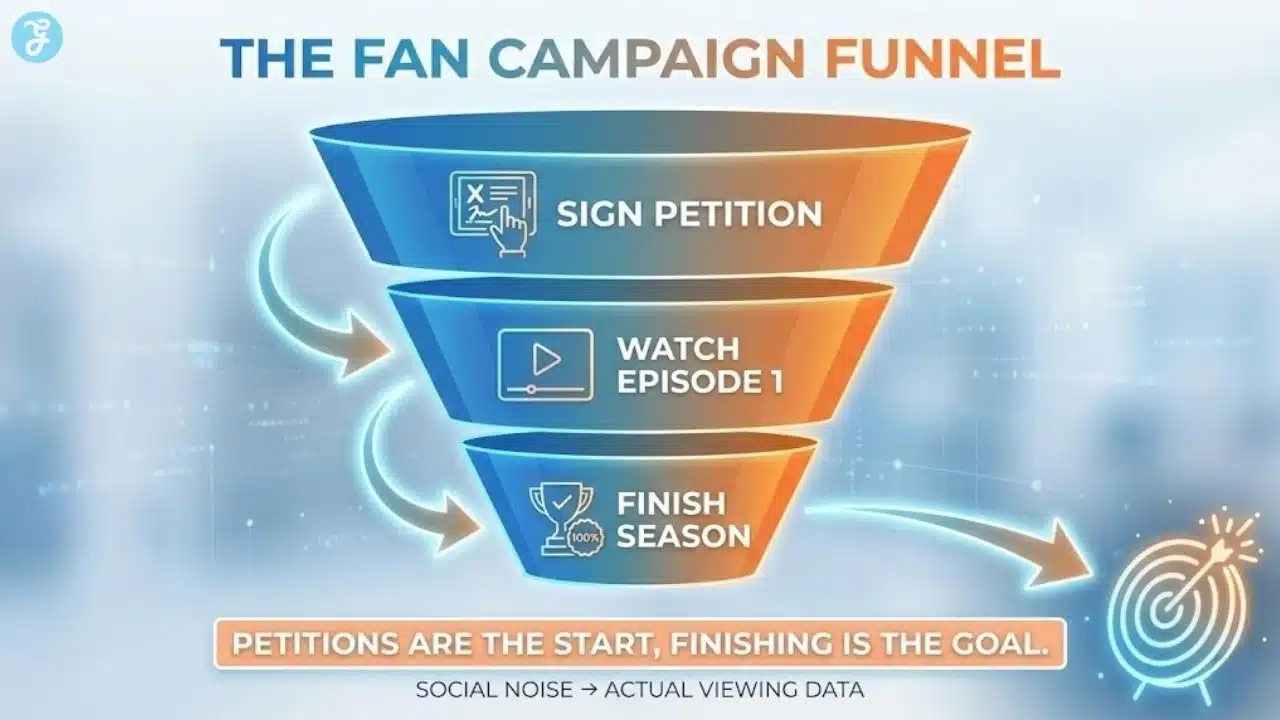
The Best Petitions Act Like Funnels
Effective campaigns treat the petition as step one, not the finish line. They attach clear instructions:
- Watch from Episode 1
- Finish the season
- Do it within a short window
- Bring in one new viewer who will finish
Fans often want an emotional outlet. A funnel creates measurable impact.
Hashtags can help, but not because they are magical. They help because they generate visibility that can convert into viewing.
A cancellation campaign can push casual viewers to try a show they missed. That matters because discovery is half the battle. A show cannot be saved by people who never pressed play.
Press coverage matters because it expands the audience beyond the existing fan base. A campaign that gets written about in mainstream outlets can create a second wave of viewers.
That second wave is where the platform may see a change in numbers.
If the hashtag trends but the show does not surge in viewing, the platform sees the gap. It learns that the noise does not equal demand.
Hashtags are marketing. Marketing only matters when it creates customers.
The “Second-Wave Watch” Strategy That Gives Fans A Real Chance
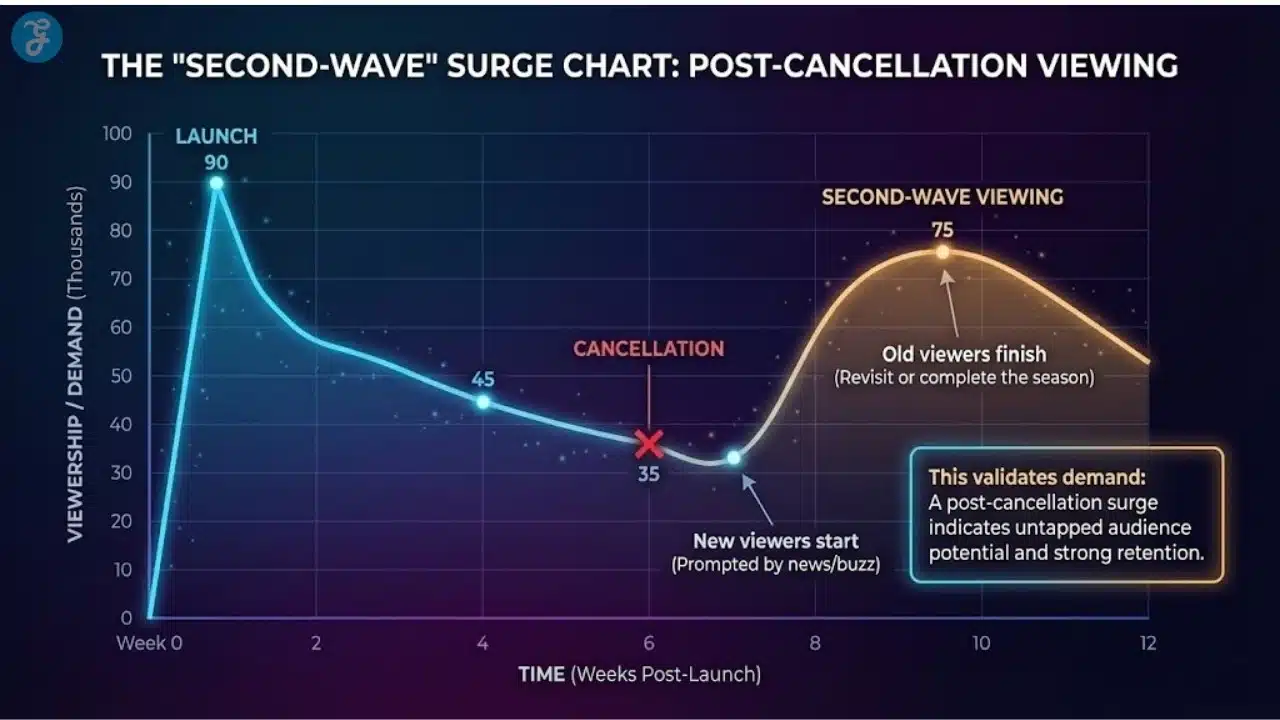
If you want the most practical answer to can fans save a Netflix show, focus on second-wave viewing. That means generating a clear spike after cancellation.
Netflix and other platforms pay attention when the cancellation itself increases demand. It suggests the show had untapped audience and missed timing.
What Second-Wave Viewing Looks Like
A strong second-wave watch surge usually has these traits:
- New viewers start at Episode 1, not random episodes
- Viewers finish the season quickly
- The show rises in visible charts again
- Conversation stays steady for more than a weekend
Fans do not need everyone to watch. They need enough watching to change the show’s risk profile.
How Fans Accidentally Kill Second-Wave Momentum
Fans often do these things that reduce impact:
- They watch only clips on social platforms and assume that counts.
- They rewatch their favorite episode instead of finishing the full season.
- They tell people to wait for renewal news before watching.
- They spread piracy links, which creates no measurable success for the platform.
If you want to help, you need to behave in a way the platform can count.
The Rights Problem: The Biggest Reason Pickups Fail
Many fan campaigns collapse because of rights. Fans rarely talk about rights because rights are boring. Rights are also the real gatekeeper.
Why Rights Block Rescues
A platform may want the show, but:
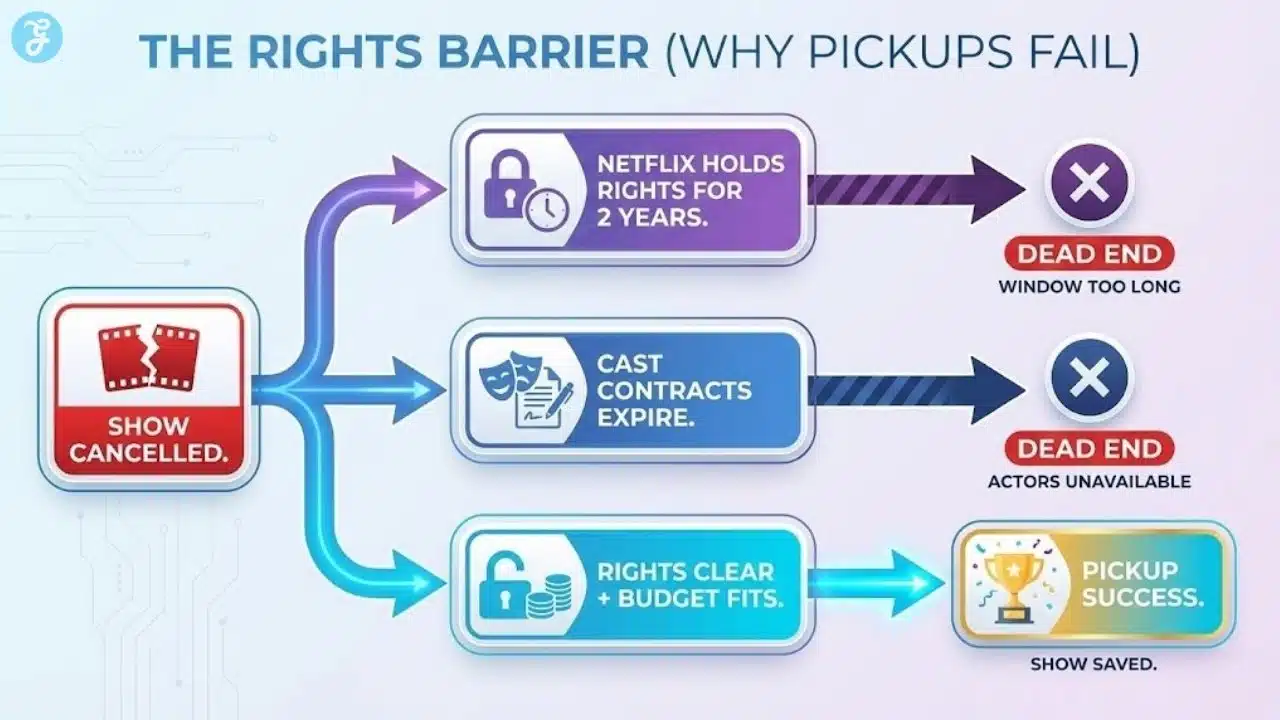
- Netflix may hold exclusive rights for a period of time.
- The studio may not want to sell at a discount.
- The cast may not be available when rights clear.
- The writers and producers may move on.
A show can be popular and still impossible to pick up quickly.
Why Some Pickups Take Years
When you see a revival years later, it often happened because:
- Rights windows expired
- A new platform bought the studio library
- The cast became available again
- The brand gained new relevance
Fans can keep the memory alive, but timing still controls the deal.
What Makes A Show “Saveable” In The First Place
Not every show can be saved. That does not mean it is bad. It means the deal is difficult.
Here are the most common traits of saveable shows:
They Have Manageable Costs
The show does not rely on constant visual effects or massive sets. It can produce new episodes without doubling the budget.
Lower cost raises rescue odds because another platform can take the risk.
They Have A Clear, Loyal Audience
The show has fans who:
- Finish seasons
- Rewatch
- Bring new viewers
- Stay engaged between seasons
Platforms love loyal audiences because they reduce marketing costs.
They Have A Strong Hook And Easy Entry
A show is more likely to get picked up when a new viewer can start and understand it quickly. Dense lore and complicated timelines can reduce rescue appeal because they increase the entry barrier.
They Have Unfinished Story Value
If the show ends on a major cliffhanger, it creates a closure opportunity. A wrap-up season or movie can feel like an event, which platforms can market as a win.
Closure value does not guarantee rescue, but it increases the incentive.
A Table Of Common Fan Tactics And What They Really Signal
Use this as a reality check. Some actions feel big but send weak business signals.
| Fan Action | What It Signals To Platforms | How To Make It Stronger |
| Petition signatures | Interest and coordination | Pair it with a watch and finish push |
| Hashtag trending | Visibility and cultural conversation | Convert it into new viewers who finish |
| Reviews and ratings | Satisfaction among viewers | Encourage complete-season reviews |
| Fan art and edits | Strong identity and community | Use it to drive discovery and starts |
| Billboards and stunts | Media story and fandom intensity | Tie the campaign to a viewing goal |
| Rewatch marathons | Loyalty | Rewatch full seasons, not only clips |
| Email campaigns | Organized pressure | Keep it respectful and data-driven |
Fans do not need to stop doing fun things. They just need to connect fun things to measurable watching.
When Netflix Is Most Likely To Reverse A Decision
Netflix can change course, but it usually does so under specific conditions. If you want to judge whether a show has a chance, look for these signals.
The Show Surges After Cancellation
A clear surge suggests Netflix misread demand or released the show into crowded timing. If the title jumps back into major visibility, Netflix may revisit the math.
The Show Has Strong Completion
If fans keep finishing the season, it suggests the audience is satisfied and likely to return. Completion reduces renewal risk.
The Show Is Not Too Expensive To Continue
The more expensive the show, the less likely a reversal. Netflix tends to avoid rescuing high-cost series unless they can deliver a major subscriber event.
The Studio Wants To Negotiate
Netflix does not own every show it streams. If the studio offers better terms, a reversal becomes easier. If the studio wants a high price, Netflix may walk away.
If Another Platform Picks It Up, What Usually Happens Next
A pickup is not the end of the story. It is the start of a new set of constraints.
The New Platform May Rebrand Or Restructure
A platform might:
- Shorten the season
- Change release style
- Recast or reduce the cast
- Adjust the tone to fit its brand
Fans may get more episodes, but they may also get a different version of the show.
The Show Might Get A “Final Season” Deal
Many pickups happen as closure deals. The new platform buys goodwill and subscribers by finishing the story. It might not plan to run the show for five more years.
If fans expect endless seasons, they can feel disappointed. If fans want closure, a final season can be a victory.
The Audience Must Follow
A pickup only succeeds if the audience moves. Fans must subscribe or watch on the new platform. If the audience does not follow, the revived show can be cancelled again quickly.
A Realistic Playbook For Fans Who Want To Save A Show
If your only goal is to answer “can fans save a Netflix show,” the playbook below is the most grounded approach. It does not guarantee success, but it maximizes odds.
Step 1: Organize A Clear Viewing Window
Pick a short window that creates measurable momentum. Aim for days and weeks, not months.
Step 2: Push Full-Season Completion
Encourage viewers to start at Episode 1 and finish the season. Make it simple. Make it repeatable.
Step 3: Bring In New Viewers, Not Only Existing Fans
A campaign needs growth. Existing fans rewatching helps, but new viewers finishing is the bigger signal.
Step 4: Keep Messaging Clean And Respectful
Harassment kills campaigns. It turns press against the fandom and gives platforms an excuse to ignore the noise.
Be firm, be organized, and be respectful.
Step 5: Create A Single Source Of Truth
A campaign does better when it has one hub that explains:
- What the show is
- Why it matters
- What to do today
- What success looks like
Confusion reduces conversions.
Step 6: Ask For Closure If A Full Renewal Is Unrealistic
Sometimes the smartest ask is a wrap-up movie or a limited final season. It gives platforms a lower-cost option and gives fans an achievable win.
For Creators: How To Make A Show More “Saveable”
This section matters because a show’s design affects rescue odds. Creators cannot control renewals, but they can control how easy it is for a new platform to continue the show.
Keep The Season Tight
A tighter season costs less and completes faster. It also makes the show easier to recommend.
Deliver A Satisfying Season Ending
Cliffhangers can boost urgency, but they can also backfire if the show is cancelled. A season ending that resolves a major arc while teasing more can protect fan trust.
Reduce Dependency On High-Cost Elements
If your show needs massive effects every episode, you limit rescue options. A platform might love the story but hate the production bill.
A controlled budget makes pickups easier.
Build A Clear Brand Identity
A show that is easy to describe is easier to market. “It is like X meets Y” can help new viewers discover it and stick with it.
So, Can Fans Save A Netflix Show In 2025 And 2026?
Yes, can fans save a Netflix show remains a real possibility, but the landscape is tougher. Platforms are more cost-sensitive and more willing to cut losses fast. That means fan campaigns must be sharper and more conversion-driven.
If you want to give a cancelled show a real shot, do not treat petitions like votes. Treat them like invitations to watch and finish. Treat hashtags like marketing, not magic. Treat the goal as a measurable demand that changes a platform’s risk model.
Fans cannot guarantee a save. Fans can create conditions where a save makes business sense. That is the difference between loud grief and strategic pressure.