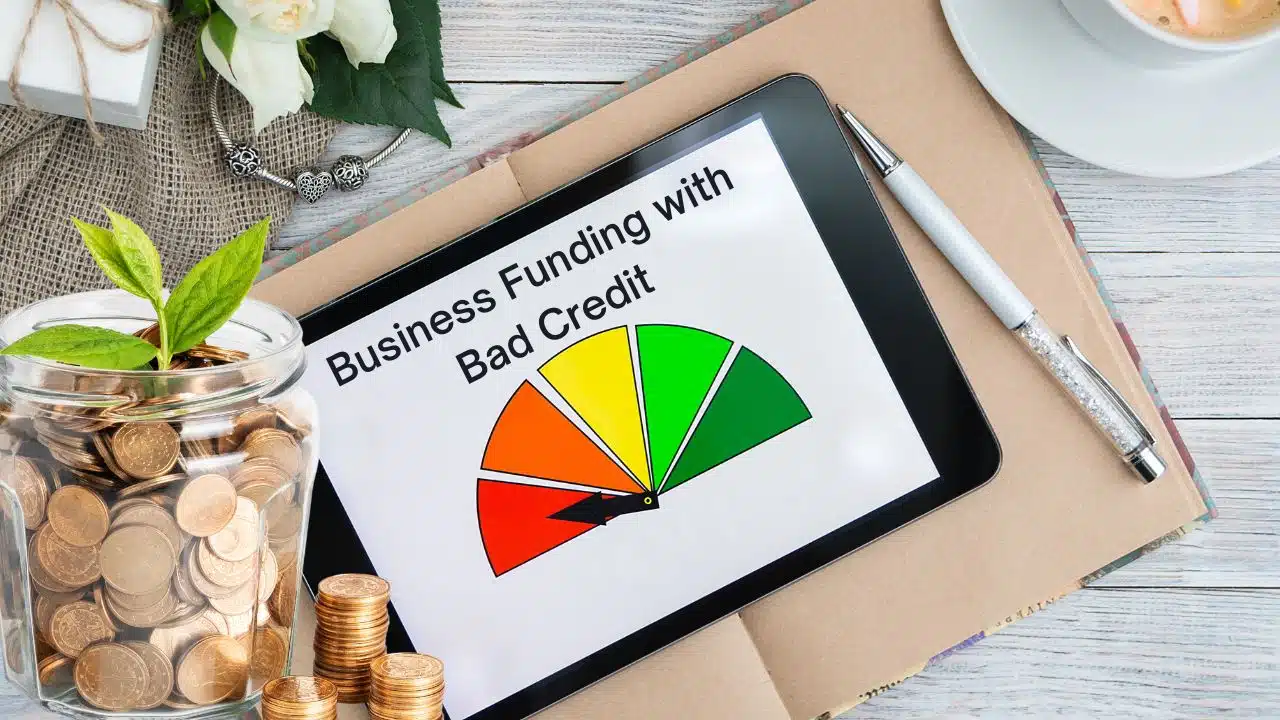
A bad personal or business credit score can get in the way of a great business idea for many ambitious entrepreneurs. It may seem like a low score is a solid wall, but it’s really more of a hurdle, especially in today’s financial world. Getting business funding with bad credit is definitely harder and more expensive, but it’s not impossible. The most important thing to remember is that many alternative lenders and specialized financial products put a business’s current cash flow and future revenue potential ahead of its past credit history. To be successful in this area, you need to stop thinking about traditional banking requirements and start showing that the business is stable right now and can always make money.
Why Credit Matters (And Why It Doesn’t Always)
Banks and other traditional lenders use credit scores (for both individuals and businesses) as their main way to measure risk. A low score means a higher chance of default, which is why they turn down loan applications.
But the world of specialized and alternative finance works in a different way. These lenders look at a wider range of things to figure out how risky a loan is, such as:
Daily or Monthly Revenue: People often think that a business with bad credit but steady, high sales is a good candidate for some kinds of funding.
Time in Business: Lenders like businesses that have been around for at least six months to a year and have a proven business model.
Assets and Collateral: If you’re willing to put up business assets, like equipment or real estate, as collateral, it can help lower the risk of having a low credit score.
Best Ways to Get Money with Bad Credit
When traditional routes are closed, many flexible funding options put cash flow ahead of credit, making it easy to get capital:
1. Merchant Cash Advances (MCAs)
If a business has bad credit and makes regular sales every day, the Merchant Cash Advance (MCA) is one of the quickest and easiest ways to get money.
How it Works: The funder gives the business a set amount of money in exchange for a share of its future daily or weekly credit and debit card sales.
The Focus: The credit score is not as important as the business’s revenue stability and volume when making a funding decision.
Warning: MCAs are quick and easy to get, but their effective cost of capital is often higher than that of other options because they are structured as a factor rate instead of an interest rate.
2. Invoice factoring or getting money for invoices
Invoice Factoring can help your business right away if customers take 30 to 90 days to pay. You don’t even need a good credit score.
How it Works: A finance company buys your unpaid bills (accounts receivable) at a discount and gives you a large amount of cash right away. After that, the company gets the full amount from your customer.
The main point is that the risk of not getting paid is based on how creditworthy your customers are, not on your business. This makes it a great choice for businesses that have clients who pay slowly but are financially stable.
3. Loans for short-term income
Online and alternative lenders offer these loans, which are different from regular bank loans because they mainly look at the business’s bank statements and revenue trends.
The Focus: Lenders want to see large, regular deposits into the business bank account to make sure the company can handle fast repayment schedules, which are often daily or weekly.
Repayment: Because of the risk, these loans usually have shorter terms and faster repayment cycles to protect the funder.
Strategic Moves for Borrowers with Bad Credit
When credit is a problem, use a strict, planned method to get funding:
Be aware of your numbers: Have perfect, current records, such as bank statements and reports on profits and losses. The more clearly you show that you are currently making money and have cash flow, the less important your past credit history becomes.
Start small: Only ask for the money you need. Getting a small, short-term loan and paying it back on time can help improve your business credit profile, which will make you eligible for better rates in the future.
Offer Collateral: If you can, use business assets that aren’t tied up in loans, like machinery or inventory, as collateral. This greatly lowers the lender’s risk and can result in better terms, even with a low credit score.
A business with bad credit can get the money it needs to not only get through a crisis, but also improve its financial reputation for the long term by targeting lenders who care about making money and using the right financial tools.