The horror film landscape is about to shift dramatically. Blumhouse Productions has officially completed a major acquisition—taking over Twisted Pictures’ share of the Saw franchise’s future. This move brings the globally successful horror property back under the creative leadership of its original architects, James Wan and Leigh Whannell, the team responsible for launching the franchise in 2004 with its first film.
This deal, spearheaded by CAA Evolution, marks a significant transition for one of the most iconic and financially successful horror series in modern cinema. It sets the stage for a new phase in the Saw universe—one that seeks to honor its brutal and clever legacy while infusing it with new creative energy.
The Franchise Comes Full Circle
Blumhouse now holds the rights to produce future Saw films, a stake that was previously controlled by Twisted Pictures’ founders, Oren Koules and Mark Burg. This shift essentially returns the franchise to its original creative roots. James Wan directed the very first Saw movie, while Leigh Whannell co-wrote it. The duo’s vision was responsible for launching a cultural phenomenon that has continued to captivate horror audiences for more than two decades.
Since its debut, the Saw franchise has expanded far beyond its cinematic origins. It includes ten films, several of which were major box office successes, along with tie-in comic books, video games, haunted attractions, Halloween masks, and themed merchandise. Collectively, the film series has grossed more than $1 billion worldwide, securing its place as one of the highest-grossing horror franchises in history.
Breakdown of the Ownership and Distribution Structure
Under the new deal structure, Blumhouse—via its merger with Atomic Monster, James Wan’s production company—has acquired the rights to create future Saw content. However, the franchise will still operate as a joint venture in some respects. Lionsgate, which has been involved in the Saw franchise from the beginning, retains a 50% ownership stake in the intellectual property. The studio will also continue to distribute any future films.
Meanwhile, the ownership of the existing Saw film library has also seen a shift. A company called Content Partners has acquired a stake in the library, working alongside Mark Burg, who retains a portion of those rights. Lionsgate remains the distributor of the existing film catalog and maintains its original share of ownership.
This complex but cooperative structure allows for continuity, ensuring that fans can expect both innovation and respect for the franchise’s legacy. With both old and new stakeholders at the table, the next chapter of Saw is poised to build on its strong foundation.
The Departing Producers Reflect on 20 Years of Horror Legacy
For longtime producers Oren Koules and Mark Burg, the sale represents the end of a two-decade journey. They were instrumental in shaping Saw into a cultural and financial juggernaut, starting from a small independent film project and turning it into a globally recognized brand.
Over the past 20 years, Koules and Burg worked closely with Lionsgate and various creatives to expand the universe, often experimenting with complex timelines, elaborate traps, and new characters. After the success of the tenth film, they felt it was the right time to step back and allow a new team—specifically the original creators—to take the reins. They expressed gratitude to the fans who remained loyal from the very beginning, as well as the actors, crew, and executives who contributed to building the franchise.
They also acknowledged the significance of the moment as a tribute to Gregg Hoffman, their original partner on Saw, who passed away in 2005. His early contributions were foundational to the series’ launch and early success.
James Wan and Leigh Whannell Make a Triumphant Return
James Wan and Leigh Whannell are not only returning to the Saw franchise—they are returning with renewed vision and experience. Since launching Saw, both filmmakers have built impressive resumes in the horror genre and beyond. Wan directed box office hits like The Conjuring, Insidious, and even mainstream blockbusters such as Aquaman. Whannell has earned critical acclaim for directing Upgrade and The Invisible Man.
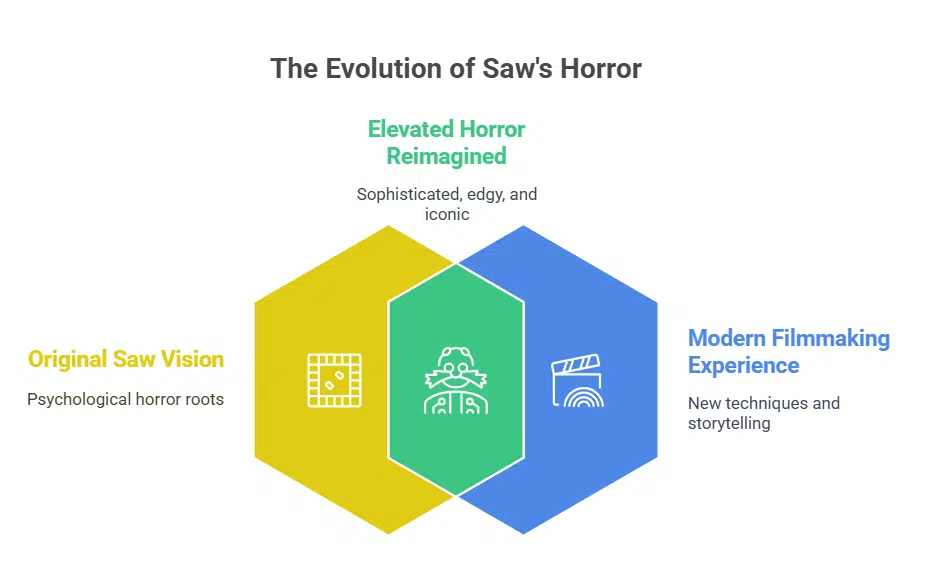
Their return to Saw marks a full-circle moment for both creators. They intend to reinvigorate the franchise by returning to its psychological horror roots while also pushing its boundaries in new and unexpected ways. This move is particularly notable, as neither has been directly involved with the series since its early sequels.
The plan is to combine their original creative instincts with everything they’ve learned in the years since—elevating Saw from its status as a slasher series into a more sophisticated, layered experience without losing the edge that made it iconic.
Blumhouse’s Strategic Vision for Saw
Blumhouse Productions is known for revolutionizing modern horror with its low-budget, high-impact approach. With successes like Paranormal Activity, The Purge, Get Out, and Halloween, the studio has proven time and again that it can breathe new life into genre properties while keeping production costs tight and audiences invested.
By adding Saw to its portfolio, Blumhouse has made a strategic investment in one of the most recognizable horror brands in the world. The studio sees significant potential not just in making new films but in expanding the brand through interactive media, streaming, and even immersive entertainment experiences such as haunted houses and VR projects.
The involvement of James Wan and Leigh Whannell further strengthens the value of this acquisition, bringing creative credibility and fresh vision to the table.
Lionsgate Stays On Board as Key Partner
While Blumhouse will drive the future creative direction, Lionsgate will remain deeply involved in the Saw universe. The studio has distributed every Saw film to date and continues to hold 50% of the franchise rights.
Executives at Lionsgate expressed their appreciation for Koules and Burg’s contributions and welcomed the transition to Blumhouse leadership. They see the future of Saw as a continuation of its rich legacy, and they trust that under James Wan and Jason Blum, the franchise is in expert hands.
What Lies Ahead for the Saw Universe?
The acquisition opens the door for new projects across multiple platforms. While no official announcements have been made regarding an 11th film, there is widespread industry speculation that a new installment is in the early stages of development.
Given the critical success of Saw X in 2023, which was praised for its return to form and character depth, fans can expect upcoming projects to maintain a balance between innovation and tradition. Blumhouse and Atomic Monster are also known for experimenting with limited series, streaming-exclusive films, and even animated or game-related spin-offs—any of which could be potential directions for Saw.
A Lasting Horror Legacy
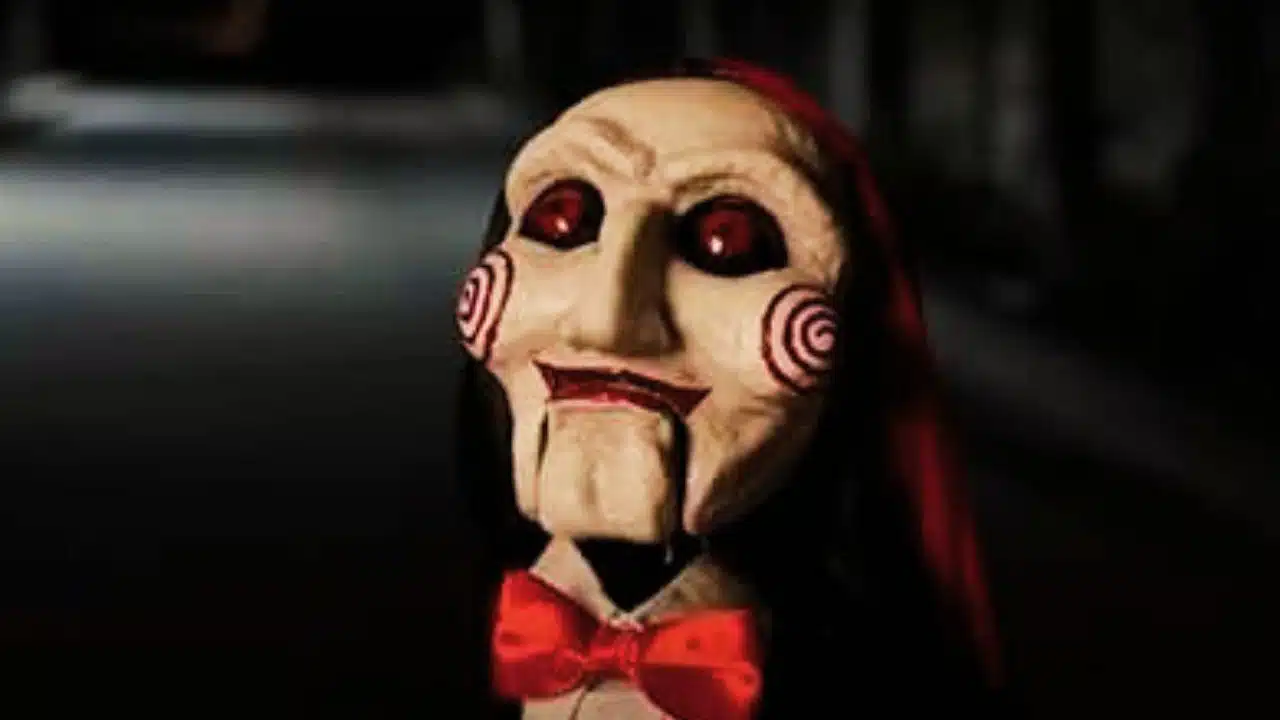
The Saw franchise has left an indelible mark on horror cinema. It introduced the world to Jigsaw—a villain who doesn’t kill directly but places his victims in life-or-death moral dilemmas. This concept, combined with brutal traps and plot twists, helped create a new subgenre often referred to as “torture horror” or “splatter horror.”
Its influence can be seen across horror films of the 2000s and 2010s, and its iconic visuals—such as the puppet Billy on a tricycle—remain instantly recognizable to audiences worldwide.
Blumhouse’s acquisition of Twisted Pictures’ share of the Saw franchise is not just a business transaction—it’s a cultural moment. With James Wan and Leigh Whannell returning, and Lionsgate continuing its involvement, the future of Saw looks set to blend the best of its history with the promise of new creative directions.
After more than 20 years, the game isn’t over. It’s just beginning a new round—with sharper traps, deeper stories, and the original masters once again behind the curtain.