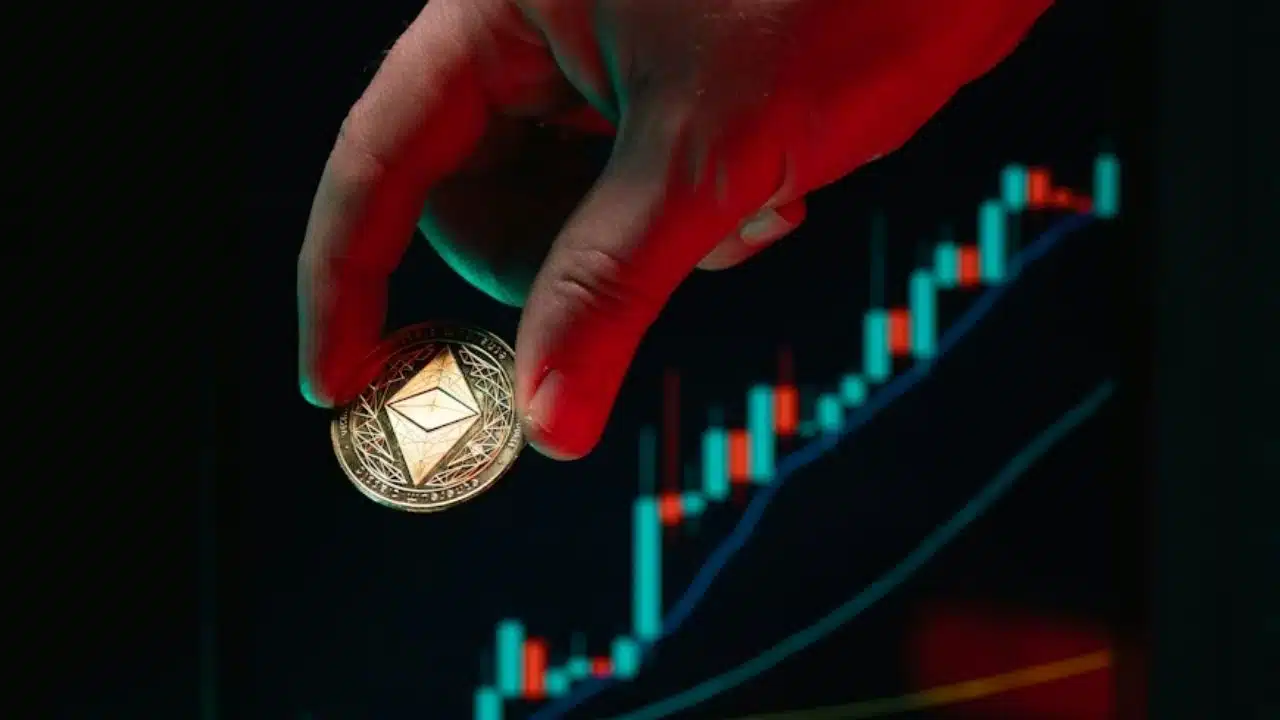
Amid a broader bear market, Bitcoin saw a brief rebound on 3 December 2025, climbing 2.6% to a 2-week high of about $93 965 before easing back to around $93 000 later in the day. Ether and other major cryptocurrencies also ticked higher, hinting that investor interest may be returning after sharp selloffs that began in early October following Bitcoin’s record near $126 000. More than $1 trillion in crypto market value has been wiped out in this period, and analysts warn that sentiment remains fragile despite the latest bounce.
Retail Interest Reignites as Investors Reassess Options
A major factor that contributed to the renewed interest has been retail investors deciding to take a chance to re-enter the market after the dip. Price drops and market dips have historically been favourable times for retail investors to buy in. Bitcoin and altcoins have a reputation for bouncing back after dips, signalling to investors when to rally. The recent dip and bounce back have once again started conversations about what the best way to buy crypto is. With the recent market activity, analysts are saying Bitcoin continues to be one of the best cryptocurrencies to buy following the selloffs, while other established cryptocurrencies like Solana and XRP are benefiting from recent speculation, diverse use cases, strong tokenomics, and institutional treasury allocations.
Advice on what to invest in remains divided, with Bitcoin investors and users torn between “HODL” optimism and over-leverage warnings, while many analysts predict that Solana can push up to reach targets of $500.
Market Headlines Drive Market Instability
Trading has been characterised by sudden, sharp fluctuations. These quick and steep dips have reminded users how sensitive the market is to new headlines. An example of how news headlines impacted Bitcoin’s price came on Monday when Strategy Inc. CEO Phong Le made suggestions that Strategy might sell Bitcoin holdings to cover debts. Following this announcement, Bitcoin’s price took a sudden dive. Even the company’s announcement of $1.4 billion in cash reserves to strengthen liquidity could not improve market sentiment after the dip.
Following the Strategy’s announcement, regulatory signals and institutional moves contributed to Bitcoin regaining some market value. An announcement by U.S. SEC Chairman Paul Atkins indicated that there are plans for the SEC to create an “innovation exemption” for digital asset companies. At the same time, a decision by Vanguard Group to allow the trading of crypto-focused ETFs and mutual funds added to renewed market optimism.
It is reported that around $400 million in bearish positions were eliminated following this policy announcement. In 24 hours, Bitcoin was able to rally through forced buybacks.
Why Bitcoin’s Rebound is So Meaningful
Bitcoin’s recent rally has been extremely modest; however, the rise in its price has been enough to encourage groups of traders. The rally has been characterised as a relief rally by QCP Group CEO Melvin Deng. He highlighted that Bitcoin has the potential to regain important market momentum. This, he suggests, creates an appealing point of re-entry into the market for any users or traders who have been holding back during the downward trend.
The latest rebound has created the opportunity for short-term traders to close out bearish positions and reduce the overall downward momentum of the cryptocurrency. It also indicates how improved liquidity has helped to stabilise trading volume, allowing Bitcoin to move away from recent low positions and climb in value once again.
Crypto Confidence Remains Under Pressure
Even though Bitcoin’s rebound has shown that the market has the potential to recover from a selloff period, many users and investors remain sceptical. Regulatory uncertainty continues to be one of the biggest factors that affects confidence in the cryptocurrency market. With several major exchanges across the United States and Europe facing scrutiny for compliance issues, investors and traders remain tentative about going all in on a cryptocurrency. The evolving nature of stablecoin regulation also has many users hesitating about making major decisions surrounding the market. As regulatory changes and tightening continue to dominate the headlines, minor developments continue to trigger sudden market instability.
Investors Torn Between Short-Term Positivity and Long-Term Caution
The back-and-forth nature of the current market is reflected in investor behaviour. Short-term traders have reacted to Bitcoin’s sudden rise with tactical buying, while long-term investors are keeping a cautious position. For the short-term investors, the recent lows have been a valuable entry point. They have huddled around buy-low strategies with the hopes of the market reentering a bull period. Long-term investors are implementing a much more conservative approach, waiting instead for the market to show clear signs of recovery before deciding to buy back in. Even though there is a divide between short and long-term traders, trading platform data indicates that traders are still wary of sudden pullbacks.
Navigating a Market Defined by Fragility
The chief question traders and investors are asking themselves is how to determine the best time and way to buy into the market. For many, the answer is simple. Caution remains the prevailing strategy for both short-term and long-term investors. Many users are diversifying their portfolios to protect against market declines and reduce exposure to high-risk assets. Another favoured approach for retail investors has been the dollar-cost averaging approach. This approach has given them the ability to build positions slowly over time while also reducing exposure to sudden market dips.
Long-Term Outlook Hinges on Stability
Ultimately, the long-term future and success of the Bitcoin market is going to require the market to stabilise. This is an important prerequisite for a sustainable recovery to take place. There have been glimmers of project stabilisation, with interest in Bitcoin’s fundamentals persisting. Largely driven by technological improvements, ongoing institutional expiration, and the potential impact of future supply reductions, interest in fundamentals has shown great promise in restoring market faith. Until full market confidence returns, however, the price of Bitcoin will most likely continue to fluctuate between low and high positions.