

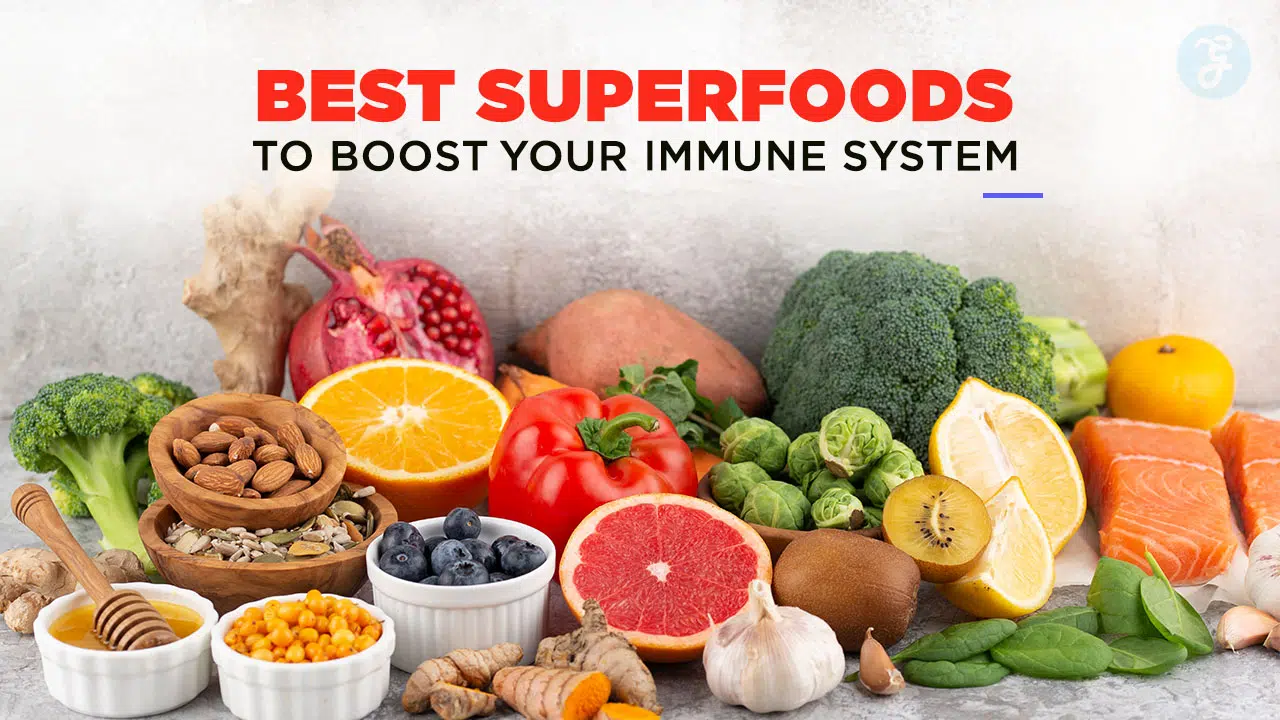
Maintaining a resilient defense against seasonal illnesses in 2026 requires more than just reactive habits. The modern understanding of nutrition emphasizes the role of bioactive compounds in strengthening the body’s natural response to pathogens. These nutrient-dense options provide the essential vitamins and minerals needed to keep the complex network of immune cells operating at peak efficiency.
The search for the best superfoods to boost your immune system leads to a variety of plant-based and fermented staples. Incorporating these foods into a daily routine can significantly impact overall wellness by reducing systemic inflammation and providing critical antioxidants. From the vibrant pigments of deep berries to the pungent compounds in fresh aromatics, each choice offers a unique mechanism for metabolic support.
How We Chose Our Top 15 List
Our selection for 2026 is based on current nutritional research focusing on bioavailability and the concentration of key micronutrients. We prioritized foods that offer multiple health benefits beyond simple calorie counts.
We applied the following weightings to our research and comparison:
| Criteria | Weighting | Focus Area |
| Nutrient Density | 40% | Concentration of Vitamin C, D, Zinc, and Selenium |
| Antioxidant Levels | 30% | Capacity to neutralize free radicals and reduce stress |
| Gut Health Support | 30% | Impact on the microbiome where most immune cells reside |
Detailed Review of the 15 Best Superfoods to Boost Your Immune System
The following fifteen superfoods represent the most effective dietary choices for enhancing your natural defenses this year. These items have been selected for their proven ability to support various stages of the immune response.
1. Citrus Fruits
Most people reach for citrus the moment they feel a cold coming on because of the high Vitamin C content. This essential micronutrient is thought to increase the production of white blood cells which are the frontline of defense against infections. Since the human body does not produce or store Vitamin C, daily intake is required to maintain a healthy system.
Special Features:
-
High concentration of ascorbic acid for cellular repair.
-
Versatile usage in juices, salads, and marinades.
-
Natural source of bioflavonoids that protect cell health.
Things to Consider:
-
Excessive consumption of acidic juices can affect tooth enamel.
-
Whole fruits are better than juices to ensure fiber intake.
-
Store-bought juices often contain added sugars that can cause inflammation.
Best for: Individuals looking for a quick and accessible daily dose of foundational vitamins.
2. Red Bell Peppers
While citrus is famous for Vitamin C, red bell peppers actually contain nearly three times as much per ounce. They are also a rich source of beta-carotene which the body converts into Vitamin A to help keep eyes and skin healthy. The vibrant red color is a direct indicator of the high levels of phytochemicals present in the vegetable.
Special Features:
-
Higher Vitamin C content than almost any other common vegetable.
-
Rich in beta-carotene for skin and eye health.
-
Low calorie and high fiber profile for metabolic support.
Things to Consider:
-
Cooking at high heat can degrade some of the heat-sensitive Vitamin C.
-
Organic options are recommended to avoid pesticide residue.
-
Slicing them raw is the most effective way to preserve all nutrients.
Best for: Those who want to maximize their vitamin intake without the sugar found in fruit.
3. Broccoli
Broccoli is a nutritional powerhouse that provides a wide array of vitamins A, C, and E alongside potent antioxidants. It contains sulforaphane which has been shown to switch on antioxidant genes and enzymes in specific immune cells. This cruciferous vegetable is most effective when consumed raw or lightly steamed to keep its chemical structure intact.
Special Features:
-
High levels of sulforaphane for detoxification and immune support.
-
Excellent source of fiber to promote digestive health.
-
Contains glutathione which helps the body fight free radicals.
Things to Consider:
-
Overcooking until mushy removes the majority of beneficial enzymes.
-
Some people experience bloating from raw cruciferous vegetables.
-
Pairing with a healthy fat like olive oil helps with vitamin absorption.
Best for: Health enthusiasts who want a dense source of minerals and fiber in their meals.
4. Garlic
Garlic has been used for centuries as a natural fighter against viruses and bacteria due to its active compound allicin. This sulfur-containing compound is released when the garlic is crushed or chewed and provides potent antimicrobial properties. It is also known for supporting heart health by helping to lower blood pressure and cholesterol levels.
Special Features:
-
Allicin provides a natural defense against common pathogens.
-
Helps stimulate the production of natural killer cells.
-
Long shelf life and easy to incorporate into almost any savory dish.
Things to Consider:
-
The pungent smell can be off-putting for some users.
-
Raw garlic is significantly more potent than cooked versions.
-
Crushing the cloves and letting them sit for ten minutes activates the allicin.
Best for: People seeking a natural and time-tested way to ward off common infections.
5. Ginger
Ginger is a go-to ingredient for reducing inflammation and easing the symptoms of a sore throat. Its primary bioactive compound gingerol is responsible for much of its medicinal properties including its ability to reduce chronic pain. It also helps with digestion and nausea which indirectly supports the body’s ability to recover from illness.
Special Features:
-
Potent anti-inflammatory and antioxidant properties from gingerol.
-
Natural remedy for digestive issues and morning sickness.
-
Can be consumed easily as a tea or added to stir-fry dishes.
Things to Consider:
-
Fresh ginger is more effective than the dried or powdered versions.
-
It can have a “spicy” heat that some may find too intense.
-
May interact with certain blood-thinning medications if taken in large doses.
Best for: Anyone dealing with inflammatory symptoms or seeking digestive comfort.
6. Spinach
Spinach is on our list because it is not just rich in Vitamin C but also packed with beta-carotene and various antioxidants. These compounds increase the infection-fighting ability of our immune systems by supporting the health of our mucous membranes. Like broccoli it is healthiest when cooked as little as possible to retain its delicate nutrients.
Special Features:
-
High levels of folate which helps the body produce new cells.
-
Contains lutein and zeaxanthin for long term eye health.
-
Versatile enough to be used in smoothies or as a salad base.
Things to Consider:
-
Contains oxalic acid which can inhibit the absorption of some minerals.
-
Lightly steaming makes it easier to absorb the Vitamin A.
-
It wilts significantly when cooked so you need a large volume for a serving.
Best for: Vegetarians and vegans looking for a plant-based source of iron and vitamins.
7. Yogurt with Live Cultures
Greek yogurt and other varieties with “live and active cultures” can stimulate your immune system to help fight diseases. These probiotics represent the good bacteria that live in your gut and prevent harmful pathogens from taking hold. A healthy gut is often considered the foundation of a strong immune response because it houses the majority of the body’s immune cells.
Special Features:
-
Probiotics to support a balanced and healthy gut microbiome.
-
High protein content which is essential for building antibodies.
-
Often fortified with Vitamin D to regulate the immune system.
Things to Consider:
-
Many flavored yogurts are loaded with added sugars that hurt immunity.
-
Plain Greek yogurt is the most nutritionally sound option.
-
Dairy-free alternatives are available for those with lactose sensitivities.
Best for: Maintaining long term gut health and providing a protein-rich snack.
8. Almonds
While Vitamin C is the most famous immune booster Vitamin E is an equally powerful antioxidant that is key to a healthy system. Almonds are packed with this fat-soluble vitamin and contain the healthy fats necessary for its proper absorption. Just a half-cup serving provides nearly 100 percent of the recommended daily amount of Vitamin E.
Special Features:
-
Excellent source of Vitamin E and manganese for cellular protection.
-
Contains healthy monounsaturated fats for heart health.
-
Portable and satisfying snack that helps maintain energy levels.
Things to Consider:
-
They are calorically dense so portion control is important.
-
Roasted and salted varieties add unnecessary sodium to the diet.
-
Raw or dry-roasted almonds are the best choice for daily consumption.
Best for: Busy individuals who need a convenient and nutrient-dense healthy snack.
9. Turmeric
This bright yellow spice has been a staple in traditional medicine for its powerful anti-inflammatory effects. The active ingredient curcumin is a potent immune modulator that can influence the activity of T-cells and B-cells. It is frequently used to manage conditions like arthritis but its benefits for general immunity are well documented.
Special Features:
-
Curcumin provides a natural way to manage systemic inflammation.
-
Boosts the body’s own antioxidant enzymes to fight stress.
-
Adds a distinct flavor and vibrant color to curries and lattes.
Things to Consider:
-
Curcumin is poorly absorbed into the bloodstream on its own.
-
Consuming it with black pepper increases absorption by 2000 percent.
-
It can stain countertops and clothing due to its strong pigment.
Best for: Those interested in using functional spices to manage inflammation.
10. Green Tea
Both green and black teas are filled with flavonoids which are a type of antioxidant that supports the immune system. Green tea excels because it is steamed rather than fermented which preserves the powerful antioxidant EGCG. It also contains the amino acid L-theanine which may aid in the production of germ-fighting compounds in your T-cells.
Special Features:
-
Rich in EGCG to protect cells from damage and infection.
-
Contains a small amount of caffeine for a gentle energy boost.
-
L-theanine helps promote relaxation without causing drowsiness.
Things to Consider:
-
Adding milk to tea can reduce the antioxidant activity of some compounds.
-
Drinking too much can lead to caffeine sensitivity for some users.
-
High-quality loose leaf tea usually offers more nutrients than tea bags.
Best for: A daily ritual that provides both hydration and a steady flow of antioxidants.
11. Papaya
Papaya is another fruit loaded with Vitamin C where a single small fruit provides 100 percent of the daily recommended amount. It also contains a digestive enzyme called papain that has anti-inflammatory effects throughout the body. Furthermore papayas have decent amounts of potassium and folate which are beneficial for overall health.
Special Features:
-
High Vitamin C and Vitamin A content for immune and skin health.
-
Papain enzyme to assist with digestion and reduce inflammation.
-
Refreshing tropical flavor that pairs well with lime juice.
Things to Consider:
-
Ripe papayas have the highest concentration of beneficial nutrients.
-
The seeds are edible but have a very strong and peppery taste.
-
Not as widely available year-round as citrus or apples.
Best for: Adding variety to your fruit intake with a boost of digestive enzymes.
12. Kiwi
Kiwis are naturally full of essential nutrients including folate and potassium and Vitamin K. Like other citrus fruits they are a massive source of Vitamin C which helps the body generate white blood cells to fight infection. The combination of fiber and antioxidants makes it a very nutritionally dense choice for any diet.
Special Features:
-
Extremely high Vitamin C levels often surpassing oranges per gram.
-
Rich in fiber to support digestive regularity and gut health.
-
Contains various polyphenols that protect against oxidative stress.
Things to Consider:
-
The skin is edible and contains a large amount of the fruit’s fiber.
-
Some individuals may have a mild allergy to kiwi fruit.
-
Best eaten raw to preserve the high vitamin content.
Best for: A tart and nutrient-packed addition to fruit salads or breakfast bowls.
13. Sunflower Seeds
Sunflower seeds are full of phosphorus and magnesium and Vitamin B-6 which are all essential for a healthy immune system. They are also incredibly high in Vitamin E which is a powerful antioxidant that helps maintain immune function by fighting off free radicals. A small handful provides a significant portion of your daily mineral requirements.
Special Features:
-
High Vitamin E and selenium for protecting cells from damage.
-
Good source of plant-based protein and healthy fats.
-
Easy to sprinkle on salads or add to homemade granola.
Things to Consider:
-
Shelled seeds can be very high in sodium if they are roasted and salted.
-
They are high in calories so a small handful is usually enough.
-
Raw seeds provide the most unaltered nutritional benefits.
Best for: Adding a crunchy texture to meals while boosting mineral intake.
14. Shellfish
Many types of shellfish are loaded with zinc which is a mineral that our bodies need for immune cells to function as they should. Oysters and crab and mussels are among the highest sources of this essential micronutrient. While the body does not require massive amounts of zinc having a deficiency can significantly weaken your immune response.
Special Features:
-
Excellent source of zinc and high-quality lean protein.
-
Contains Vitamin B-12 which is vital for energy and brain health.
-
Provides heart-healthy omega-3 fatty acids in low-calorie form.
Things to Consider:
-
Some people have severe allergic reactions to various types of shellfish.
-
It is important to source shellfish from clean and sustainable waters.
-
High mercury content can be a concern with certain larger species.
Best for: Occasional high-density mineral support for the immune system.
15. Dark Chocolate
Dark chocolate contains an antioxidant called theobromine which may help to boost the immune system by protecting the body’s cells from free radicals. It also contains magnesium which is vital for supporting the immune system and helping lymphocytes bind to pathogens. To get the most benefits you should choose chocolate that is at least 80 percent cocoa.
Special Features:
-
High levels of flavonoids and magnesium for cellular support.
-
Can help lower blood pressure and improve blood flow.
-
A satisfying treat that can improve mood and reduce stress.
Things to Consider:
-
It is still high in calories and should be consumed in moderation.
-
Lower cocoa percentages mean more sugar and fewer health benefits.
-
Avoid brands with excessive additives or artificial flavorings.
Best for: A small and guilt-free treat that provides legitimate health benefits.
Immune Boosting Superfood Market Overview 2026
The current year has seen a surge in “functional eating,” where consumers choose ingredients specifically for their biological benefits. There is a notable trend toward ancient grains and fermented products that offer a more holistic approach to health.
| Superfood | Primary Nutrient | Key Benefit | 2026 Availability |
| Citrus Fruits | Vitamin C | White blood cell production | High |
| Elderberries | Anthocyanins | Antiviral properties | Seasonal/Extract |
| Ginger | Gingerol | Anti-inflammatory | High |
| Greek Yogurt | Probiotics | Gut microbiome balance | High |
| Turmeric | Curcumin | Immune modulation | High |
How Should You Choose The Best Option For You
Choosing from the best superfoods to boost your immune system should be based on your current gaps in nutrition. If you rarely eat vegetables then starting with a daily serving of broccoli or spinach is the most impactful change you can make. For those who travel often or have high stress levels incorporating portable snacks like almonds or sunflower seeds can provide a steady flow of Vitamin E.
It is also important to consider the seasonality and availability of these foods in your region. Citrus and sweet potatoes are excellent staples for the winter months when fresh berries might be harder to find or more expensive. By rotating these superfoods throughout the year you ensure that your body receives a diverse range of phytochemicals and minerals to keep your immune system resilient.
To recap:
| Category | Top Pick | Primary Reason |
| Highest Vitamin C | Red Bell Peppers | Ounce for ounce they contain more Vitamin C than citrus. |
| Best for Gut Health | Greek Yogurt | Provides live probiotics that are essential for immune function. |
| Best for Inflammation | Turmeric | Curcumin is a world-class modulator of the immune response. |
| Best Convenience | Almonds | A shelf-stable and portable source of Vitamin E and fats. |
Wrap-Up
The variety of the best superfoods to boost your immune system in 2026 makes it easy to build a diet that supports long-term health. Rather than relying on expensive supplements, these whole foods provide a synergistic blend of nutrients that the body can easily recognize and utilize. By focusing on colorful produce and fermented staples you can create a natural shield against the stresses of modern life. Consistency is the most important factor so try to include at least two or three of these superfoods in your daily meals to maintain a vibrant and healthy immune system.































