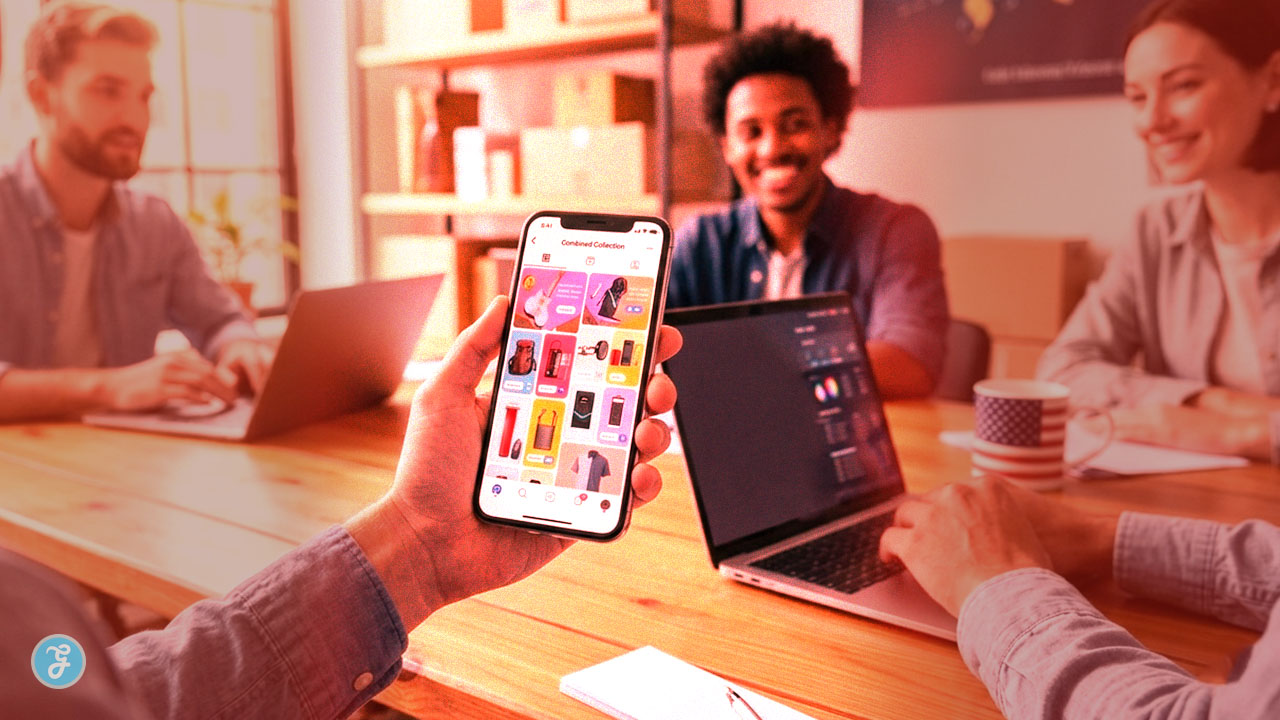
The US social commerce landscape has reached a massive turning point in 2026, where the boundary between social media scrolling and digital storefronts has completely disappeared. With native tools like TikTok Shop and Instagram Shopping now handling everything from discovery to final checkout, businesses that fail to adapt their strategy to these in-app environments risk losing touch with a generation of consumers who no longer use traditional search engines to find products.
How We Selected Our 9 Best Practices for Social Commerce in USA
To ensure these strategies provide the highest possible return on investment, we analyzed current 2026 performance data from leading retail brands and independent creator-led shops. Our selection focused on identifying the specific tactical shifts that move the needle from simple engagement to verifiable sales conversions in the current American market.
-
Conversion Efficiency: We prioritized tactics that reduce the number of clicks between a viewer seeing a product and completing a purchase.
-
Trust and Authenticity: We looked for methods that leverage social proof and human connection rather than traditional hard-sell advertising.
-
Technological Readiness: We evaluated how emerging AI and AR tools are actually being used by high-growth social sellers.
The following benchmarks were used to filter and refine the most effective methods for scaling a social brand this year.
| Benchmark | Importance | Strategic Focus |
| In-App Retention | High | Keeping users within the social ecosystem |
| Content Velocity | High | Frequency of shoppable video posts |
| Creator Synergy | Medium | Alignment between brand and influencer |
| Tech Integration | Medium | Seamless inventory and shipping sync |
9 Vital Strategies: Best Practices for Social Commerce in USA
Mastering these techniques allows your brand to transform from a passive observer of trends into an active participant in the social economy. These tips are designed to help you navigate the sophisticated algorithms and high consumer expectations that define the 2026 marketplace.
1. Prioritize Short-Form “Enter-trainment”
In the current US market, static ads are being replaced by short-form videos that combine entertainment with educational value, often referred to as enter-trainment. Your content should focus on solving a problem or providing a “hack” while naturally featuring your product in action to keep viewers engaged long enough to click the shop icon.
Best for: Visual products in the beauty, home, and fashion categories.
Why We Chose It: Video consistently drives higher click-through rates and better retention than any other format in 2026.
Things to consider: The first three seconds are critical for stopping the scroll, so use a strong visual hook.
2. Build a Creator-Led Affiliate Network
Creator-led commerce is the new word of mouth, where consumers trust individual recommendations over polished corporate messaging. By building a network of micro-influencers who receive a commission on sales, you create an army of authentic advocates who speak the specific language of their niche communities.
Best for: Small to medium businesses looking to scale without massive upfront ad spend.
Why We Chose It: Affiliate models align the interests of the brand and the creator, ensuring higher quality content.
Things to consider: Ensure your creators have full creative freedom to maintain their authenticity with their audience.
3. Implement Native In-App Checkout
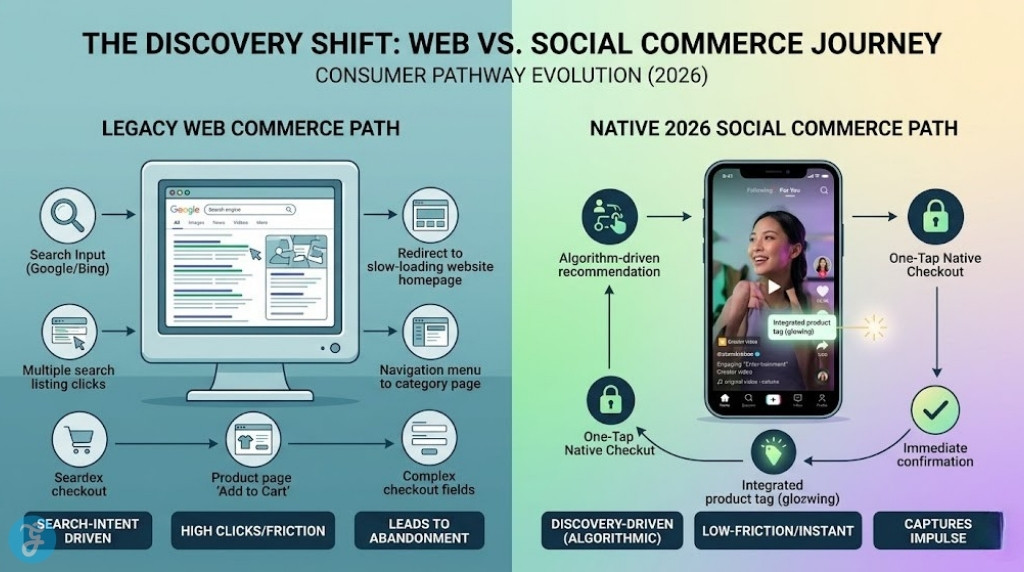
One of the biggest friction points in social commerce is the redirect to an external website, which often leads to cart abandonment. Native checkout tools like those found on TikTok and Instagram allow users to pay in two taps without leaving the app, significantly boosting conversion rates for impulse-led purchases.
Best for: Brands selling low-to-mid price point items that trigger impulse buys.
Why We Chose It: Reducing clicks is the fastest way to increase revenue in a mobile-first world.
Things to consider: Managing inventory across multiple native shops requires a robust backend synchronization tool.
4. Host Weekly Live Shopping Events
Live shopping has matured into a staple of American retail, creating a sense of urgency and community that static posts cannot replicate. Hosting regular live streams where you answer questions in real time and offer live-only discounts helps build deep trust and accelerates the decision-making process for hesitant buyers.
Best for: Building a loyal community and clearing specific inventory lines quickly.
Why We Chose It: Real-time interaction provides the touch and feel experience that is usually missing from online shopping.
Things to consider: Consistency is key, so set a regular schedule that your followers can rely on.
5. Optimize for Social Search and AI
As social platforms increasingly function like search engines, your captions and video transcripts must be optimized with relevant keywords. In 2026, this also includes making your content scannable for AI-powered discovery bots that recommend products to users based on their conversational queries.
Best for: Improving organic discovery without relying solely on paid promotions.
Why We Chose It: SEO is no longer just for Google; it is now a fundamental part of the social discovery path.
Things to consider: Use natural language in your captions rather than stuffing them with hashtags.
6. Focus on Community Management in DMs
The comment-to-buy and DM-for-info pathways are powerful drivers of conversational commerce that many brands overlook. Responding to direct messages and comments within minutes creates a concierge-like experience that can flip a maybe into a yes before the customer moves on to another post.
Best for: High-ticket items or products that require a level of personalized consultation.
Why We Chose It: Speed of response is directly correlated with customer satisfaction and conversion in the social space.
Things to consider: Use AI-powered chatbots to handle basic queries while keeping human agents for complex sales.
7. Leverage High-Quality User-Generated Content
User-Generated Content (UGC) provides the social proof that 2026 shoppers demand before they pull out their credit cards. Featuring real customers using your products in their own environments creates a relatability factor that high-budget studio photography simply cannot match.
Best for: Establishing brand credibility and showing the real life utility of your products.
Why We Chose It: People buy from people they relate to, and UGC is the most relatable form of content.
Things to consider: Always ask for permission and tag the original creator to foster goodwill in your community.
8. Integrate AR Try-On Experiences
Augmented Reality (AR) filters that allow users to try on makeup, glasses, or even see furniture in their room are no longer futuristic novelties. These tools reduce the product uncertainty that leads to high return rates and provide a fun, interactive element that keeps users on your social storefront longer.
Best for: Fashion, beauty, and home decor brands where fit and aesthetic are paramount.
Why We Chose It: AR dramatically reduces return rates by giving customers a better sense of the product.
Things to consider: The quality of the AR must be high to avoid looking like a low-resolution gimmick.
9. Synchronize Omnichannel Backend Systems
The final pro tip is purely operational: ensure your social storefronts are perfectly synced with your warehouse and logistics systems. Overselling an item on social because your website did not update fast enough is a quick way to damage your reputation and get penalized by platform algorithms.
Best for: Experienced retailers moving toward a full omnichannel sales model.
Why We Chose It: Operational excellence is what separates professional social brands from amateur side-hustles.
Things to consider: Choose an e-commerce platform that offers deep, real-time integration with social APIs.
An Overview Of Best Practices for Social Commerce in USA
Comparing these strategies involves looking at their immediate impact versus the long-term effort required to maintain them. The following data points provide a snapshot of how these tactics function within a standard 2026 marketing stack.
| Strategy | Speed to Revenue | Technical Effort | Primary Goal |
| Native Checkout | Very Fast | High | Transaction Friction |
| Enter-trainment | Fast | Medium | Audience Discovery |
| Live Shopping | Immediate | Medium | Urgency and Trust |
| AR Try-On | Slow | Very High | Return Reduction |
| Social SEO | Medium | Low | Organic Growth |
Our Top 3 Picks and Why?
-
Native In-App Checkout: This is the single most effective way to improve your bottom line today. By keeping the transaction inside the app, you capitalize on the exact moment of inspiration, removing the distractions that often happen when a browser opens a new tab.
-
Short-Form Enter-trainment: We chose this because it is the engine that feeds all other strategies. Without engaging, value-driven video content, you will never get the views necessary to trigger a native checkout or a live stream.
-
Creator-Led Affiliates: This pick addresses the 2026 trust deficit. People are increasingly immune to corporate ads, but they still listen to creators who have built a reputation for being honest and knowledgeable in their niche.
How to Choose the Right Best Practices for Social Commerce in USA by Yourself?
Developing your custom social commerce roadmap requires a realistic look at your available resources and where your target audience spends most of their scroll time. Use the following framework to decide which tactics should be your priority for the coming quarter.
The Selection Framework
-
Identify Your Primary Platform: If your audience is Gen Z, focus on TikTok Shop; if they are Millennials, prioritize Instagram Shopping and Facebook.
-
Audit Your Video Capabilities: Do you have the resources to produce 3-5 high-quality enter-trainment videos a week? If not, prioritize the Creator Affiliate model first.
-
Check Your Tech Stack: Ensure your current e-commerce platform can handle API-first integrations for real-time inventory management.
-
Assess Your Sales Cycle: If your product is complex and expensive, prioritize Live Shopping and DM management over quick impulse native checkouts.
The decision matrix below helps you align your specific business type with the most effective 2026 social commerce tactics.
| Choose this Strategy if… | Your Business Model |
| You sell beauty or fashion items. | AR Try-On & Native Checkout |
| You have a high-energy founder or team. | Weekly Live Shopping Events |
| You are a small brand with no ad budget. | Creator Affiliate & UGC Focus |
| You sell tools or complex gadgets. | Short-Form “Enter-trainment” |
The Final Checklist
-
Confirm your social catalogs are synced and showing accurate stock levels.
-
Verify that your native checkout Buy buttons are live and functional on all platforms.
-
Establish a weekly schedule for reviewing your social search keyword performance.
-
Draft a set of templates for your DM community managers to ensure quick responses.
-
Create a simple brief for your affiliate creators to guide their content without stifling it.
Future-Proofing Your Social Sales Strategy
The most successful American brands in 2026 are those that view social commerce not as a marketing channel, but as a fully-fledged retail environment. By focusing on reducing friction, building trust through human creators, and maintaining a high-performance backend, you can stay ahead of the curve as social media continues to replace the traditional storefront.
Frequently Asked Questions About Best Practices for Social Commerce in USA
Is TikTok Shop or Instagram Shopping better for US sales?
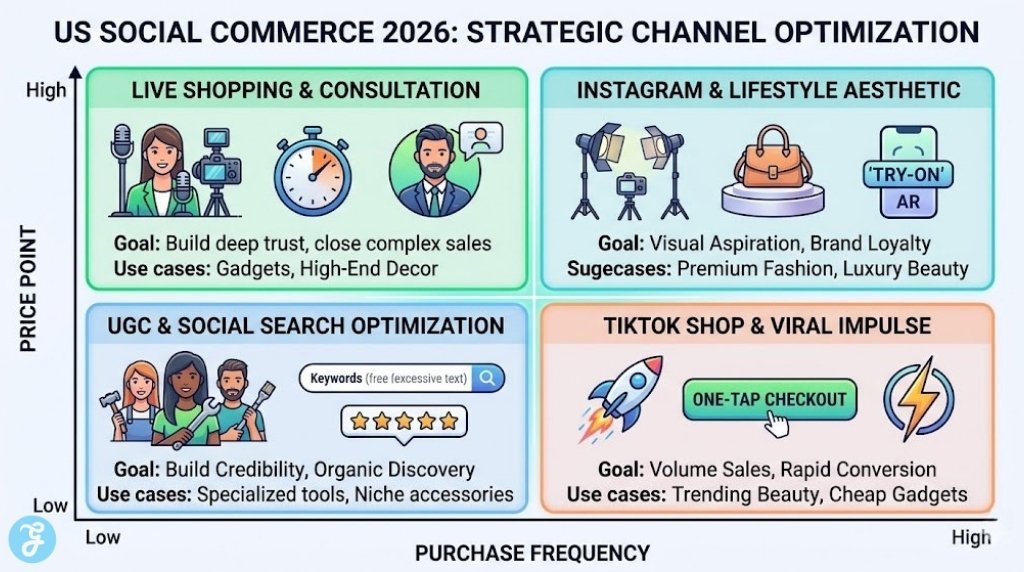
Answer: In 2026, TikTok Shop generally has higher conversion rates for viral, impulse-buy items, while Instagram Shopping remains the leader for high-end lifestyle and aesthetic-driven brands.
Answer: Yes, your website remains your home base for SEO and long-term customer data, but for the actual transaction, the social shop will likely handle the majority of your new customer acquisitions.
Answer: Standard affiliate commissions usually range between 10% and 25%, depending on the category and the level of influence the creator brings to the partnership.
How often should I post shoppable content?
Answer: For maximum reach in 2026, brands should aim for at least one shoppable video or post per day, supplemented by several educational or community-building posts.
Answer: While AI can handle roughly 80% of routine questions, high-value customers still expect a human touch for complex issues or personalized styling advice.