Finding the best houseplants for San Francisco often means working with the city’s coastal character—fog-filled mornings, cool evenings, and homes that rarely receive strong, direct sunlight. Yet these same conditions create an environment where certain plants truly flourish. Many species that struggle in warmer states or intense light actually perform beautifully inside San Francisco homes, especially those adapted to filtered sun, steady humidity, and mild temperatures.
For homeowners who want greenery that feels effortless and resilient, choosing houseplants that thrive in Bay Area conditions can transform even the smallest apartment into a calming indoor retreat. From sculptural foliage to dependable low-light growers, the right plants not only survive here—they thrive.
Why San Francisco Houseplants Need Special Treatment
San Francisco’s fog, filtered daylight, and cool indoor temperatures create a growing environment unlike most American cities. The plants that thrive here are those built for softer light and steady moisture.
Bay Area microclimates in a nutshell
San Francisco is famous for its microclimates. UC Master Gardeners describe the region as a patchwork of cool coastal fog belts, mild bayside zones, and warmer inland pockets, with sharp changes in temperature and wind over short distances.
From a plant’s perspective, that means no two homes feel exactly alike. A Mission District flat above a warm street corner is not the same environment as a fog-soaked Outer Sunset studio or a breezy high-rise downtown.
Outdoors, most of the city now sits in USDA zones 10a and 10b, with typical winter lows between 30°F and 40°F. Indoors, those moderate temperatures help, but the real challenge is light.
Light, fog, and typical San Francisco interiors
Frequent fog, tall neighboring buildings, and narrow streets all cut down direct sunlight. North-facing Victorians, deep railroad apartments, and ground-floor units often receive only soft, indirect light for much of the day. That is why the best houseplants for San Francisco tend to be:
- Comfortable in low to medium light,
- Tolerant of cooler indoor temperatures, and
- Forgiving, when watering routines slip.
Plant-care guides for California highlight that many reliable indoor plants for the region are those that can handle limited natural light and varied interior conditions.
What to look for in the best houseplants for San Francisco
When choosing houseplants that thrive in Bay Area conditions, look for:
- Flexible light requirements – “bright, indirect light” or “low to medium light” is ideal.
- Moderate to low water needs – overwatering is a bigger risk in a cool, humid city.
Lively Root - Tolerance of temperature fluctuations – plants that don’t mind a draft near leaky windows.
- Compact growth or vertical habits – practical for small apartments.
The 12 plants below fit those criteria and are widely recommended for indoor use in California’s coastal cities and low-light spaces.
12 Best Houseplants for Homeowners in San Francisco
A closer look at resilient, adaptable indoor plants that naturally fit San Francisco’s climate and interior spaces, offering both style and low-maintenance growth.
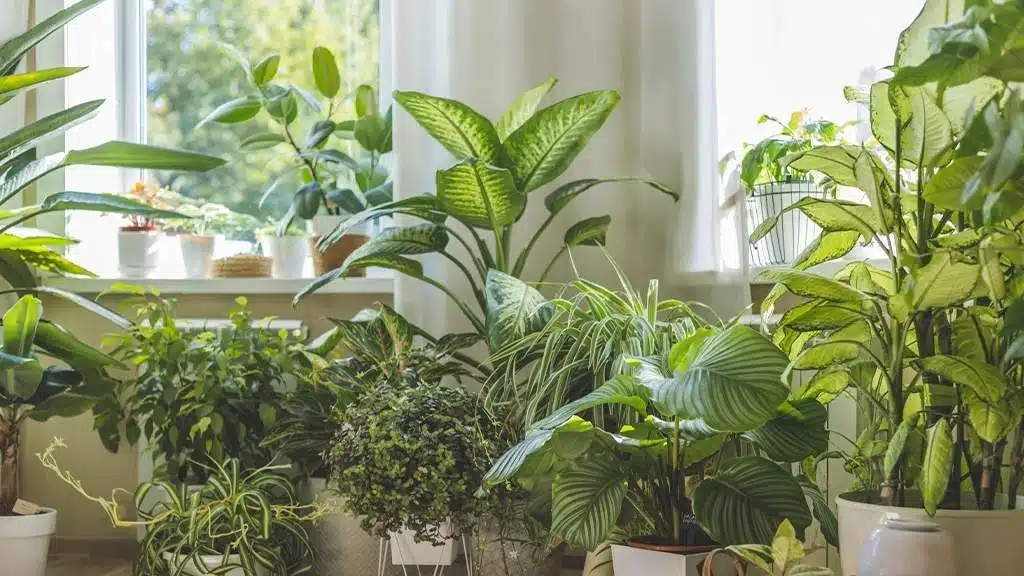
1. Snake Plant (Sansevieria): The Bay Area workhorse
If you had to pick one plant that almost always works in San Francisco homes, the snake plant would be a strong candidate. It tolerates low light, erratic watering, and indoor temperatures that swing as fog rolls in and out. Plant experts regularly list it among the easiest indoor plants, including for low-light conditions.
Why does it suit San Francisco?
- Survives in dim hallways or corners of living rooms shaded by neighboring buildings.
- Handles cool nights near older single-pane windows.
- Doesn’t complain if you disappear for a week to Tahoe.
Light: Low to bright, indirect. It can handle a bit of direct morning sun, but avoid harsh mid-afternoon rays.
Water: Let the soil dry almost completely between waterings. In a cool, foggy neighborhood, that might mean every 2–3 weeks rather than weekly.
Tip for renters: Use a tall, narrow pot to get vertical drama without losing floor space.
2. ZZ Plant (Zamioculcas zamiifolia): Almost indestructible
The ZZ plant is often described—only half jokingly—as “unkillable.” Its thick rhizomes store water, and its waxy leaves shrug off low light and neglect.
Why does it suit San Francisco?
- Thrives in offices, window-poor bedrooms, and north-facing units.
- Does well with the cooler, steady indoor temperatures common in the city.
- Forgives missed waterings when work or travel gets busy.
Light: Low to medium, indirect light is enough. Avoid strong afternoon sun through a west-facing window; it can scorch the leaves.
Water: Water deeply, then wait until the top half of the soil feels dry. In many San Francisco homes, that’s every 3–4 weeks.
Design note: Its upright, architectural stems pair well with mid-century or minimalist interiors that are common in new Bay Area condos.
3. Pothos (Epipremnum aureum): Flexible vine for tricky spaces
Pothos is the classic trailing vine you see spilling from shelves and bookcases. It grows fast, adapts to various light levels, and is widely recommended as a forgiving indoor plant for California homes.
Why does it suit San Francisco?
- Excellent for brightening up rental kitchens, narrow entryways, or small home offices.
- Handles the filtered, shifting light created by fog and street trees.
- Easy to propagate in water, so you can share cuttings with neighbors.
Light: Medium, indirect light is ideal, but it will tolerate lower light with slower growth and less variegation.
Water: Allow the top inch or two of soil to dry before watering. In cool neighborhoods, overwatering is a real risk—drooping, yellowing leaves often signal wet roots.
How to style it: Hang a pothos near a window, trail it along a curtain rod, or train it up a bookshelf for a lush, vertical effect.
4. Spider Plant (Chlorophytum comosum): Kid- and pet-friendly classic
Spider plants have been popular for decades, and for good reason. They are adaptable, produce charming baby “spiderettes” and tolerate a range of indoor conditions, including lower light.
Why does it suit San Francisco?
- Perfect for older apartments with narrow windows and indirect daylight.
- Handles cooler night temperatures as long as it’s not pressed directly against cold glass.
- Makes a good choice for households with children or pets, as it’s generally considered non-toxic.
Light: Bright, indirect light helps maintain crisp striping on the leaves, but spider plants cope with partial shade.
Water: Keep the soil lightly moist but never soggy. San Francisco’s tap water can be on the harder side, which sometimes causes brown tips; using filtered water or letting tap water sit overnight can reduce that.
Bonus: Those baby plants are easy gifts for neighbors, building a bit of community along your hallway.
5. Peace Lily (Spathiphyllum): Elegant for foggy apartments
Peace lilies bring white bracts and glossy leaves to dim corners. They appear regularly on lists of plants that handle indirect or low light, though they do need some brightness to bloom well.
Why does it suit San Francisco?
- It appreciates the generally higher humidity near the coast and in older, less drafty buildings.
- Works well in living rooms, bedrooms, or bathrooms where the sun is filtered by fog or frosted glass.
- Offers a more traditional, “decorated” look for homeowners staging or selling.
Light: Medium, indirect light is best. Houseplant specialists warn that strong south-facing windows can scorch leaves, while very dark corners can stunt flowering.
Homes and Gardens
Water: Peace lilies like evenly moist soil. In San Francisco’s cool apartments, that usually means watering when the top inch of soil feels dry, not when the surface is still damp.
Caution: Peace lilies are toxic to pets if chewed, so place them out of reach in homes with cats or dogs.
6. Heartleaf Philodendron (Philodendron hederaceum): Ideal for rentals
Heartleaf philodendron is a close cousin to pothos and is often suggested as a reliable, low-maintenance houseplant. Its trailing, heart-shaped leaves suit just about every interior style.
Why does it suit San Francisco?
- Content in medium to low light, which matches many Bay Area interiors.
- Flexible enough for small apartments; it grows from compact pots or hanging baskets.
- Easy to prune and shape, which matters when space is limited.
Light: Medium, indirect light is ideal. It will survive in lower light but grow more slowly.
Water: Let the top 25–50% of the pot dry out, then water thoroughly. In cool rooms with limited sun, that may be every 10–14 days.
Rental-friendly tip: Use removable hooks or tension rods to hang philodendron without drilling into rental walls.
7. Chinese Evergreen (Aglaonema): Color in low light
Chinese evergreen brings patterned foliage—silver, pink, red, or speckled green—to spaces that would otherwise feel flat. Plant guides often highlight it as a low-light-tolerant houseplant that suits California homes, including those with indirect light.
Why does it suit San Francisco?
- Adds color to foggy north-facing rooms without demanding strong sun.
- Tolerates the moderate indoor temperatures typical of the city.
- Works well in corners where other plants look dull.
Light: Low to medium, indirect light. Variegated varieties appreciate a bit more brightness to keep their patterns vivid.
Water: Keep the soil lightly moist but not soggy; let the top inch dry out between waterings.
Note: Many aglaonemas are toxic if ingested, so they are better for households without chewing pets.
8. Cast Iron Plant (Aspidistra elatior): For the darkest corners
The name says it all. Cast iron plants earned their reputation by surviving poor light, inconsistent watering and general neglect. They often appear in lists of houseplants that cope with low-light conditions and tough environments.
Why does it suit San Francisco?
- Excellent for inner rooms with almost no natural light, such as hallways or older bathrooms with tiny windows.
- Handles cool drafts near Victorian windows and doors.
- Grows slowly but steadily, requiring little attention.
Light: Low to medium, indirect light. Avoid harsh sun, which can bleach the leaves.
Water: Water when the soil is dry a couple of inches down. In many Bay Area homes, that will be every 2–4 weeks.
Best use: As an anchor plant in corners where nothing else seems happy.
9. Boston Fern (Nephrolepis exaltata): Humidity lover for older flats
Boston ferns bring a lush, old-Hollywood look with arching fronds. They thrive in cool, humid environments—a good match for many coastal interiors when cared for correctly.
Why does it suit San Francisco?
- Enjoys the naturally higher humidity in many San Francisco neighborhoods and older buildings.
- Works well in bright bathrooms or kitchens where steam adds extra moisture.
- Complements period details in Victorian or Edwardian flats.
Light: Bright, indirect light. Direct sun through unshaded windows can scorch delicate fronds.
Water: Keep soil evenly moist but never waterlogged. Mist occasionally during dry winter heating spells or place the pot on a humidity tray.
Maintenance note: Boston ferns drop brown fronds over time. Use a decorative cachepot or saucer and expect a bit of sweeping.
10. African Violet (Saintpaulia): Compact blooms for city windowsills
Articles on best houseplants for San Francisco frequently mention African violets for their compact size and ability to bloom indoors in the city’s moderate climate.
Why does it suit San Francisco?
- Perfect for small windowsills in apartments where floor space is limited.
- Appreciates consistent indoor temperatures and filtered light.
- Offers color in a city where fog can make outdoor landscapes look muted.
Light: Bright, indirect light is best. East-facing windows often provide the right balance.
Water: Water when the top of the soil feels just dry, ideally from the bottom (into a saucer) to avoid wetting the leaves.
Pro tip: Use a lightweight, well-draining potting mix labeled for African violets. They dislike heavy soils.
11. Moth Orchid (Phalaenopsis): Bay-friendly tropical
Moth orchids have become a staple in urban homes and shops, and they do surprisingly well in San Francisco interiors when basic needs are met. Guides to indoor plants for California note orchids like Phalaenopsis as good choices for bright, indirect light and stable indoor temperatures.
Why does it suit San Francisco?
- Enjoys the city’s mild indoor temperatures—neither too hot nor too cold.
- Fits comfortably on narrow window ledges or side tables.
- Provides long-lasting blooms that can outshine cut flowers.
Light: Bright, filtered light. A sheer curtain over a south- or west-facing window helps prevent leaf burn.
Water: Water thoroughly, then let the bark mix dry slightly before the next watering. Overwatering is a common issue, especially in cool, humid summers; roots should never sit in water.
Humidity: San Francisco’s baseline humidity helps, but a pebble tray or occasional misting can support healthier blooms.
12. Rubber Plant (Ficus elastica): Statement tree for bright rooms
For homeowners with a bit more space, the rubber plant offers a bold, upright silhouette. Many Bay Area plant shops highlight ficus species, including rubber plants, as reliable indoor trees in the region’s moderate climate.
Why does it suit San Francisco?
- Takes advantage of the bright light in corner windows, bay windows, and sunrooms.
- Prefers the city’s moderate indoor temperatures over extreme heat.
- Acts as a visual anchor in living rooms or home offices.
Light: Bright, indirect light to a few hours of gentle direct morning sun. Avoid strong midday sun that can scorch leaves.
Water: Water when the top couple of inches of soil are dry. In foggy neighborhoods, that could be every 10–14 days.
Styling tip: Use a simple, modern pot to highlight the glossy leaves. Rotate the plant regularly so it grows evenly toward the light.
How to Match Houseplants to Your San Francisco Home
Light exposure, building age, window direction, and daily routine all shape how well a plant performs. Matching these factors helps your greenery stay healthy long-term.
Read your light, not just your zip code
Even within a single block, two homes can offer vastly different growing conditions. Local horticulture experts stress the importance of understanding your specific microclimate rather than relying only on city-wide maps.
A quick, practical approach:
- Bright, indirect light all day – Often found in corner units and upper floors. Here, rubber plants, moth orchids, African violets, and Boston ferns do well.
- Soft morning sun, shade by afternoon – Common in east-facing bedrooms. Peace lilies, spider plants, pothos, and philodendron thrive here.
- Mostly shade with brief bright periods – Typical of many ground-floor or alley-facing units. ZZ plants, snake plants, cast iron plants, and Chinese evergreens are reliable options.
Spend a day noticing where light falls, when it hits, and how long it lingers. That observation matters more than any plant label.
Plants for busy commuters and frequent travelers
Many San Francisco homeowners juggle long commutes, irregular shifts, or frequent flights. Plant-care guides for Bay Area residents emphasize choosing species that forgive missed waterings and avoid those that demand constant attention.
Good choices for a hectic schedule:
- Snake plant
- ZZ plant
- Cast iron plant
- Pothos
- Chinese evergreen
If you often travel, group plants together in one room before leaving. That slightly raises local humidity and makes it easier for a friend or neighbor to water once while you’re gone.
A quick note on pets and plant toxicity
Several of the best houseplants for San Francisco—snake plant, pothos, philodendron, Chinese evergreen, and peace lily—are toxic if ingested by pets. When in doubt:
- Place these plants on high shelves or hanging planters.
- Choose spider plants, Boston ferns, and some varieties of cast iron plants for lower, pet-accessible positions.
- Check a reputable source such as the ASPCA’s plant list before bringing a new species home.
A Simple San Francisco Plant Care Checklist
Watering, humidity, and soil behavior change in cool, coastal homes. Small adjustments to your care routine keep plants stable through shifting seasons.
Watering in a cool, foggy city
Bay Area plant-care services and nursery guides consistently warn that overwatering is the most common mistake for indoor plants in San Francisco.
Keep this checklist in mind:
- Check the soil with a finger before watering. If the top inch (or more for succulents and ZZ plants) feels moist, wait.
- Reduce watering in foggy summers and cool winters, when evaporation slows.
- Make drainage non-negotiable. Every pot should have a drainage hole and a saucer.
For plants like peace lilies, ferns, and African violets that prefer more consistent moisture, aim for slightly damp, not wet soil, and use smaller, more frequent waterings rather than heavy soakings.
Soil, drainage, and pots in older buildings
Many of San Francisco’s homes are older, with sloped floors and drafty windows. Those quirks affect how water moves through pots.
- Use lightweight, well-draining mixes, especially for plants susceptible to root rot, such as ZZ plants and snake plants.
- Slip nursery pots into decorative cachepots rather than planting directly into heavy ceramic; this makes it easier to check roots and drainage.
- Elevate pots slightly with risers or pot feet so excess water can escape into saucers.
Humidity, heating, and common pests
San Francisco’s humidity usually sits in a comfortable range for houseplants, but indoor heating in winter can dry the air quickly. Plant-care guides and local delivery services suggest simple steps: occasional misting, clustering plants, and using pebble trays for humidity-loving species like ferns and peace lilies.
Watch for:
- Spider mites on dusty foliage, especially in heated rooms.
- Fungus gnats in consistently wet soil—letting the soil dry slightly and using well-draining mixes helps.
- Scale or mealybugs on older woody plants, such as rubber plants; wipe leaves regularly.
A quick weekly check—turning leaves over, wiping dust, and feeling the soil—often prevents small problems from becoming big ones.
Final Thoughts: Building a Bay Area Indoor Jungle
The best houseplants for San Francisco are not rare or complicated. They are resilient, adaptable species that can handle a city where fog moves fast, light shifts quickly, and life rarely slows down.
By focusing on houseplants that thrive in Bay Area conditions—snake plants, ZZ plants, pothos, spider plants, peace lilies, philodendrons, Chinese evergreens, cast iron plants, ferns, African violets, orchids, and rubber plants—you set yourself up for success rather than struggle. These plants respect your schedule, tolerate your microclimate, and, with modest care, reward you with steady growth.
Start with one or two, learn how they respond to your particular light and routine, then layer in more. Over time, your home becomes another small piece of the region’s green patchwork: a San Francisco indoor jungle that feels rooted in the city’s distinctive climate and character.