You pick up the keys, step into your first London home – and realise the walls are bare, the light feels a bit grey, and the rooms need softening fast. For many first-time buyers, a few well-chosen houseplants now do the same emotional work that a new sofa or rug once did: they make a rented-looking space feel like a place you actually live in.
Across the UK, specialist retailers and gardening sites increasingly direct beginners towards hardy, low-maintenance species such as snake plants, ZZ plants, pothos, spider plants, and philodendrons – plants that forgive missed waterings and less-than-ideal light.
These are the backbone of this guide to the best houseplants for first-time buyers in London. Rather than simply listing popular plants, find out what actually works inside a typical London home—where space is limited, light can be uneven, and heating creates dry indoor air. It focuses on plants that stay resilient in these conditions and gives beginners straightforward care routines that fit busy urban lifestyles.
Why London’s First-Time Buyers Are Falling for Houseplants
Houseplants have become a simple way for new homeowners to personalise neutral interiors and create a calmer atmosphere and a breath of fresh air. This section explains the practical and emotional reasons behind the trend.
A quick, affordable way to soften a new home
Furniture takes months to choose and years to save for. Houseplants, by contrast, are relatively inexpensive, instantly visible, and easy to swap out. UK plant retailers and blogs note that new homeowners increasingly start with “easy-care” plants as a low-risk way to personalise neutral interiors.
Beyond aesthetics, there is also a wellness element. Research popularised by NASA’s Clean Air Study suggests that plants and the microbes in their potting mix can help remove certain volatile organic compounds in sealed indoor environments, although experts now see them as a complement rather than a replacement for ventilation.
For stressed London commuters, tending a few pots can also act as a small daily ritual.
Light, heating, and space: the London reality
The “London flat” has a particular set of conditions:
- North- or east-facing windows, especially in converted terraces
- Central heating that dries the air in winter
- Limited floor space and plenty of shaded corners
- Sometimes, ground-floor or basement rooms with filtered light
UK advice columns for beginners, therefore, highlight plants that tolerate low to medium light, variable humidity and the occasional missed watering.
How to Choose the Best Houseplants for First-Time Buyers in London
Choosing plants starts with understanding light, temperature, and layout. This section guides beginners through the essentials so they can match each room with the right plant.
Read your light: north-, east-, and south-facing rooms
Before you buy anything, stand in each room at midday and notice where the sun actually reaches.
- South- and west-facing windows tend to get the strongest light. They suit sun-loving cacti, succulents, aloe vera, and jade plants.
- East-facing rooms receive gentler morning light. They work well for snake plants, ZZ plants, and trailing species like pothos.
- North-facing rooms often sit in permanent bright shade. Here, look for species specifically promoted as low-light houseplants, such as cast iron plants, peace lilies, and parlour palms.
If you can comfortably read near a window during the day without turning on lights, there is usually enough light for at least some of the plants in this guide.
Heating, drafts, and typical UK indoor temperatures
Most common houseplants evolved in subtropical or tropical forests, so they prefer broadly similar conditions to humans: steady, mild temperatures and no cold drafts. The RHS points out that easy-care houseplants tolerate a wide range of positions and conditions, but sudden temperature drops near single-glazed windows or radiators that bake one side of the plant can still cause stress.
As a rule:
- Keep plants away from radiators, fireplaces, and frequently opened balcony doors.
- Avoid placing foliage directly against freezing window panes in winter.
Hard water, humidity, and other “London quirks”
Large parts of London have hard tap water, which can leave limescale on leaves and soil. For most tough houseplants, this is cosmetic, but a few, like peace lilies and calatheas, prefer softer water. If you notice white crusts on the soil, occasional watering with rainwater or filtered water helps.
Central heating often makes the air dry. Ferns and some palms dislike that, but the species chosen here generally cope with normal flat humidity. If you want Boston ferns or similar high-humidity plants later, try bathrooms or kitchens first.
Pet safety and small-children households
Several popular houseplants – including peace lilies, snake plants, pothos, philodendrons, and rubber plants – can be toxic if chewed by pets or small children. Lifestyle publications and UK plant retailers therefore recommend checking toxicity before buying and placing plants out of reach where necessary.
If pet safety is a priority, look towards spider plants, many ferns, parlour palms, and cast iron plants, which are generally considered non-toxic, but always verify with up-to-date sources.
15 Best Houseplants for First-Time Buyers in London
A curated list of beginner-friendly plants that thrive in London’s light conditions and compact spaces. Each entry highlights why it works well in UK homes and how to care for it.
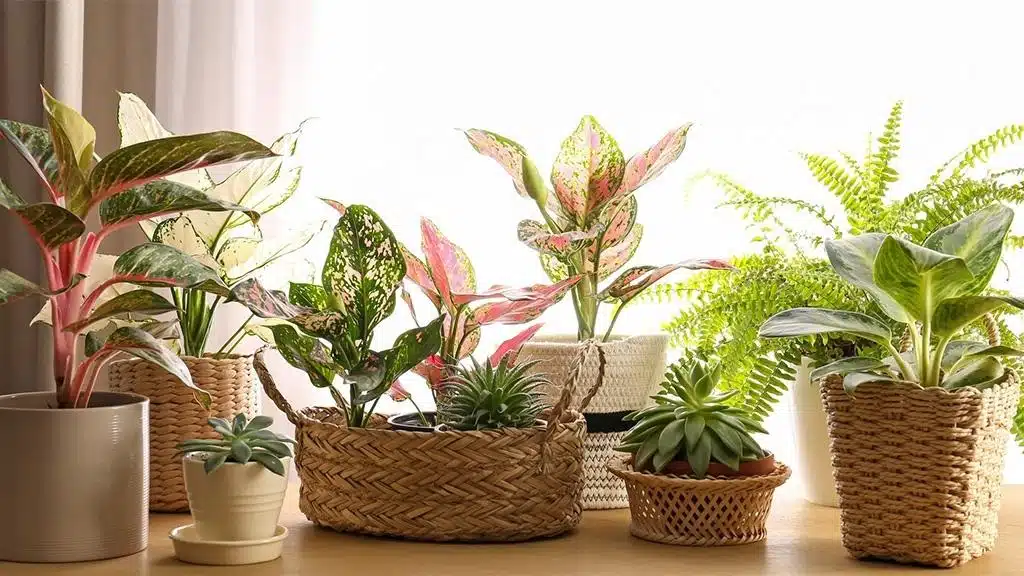
1. Snake plant (Dracaena trifasciata): the almost indestructible classic
Regularly cited as one of the best houseplants for beginners in the UK, the snake plant tolerates low light, irregular watering, and general neglect.
- Light: Low to bright, avoiding harsh midday sun against the glass.
- Water: Roughly once every 2–3 weeks in summer, less in winter. Let the soil dry out.
- Why it suits London homes: Narrow, upright leaves take little floor space, making it ideal for small bedrooms and hallways.
Snake plants also cope relatively well with dry indoor air and temperature fluctuations, which makes them perfect for centrally heated flats.
2. ZZ plant (Zamioculcas zamiifolia): thrives on neglect
UK plant shops often describe the ZZ plant as “unkillable” and recommend it for offices and dim corners. Its thick rhizomes store water, so it shrugs off missed waterings.
- Light: Low to medium; direct, intense sun can scorch leaves.
- Water: Once every few weeks; allow the compost to dry between waterings.
- Why it suits London homes: Ideal for rented flats where owners travel frequently or forget routine care.
Its glossy leaflets give a polished look, which fits contemporary interiors without demanding much in return.
3. Spider plant (Chlorophytum comosum): forgiving and family-friendly
Spider plants appear on many UK “easiest houseplants” lists because they grow fast, tolerate some neglect and adapt well to typical UK light levels.
- Light: Bright, indirect; also copes with moderate shade.
- Water: Keep soil lightly moist in summer, slightly drier in winter.
- Why it suits London homes: Works well in hanging baskets in small kitchens or in wall-mounted pots where floor space is tight.
Spider plants are also widely considered pet-safe, making them popular in households with cats and dogs – though placement out of chewing range is still sensible.
4. Pothos/devil’s ivy (Epipremnum aureum): trailing greenery for shelves
Pothos, often called devil’s ivy, is recommended by UK retailers as a top starter plant because it grows in a range of light conditions and clearly signals when it is thirsty.
- Light: Low to bright, avoiding harsh, direct sun.
- Water: When the top couple of centimetres of compost feel dry.
- Why it suits London homes: Trails beautifully from bookshelves, picture rails, and kitchen cupboards, adding greenery without taking up surfaces.
Variegated varieties may need slightly brighter positions to keep their patterns, but the plant is largely unfussy.
5. Heartleaf philodendron (Philodendron hederaceum): lush, fast, and flexible
Heartleaf philodendrons often feature alongside pothos on “easy indoor plants UK” round-ups, thanks to their tolerance of lower light and simple care.
- Light: Bright indirect is ideal, but it copes with shade.
- Water: Let the top layer of soil dry, then water thoroughly.
- Why it suits London homes: The trailing vines can be trained along shelves, door frames or moss poles, giving new-build flats a more established feel.
For beginners, it’s a forgiving way to create a “jungle” effect without complex routines.
6. Peace lily (Spathiphyllum): flowers in low light
Peace lilies appear frequently in UK lists of low-maintenance houseplants that tolerate low to medium light and clearly show when they need water by wilting and then quickly recovering.
- Light: Shade to medium light; avoid strong direct sun.
- Water: Keep soil evenly moist; don’t let it sit in waterlogged saucers.
- Why it suits London homes: Its white flowers and glossy leaves brighten darker corners, such as internal corridors or shaded living rooms.
Do note that peace lilies can be toxic if ingested, so they are best kept off the floor in homes with pets and toddlers.
7. Swiss cheese plant (Monstera deliciosa): statement foliage for rented homes
The Monstera, with its fenestrated leaves, has become a design staple in UK interiors, often suggested as a “next step” for beginners who want a bigger plant that is still relatively easy.
- Light: Bright, indirect; tolerates some shade.
- Water: When the top layer of soil dries, less in winter.
- Why it suits London homes: Delivers impact in living rooms without needing full sun, making it ideal for Victorian terraces and modern flats alike.
Because it can grow large, early pruning or staking keeps it manageable in compact spaces.
8. Cast iron plant (Aspidistra elatior): built for dim Victorian hallways
The cast iron plant has a long history in UK homes; Victorian households used it in dark hallways, and it still appears in RHS recommendations as a tough, low-maintenance choice.
- Light: Low to medium; one of the few plants that cope well with shade.
- Water: Infrequent; let the soil dry out between waterings.
- Why it suits London homes: Perfect for entrance halls, corridors, and corners where other plants sulk.
Its slow growth rate also suits buyers who prefer plants to stay roughly the same size for years.
9. Chinese evergreen (Aglaonema): colour in low light
Chinese evergreens feature in several UK “easiest houseplants to grow” guides for their tolerance of low to medium light and their patterned leaves in silver, red, or pink tones.
- Light: Low to medium; coloured varieties need slightly brighter positions.
- Water: When the top few centimetres of soil feel dry.
- Why it suits London homes: Adds colour in rooms where flowering plants might struggle, particularly north-facing bedrooms or home offices.
While broadly tolerant, it dislikes cold drafts, so keep it away from leaky windows.
10. Rubber plant (Ficus elastica): sculptural but straightforward
Rubber plants occupy a middle ground between “statement” and “easy care”. UK guides for beginners often list them among low-maintenance options, provided watering remains moderate.
- Light: Bright, indirect; a little morning or late-afternoon sun is fine.
- Water: Allow the top third of the pot to dry before watering.
- Why it suits London homes: Upright growth makes it a good choice for bare corners, especially in living rooms with higher ceilings.
Wipe leaves occasionally to remove London dust and improve light absorption.
11. Aloe vera: a sunny windowsill staple
Aloe vera appears in many UK guides to easy indoor plants because it needs little water, thrives in bright light and offers the added interest of its gel-filled leaves.
- Light: Bright; ideally a south- or west-facing window.
- Water: Every few weeks, allow the soil to dry completely.
- Why it suits London homes: Compact pots fit narrow window ledges in kitchens or bathrooms, where light is usually strongest.
Use a gritty cactus compost and pots with drainage to avoid root rot.
12. Jade plant (Crassula ovata): slow-growing and long-lived
The jade plant, sometimes called the money plant, is frequently recommended to beginners for its drought tolerance and compact growth.
- Light: Bright, with some direct sun.
- Water: Sparingly; more in summer, very little in winter.
- Why it suits London homes: Its bonsai-like form works well on desks and shelves, providing structure without overtaking the room.
Because it grows slowly, it is a good option for anyone who doesn’t want frequent repotting.
13. Cacti: tiny plants, big personality
UK gardening resources often suggest small cacti collections as starter plants for sunny windows, because they need minimal watering and cope with dry indoor air.
- Light: Bright, ideally several hours of direct sun.
- Water: Infrequently; typically once every 3–4 weeks in summer, less in winter.
- Why they suit London homes: Small pots make it easy to fit several on a narrow sill, and varied shapes add character to compact spaces.
Cacti do have spines, so they’re best placed away from curious pets and children.
14. Easy succulents: rosettes that rarely complain
Succulents such as Echeveria, Haworthia, and Gasteria appear alongside cacti in UK lists of low-maintenance houseplants for beginners.
- Light: Bright; some cope with partial shade, but most prefer a sunny window.
- Water: When the soil is completely dry, err on the dry side.
- Why they suit London homes: Their compact rosettes and textural leaves work well in small ceramic pots and decorative planters, ideal for window ledges in flats.
Good drainage is crucial; use cactus or succulent compost in pots with holes.
15. Parlour palm (Chamaedorea elegans): a compact palm for city rooms
The parlour palm has long been marketed in the UK as a palm suited to low light, small pots, and indoor temperatures, making it a staple of beginner-focused plant lists.
- Light: Low to medium; avoids harsh sun.
- Water: Keep slightly moist but never soggy; allow the top centimetre of soil to dry.
- Why it suits London homes: Its fine fronds create a soft, airy look without dominating the room, fitting nicely beside sofas or desks.
It also tends to be non-toxic and pet-friendly, a plus for many households.
Essential Care Tips for UK Beginners
Even though plants need a few basics to stay healthy. This section breaks down watering, light, soil, and feeding into simple routines anyone can follow.
Watering: little and not too often
Most failures with the best houseplants for first-time buyers in London come from overwatering, especially in winter when growth slows and light levels drop. UK guides for beginners repeatedly emphasise letting compost partially dry before watering again, particularly for snake plants, ZZ plants, cacti, and succulents.
Simple rules:
- Check the soil with a finger; water only when the top layer feels dry.
- Water thoroughly until a little drains out, then empty saucers.
- Water less in winter, when plants use less moisture.
Light: what “bright indirect” really means in London
“Bright indirect light” can sound vague. In practice, in a London flat, it often means:
- Within a couple of metres of a window where you could comfortably read during the day.
- Light filtered through sheer curtains or bounced off pale walls.
Low-light plants such as ZZ plants, cast iron plants, and parlour palms will survive in shadier spots, but they still benefit from some daylight rather than the interior of windowless rooms.
Pots, compost, and drainage for small flats
UK retailers agree on one technical point: good drainage is essential.
For beginners:
- Choose pots with holes in the base and use decorative outer covers if you like.
- Fill with high-quality houseplant compost; use cactus mix for cacti and succulents.
- Avoid leaving roots sitting in standing water.
Smaller, lightweight pots are easier to move when you experiment with different positions in a new home.
Simple feeding and repotting routines
Most easiest indoor plants UK beginners buy will live happily in their original compost for the first year. After that:
- Feed once a month in spring and summer with a balanced liquid fertiliser, diluted as directed.
Growing Family - Repot only when roots visibly circle the pot or push through drainage holes. Move up just one pot size at a time to avoid soggy compost.
This restrained approach keeps maintenance low while supporting steady growth.
Common Mistakes First-Time Plant Owners Make
New plant owners tend to repeat the same avoidable errors. This section highlights the pitfalls so readers can keep their plants thriving from the start.
Overwatering in gloomy winters
Central heating, shorter days, and cooler window areas create tricky conditions. The instinct to “care” for plants by watering more often is understandable, but usually counterproductive. Many UK beginner guides advise halving watering frequency in winter and watching the soil rather than the calendar.
Putting all plants in the brightest window
It is tempting to crowd every plant onto the one sunny sill. Yet several of the best houseplants for beginners UK – including snake plants, ZZ plants, and peace lilies – actually prefer lower light and can scorch in intense sun. Distribute plants based on their preferences instead.
Ignoring growth and never repotting
Some species, especially Monstera and rubber plants, will eventually want larger pots. Neglecting to repot can stunt growth and make watering unpredictable as roots take up all the space. A quick annual check each spring helps keep them healthy.
Forgetting about holidays and weekends away
London life often involves weekends away or longer trips. Robust plants like ZZ plants, snake plants, and cacti are popular partly because they cope with these gaps. For thirstier species, grouping them in the coolest, shadiest room before you leave slows water loss.
Where to Buy Beginner-Friendly Houseplants in London
London offers a range of plant-buying options—from garden centres to small independents to online shops. This section helps new buyers choose reliable sources.
Garden centres and DIY chains
National chains and larger garden centres carry many of the species listed here. UK retailers often label plants as “easy care” or “for beginners”, and their online guides echo the same shortlist of snake plants, spider plants, pothos, and peace lilies.
Big-box stores can be convenient for first-time buyers picking up plants alongside paint and hardware, though plant quality may vary.
Independent plant shops and markets
London’s independent plant shops and weekend markets offer more curated selections and advice tailored to local conditions. Staff often steer nervous beginners towards tried-and-tested options such as ZZ plants, philodendrons, and parlour palms, which align closely with national beginner lists.
These shops also tend to stock interesting cultivars – variegated foliage, unusual leaf shapes – once you feel ready to branch out.
Reputable online retailers that ship across the UK
A growing number of UK-based online plant retailers specialise in easy-care indoor plants and deliver nationwide, often with specific “beginner” or “low-maintenance” categories that mirror the plants in this article.
For first-time buyers without a car, ordering larger pieces such as Monstera or rubber plants online can be simpler than carrying them home on public transport.
Final Thoughts: Building a Calm, Green London Home
The best houseplants for first-time buyers in London share the same qualities: they tolerate missed waterings, flexible light levels, and the realities of city living. Snake plants and ZZ plants hold their own in dim corners; spider plants, pothos, and philodendrons bring movement to shelves; peace lilies and parlour palms lend softness to shaded rooms; cacti and succulents soak up the rare full sun.
By starting with these 15 easy indoor plants UK beginners can look after with confidence, you build not just a collection of pots but a set of habits – noticing light, touching soil before watering, moving plants with the seasons. Over time, those habits help a new flat feel less like a temporary stop and more like a lived-in London home, rooted in something green and growing.