Retiring abroad is a dream for many. You picture the sunny mornings, the fresh food, and the slower pace of life. But then, a nagging question pops up: “What happens if I get sick?” It’s a valid worry. Navigating hospitals, foreign prescriptions, and language barriers can feel overwhelming when you’re far from home. Here is the good news: finding the Best Healthcare Systems For Expats is easier than you think, and it’s the key to protecting your new lifestyle.
In fact, many countries offer care that rivals, or even exceeds, what you might be used to in the U.S., often at a fraction of the cost. I’m going to walk you through the top destinations where retirees are thriving, not just surviving. We will look at real costs, specific tools you can use, and the “insider” details that most brochures leave out. So, grab a cup of coffee, and let’s explore the places where your health is in good hands.
Why Healthcare Matters When Retiring Abroad
Your health needs change as you age, and the system you choose becomes part of your daily reality. It isn’t just about emergencies; it’s about routine access. Can you see a specialist without waiting months? Is your monthly medication affordable?
Consider this: medical inflation is rising globally. A simple fall or unexpected diagnosis can drain your retirement savings if you aren’t protected. Quality healthcare acts as a safety net for your nest egg.
When you pick a destination with accessible care, you aren’t just buying insurance. You are buying the freedom to stay active and enjoy your golden years without looking over your shoulder.
Top 5 Countries With the Best Healthcare Systems for Expats
Some nations have mastered the balance between high-quality medical treatment and affordability. These five countries consistently rank at the top for retiree satisfaction.
1. France: World-Class Care at a Fraction of U.S. Costs
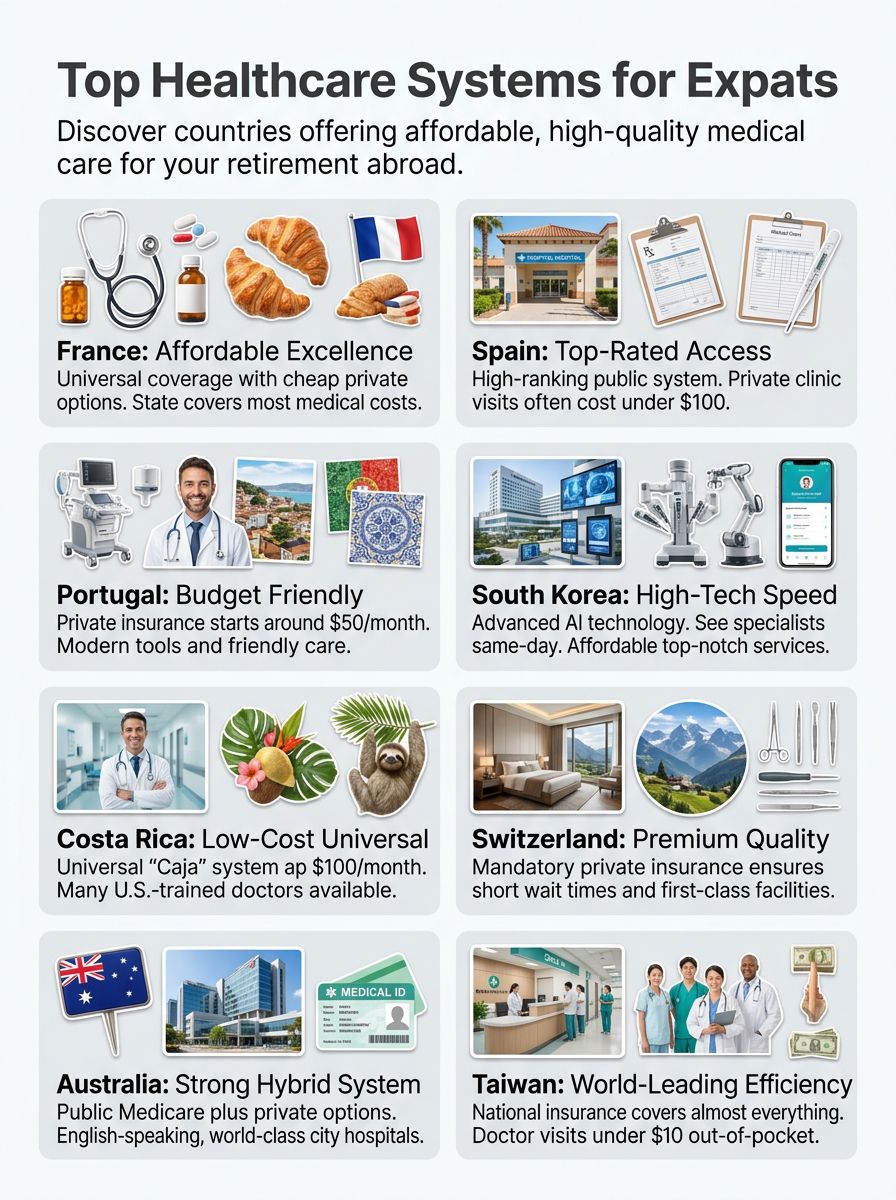
France frequently tops global lists for healthcare quality, and for good reason. The public system, known as Protection Universelle Maladie (PUMA), is accessible to residents after three months of living there. It’s comprehensive and efficient.
- The Real Costs: A standard doctor’s visit is roughly €26.50 ($29), and the state typically reimburses about 70% of that. Specialist visits are around €55 ($60).
- The “Mutuelle” Necessity: Most locals and expats buy top-up insurance called a mutuelle. This covers the remaining 30% of costs and dental work. Plans for a healthy retiree often start around €80-€100 per month.
- Insider Tip: Don’t worry about finding a doctor in the phone book. Use the app Doctolib. It is the gold standard in France for booking appointments, and it even lets you filter for doctors who speak English.
2. Spain: Accessible Excellence for Retirees
Spain is a favorite for its Mediterranean diet and lifestyle, but its healthcare is the unsung hero. The Sistema Nacional de Salud (SNS) offers universal coverage, but many retirees choose a pay-in scheme designed specifically for them.
The Convenio Especial
If you are under 65, you can join the public system for a monthly fee of €60 ($65). If you are 65 or older, the fee is €157 ($170). This gives you access to the same hospitals as Spanish citizens.
Private Perks
Many expats opt for private insurance from providers like Sanitas or Adeslas. For about €100-€200 a month, you get direct access to specialists and private hospitals like Hospital Quirón in Malaga or HLA Vistahermosa in Alicante, bypassing public wait times.
“In Andalucia, the ‘Salud Responde’ app is a lifesaver. You can book appointments and view your records directly from your phone, skipping the clinic queues.”
3. Portugal: A Haven for Affordable Private Care
Portugal’s friendly vibe extends to its medical professionals. While the public SNS system is nearly free, it can be slow for non-urgent issues. Because of this, most expats rely on a robust private sector.
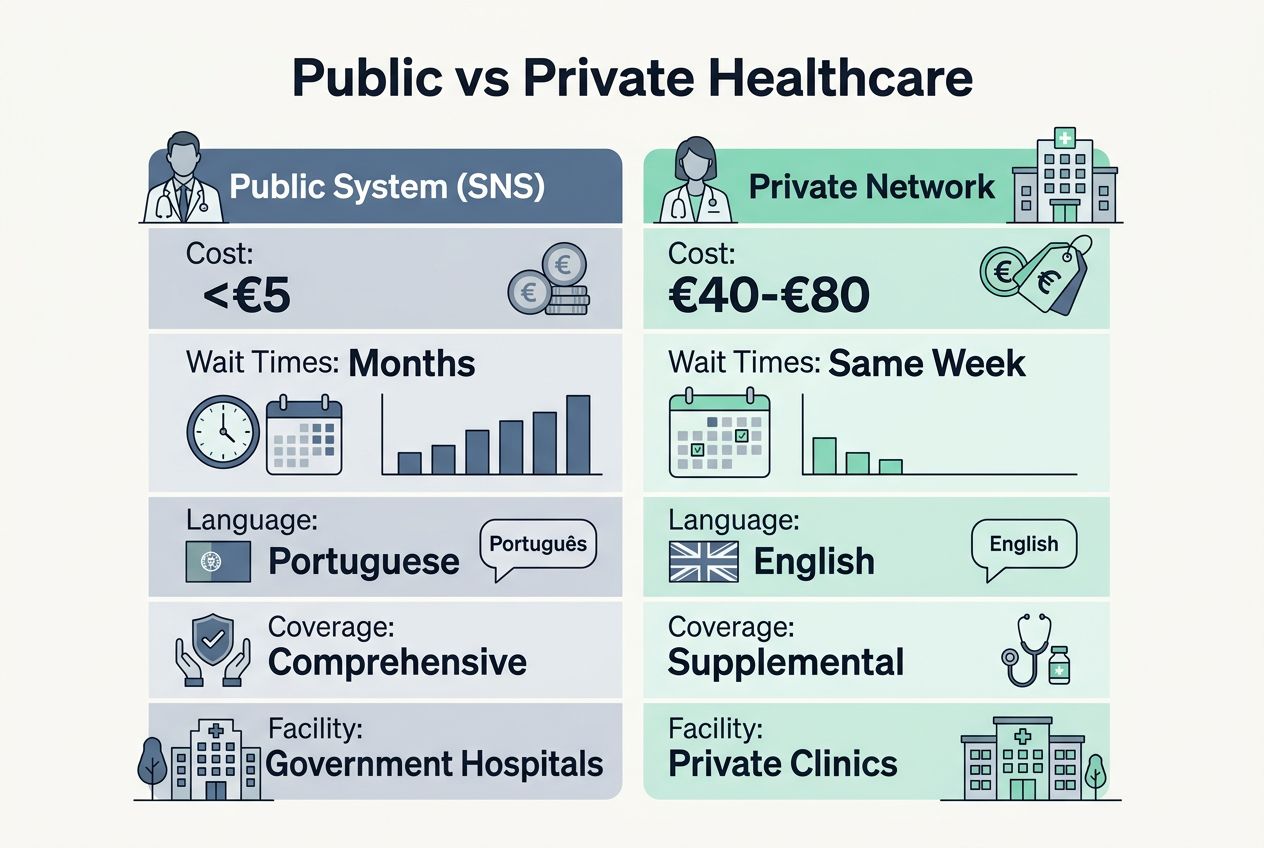
| Feature | Public System (SNS) | Private Network (e.g., CUF, Luz) |
|---|---|---|
| Cost | Minimal co-pays (often under €5) | Consultations €40-€80 (with insurance) |
| Wait Times | It can be months for specialists | Usually same-week appointments |
| Language | Portuguese dominant | High English proficiency |
The Visa Requirement
If you are applying for the popular D7 retirement visa, you must show proof of health insurance. Private plans for seniors (65+) are reasonable, typically ranging from €100 to €300 monthly depending on pre-existing conditions.
4. South Korea: High-Tech Speed and Efficiency
South Korea is a powerhouse of medical technology. The hospitals here, such as Asan Medical Center and Samsung Medical Center in Seoul, are equipped with cutting-edge AI diagnostic tools and robotics.
Mandatory Enrollment
Once you have lived in Korea for six months, you are required to enroll in the National Health Insurance Service (NHIS). For retirees, the minimum monthly premium is roughly 150,000 KRW (about $110 USD). This covers check-ups, cancer treatments, and emergencies with very low co-pays.
Insider Tip: Worried about the language barrier? Dial 119 for emergencies; they have a translation service available 24/7. Major hospitals also have “International Healthcare Centers” specifically for foreigners.
5. Costa Rica: The “Pura Vida” Approach to Health
Costa Rica has been a top expat destination for decades, partly due to its Caja Costarricense de Seguro Social (CCSS), known simply as “La Caja.”
- How it Works: It is an income-based system. Expats pay between 7% and 11% of their reported monthly income to cover themselves and a spouse. This includes everything: doctor visits, surgeries, and medications.
- Private Options: For faster service, many retirees use private hospitals like Hospital CIMA or Clínica Bíblica in San José. A private specialist visit costs around $80-$100, a bargain compared to U.S. rates.
- Tech Tool: Download the EDUS app. It lets you track your appointments and medical records within the Caja system, though you might need a little Spanish to navigate it smoothly.
Additional Countries That Rank High for Expat Healthcare
If the top five don’t fit your lifestyle, these three nations offer exceptional alternatives. They mix efficiency with unique benefits for international residents.
Switzerland: Premium Care with Choices
Switzerland offers perhaps the highest standard of care in the world, but it comes with a price tag. You must purchase basic health insurance, called LAMal, within three months of arrival. The average monthly premium is around CHF 378 ($425), though this varies by canton.
How to Save Money
You can lower your premiums significantly by choosing a “Telmed” model. This means you call a medical hotline before seeing a doctor. It acts as a gatekeeper but can reduce your monthly bill by 15-20%.
Deductibles Matter
You can choose an annual deductible (franchise) ranging from CHF 300 to CHF 2,500. If you are generally healthy, choosing the higher deductible can save you over CHF 1,000 a year in premiums.
Australia: A Safety Net for Residents
Australia’s public system, Medicare, is excellent, but accessing it as a retiree depends on your visa status. Most retiree visa holders will need to purchase private health cover, at least initially.
The Cost of Private Care
Comprehensive private hospital cover for a senior couple can cost around AUD 300-$400 per month. This ensures you can choose your own doctor and avoid public hospital waiting lists for elective surgeries like hip replacements.
A Critical Warning for New Residents
Australia has a rule called the Lifetime Health Cover (LHC) loading. If you become a permanent resident and don’t take out private hospital cover within 12 months, you pay a 2% penalty on premiums for every year you are aged over 30. Joining early saves you money forever.
Taiwan: The Efficiency Champion
Taiwan’s National Health Insurance (NHI) is legendary for its ease of use and low cost. Expats with a residence card are mandatory participants.
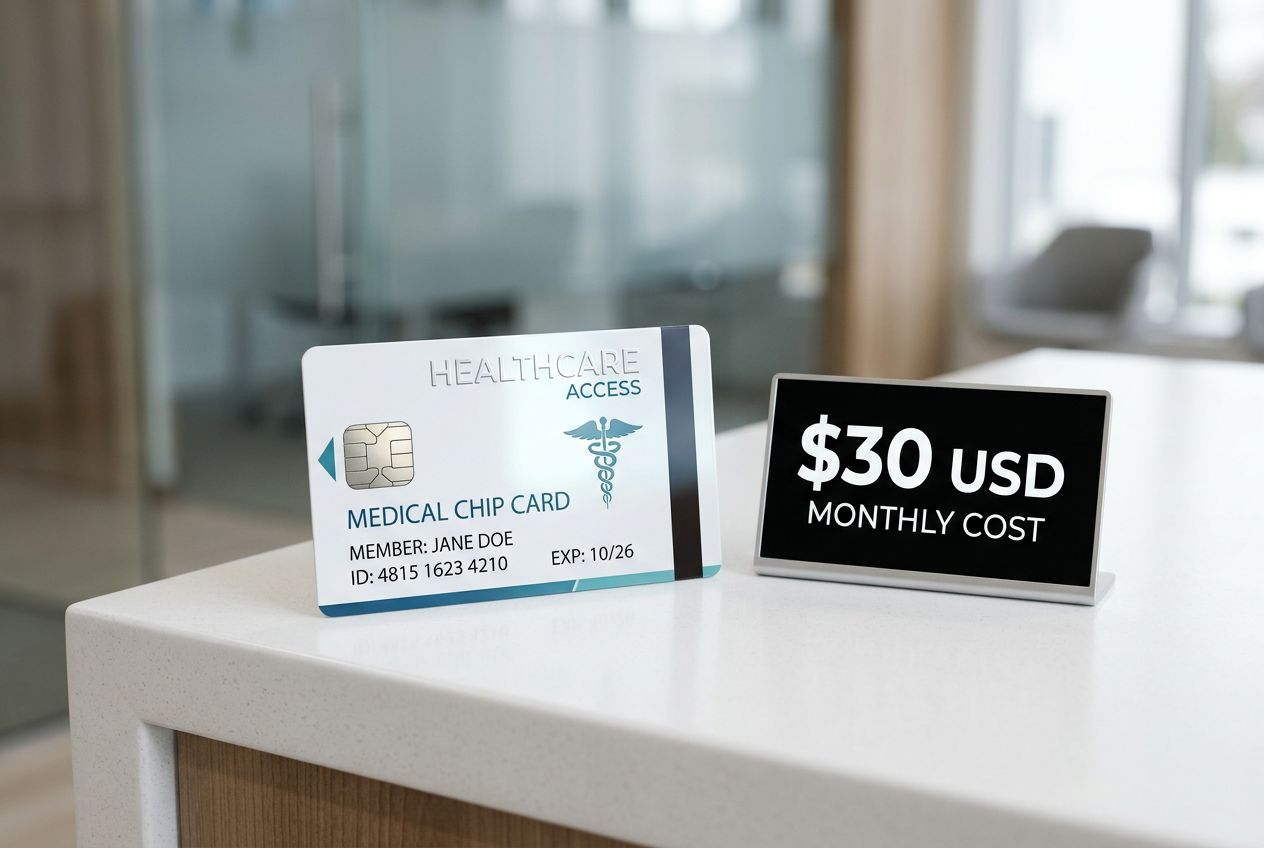
- The Cost: Premiums are incredibly low, often under $30 USD a month for many residents, with co-pays for doctor visits costing as little as $5.
- The “Smart Card”: You get a chip card that stores your medical history. You can walk into almost any clinic, hand them your card, and the doctor sees your records instantly.
- Insider Tip: Download the NHI App. It allows you to order masks, check your health passbook, and even see how many people are waiting at nearby clinics in real-time.
Key Considerations for Choosing a Country Based on Healthcare
Picking a destination involves more than just looking at a ranking list. You need to match the system to your personal health profile.
Public vs. Private Healthcare Options
In many countries, public healthcare is “free” but paid for with time. You might wait weeks for an MRI in the public system of Spain or Portugal. Private insurance is often the bridge that gives you U.S.-style speed at a fraction of U.S. prices.
Check if your visa requires private coverage. For example, Spain’s Non-Lucrative Visa strictly requires a comprehensive private policy with no co-pays for the first year or five.
Cost of Healthcare and Insurance
Don’t just look at the premium; look at the out-of-pocket maximums. In the U.S., a “good” plan might still leave you with a $5,000 bill after a surgery. In countries like France or Korea, your exposure is often capped at a few hundred dollars.
Always ask about “age-banding.” In some private insurance markets (like Portugal or private expat plans), premiums can jump significantly once you turn 65 or 70. Lock in a policy that guarantees renewal regardless of age.
Waiting Periods for Expats
Timing is everything. You don’t want to be uninsured during your first few months.
France: You typically wait 3 months to access PUMA.
South Korea: There is a strict 6-month wait before you can join the NHIS.
Costa Rica: Processing your residency to get Caja access can take over a year.
The Fix: Buy a short-term “bridge” travel medical insurance policy to cover these gaps so you are never vulnerable.
Tips for Accessing Healthcare as an Expat
Before you pack your bags, a little preparation helps you navigate the system like a local.

Research the healthcare system in advance
Dig deeper than general advice. Look for hospitals with JCI (Joint Commission International) accreditation. This is the gold standard for global safety and quality. A hospital with this seal meets the same rigorous standards as top U.S. hospitals.
Choose the right health insurance plan
If you have pre-existing conditions, declare them upfront. Some local private plans in Spain or Portugal may exclude them for the first two years. International health insurance (from companies like Cigna Global or Allianz) often costs more but offers broader coverage that travels with you.
Learn the local language for better communication
You don’t need to be fluent, but medical vocabulary is specific. Learn the words for your conditions, allergies, and medications. Better yet, keep a translated cheat sheet in your wallet. In a pinch, translation apps like Google Translate work, but having key phrases memorized builds immediate trust with your doctor.
Tips for Selecting the Ideal Country for Healthcare Needs
Start with your specific health goals. Do you have a chronic condition like diabetes? Countries with integrated digital systems, like Taiwan or South Korea, are fantastic because your data follows you everywhere, preventing medication errors.
If you prefer a more personal touch where doctors spend time with you, France and Portugal are known for a patient-centric culture, even if the administrative side is slower.
Look at the proximity to excellence. Living in a remote beach town in Costa Rica sounds dreamy, but if the nearest stroke center is four hours away in San José, it’s a risk. Choose a location within 45 minutes of a major hospital for the best balance of lifestyle and safety.
Final Words
Choosing where to retire takes some thought, and health care should stay at the top of your list. Countries like France, Spain, Portugal, South Korea, and Costa Rica offer great hospitals and friendly prices for medical care.
Small steps, such as downloading an app like Doctolib or researching JCI-accredited hospitals, can make your move smoother than you imagined. Healthy living abroad is possible with a little homework and open-mindedness; keep exploring options if you want peace of mind in your golden years.
Life is full of surprises, so pick the place that lets you enjoy every sunny day ahead!