
Backlinks have been an SEO staple for years. The more high-quality links pointing to a site, the better its chances of ranking. That was the rule and for a long time, it worked.
But it’s now 2025. Algorithms have grown up a bit. So have users. With new signals influencing rankings, many are asking whether backlinks still hold the same weight.
This post looks at what’s changed, what still matters and whether links remain the heavyweight they once were.
What Makes a Backlink Valuable Today?
Not all links are equal. These days, it’s quality that counts. Search engines favour backlinks from trusted, relevant sources. One strong link from a respected site can outweigh dozens of weak ones.
Context is key too. A link placed naturally within the main content carries more weight than one hidden in a sidebar or footer. Editorial links that make sense in the flow of an article are far more valuable than those added purely for search engines.
What’s No Longer Effective (or Safe)?
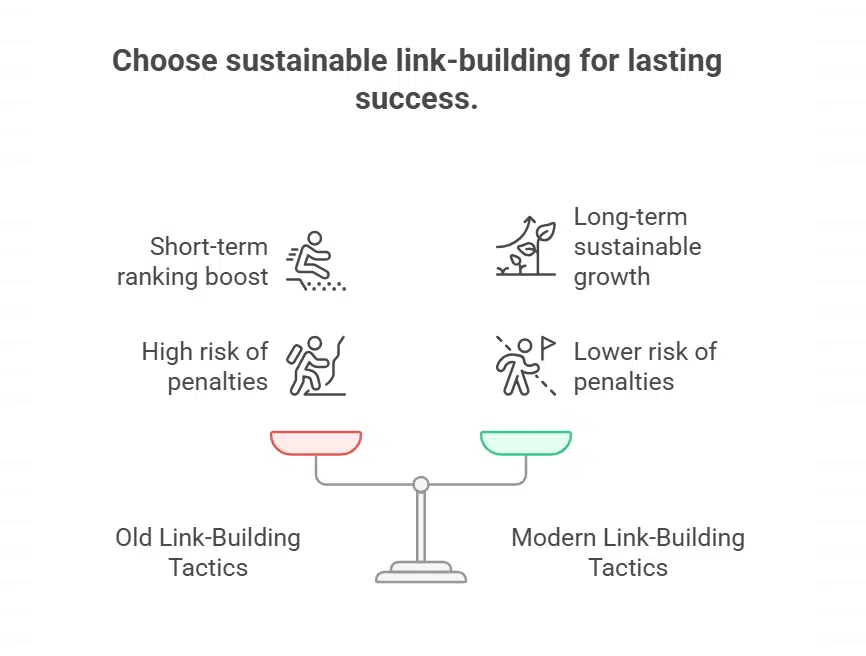
Some link-building tactics that once worked are now more trouble than they’re worth. Buying links, swapping them excessively, or using shady networks can backfire. These shortcuts might boost rankings briefly, but they’re just as likely to trigger penalties.
Search engines have become sharper. They can now spot unnatural link patterns and low-quality domains far more easily. If a backlink looks suspicious or out of place, it’s more likely to hurt than help.
Do Backlinks Still Influence Rankings?
Backlinks still count, but they’re no longer the only signal that matters. Search engines now take a much broader view. Content quality, site structure, speed and user engagement all play a role.
A single strong backlink won’t carry a weak site. But in combination with helpful content and a positive user experience, it can still make a difference. The key is balance. For those weighing up the SEO cost, Nautilus Marketing offers a helpful guide that breaks down what to expect and why quality still matters.
How to Build Backlinks That Actually Help
Not all backlinks are worth chasing. Focus on earning links from sites that are relevant, trusted, and topically aligned. Guest posts, digital PR, and linkable assets like guides or data-driven content often perform well.
Avoid shortcuts. The best backlinks come from genuinely useful content that others want to reference. It takes more effort, but the results last longer and won’t land a site in trouble.
Backlinks are still part of the SEO picture, just not the centrepiece. Rather than chasing every link opportunity, the focus should be on earning them through useful, relevant content. A natural backlink from a respected source still counts for plenty, but only when paired with a solid, well-optimised site.