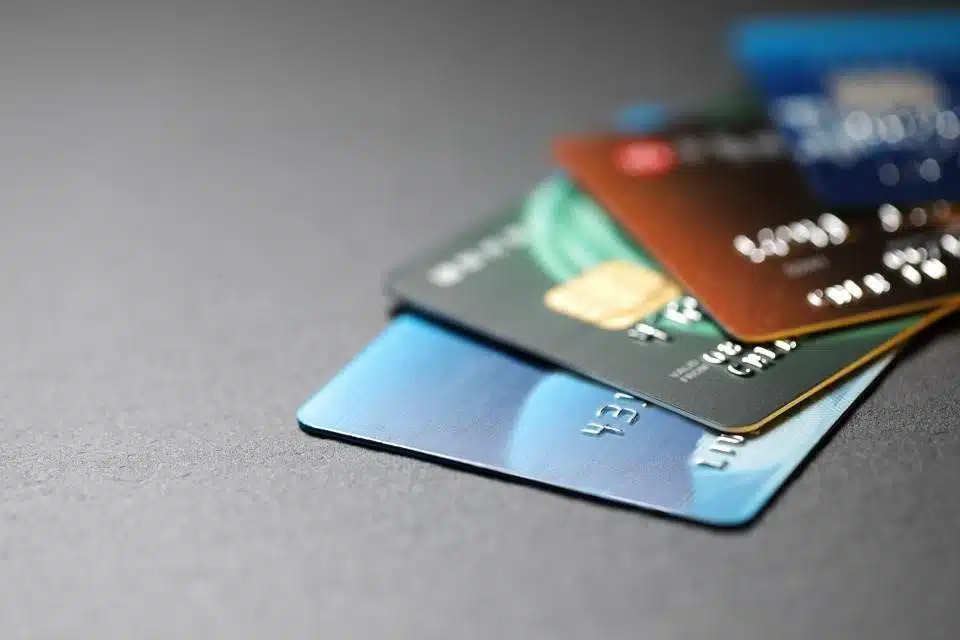
Cashless transactions are becoming increasingly popular because they are safer, quicker, and less cumbersome than cash-based ones. However, cashless transactions, such as using credit cards, frequently result in excessive spending, which causes debt. Getting out of these can take a long time and cost a lot of money. Moreover, after rolling over, a credit card’s outstanding balance will result in interest rates ranging from 36 to 48 percent. As a result, it’s wise to monitor your spending and manage your finances well.
Here are some suggestions for reducing the credit card interest you pay on your credit cards. A credit card is a payment card that allows users to pay for goods and services from a merchant using their existing debt. The issuer gives the cardholder a line of credit and a revolving account. The cardholder can borrow money from this line of credit to pay a merchant or get a cash advance.
Avoiding High-interest rates on credit cards
Interest rates on credit cards are completely based on and linked to company policies’ usage. Some of the factors that could reasonably influence and control the high-interest rates on credit cards are as follows:
- Depositing money taken out with a credit card – While credit cards offer the convenience of instant cash, they frequently lead to overspending. If you have to use your credit card cash withdrawals from ATMs, you should deposit the cash as soon as possible because these withdrawals don’t come with any interest.
- Depending on how much interest each card has, pay them off in that order– If you have multiple credit card debts, some financial experts suggest paying them off in order of their balances, starting with the lowest. The idea is that momentum and motivation will come from small victories.
- Debts should be converted into Equated Monthly installments– Some banks permit you to repay your debts in EMI payments. However, the rate will remain unchanged if you fail to make a payment. In addition, banks will offer annual interest rates ranging from 18% to 24% for customers who choose EMI. to their current clients.
- Don’t use a credit card for which you haven’t paid anything, and the due date has passed- Also, don’t make purchases with cards that are past due. If the payment is rolled over, you won’t be able to take advantage of an interest-free credit term, so more purchases will add to your interest bill.
- Use a debt transfer card with a zero percent balance transfer to consolidate your debt – If you owe more than you can pay off in a few months, using a debt transfer card might be a good idea. When you transfer a balance, you move your debt from one credit card to another, typically one that offers a few months of interest-free credit.
Visa and MasterCard
Due to their widespread acceptance worldwide, Visa and MasterCard have a fairly high user dependence. However, the difference between Visa and MasterCard is proposed by different credit cards. Therefore, when applying for a card, they should look over the offers to see which one best meets their requirements, a Mastercard or Visa, and decide accordingly.
Mastercard and Visa are at the top of the list when it comes to the top payment processing networks in the world. Even though they share a common goal, they are distinctive in a subtle way. Consequently, the features and operations of these companies co-branded credit cards differ. To make an informed decision, you should know the differences between Visa and MasterCard. The business strategies of Visa and MasterCard are essentially identical. Both do not provide customers with cards directly. To provide users with a Mastercard or Visa card, they collaborate with member banks and NBFCs.
Difference between Visa and MasterCard
1. Based on service charges:
The card volume determines the amount billed to the Visa cardholder. A fee is assessed to the Mastercard user based on the volume of global dollar usage.
2. Based on Transactions done:
There are more Visa cards in use, and more money is spent. Conversely, the use of Master Cards is decreasing, as is the volume of transactions.
3. Based on digital or contactless payments:
For example, Mastercard uses PayPass, while Visa uses Visa payWave.
You can avoid paying interest by paying off your credit card balance in full each month before the grace period ends. At least 21 days are grace periods. Credit card issuers must send you your billing statement before the start of that period to give you enough time to take advantage of your grace period. Be proactive in achieving your goal of paying no interest once you have established the habit of paying the least interest possible.