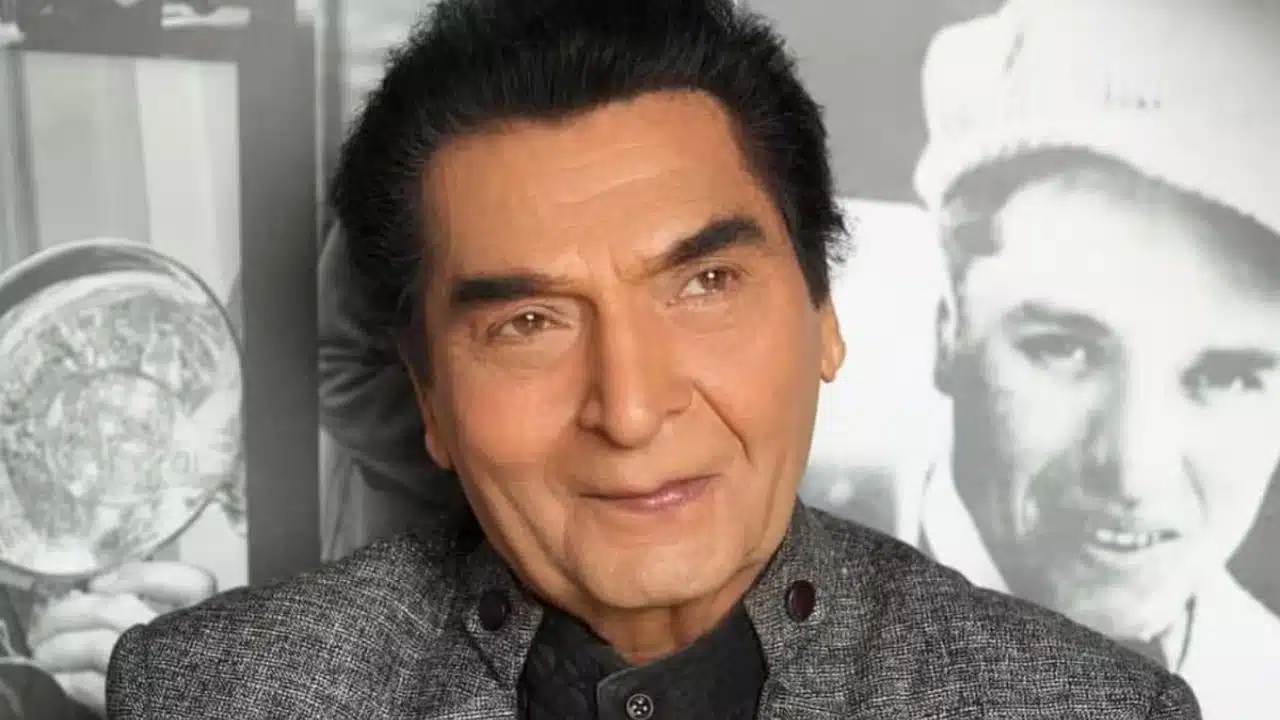
Veteran actor Govardhan Asrani, an institution in Indian cinema whose career spans over five decades and more than 350 films, continues to be a celebrated figure in Bollywood. Contrary to baseless rumors, the 84-year-old actor is alive, prompting a look back at his monumental contribution to the industry. The phrase Bollywood Legend Asrani Passes Away has been debunked, leading instead to an outpouring of appreciation for his timeless roles, from the unforgettable jailer in Sholay to his award-winning comedic performances that have defined a generation of filmmaking.
Asrani’s journey from a student at the prestigious Film and Television Institute of India (FTII) to becoming one of the most recognizable faces in Hindi cinema is a story of persistence, talent, and incredible versatility. His ability to infuse even the smallest roles with unforgettable personality has made him a household name and an indispensable part of India’s cinematic heritage.
Quick Take: The Asrani File
- Living Legend: Govardhan Asrani, born January 1, 1941, is 84 years old and remains an active figure in the film community.
- Vast Filmography: He has acted in over 350 films, primarily in Hindi, but also in several regional languages, including Gujarati and Punjabi.
- Iconic Role: His portrayal of the “Angrez ke zamane ke jailer” in the 1975 blockbuster Sholay is one of the most famous characters in Bollywood history, despite limited screen time.
- Award-Winning Comedian: Asrani won two Filmfare Awards for Best Performance in a Comic Role for Aaj Ki Taaza Khabar (1974) and Balika Badhu (1977).
- FTII Alumnus: He is a graduate of the FTII, Pune, where he later returned as an acting instructor, shaping a new generation of talent.
The Making of a Legend: From Jaipur to the Silver Screen
Govardhan Asrani’s story begins not in the glamour of Mumbai, but in Jaipur, Rajasthan, where he was born into a middle-class Sindhi family. His passion for acting led him to the Film and Television Institute of India (FTII) in Pune, an institution that has produced many of India’s finest cinematic talents. He enrolled in 1964, honing his craft alongside future stars like Jaya Bhaduri and Shatrughan Sinha.
His formal training provided a strong foundation, but his initial years in Mumbai were marked by struggle. He debuted with a small role in the 1967 film Hare Kanch Ki Chooriyan. However, it was his association with acclaimed director Hrishikesh Mukherjee that brought him into the limelight. Mukherjee cast him in a series of memorable supporting roles in films like Guddi (1971), Bawarchi (1972), and Abhimaan (1973), establishing him as a reliable and versatile character actor.
The Golden Era: Defining Comedy in the 1970s and 80s
The 1970s cemented Asrani’s status as a comedic genius. His impeccable timing, unique dialogue delivery, and expressive face made him the first choice for directors looking to add a layer of humour and humanity to their stories.
The ‘Sholay’ Phenomenon
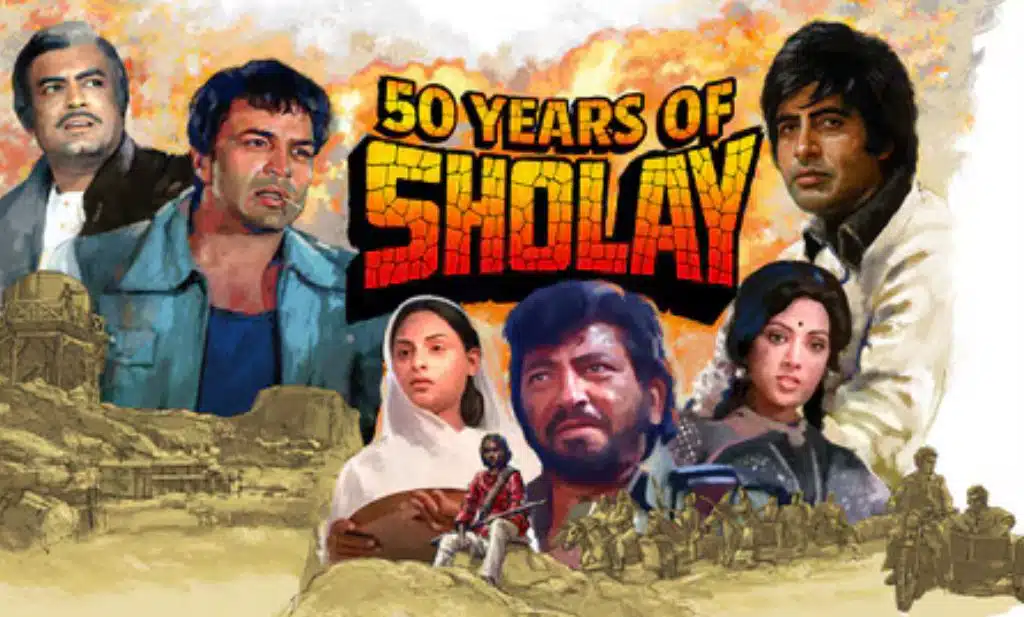
No discussion of Asrani’s career is complete without mentioning his role in Sholay (1975). As the bumbling, Hitler-imitating jailer, his lines, “Hum angrez ke zamane ke jailer hain!” became a national catchphrase.
1. The Impact of ‘Sholay’: A Statistical Snapshot
- Screen Time: Asrani’s role had an estimated screen time of less than 10 minutes in a film that ran for 204 minutes.
- Cultural Impact: Despite this, his character is consistently ranked among the top 5 most iconic characters in the history of Indian cinema by multiple film publications.
- Calculation: His screen presence accounted for approximately 4.9% of the film’s total runtime, yet its recall value rivals that of the main protagonists. This highlights the sheer force of his performance.
His collaboration with other filmmakers like Gulzar in Koshish (1972) and B.R. Chopra further showcased his range. While comedy was his forte, he never shied away from serious or negative roles, earning critical acclaim for his versatility.
Beyond Comedy: The Leading Man and Director
Few remember that at the peak of his popularity as a comedian, Asrani also played the lead hero in several films. Movies like Chala Murari Hero Banne (1977) and Salaam Memsaab (1979) were modest successes that demonstrated his ability to carry a film on his shoulders. He also ventured into directing, helming six films, most notably Hum Nahin Sudhrenge (1980).
Latest Data & Enduring Relevance
Even well into the 21st century, Asrani has refused to slow down. He has adapted to the changing landscape of Bollywood, working with a new generation of directors and actors in blockbuster hits.
2. A Career of Unmatched Longevity (1967-2025)
- Active Decades: Asrani has been active in the film industry for nearly six decades (1960s, 70s, 80s, 90s, 2000s, 2010s, 2020s).
- Post-2010 Films: He has appeared in over 40 films since 2010, including major commercial successes like Bol Bachchan (2012), R… Rajkumar (2013), and Judwaa 2 (2017).
His continued presence is a testament to his enduring appeal and professionalism. Film critic Anupama Chopra notes, “Actors like Asrani are the backbone of our industry. They provide the texture, the humour, and the emotional grounding that allows the stars to shine. His longevity is not an accident; it’s a result of pure, unadulterated talent.
3. Filmfare Awards Recognition
- Wins: 2 (Best Comedian)
- Nominations: 11
- Years of Wins: 1974 for Aaj Ki Taaza Khabar and 1977 for Balika Badhu. This places him in an elite group of actors who dominated the comedy category during its peak.
Impact on People: A Voice of a Generation
For millions of Indians who grew up in the 70s and 80s, Asrani’s voice and face are synonymous with cinema itself.
“Whenever he came on screen, the whole theatre would light up,” recalls Aftab Ahmed, a 62-year-old cinema enthusiast in Dhaka. “We didn’t just go to see Amitabh or Dharmendra; we went for the whole experience, and Asrani was a huge part of that. His dialogues from Sholay are still part of our daily conversations.”
What to Watch Next
For those looking to explore the depth of his work, here are five essential Asrani performances:
- Sholay (1975): For his iconic jailer role.
- Chupke Chupke (1975): A masterclass in subtle, situational comedy.
- Balika Badhu (1976): His Filmfare-winning performance.
- Koshish (1972): A glimpse of his talent in a serious, sensitive film.
- Dhamaal (2007): Showcasing his relevance in modern comedy.
Conclusion: A Living Institution
Govardhan Asrani is more than just an actor; he is a living institution. His career is a roadmap for aspiring artists, teaching them the value of consistency, versatility, and dedication. By debunking false rumors of his demise, we are reminded to celebrate our legends while they are with us. His legacy is not just in his 350-plus films or his awards, but in the countless smiles he has brought to the faces of audiences for over half a century. The “Angrez ke zamane ke jailer” is still here, and Indian cinema is all the richer for it.