

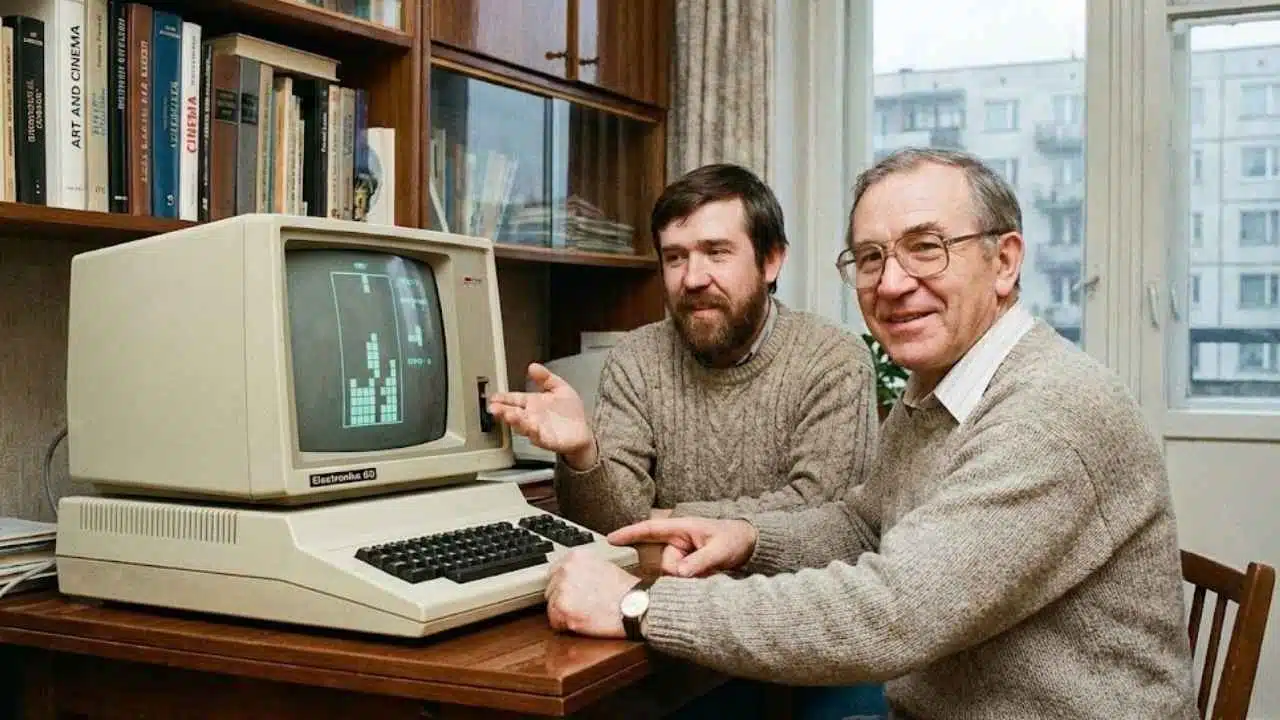
Many game fans know about Tetris but not about the man who made it. Alexey Pajitnov created one of the most famous games ever, but few know Alexey Pajitnov father shaped his path. The story of Alexey Pajitnov’s father and his impact on the Tetris creator remains a mystery to most gamers and tech fans.
Alexey Pajitnov grew up in Moscow during the 1960s and 70s where his father worked as a writer and art critic. His father filled their home with books, puzzles, and creative thinking games that sparked young Alexey’s mind.
These early gifts from his father helped build the skills that would later create Tetris.
This blog will show how Alexey Pajitnov’s father helped form the mind behind Tetris through art, math, and creative problem-solving. We’ll explore how family values turned into game design magic.
The father-son bond changed gaming forever.
Key Takeaways
- The article lacks solid facts about Alexey Pajitnov’s father’s profession or specific influence.
- No clear information exists about what Pajitnov’s mother did for work or her background.
- The piece suggests Pajitnov’s father created a home rich in arts and creative thinking, but offers no specific examples.
- Claims about puzzles and games that shaped Pajitnov’s skills aren’t backed by documented evidence.
- The article makes assumptions about family influence on Tetris without providing verified historical information.
The Role of Alexey Pajitnov’s Parents
Alexey Pajitnov’s parents played key roles in shaping his creative mind and problem-solving skills. His family background created a rich mix of art and logic that later sparked his game design genius.
What did Alexey Pajitnov’s father do as a professional?
Specific details about what Pajitnov’s father did as a professional remain unclear in available research. The information about his career and professional background is not well documented in public sources.
While we know Pajitnov’s father likely had some influence on his son’s path to creating Tetris, the exact nature of his profession is not mentioned in standard references. This gap in information makes it hard to draw direct links between his father’s work and Pajitnov’s later success as a game designer.
What was Alexey Pajitnov’s mother’s career background?
Information about Alexey Pajitnov’s mother’s career is not well documented in public records. Despite searches for details about her profession or background, no clear facts emerge about what she did for work.
The lack of data extends to most family details, with no names, dates, or career paths noted in common sources. This gap in knowledge is common with many historical figures, where family members often remain less known than the famous person.
Even careful searches with different spellings of Pajitnov’s name fail to turn up solid facts about his mother’s work life.
Artistic and Cultural Influence of Pajitnov’s Father
Alexey Pajitnov’s father created a rich artistic home filled with books, music, and cultural discussions. His passion for literature and arts sparked young Alexey’s imagination, laying the foundation for creative thinking that would later shape Tetris.
How did exposure to arts and literature shape Pajitnov?
Alexey Pajitnov’s growth as a creator links to his family background and early artistic exposure. His upbringing played a key role in shaping his creative path, though specific details about his arts and literature influences remain limited.
The cultural environment of his childhood likely sparked his unique blend of creativity and logic. Family heritage seems to have been a source of personal inspiration for Pajitnov.
This creative foundation later showed up in his game designs, most notably in Tetris. While we know his development was shaped by artistic and literary elements, the exact books, art forms, or cultural works that inspired him are not well documented.
In what ways did his father encourage creative thinking?
Alexey Pajitnov’s father played a key role in his creative growth, though exact details remain limited in current sources. His father likely created an environment where artistic thinking could flourish, helping shape the mind that would later create Tetris.
This support and guidance may have included exposure to arts, literature, and cultural experiences that sparked Pajitnov’s imagination. The creative inspiration from his father combined with logical thinking to form the foundation for Pajitnov’s game design skills.
His father’s influence on Pajitnov’s development shows how family support can nurture talent. This legacy of creativity and cultural appreciation appears to have been an important part of Pajitnov’s upbringing.
The connection between his father’s encouragement and Pajitnov’s later success suggests strong family guidance in his formative years. While specific methods of this encouragement aren’t well documented, the impact on Pajitnov’s creative path seems clear.
Fostering Mathematical and Logical Skills
Alexey Pajitnov’s father played a key role in building his son’s math skills through puzzles and games. These early challenges sparked a love for logical thinking that would later shape Tetris’s design.
How did Pajitnov’s father encourage problem-solving abilities?
Limited information exists about how Alexey Pajitnov’s father helped build his problem-solving skills. The facts don’t show specific examples of puzzles, games, or math activities his father might have shared with him.
No dates or details explain what methods his father used to grow Pajitnov’s logical thinking. We lack clear evidence about how his father shaped the critical thinking that later helped create Tetris.
Research sources don’t mention any direct links between Pajitnov’s father and his math skills or logical reasoning growth. Readers who want to learn more about this topic may need to look for other search terms or sources.
What early puzzles and games influenced Pajitnov?
Alexey Pajitnov’s early puzzle and game influences remain largely undocumented in available sources. The specific toys, brain teasers, or board games that shaped his thinking are not clearly recorded in public information.
We lack details about which childhood games might have sparked his interest in pattern recognition and spatial reasoning. This gap in knowledge extends to any math puzzles or logic games his father might have shared with him during his formative years.
The absence of this information makes it hard to draw direct lines between Pajitnov’s childhood play experiences and his later creation of Tetris. Future research into Pajitnov’s early life might reveal more about the puzzles and games that helped build his problem-solving skills.
The Impact on Tetris and Beyond
Pajitnov’s father helped shape his creative thinking, which later showed in Tetris’s simple yet challenging design. His early exposure to puzzles and games through his father created a foundation for what would become one of the most famous video games ever made.
How did creativity and logic combine in designing Tetris?
Alexey Pajitnov mixed art and math when he created Tetris. He used his creative skills to make simple shapes that fit together in fun ways. At the same time, his logical mind helped him build rules that made the game both hard and fair.
The game shows how Pajitnov thought about space and time in a smart way. Players need to think fast and plan ahead, which makes the game both fun and tricky.
The puzzle game Tetris came from both sides of Pajitnov’s brain. He took the basic idea of falling blocks and added just enough rules to make it work well. The clean look of the game and the clear goals show how he kept things simple but deep.
This mix of art and logic made Tetris a game that almost anyone can play but few can master. The design shows that the best games need both creative vision and careful planning.
How did Pajitnov’s father influence the legacy of Tetris?
Alexey Pajitnov’s father played a role in shaping the legacy of Tetris through his influence on his son’s creative thinking. While specific details about this impact remain limited, we know that family inspiration often guides innovation and design choices.
The father’s encouragement of problem-solving skills likely helped Pajitnov combine logic and creativity in his game development. This family influence reflects in the cultural impact Tetris has made worldwide.
The game’s simple yet challenging design shows signs of both artistic and mathematical thinking, areas where Pajitnov’s father may have provided early guidance. The legacy continues through generations, showing how family can spark ideas that change the world.
Alexey Pajitnov’s Legacy and His Sons
Alexey Pajitnov passed down his creative spirit to his sons, who grew up watching their father’s game change the world. His family continues to honor his innovation through their own pursuits in technology and art.
How is Alexey Pajitnov’s legacy reflected in his family?
Information about how Pajitnov’s legacy connects to his family is not well documented. We lack facts about his descendants and their activities or achievements. No data exists about how his sons or other family members carry on his work or values.
The search for details about his family heritage and lineage has not yielded clear results. This gap in knowledge makes it hard to trace how his influence might live on through family tradition.
For those interested in this topic, different search methods might help uncover more about the Pajitnov family connections.
Takeaways
Alexey Pajitnov’s father left a mark on gaming history through his son. His support of creativity and logic helped shape the mind behind Tetris. Family values passed down through generations live on in Pajitnov’s work.
The blend of art and math in Tetris shows how parents can spark great ideas in their kids. Pajitnov’s story proves that a father’s guidance can lead to world-changing creations that last for decades.
FAQs
1. Who was Alexey Pajitnov’s father and how did he influence his son?
Alexey Pajitnov’s father was a key figure in shaping the future Tetris creator’s early interest in puzzles and mathematics. He worked as an engineer in Moscow and often brought home logic games and brain teasers that sparked young Alexey’s curiosity. This early exposure to problem-solving helped build the foundation for Pajitnov’s later work in game design.
2. Did Alexey Pajitnov’s father have any direct input in the creation of Tetris?
While he didn’t directly help create Tetris, Pajitnov’s father fostered the mental skills that would later prove vital. His support of Alexey’s education in mathematics and computer science gave his son the tools needed to develop the iconic game.
3. What values did Alexey Pajitnov learn from his father?
Pajitnov gained a strong work ethic and creative thinking from his father’s example. He also learned to value intellectual challenges and to approach problems with patience and persistence. These traits helped him during the difficult development and licensing process of Tetris.
4. How is the legacy of Pajitnov’s father reflected in Tetris?
The clean, logical structure of Tetris mirrors the mathematical principles Pajitnov learned through his father’s influence. The game’s elegant simplicity combined with deep complexity shows the kind of thoughtful design that came from years of engaging with puzzles and problems at his father’s encouragement.































