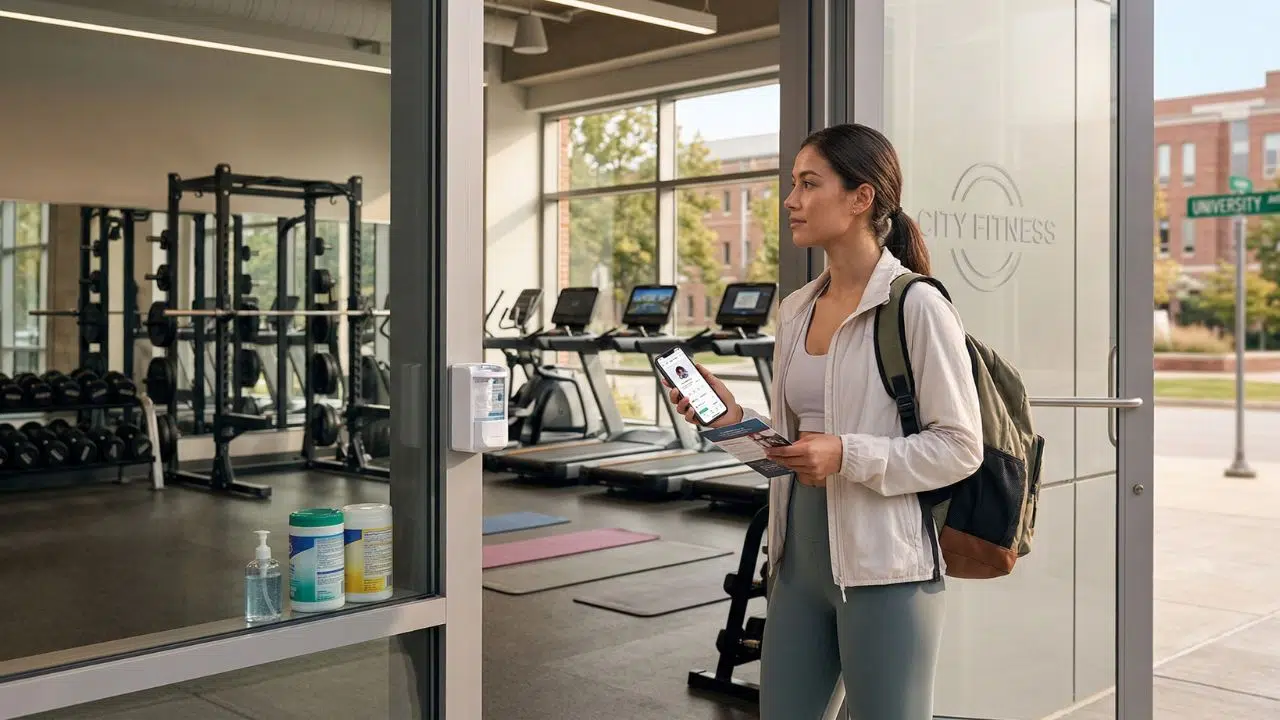
Walking into a gym for the first time can feel a little like stepping into someone else’s routine. Everyone seems to know where they’re going, what they’re doing, and how long they’ll stay. That can make the decision of where to sign up feel bigger than it should be. The truth is, the right gym is less about flashy equipment or hype and more about whether it fits into your actual life. A good fit makes showing up easier, and that matters more than any trend.
Location and Daily Convenience
It sounds obvious, but convenience quietly decides whether a gym membership gets used or ignored. A place that sits directly between home and work will win over one that requires a detour, even if the second option looks better on paper. When workouts already compete with everything else on your schedule, adding friction rarely ends well.
Parking matters more than people admit. So do traffic patterns, lighting, and how safe the area feels early in the morning or later at night. If you’re constantly negotiating logistics before you even start your workout, it becomes easier to skip. The best gym is often the one that removes excuses before they even show up.
Equipment that Matches Your Routine
Not every gym needs to look like a training facility for professional athletes. What matters is whether the equipment aligns with how you actually like to move. Someone who prefers strength training will notice quickly if there aren’t enough racks or free weights. Someone who leans toward cardio will care more about treadmill availability and spacing.
Maintenance is a quieter indicator of quality. Machines that feel worn out or frequently broken tend to stay that way. On the other hand, clean, well-kept equipment signals that the gym is paying attention to the details. You do not need endless options, but you do need consistency and access without long waits.
Technology and Progress Tracking
There’s been a steady shift toward data-driven workouts, and for some people, that makes a real difference in motivation. Many gyms now integrate fitness trackers with their systems, allowing you to log workouts, monitor heart rate, or follow guided programs through an app.
That kind of setup can help build momentum, especially if you enjoy seeing progress laid out clearly. Others prefer a more unplugged experience and may find too much tech distracting. Neither approach is better, but it helps to know what keeps you engaged. A gym that supports your style, rather than trying to change it, tends to stick.
Atmosphere and Culture
This is where things get personal, fast. Some gyms lean intensely, with loud music and a competitive edge. Others feel calmer, almost like a community center where people move at their own pace. Neither is wrong, but one will probably feel more comfortable than the other.
Watch how people interact. Are staff members approachable, or do they stay behind the desk? Do members clean up after themselves? Does the space feel welcoming if you’re new, or does it feel closed off? These details are subtle, but they shape your experience every time you walk in.
It also helps to visit at the time you plan to work out. A gym that feels great mid-afternoon might feel crowded and chaotic at 6 p.m. The energy shifts throughout the day, and your experience should match your expectations, not surprise you.
Flexibility and Membership Terms
Contracts can turn a simple decision into a long-term commitment you did not fully intend. Some gyms offer month-to-month options, while others lock you into longer agreements with cancellation fees. It is worth reading the fine print, even if it feels tedious at the moment.
Schedules matter too. Classes, hours of operation, and guest policies all play a role in how useful the membership becomes. A gym that closes early or limits access on weekends might not fit a busy or unpredictable schedule. That is especially true if you travel or split time between locations, whether that’s a Lakewood gym, one in Boston or anywhere in between.
The more flexible the setup, the easier it is to stay consistent over time. Life shifts, routines change, and a gym that can adjust with you tends to remain relevant.
Cleanliness and Overall Upkeep
Cleanliness is one of those things you notice immediately, even if you do not consciously think about it. Locker rooms, restrooms, and shared equipment should feel consistently maintained, not just tidy during a tour.
Air quality also plays a role. A well-ventilated space feels different during a long workout, especially in crowded conditions. Small details like stocked wipes, functioning lockers, and clean floors create a baseline level of comfort that supports everything else.
If a gym struggles with upkeep, it often shows in more than one area. On the flip side, a well-maintained space usually reflects a broader level of care behind the scenes.
Choosing a gym is less about finding the most impressive space and more about finding the one you will actually use. The right environment feels easy to return to, even on days when motivation is low. When convenience, comfort, and consistency line up, the rest tends to follow.