Have you ever wondered why some people feel left out at work, even when the decisions are made by “impartial” computers? It’s a question that keeps coming up. As robots and smart software change how we get things done, many of us worry that differences in race, gender, or background are still causing unfairness, just in a new, digital way.
You might think machines are neutral, but here is the catch: they learn from us. If an AI system studies data from a world with problems, it often repeats those same old habits instead of helping us grow past them. In fact, a 2025 report found that 65% of employers plan to use AI to screen candidates, making this a massive issue for anyone looking for a fair shot.
So, how do we fix it? In this post, I’ll walk you through exactly how “AI and DEI” connect and show you the practical steps we can take to build truly fair workplaces. Stick around, because the solutions are more accessible than you might think.
The Intersection of AI and DEI
Artificial intelligence shapes who gets seen, heard, and included. It can open new doors or quietly close them without warning. When used correctly, however, it becomes a powerful ally for fairness.
How AI Influences Diversity, Equity, and Inclusion
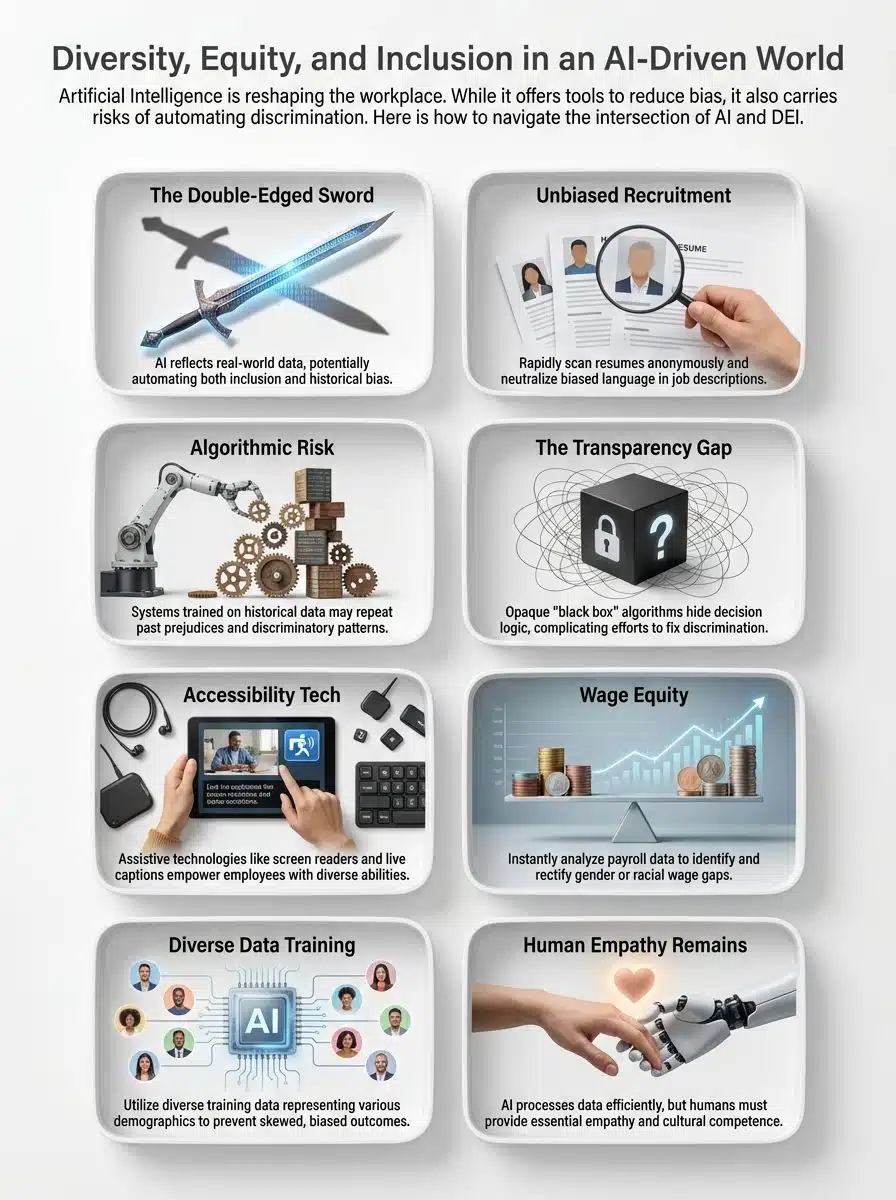
AI tools can scan millions of resumes, picking out talent from all backgrounds. This gives people a shot at jobs, no matter their age, race, or gender. Smart systems spot patterns in hiring that humans may miss because of our own blind spots.
For example, Textio is a popular tool that many companies now use to scan job descriptions. It highlights hidden gendered phrases, like “competitive” or “dominant”, that might discourage women from applying, and suggests more inclusive alternatives. This simple switch can drastically change who walks through the door.
Technology helps make workplaces more open and fair by tracking pay gaps and promotion rates. It can alert leaders if one group gets left behind too often. As the famous author Chimamanda Ngozi Adichie said:
“Stories matter; many stories matter.”
Data makes it easier for teams to see where change needs to happen. With better information, everyone has a chance at equal treatment and growth at work.
Opportunities AI Brings to DEI Efforts
AI can scan thousands of resumes in seconds, giving equal opportunity to all applicants. It does not get tired or distracted, so it treats every candidate with the same attention. Algorithms can flag specific words that might exclude some people, catching them before a job post ever goes live.
Beyond hiring, AI chatbots help make workplaces more accessible by answering questions 24/7 in many languages. This supports employees who might feel uncomfortable asking a busy HR manager for help with basic policy questions.
Data from AI also helps spot pay gaps and differences in promotions across groups. Managers get clear facts, not just gut feelings. For instance, people with disabilities can use voice commands or screen readers powered by smart technology to access digital tools that were once blocked off to them. As organizations lean on these systems more, however, we have to look at the risks.
Risks of AI to DEI
AI acts like a mirror. If that mirror has smudges, the reflection we see is distorted. These risks make learning about DEI in technology urgent.
Algorithmic Bias and Discrimination
Some AI systems learn from old data. If this data carries past bias or stereotypes, the system repeats these mistakes. A hiring tool might favor one group and ignore another simply because that is what it saw in the past.
This isn’t just a theory. In October 2025, Stanford researchers found that AI resume-screening tools gave older male candidates higher ratings than female or younger candidates, even when their qualifications were identical. The AI had “learned” that older men were historically hired more often, so it kept picking them.
We also saw this with iTutorGroup, which agreed to pay $365,000 to settle a lawsuit after their software automatically rejected female applicants over 55 and male applicants over 60. These digital flaws affect real livelihoods.
Lack of Transparency in AI Systems
People often do not know how AI systems make choices. These “black boxes” can hide unfair patterns. An AI might screen job candidates faster than any person could, but no one sees the reasons for rejection.
To fight this, cities are stepping up. New York City’s Local Law 144 now requires employers to audit their automated employment tools for bias. Companies that fail to comply face fines of up to $1,500 per violation. This law is a huge step toward forcing companies to show their work.
“If you don’t know how it works, you can’t fix what’s broken.”
This lack of openness creates big problems for equity. Without clear rules or open data, people from different backgrounds may miss out on opportunities they deserve. Trust breaks down fast when employees feel left in the dark about why technology acts a certain way.
The Digital Divide and Access Inequality
Access to technology is not the same for everyone. Many families in rural places still lack fast internet. Kids without computers at home can fall behind their classmates in school, and this gap follows them into the workforce.
The situation recently became more difficult. In June 2024, the Affordable Connectivity Program (ACP) ended, which had provided discounted internet to 23 million households. According to 2024 data from Ookla, the digital divide actually widened in 32 states, meaning more people are being shut out of the digital economy just as AI becomes essential.
Society moves ahead with AI, but gaps remain. Fairness suffers if only certain voices get heard because others cannot log on or learn the tools needed today. It takes more than just having Wi-Fi; skills like digital literacy matter too for true equal opportunity.
Opportunities for Advancing DEI with AI
AI can shine a light on gaps people might miss. With the right guidance, it can help workplaces treat everyone fairly. Here are three specific ways it helps.

Enhancing Recruitment and Hiring Processes
AI tools scan thousands of résumés very fast, helping spot good candidates who might slip through the cracks. Smart software checks job ads for biased words that scare people off, like “aggressive” or “ninja,” and swaps them out.
For minimizing bias, platforms like Pinpoint offer “blind hiring” features. This software automatically removes names, photos, and university names from applications before a human ever sees them. This forces the hiring manager to focus purely on skills and experience, leveling the playing field.
Promoting Workplace Inclusion and Accessibility
After recruitment gets a fair shake, the next step is making sure everyone feels they belong. Smart technology helps create equal opportunity for all workers.
- Live Captions: Tools like Microsoft Copilot in Teams provide real-time transcription, giving people who are deaf or hard-of-hearing a clear voice at the table.
- Visual Aids: Software that reads text aloud supports those with low vision or who struggle with reading.
- Tone Checks: AI programs notice if some workers get shut out of group chats or left off invites, so managers can fix it fast.
In 2023, over 1 billion people around the world lived with a disability. This makes digital accessibility not just nice to have, but critical for workplace fairness.
Identifying and Addressing Pay and Promotion Gaps
AI systems can scan pay and promotion records at lightning speed. They spot patterns that show if some workers get left behind. For instance, a smart tool might flag that women or people of color have smaller raises than others in the same job.
Syndio is a leading platform in this space. It helps companies analyze pay equity instantly. In fact, some organizations using this type of software reported resolving their statistical pay gaps within two years. Leaders use these tools to adjust salaries, track promotions, and set goals for fair chances.
By keeping an eye on real-time data, HR teams catch bias early. They move quickly, so fairness grows across all groups and roles.
Best Practices for Aligning AI with DEI
To make AI fairer, we need smart steps to lead the way. These choices shape a better, more welcoming workplace for all.
Ensuring Diverse and Representative Training Data
AI learns from the data you give it. If that data only shows one type of person or culture, the AI copies those limits. For example, if an app that scans resumes mostly uses data about men, women may have less chance to get fair results.
Developers call this the “data desert” problem. To fix it, companies must use training sets with more cultures, groups, and backgrounds. Mixing in real stories and details from many walks of life helps AI act with fairness and respect for everyone’s identity.
Establishing AI Governance and Oversight
Clear rules help keep AI fair and open. Committees can watch how technology impacts equity, diversity, and inclusion in a workplace. These groups use guidelines to spot bias or errors early, before harm spreads.
One of the best standards to follow is the NIST AI Risk Management Framework (AI RMF). Updated in 2025, it provides a concrete checklist for managing risks, including specific guidance on generative AI and third-party software. Companies that adopt this framework are far less likely to be blindsided by a bias scandal.
Incorporating DEI Principles into AI Development
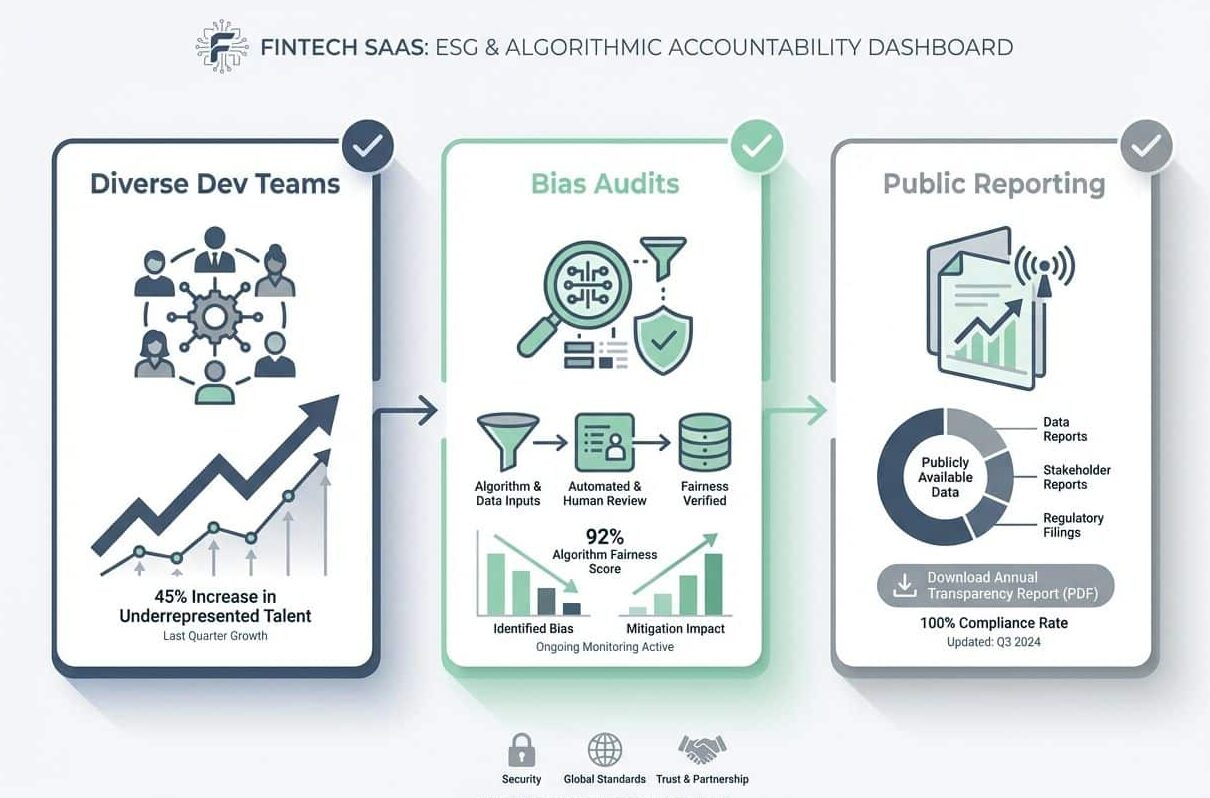
Developers must bring social justice, fairness, and inclusion right into the heart of AI systems. Teams should come from many backgrounds to spot harmful bias before it spreads. Diverse voices help create training data that looks more like real life, rich in gender, culture, language, disability status, and age.
| Action | Why It Matters | Real-World Example |
|---|---|---|
| Diverse Dev Teams | Different life experiences catch different bugs. | A female developer might notice a health app ignores female-specific symptoms. |
| Bias Audits | Finds hidden prejudice in the code. | Running a check to see if an algorithm rejects resumes from certain zip codes. |
| Public Reporting | Builds trust with users and employees. | Microsoft and others now publish transparency reports on their AI ethics. |
Community engagement also matters; people outside tech give feedback about what feels fair or unfair. This way, companies do not just build technology; they shape something truly equitable.
The Future of DEI in an AI-Driven World
Machines learn fast, but people lead with heart. How can we build trust while humans and AI shape tomorrow’s workplace?
Balancing Human and Machine Collaboration
People bring empathy, creativity, and social awareness to the table. AI brings speed and data power but lacks understanding of feelings or fairness. Mix these together for better diversity, equity, and inclusion in the workplace.
However, we have to be careful. A 2025 study from the University of Washington found that humans often mirror the bias of the AI they use. If the computer suggests a biased list of candidates, the human recruiter usually agrees with it. This means “human-in-the-loop” isn’t enough; we need humans who are trained to question the machine.
Building Trust in AI Systems for DEI
Trust grows when teams explain how AI makes decisions. Sharing clear facts helps everyone feel safer about new technology. Checking for bias and fixing errors builds faith in fairness and representation.
Fairness means showing how AI treats each group. Public audits, regular updates, and simple language help users spot problems early. As humans work closely with machines, teamwork shapes a future where equity guides daily choices across the workplace.
Why AI Cannot Replace Empathy
AI spots patterns in data and solves big math problems. It can process words, faces, or even emotions on screens. Still, it cannot feel a heavy heart or sense hope in a shaky voice.
No machine can offer comfort the way someone does with a gentle hug or kind eyes. Human empathy shapes equity and inclusion at work and beyond. Real understanding takes more than code; it calls for lived experience, shared stories, cultural competence, patience, and kindness.
People build community through trust and care; technology just follows instructions. Laughter during tough talks or quiet support after bad news—these are things only humans share.
Future Outlook: The State of DEI in 2030
DEI will look very different in 2030. More companies will train their AI to spot unfairness and help with fair hiring. In fact, the market for AI in recruitment is projected to grow to over $1.12 billion by 2030, showing just how central these tools will become.
Leaders like Google and Microsoft plan to build more accessible tech, so people with disabilities can work better and feel included, too. New laws may make it a rule to check AI systems for bias before using them in any workplace.
Kids growing up now may see fairness as normal because of AI’s role in daily life. Smart machines could flag pay gaps between men and women within seconds; managers would fix these fast, instead of waiting months for audits. Old barriers might fall away one after another thanks to clear rules and open data.
Closing Thoughts
AI is changing how people view diversity, equity, and inclusion at work. Every tool and program can help fairness or make things harder for some groups. People build these systems, so human choices matter a lot.
A strong focus on representation keeps technology fair for all. Small steps toward equity today shape the future of workplace culture tomorrow. Tools must support accessibility, reduce bias, and boost equal opportunity across teams. Progress takes time, but grows faster with good governance and honest advocacy from everyone involved.