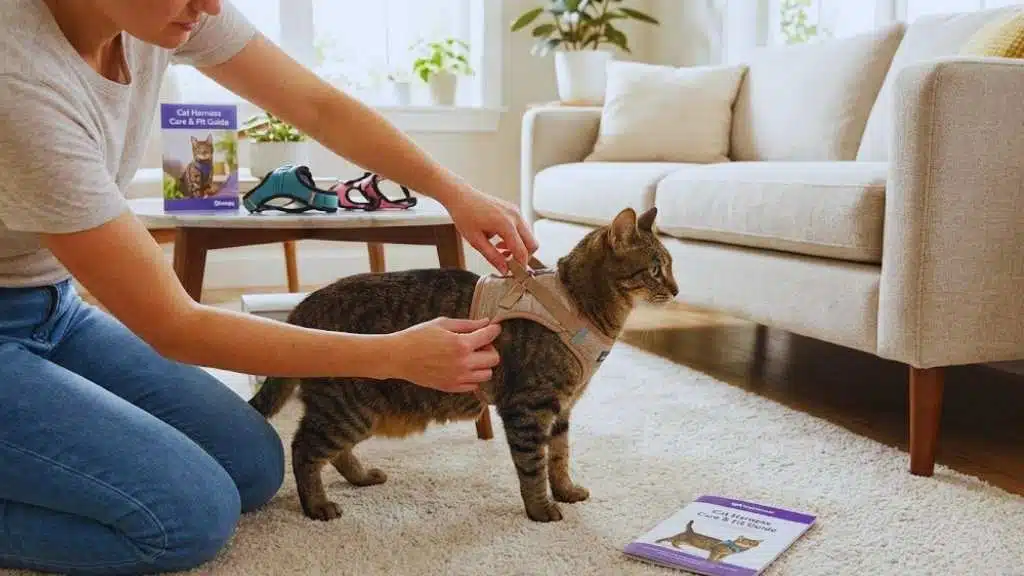
Let us start with honesty. If you have ever put a cat harness on your cat and thought, wow, that was easier than expected, chances are it was not. Maybe the escape happened later. Maybe the flop came first. Or that dramatic sideways collapse where your cat looks at you like you have betrayed them. Oh well.
A cat harness sounds simple. In reality, it sits on some very sensitive spots. Neck. Chest. Underarms. Areas cats are extremely aware of. So when something feels even slightly off, they react fast.
Fit problems lead to escapes. Escapes lead to panic. And skin breakouts show up later, when you least expect them. If you are trying to give your cat safe outdoor time without stress, the right cat harness makes all the difference. Let us talk about what usually goes wrong and how you can actually fix it.
Common Cat Problems Around Fit, Escapes, And Skin Breakouts
Most problems with a cat harness begin with good intentions. You want your cat to explore safely. You measure. You order. You adjust. And still, something feels… not right.
Fit is the biggest issue. Cats have narrow shoulders and flexible bodies. A cat harness that fits the chest might feel loose at the neck. One that feels secure at the neck may press into the chest. Cats notice immediately. They crouch. They pull backwards. They twist in ways that feel physically impossible. And yes, some escape like liquid.
Escapes usually happen when the harness shifts during movement. Cats move low, stretch forward, then reverse suddenly. A cat harness designed without this movement in mind will fail under pressure.
Skin breakouts are quieter. They show up later. Rubbing under the arms. Moisture trapped against the skin. After a few uses, you notice redness or thinning fur. Sometimes small bumps appear. That is when you realise something is wrong.
None of this means harness walking is a bad idea. It just means details matter more than people expect.
Practical Solutions To Prevent Cat Harness Fit Problems, Escapes, And Skin Breakouts
Before anything else, remember this. A cat harness should work with your cat’s body, not against it. Comfort comes first. Always.
Focus On Shoulder Fit, Not Just Measurements
Most people size a cat harness using chest measurements alone. That is where trouble starts. Cats escape through the shoulders. If that area is loose, the harness slides forward. Then your cat pulls back. Then poof. Gone.
When fitting a cat harness, watch shoulder movement. Let your cat stretch and turn. The harness should stay in place. If it shifts when they pull backwards, the fit is wrong. You should fit two fingers under the straps. Not more. Not less. Tight does not equal secure. Balanced does.
Adjust Slowly And Recheck After Movement
This step gets skipped far too often. Put the cat harness on. Let your cat walk around indoors. Let them sit. Stretch. Turn. Then check the straps again.
Cats settle into a harness after a few minutes. Straps that felt fine earlier may loosen. Or start pressing in odd places. Adjust slowly. One strap at a time. Rushing leads to escapes later. Patience here saves stress outside.
Pay Attention To Fabric And Stitching
Skin breakouts often come from friction. Not dirt. Not allergies. A cat harness should feel smooth along all edges. Rough seams rub with every step. This matters most under the arms and chest.
Breathable materials help reduce moisture buildup. Moist skin breaks down faster. That leads to irritation. If your cat has sensitive skin, check after every use. Redness means stop. Even if the walk went well.
Do Not Over-Tighten Out Of Fear
This is a common mistake. You worry about escapes. So you tighten everything. A very tight cat harness presses into skin folds. It limits movement. It creates pressure points. Cats respond by pulling harder. That increases friction. Then irritation follows.
A secure fit allows movement without sliding. If your cat walks stiffly, it is too tight. If they slip out, it is too loose. Somewhere in between is comfort.
Train Gradually To Reduce Escape Behaviour
Many escapes happen because cats panic. Not because the harness is bad. Start indoors. Short sessions. Minutes, not hours. Let your cat wear the cat harness without a leash first.
Reward calm behaviour. Let them move at their own pace. If they freeze, wait. If they flop dramatically, sigh, smile, and wait. When cats feel control, they stop fighting the harness. Escape attempts reduce naturally.
Check Skin Regularly And Rotate Use
Even a good cat harness should not be worn for long daily sessions at first. Check contact areas after walks. Underarms. Chest. Neck. Look for redness or hair loss.
If irritation appears, pause. Let skin recover fully. Sometimes using the harness every other day helps. Sometimes irritation does not show up immediately. It can appear the next day, which is annoying but very real. A quick daily check takes seconds and saves you from bigger problems later.
Accept That Every Cat Needs A Different Pace
Some cats adjust in days. Others take weeks. That is normal. Comparing your cat to others only adds pressure. Your cat does not care about timelines.
Let them set the pace. A cat harness should feel like freedom, not restraint. When comfort comes first, confidence follows. Some days will feel like progress. Other days will feel like you are back at square one. Cats learn in layers, not straight lines, and comfort builds quietly over time.
Final Words
A cat harness can give your cat safe outdoor experiences, mental stimulation, and shared time with you. But only if it fits properly and feels comfortable.
We talked about common fit problems, escape behaviour, and skin breakouts. We covered shoulder fit, slow adjustments, fabric choices, and training pace. These details shape how your cat feels.
If your cat resists a cat harness, it does not mean they hate it. It usually means something feels off. When you choose and use a cat harness thoughtfully, walks become calmer and safer.