
Supporting your child’s social-emotional learning at home can be a meaningful and rewarding experience. Each child is different, with their own personality, needs, and temperament. However, with small, thoughtful practices, you can help your children understand and manage their emotions.
In this blog, we will share some simple ways you can implement to help your children become more emotionally aware and help them grow emotionally strong and confident individuals.
Practical Ways to Support Social-Emotional Learning at Home
Children learn about emotions through observing adults. A home environment that creates opportunities for expressing emotions through conversations, shared activities, and asking for feedback will help children become more aware of their own feelings and be able to express themselves in healthy ways.
Creating Open Communication Spaces
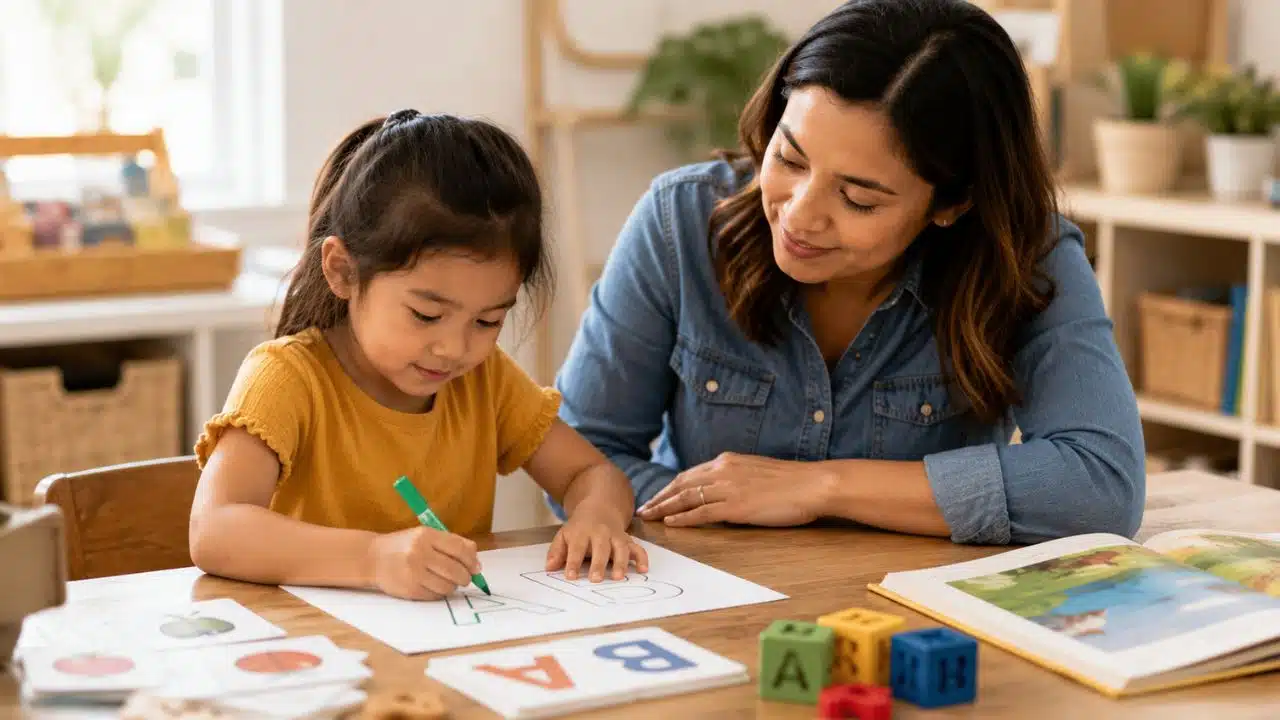
You can create an environment for open communication by setting aside time for conversations without expecting a specific outcome. The goal is simply to give your child space to talk and share freely. Dinner time conversations, bedtime dialogs or travelling together are the best and easiest ways to encourage open dialogue. Simple day-to-day questions about their routine can help your child understand their feelings without the fear of being judged.
Encouraging Cooperative Play and Shared Tasks
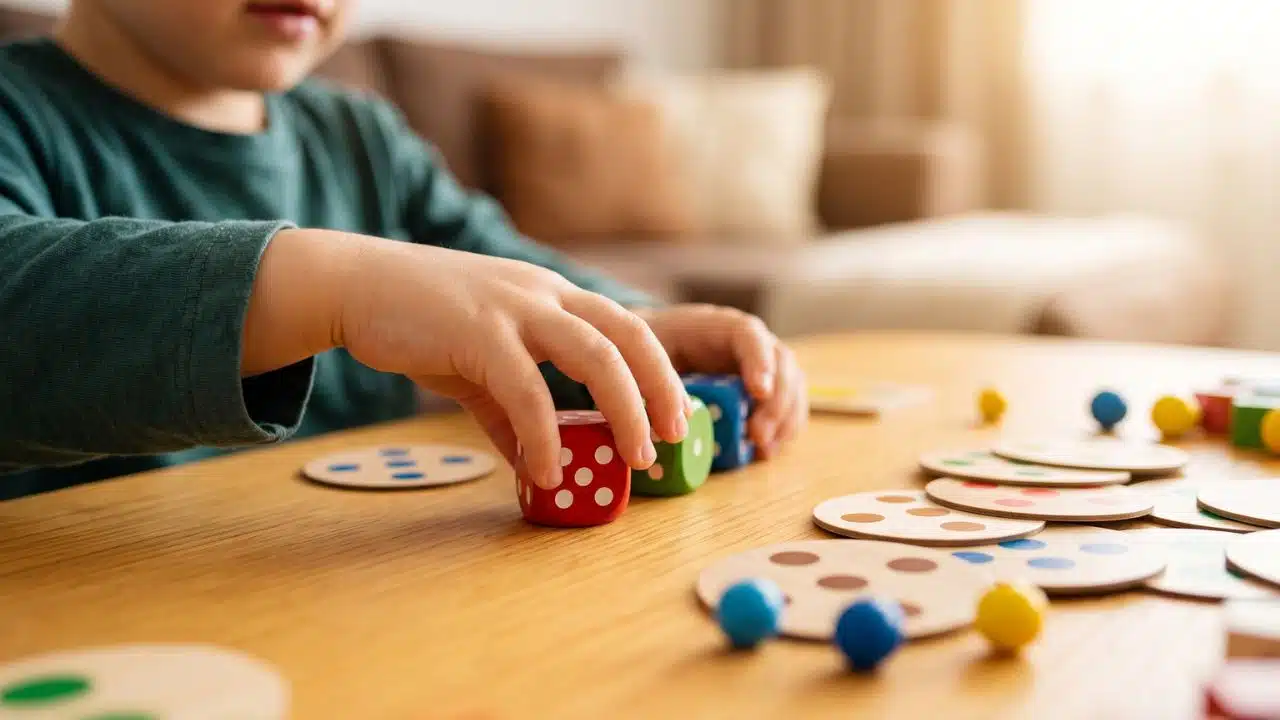
Cooperative play and shared tasks are valuable tools to teach children about teamwork. Through simple household chores, such as setting the table, solving a puzzle and working on short-term tasks together, children learn how to communicate, share responsibilities, and support one another.
Modeling Positive Behavior Through Daily Routines
When you show positive behaviour in your everyday actions, your child naturally learns from it. When you stay calm during frustration, apologise when needed, and express gratitude, you are giving your child powerful examples of how to act and respond. Over time, children begin to imitate these behaviours in their own interactions, strengthening their social skills.
Using Emotional Vocabulary in Everyday Moments
When children see and hear adults identify emotions (e.g., ‘You seem happy,’ ‘That must be disappointing’), they learn how to express themselves more clearly. When children are consistently exposed to this kind of environment, their emotional intelligence grows, and they become more confident in expressing their feelings.
Supporting Decision-Making and Problem-Solving
When your child has to make simple choices, such as choosing an activity or settling a small conflict, you can help them think through the situation. By asking simple questions on their next steps, you can encourage them and help them feel responsible for their choices. The experience that they gain from this method boosts their self-esteem and helps them to develop critical thinking skills.
Practicing Gratitude and Reflection Together
You might encourage your child to share a happy moment from the day or point out something they appreciated. This practice builds kindness, empathy, and an optimistic approach that we have for one another. A child’s demonstration of empathy for others can empower them to view positive interactions as a part of life.
Balancing Screen Time with Interactive Family Activities
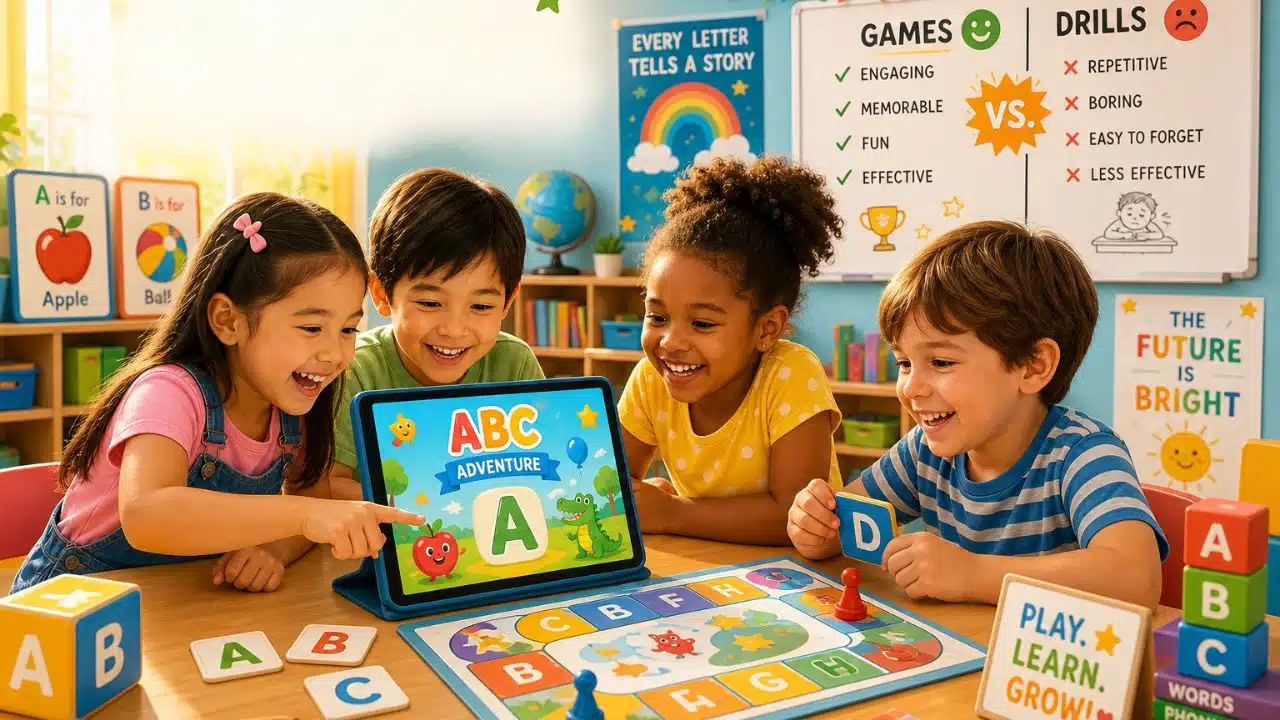
Interactive family activities such as storytelling, board games, and short group activities give you and your children opportunities to talk and work together. These activities encourage conversation, attention, and collaboration that support social-emotional learning in a gentle, practical way. Moreover, limiting or balancing screen time allows children to engage more fully in these interactive experiences and develop stronger communication skills.
Takeaways
Helping your child build emotional skills is an ongoing process that you can support gradually at home. Developing social-emotional learning takes time, but can be accomplished through small everyday habits that involve open, ongoing discussions, family responsibilities, and encouraging reflection. By consistently integrating these simple practices into daily life, you provide your child with the tools to understand and manage their emotions better.
Disclaimer: This blog provides basic information on the many ways that families can help support their children’s social and emotional growth at home. Since every child’s emotional development is unique, the methods that work for one may not necessarily succeed for another. If you have any significant questions or concerns about your child’s emotional health or development, it may be beneficial to consult with a qualified professional for personalized recommendations. The content of this blog post is not meant to be used in place of professional therapy, counseling, or medical treatment.