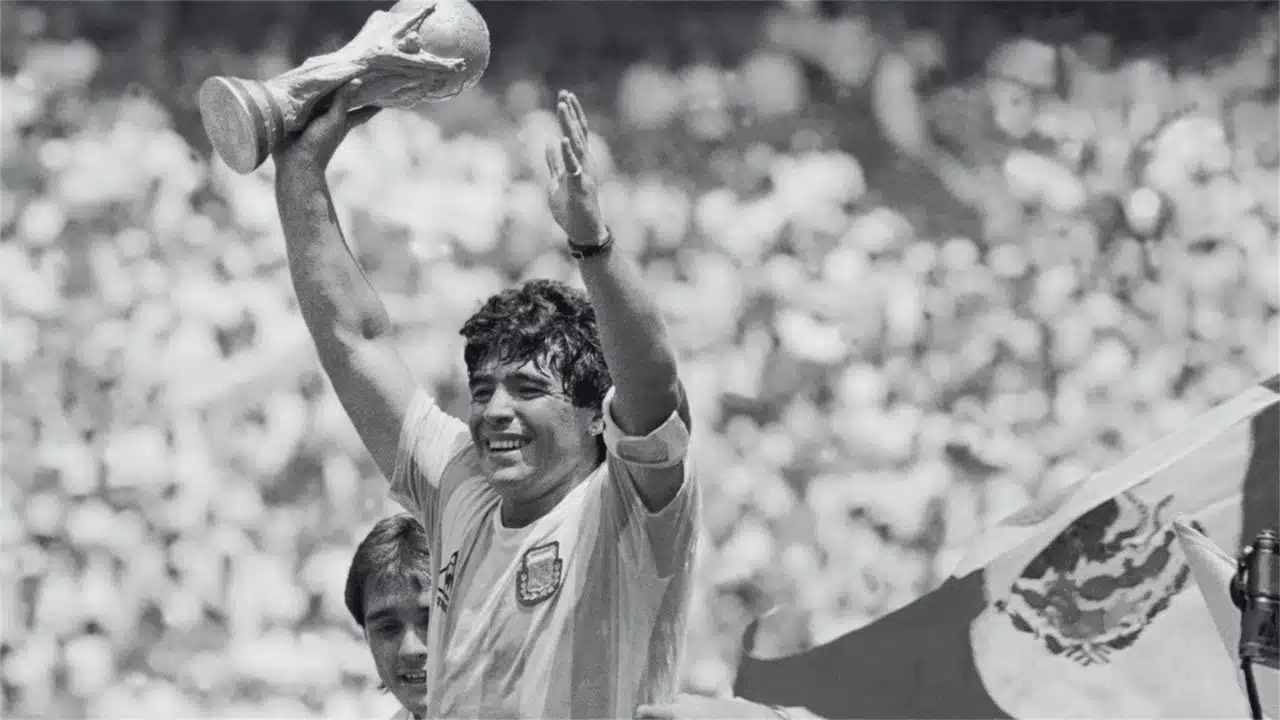
The heart of Argentine football legend Diego Maradona continues to be held under heavy police guard in a secured forensic facility, five years after his death shocked the world. The organ, which weighed nearly twice that of an average human heart, remains preserved in formaldehyde at the Pathology Department of the Buenos Aires Provincial Police in La Plata, where it serves as key evidence in an ongoing negligent homicide trial against his medical team.
The Heart Under Guard
Maradona’s heart sits in a sealed container within the forensic pathology department, protected by security measures that authorities have deliberately intensified over the years. The symbolic significance of the organ, combined with credible threats from violent groups seeking to steal it as a macabre trophy, prompted officials to keep it separate from Maradona’s body, which rests at the Jardín Bella Vista cemetery. Police sources confirm that the preservation protocols require the heart to remain under official protection for a minimum of ten years before any decision regarding its final disposition can be made.
Why It Was Removed
During the autopsy performed on November 25, 2020, forensic pathologists extracted Maradona’s heart along with other organs including the liver and kidneys to determine the true causes of death, which sparked widespread controversy and criminal investigation. The post-mortem examination revealed that Maradona died from acute pulmonary edema secondary to an acute exacerbation of chronic heart failure, a condition that had been developing for days and could have been anticipated with proper medical care. Instead of being interred with the football icon’s remains, the heart was retained as critical evidence in the criminal case against seven members of his medical team.
The Weight of a Legend
Forensic experts who testified in court described Maradona’s heart as “abnormally large” at 503 grams, nearly double the weight of a normal heart. The organ was completely enveloped in fat and blood clots, clear indicators of prolonged agony before death. Medical examiner Carlos Cassinelli told the court that Maradona had been “collecting water” for days, and his heart showed signs of suffering for at least twelve hours prior to his death.
Threats and Security Measures
Argentine authorities received specific intelligence warnings about criminal gangs plotting to steal Maradona’s heart, treating it as a valuable trophy or relic of the football deity. The risk was deemed so serious that judicial officials made the extraordinary decision to permanently separate the organ from the body, placing it under round-the-clock police guard rather than allowing it to be buried with the World Cup winner. Security has been further tightened around Maradona’s tomb as well, where approximately 200 police officers guard the cemetery to prevent grave robbers from targeting the site.
Ten-Year Limbo
Current preservation protocols mandate that Maradona’s heart must remain in police custody for a decade before any final decision can be made about its fate. After the ten-year period concludes, authorities will carefully weigh the possibility of eventually interring the heart near Maradona’s body, though this decision will require agreement among the family, courts, and involved institutions. The extended preservation timeline ensures the organ remains available for any future legal proceedings or additional forensic examinations that may become necessary as the homicide trial unfolds.
The Trial and Investigation
Seven health professionals, including doctors, nurses, a psychiatrist, and a psychologist, face charges of “homicide with possible intent” and potential prison sentences of eight to twenty-five years if convicted. Prosecutors allege that Maradona’s death could have been prevented and that the medical team acted negligently by allowing him to recover from brain surgery at a private residence instead of a proper medical facility. The trial, which began in March, dramatically collapsed in May when one of the three judges was discovered to have secretly authorized recordings for a documentary, leading to her dismissal and disqualification from future judicial positions. A second trial is scheduled to begin in March 2026, continuing the family’s quest for accountability.
Family’s Quest for Justice
Maradona’s daughters have been vocal in their pursuit of justice, with Gianinna Maradona describing the home care her father received as “a disastrous charade” and alleging that doctors had promised “serious home care” but failed to deliver. The family remains determined to see those responsible held accountable, believing that proper medical attention could have saved the football legend’s life. As the legal battle continues, Maradona’s heart remains both a piece of evidence and a symbol of the devotion and controversy that defined his life and death, preserved under guard until justice is served and a final resting place can be determined.