

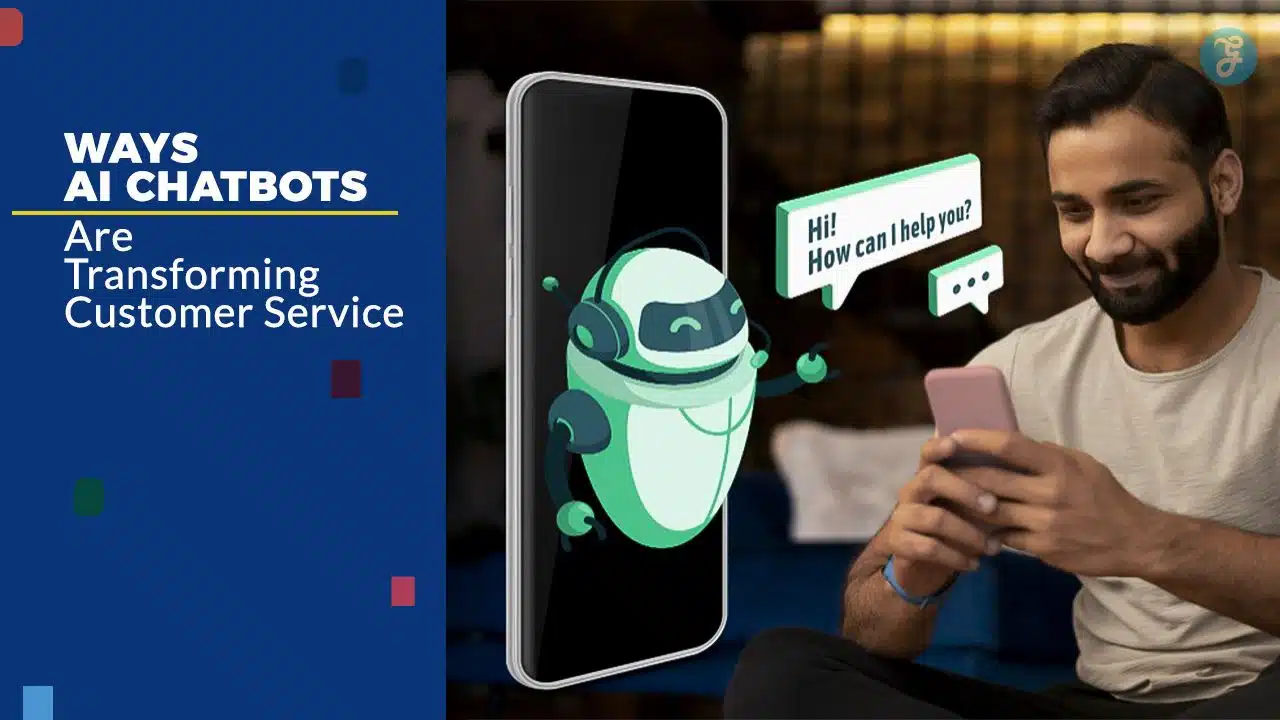
You dread long hold times, repeated security checks, and slow fixes. It can feel like talking to a robot that forgot its script, and that kills customer patience. AI chatbots offer 24/7 support and instant responses, transforming customer service.
I will show 5 ways AI chatbots fix common support woes. You will see how machine learning and natural language processing drive personalization and automation, how intelligent routing and AI knowledge bases speed resolution and boost efficiency, and how sentiment analysis and voice analytics improve phone support and customer engagement.
Read on.
Key Takeaways
- AI chatbots deliver instant 24/7 support, cut service costs up to 30%, and are used by H&M and Sephora via tools like Dialogflow and Rasa.
- Machine learning and NLP pull CRM data and past tickets to personalize support, nudge freemium users to paid plans, and speed onboarding.
- RB2B achieved a 65% auto-resolution rate and saved over 132 hours monthly while AI knowledge bases and vector search reduce escalations.
- Omnichannel chatbots—HubSpot’s Breeze AI, Intercom FIN, Zendesk Answer Bot, Freshdesk Freddy, and Drift—sync channels and CRMs to automate routine work.
- Predictive analytics and sentiment analysis flag issues—Amazon uses predictive support—and 40% of organizations may become profit centers, with 35% reporting time savings.
Instant, 24/7 Customer Support
AI chatbots provide instant responses and deliver Instant, 24/7 Customer Support, so customers get answers any hour. H&M and Sephora use chat automation, and small businesses and SaaS startups deploy similar AI technology.
These automated support systems lower customer service costs by up to 30% and speed query resolution, since bots do not need coffee breaks.
Bots act as a first defense, resolving simple queries with selfservice options, then triggering live agent escalation for complex cases. This workflow cuts human agent burnout and raises client satisfaction with fast, accurate instant response, and tools like Dialogflow and Rasa power many deployments.
Personalized Interactions Through AI-Powered Conversations
Chatbots analyze user behavior, preferences, and history to craft relevant replies. Machine learning and natural language processing power the system, and data analytics feed the models.
Personalized Interactions Through AI-Powered Conversations act like a smart clerk, they pull CRM data and past tickets to craft fast, relevant messages. SaaS teams use this tech for onboarding, they customize flows to user role, industry, and familiarity with similar tools.
This system supports tiered Customer Support, offering different help levels for new, regular, and VIP users. Personalization builds trust, it increases Customer Satisfaction, and it nudges freemium users toward paid plans at optimal moments.
Customer Engagement rises when the bot spots a usage dip, it sends a quick walkthrough or a timely prompt. Data analytics and user behavior models tune each reply, they match tone, timing, and links to help centers.
Chatbot Technology ties into CRM platforms and helpdesk tools, it pulls purchase history and open tickets to shape answers. Agents can drive account conversions from freemium to paid plans, they identify optimal moments and present context aware offers.
After conversion, the bot sends user guides, short how-to clips, and in-chat tips that speed onboarding and boost User Experience. This personalization evaluates user data and behavior patterns, it delivers custom support and raises Customer Satisfaction.
Efficient Issue Resolution With Minimal Escalations
Advanced NLP and machine learning scan support chats, tickets, and product notes. They match problems to fixes, enabling fast problemsolving without human agents. RB2B saw a 65% auto-resolution rate after it rolled out automation, the move saved over 132 hours each month.
AI knowledge bases replace static FAQs, they learn from customer interactions and support tickets to spot content gaps. The system drafts new help articles from analyzed conversations, so updates keep pace with product changes.
AI-driven vector search and recommendation engines, used by chatbots, read context and adapt to different phrasing to point users to the right article fast. Issue tracking ties to knowledge management and flags trends, lowering escalations and shrinking ticket volumes.
Customers use selfservice portals more, they get answers faster and enjoy better user experience.
Seamless Integration Across Multiple Channels
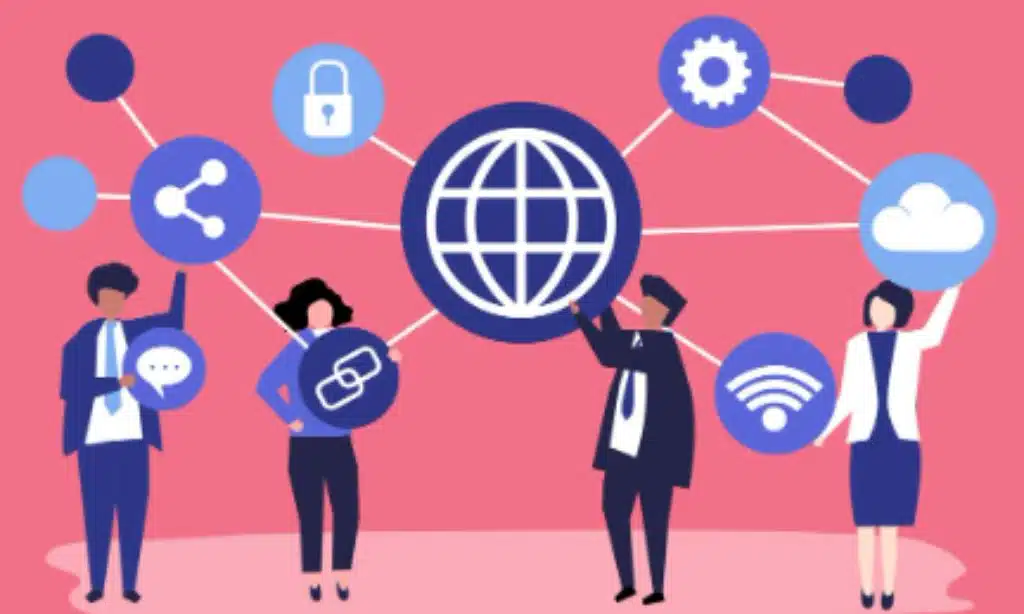
AI chatbots link emails, social media, websites, and messaging apps, powering Seamless Integration Across Multiple Channels. They keep conversations uninterrupted when customers jump from Instagram to email, passing context like a baton.
This omnichannel setup raises support quality across every digital touchpoint, and it feeds interaction analysis for smarter personalization.
Tools like HubSpot’s Breeze AI Customer Agent, Intercom FIN, Zendesk Answer Bot, Freshdesk Freddy, and Drift link chats to CRMs, fetch order details, and update statuses, automating routine work.
Companies that combine AI with human agents deliver faster, personalized support, the kind both small and large businesses can offer. AI also powers multitasking across systems, syncing with customer relationship platforms, and it runs cross-platform analysis so teams spot trends, fix problems, and improve communication.
Predictive and Proactive Customer Support Solutions
Predictive and Proactive Customer Support Solutions use data to spot problems early. Artificial Intelligence, using predictive analytics and sentiment analysis, parses records and real-time tone to flag trouble, like a weather forecast for complaints, spotting a rise in “Where is my order?” tickets.
Amazon uses predictive support to notify customers before frustration grows, and that model can cut tickets before customers call. Forty percent of customer service organizations will become profit centers through effective digital customer engagement.
These data insights lower incoming ticket volume and raise customer satisfaction.
ML models, text analysis, and CRM signals feed churn prediction, and they point to products likely to spark questions, so teams can send preemptive tips. Agents get prioritized alerts for high-value accounts, based on tone and score, so issue resolution moves fast.
Thirty-five percent of support teams report time savings and improved feedback analysis with sentiment and predictive tools. Teams gain proactive support that fits digital transformation goals.
They turn service into growth.
Takeaways
AI chatbots cut wait times, they give instant, 24/7 support that customers expect. They use NLP, machine learning, and an AI knowledge base to personalize answers. Like a trusty sidekick, virtual assistants handle routine tasks, so agents can fix tough problems.
Sentiment analysis and voice analytics help ticketing systems route and prioritize issues faster. Blending automation, CRM, realtime assistance, and data analytics turns support into growth, and boosts resolution and engagement.
FAQs on AI Chatbots Are Transforming Customer Service
1. What can AI chatbots do for customer service?
AI chatbots can handle common questions, 24/7, so customers get answers fast. They automate replies, reduce wait times, and power self-service options. They can route complex cases to human staff, and cut costs at scale.
2. How do chatbots personalize support?
They analyze customer data and past chats, then tailor replies and product tips. They use language tech to match tone, and they can predict consumer behavior, so offers feel timely. This lifts customer satisfaction, plain and simple.
3. Will AI chatbots replace human staff?
No, chatbots do routine work, they do not replace empathy. They free human staff to solve hard problems, they speed up service, and they lower costs. They hand off tricky issues to humans, smoothly, like a good relay team.
4. How do I measure chatbot success?
Track reduced wait times, first contact resolution, and customer satisfaction scores. Watch usage data and cost savings, and link results to business goals. Use analytics inside your software systems to spot trends, and act on them.






















