

Filmmaking has continuously evolved over the decades, with certain directors standing out as true visionaries who reshaped cinema as we know it.
These directors brought groundbreaking techniques, innovative storytelling, and revolutionary cinematography to the industry, influencing generations of filmmakers and transforming audience expectations.
From mastering suspense to pioneering CGI and IMAX cinematography, these directors have introduced cutting-edge filmmaking techniques and reshaped how stories are told. Their influence extends beyond individual films, shaping the entire landscape of modern filmmaking.
This article delves into 10 Directors Who Revolutionized Modern Filmmaking, analyzing their contributions, signature styles, and lasting legacies. Whether through technical advancements, bold narratives, or cinematic craftsmanship, these directors have left an indelible mark on the industry.
The Pioneers of Modern Filmmaking
Filmmaking is an art that constantly reinvents itself, and some directors have been instrumental in pushing the boundaries of the medium.
These pioneers introduced groundbreaking storytelling techniques, visual effects, and cinematographic innovations that set new industry standards.
Their contributions have influenced everything from camera angles to digital effects, setting the foundation for future generations of filmmakers. Whether it was the use of deep-focus cinematography, nonlinear narratives, or CGI, these directors dared to experiment, forever changing how movies are made.
10 Directors Who Revolutionized Modern Filmmaking
Below is a deep dive into 10 Directors Who Revolutionized Modern Filmmaking, examining their influence, iconic works, and signature techniques.
1. Alfred Hitchcock – Master of Suspense
Hitchcock is often referred to as the “Master of Suspense” for his ability to create tension and psychological thrills. He developed innovative techniques such as the dolly zoom effect (famously used in Vertigo) and perfected the “MacGuffin” technique—an object or event that drives the plot. His films often explore themes of paranoia, identity, and obsession, making them timeless classics.
Signature Style and Innovation
- Pioneered suspense-driven storytelling
- Perfected the “MacGuffin” technique
- Used innovative camera angles and subjective POV shots
Most Influential Works
| Film | Year | Key Contribution |
| Psycho | 1960 | Introduced one of the most shocking plot twists in cinema history |
| Vertigo | 1958 | Experimented with the dolly zoom effect to create disorientation |
| Rear Window | 1954 | Masterfully crafted tension using a single location |
2. Stanley Kubrick – A Perfectionist Filmmaker
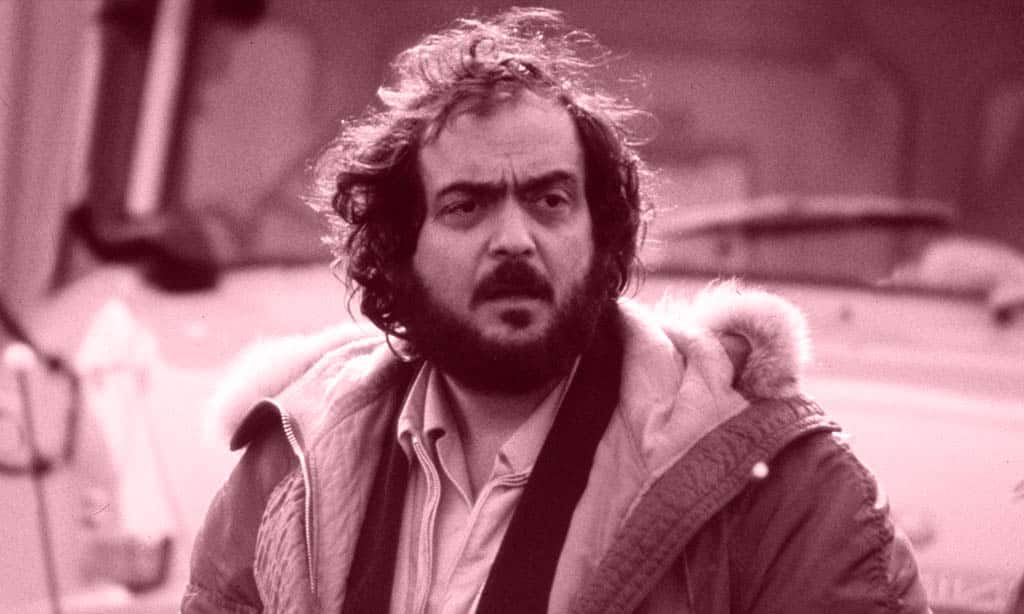
Kubrick was known for his meticulous attention to detail and his ability to blend different genres seamlessly. His use of symmetrical framing, unconventional storytelling, and innovative special effects set new standards for filmmaking. He was one of the first to experiment with nonlinear narratives and complex character studies, making his films deeply engaging and thought-provoking.
Signature Style and Innovation
- Known for meticulous detail and symmetrical cinematography
- Innovated storytelling through nonlinear narratives
- Pushed the boundaries of visual and practical effects
Most Influential Works
| Film | Year | Key Contribution |
| 2001: A Space Odyssey | 1968 | Revolutionized sci-fi with groundbreaking visual effects |
| The Shining | 1980 | Mastered psychological horror through eerie cinematography |
| A Clockwork Orange | 1971 | Explored dystopian themes with unique visual storytelling |
3. Steven Spielberg – The Blockbuster Pioneer
Spielberg is credited with inventing the modern blockbuster. His ability to blend human emotions with thrilling adventure stories has made his films both critically acclaimed and commercially successful. From using practical effects in Jaws to CGI advancements in Jurassic Park, Spielberg has consistently pushed the boundaries of cinematic technology.
Signature Style and Innovation
- Defined the summer blockbuster era
- Mastered emotional storytelling and adventure narratives
- Revolutionized CGI with groundbreaking visual effects
Most Influential Works
| Film | Year | Key Contribution |
| Jaws | 1975 | Introduced the concept of the summer blockbuster |
| E.T. the Extra-Terrestrial | 1982 | Blended science fiction with emotional storytelling |
| Jurassic Park | 1993 | Set new standards for CGI in film |
4. Martin Scorsese – The Crime Drama Visionary
Scorsese’s films are known for their deep character explorations, particularly in crime and mafia settings. His use of long tracking shots, voice-over narration, and morally complex characters has influenced countless filmmakers.
Signature Style and Innovation
- Mastered character-driven narratives
- Frequently collaborated with Robert De Niro and Leonardo DiCaprio
- Utilized long tracking shots and freeze-frames
Most Influential Works
| Film | Year | Key Contribution |
| Goodfellas | 1990 | Reinvented the crime drama with a fast-paced, immersive style |
| Taxi Driver | 1976 | Examined themes of loneliness and psychological decay |
| The Irishman | 2019 | Used de-aging technology for storytelling across decades |
5. Akira Kurosawa – The Japanese Mastermind
Kurosawa is renowned for his pioneering influence on both Japanese and global cinema. His innovative use of camera movement, storytelling, and editing techniques set new standards for visual storytelling. His films have inspired numerous Hollywood directors, including George Lucas and Quentin Tarantino.
Signature Style and Innovation
- Mastered dynamic camera movement and cinematography
- Introduced the “wipe transition” technique
- Created samurai epics that shaped modern action films
Most Influential Works
| Film | Year | Key Contribution |
| Seven Samurai | 1954 | Established the “team of heroes” narrative structure |
| Rashomon | 1950 | Introduced nonlinear storytelling and unreliable narration |
| Yojimbo | 1961 | Influenced the modern Western and crime genres |
6. Quentin Tarantino – The King of Nonlinear Storytelling
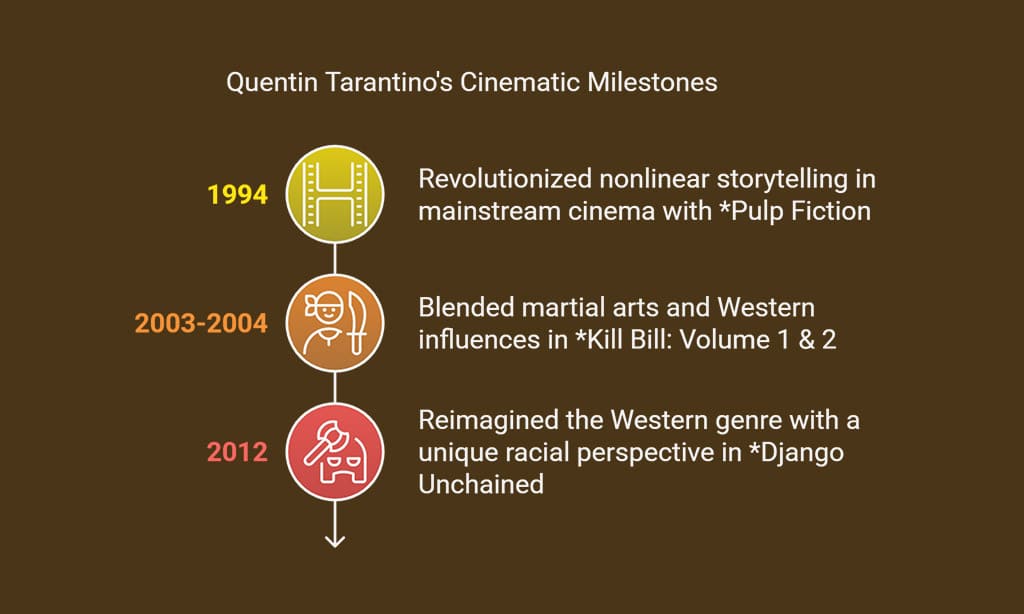
Tarantino is famous for his unconventional narratives, rich dialogues, and homage to classic cinema. His films are known for their stylish violence, nonlinear structure, and strong character development.
Signature Style and Innovation
- Mastered nonlinear storytelling and sharp, pop-culture-infused dialogue
- Popularized genre-blending techniques in modern cinema
- Created unique character-driven narratives with dark humor
Most Influential Works
| Film | Year | Key Contribution |
| Pulp Fiction | 1994 | Revolutionized nonlinear storytelling in mainstream cinema |
| Kill Bill: Volume 1 & 2 | 2003-2004 | Blended martial arts and Western influences |
| Django Unchained | 2012 | Reimagined the Western genre with a unique racial perspective |
7. Christopher Nolan – The Architect of Mind-Bending Films
Nolan is known for his intellectual storytelling and groundbreaking use of practical effects. His films blend deep narratives with visually stunning cinematography, often pushing the boundaries of what cinema can achieve.
Signature Style and Innovation
- Revolutionized IMAX cinematography
- Crafted intricate, multi-layered narratives
- Blended practical and digital effects seamlessly
Most Influential Works
| Film | Year | Key Contribution |
| Inception | 2010 | Mastered the blending of dreams and reality in storytelling |
| The Dark Knight | 2008 | Set new standards for superhero films |
| Interstellar | 2014 | Combined scientific accuracy with emotional storytelling |
8. Orson Welles – The Pioneer of Modern Film Techniques
Welles changed the face of cinema with his innovative deep-focus cinematography and narrative structures. His work in Citizen Kane is often considered one of the greatest achievements in film history.
Signature Style and Innovation
- Innovated deep-focus cinematography
- Experimented with time-shifting narratives
- Used extreme low and high-angle shots for dramatic effect
Most Influential Works
| Film | Year | Key Contribution |
| Citizen Kane | 1941 | Revolutionized cinematography with deep-focus shots |
| Touch of Evil | 1958 | Used extended tracking shots and chiaroscuro lighting |
| The Magnificent Ambersons | 1942 | Experimented with character-driven storytelling |
9. Francis Ford Coppola – The Godfather of Epics
Coppola transformed cinema with his grand epics that combined deep storytelling, stunning cinematography, and powerful performances. His Godfather trilogy remains one of the most celebrated achievements in film.
Signature Style and Innovation
- Perfected epic storytelling and character development
- Blended realism with grand cinematic scope
- Experimented with lighting and sound design
Most Influential Works
| Film | Year | Key Contribution |
| The Godfather | 1972 | Defined the modern crime and mafia genre |
| Apocalypse Now | 1979 | Revolutionized war cinema with surreal storytelling |
| The Godfather Part II | 1974 | Elevated sequels to cinematic masterpieces |
10. James Cameron – The Visionary of Technological Innovation
Cameron is known for pushing technological boundaries in filmmaking, from CGI advancements to motion capture and 3D cinematography. His films blend spectacle with strong storytelling, creating groundbreaking cinematic experiences.
Signature Style and Innovation
- Pioneered CGI and motion capture technology
- Created groundbreaking sci-fi and action spectacles
- Revolutionized 3D filmmaking
Most Influential Works
| Film | Year | Key Contribution |
| Titanic | 1997 | Mastered epic storytelling and visual effects |
| Avatar | 2009 | Pioneered 3D filmmaking and CGI advancements |
| The Terminator | 1984 | Redefined the action and sci-fi genres |
Key Innovations That Changed Filmmaking
The evolution of cinema has been largely driven by groundbreaking techniques introduced by visionary directors. These innovations have shaped the way films are made, transforming visual storytelling and redefining audience experiences. By pushing creative and technological boundaries, these directors have set new industry standards that continue to inspire modern filmmakers.
The Game-Changing Techniques Introduced by These Directors
| Innovation | Introduced By | Impact on Cinema |
| Deep-focus cinematography | Orson Welles | Allowed viewers to see multiple layers of a scene |
| Nonlinear storytelling | Quentin Tarantino | Created engaging, unpredictable narratives |
| IMAX cinematography | Christopher Nolan | Enhanced visual scale and depth |
| Advanced CGI | James Cameron | Revolutionized sci-fi and action films |
Takeaways
These 10 Directors Who Revolutionized Modern Filmmaking have redefined cinema through their artistic vision, technological innovation, and storytelling prowess. Their contributions continue to shape the film industry, inspiring future generations of filmmakers and captivating audiences worldwide.
Which of these legendary filmmakers do you think had the most impact on modern cinema? Share your thoughts in the comments!
























