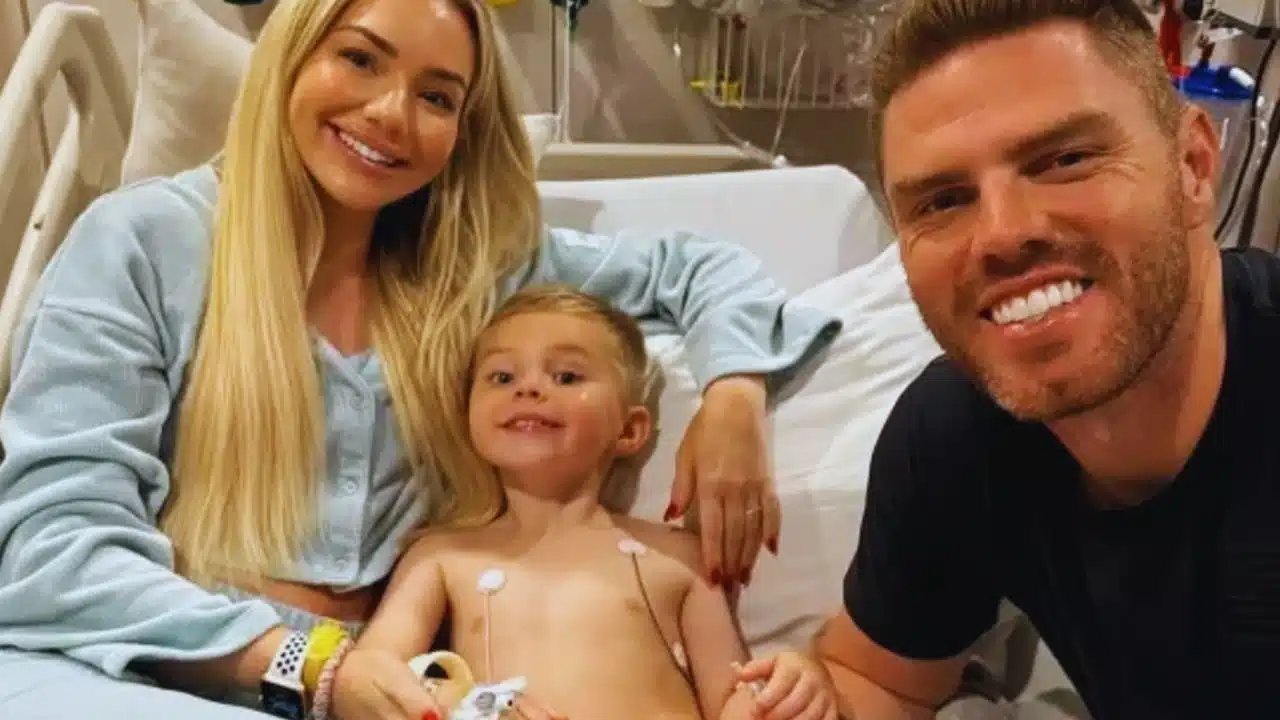
Freddie Freeman, the renowned Major League Baseball player, has always been a family man, often sharing moments with his loved ones both on and off the field.
Fans who follow his journey are often curious about his family life, including updates about his son, Charlie Freeman. So, what happened to Freddie Freeman’s son?
The Onset and Diagnosis
Max’s health scare began on July 22, 2024, when he woke up with a slight limp. What initially seemed like a minor issue quickly escalated over the next four days, culminating in full paralysis on July 26. The rapid progression of symptoms prompted the Freemans to rush Max to the hospital, where he was diagnosed with a severe case of Guillain-Barré syndrome.
Guillain-Barré syndrome is an autoimmune disorder in which the body’s immune system mistakenly attacks the peripheral nerves, leading to weakness, numbness, and in severe cases like Max’s, paralysis. The condition is particularly rare in children, making Max’s case even more alarming for the Freeman family.
The Critical Phase
Upon arrival at the hospital, Max’s condition was critical. The paralysis had affected his ability to breathe, necessitating immediate medical intervention. He was placed on a ventilator to support his lung function, as the paralysis had impacted his diaphragm. This marked the beginning of an intense period for the Freeman family, with Freddie describing it as “the hardest and scariest days of our lives..
Max spent eight days in the pediatric intensive care unit (PICU), receiving round-the-clock care. During this time, he underwent various treatments, including intravenous immunoglobulin (IVIG) therapy, which is commonly used to treat Guillain-Barré syndrome.
The Impact on Freddie Freeman’s Career
The sudden illness of his son had a significant impact on Freddie Freeman’s professional life. He was removed from the Dodgers’ lineup on July 25 and placed on the family emergency list the following day. Freeman rushed back from a series in Houston to be by his son’s side, missing several games during this critical period.
The Dodgers organization and Freeman’s teammates showed tremendous support during this challenging time. When Freeman returned to the team in early August, he found that his teammates had all donned #MaxStrong T-shirts in solidarity with his family.
The Recovery Process
Max’s recovery journey began with a significant milestone on August 2, when he was taken off the ventilator. This marked a turning point in his battle against Guillain-Barré syndrome. On August 5, after eight days in the PICU, Max was finally discharged from the hospital.
However, the road to full recovery was far from over. As Freeman explained, “Max still has a long road ahead of him to regain his strength and relearn how to walk.” The recovery process for Guillain-Barré syndrome can be lengthy, with some patients taking months or even years to regain full function.
Long-term Prognosis and Rehabilitation
The prognosis for children with Guillain-Barré syndrome is generally positive. According to medical statistics:
| Recovery Milestone | Percentage of Patients |
| Walk independently after 6 months | 80% |
| Full motor strength recovery after 1 year | 60% |
| Delayed or incomplete recovery | 5-10% |
For Max, the recovery process involved intensive physical therapy to help him regain his strength and relearn basic motor skills. By mid-August, Chelsea Freeman, Max’s mother, reported that he was making significant progress in his physical therapy sessions.
The Freeman Family’s Resilience
Throughout this ordeal, the Freeman family displayed remarkable strength and unity. Freddie and Chelsea Freeman were vocal about their gratitude for the medical staff at Children’s Hospital of Orange County and the overwhelming support they received from the Dodgers organization, fans, and the broader baseball community.
The experience had a profound impact on Freddie Freeman, both personally and professionally. In an emotional interview upon his return to the Dodgers, he stated, “I would gladly strike out with the bases loaded in the bottom of the ninth inning in Game 7 of the World Series 300 million times in a row rather than see that again.” This statement underscored the perspective-altering nature of the experience for the Freeman family.
Raising Awareness about Guillain-Barré Syndrome
Max Freeman’s battle with Guillain-Barré syndrome brought increased attention to this rare condition. GBS affects approximately 1.12 per 100,000 person-years globally, with males having a slightly higher incidence rate of 1.38 per 100,000 person-years compared to females at 0.99 per 100,000 person-years.
In children under 15 years of age, the incidence is even lower, estimated at about 0.6 cases per 100,000 per year. This rarity contributes to the challenges in diagnosing and treating the condition, especially in young children like Max.
The Importance of Early Diagnosis and Treatment
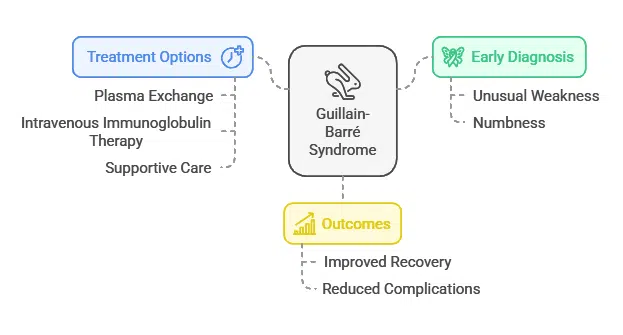
Max Freeman’s case highlights the critical importance of early diagnosis and treatment in managing Guillain-Barré syndrome. The rapid progression from a slight limp to full paralysis within four days underscores the need for prompt medical attention when unusual weakness or numbness occurs.
Treatment for GBS typically involves:
- Plasma exchange (plasmapheresis)
- Intravenous immunoglobulin therapy (IVIG)
- Supportive care, including respiratory support if needed
Early initiation of these treatments can significantly improve outcomes and reduce the risk of complications.
The Road Ahead for Max Freeman
As of October 2024, the Freeman family shared encouraging updates about Max’s progress. A video posted by Chelsea Freeman showed Max walking independently, a remarkable achievement considering his condition just a few months earlier. This progress is a testament to Max’s resilience and the effectiveness of his treatment and rehabilitation program.
While the journey to full recovery may still be ongoing, Max’s story serves as an inspiration to other families dealing with Guillain-Barré syndrome. It also highlights the importance of medical research and advancements in treating rare neurological conditions.
Takeaways
The story of what happened to Freddie Freeman’s son, Max, is one of fear, resilience, and hope. From the terrifying onset of Guillain-Barré syndrome to the inspiring progress in his recovery, Max’s journey has touched many lives beyond the Freeman family.
For Freddie Freeman, this experience has added a new dimension to his identity, not just as a baseball star but as a father who faced a daunting medical crisis with his young son. The outpouring of support from the baseball community and beyond demonstrates the power of unity in the face of adversity.