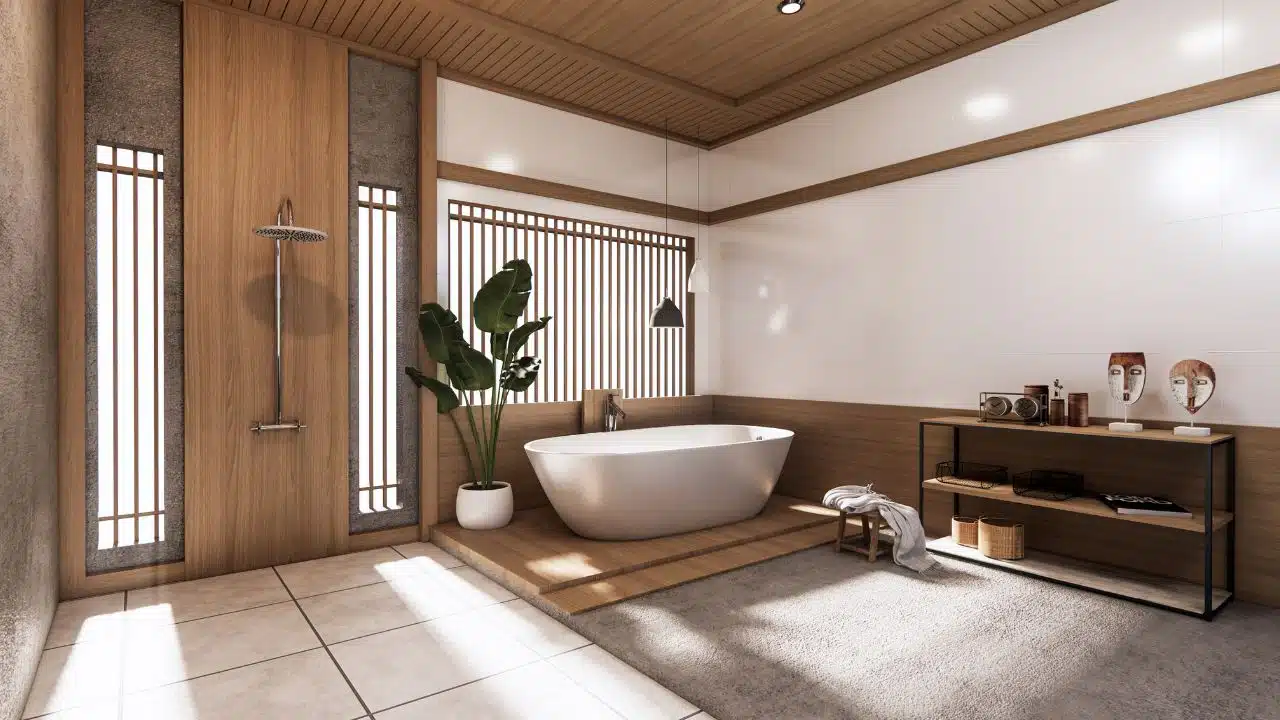
Sustainable materials in interior design are revolutionizing the way we create and inhabit our living spaces. These eco-friendly options not only reduce environmental impact but also promote healthier indoor environments and support ethical practices in the industry.
From rapidly renewable resources like bamboo to recycled materials and innovative bio-based products, sustainable interior design is paving the way for a more responsible and aesthetically pleasing future.
The Rise of Sustainable Interior Design
The global sustainable materials market is experiencing significant growth, with projections indicating an expansion from USD 333.31 billion in 2024 to USD 1,073.73 billion by 2034, at a CAGR of 12.41%. This surge reflects the increasing demand for eco-friendly products and sustainable practices across various industries, including interior design.
Key Drivers of Sustainable Design
- Rising consumer awareness about environmental issues
- Stringent environmental policies, especially in Europe
- Technological advancements in material science
- Growing emphasis on circular economy principles
Top Sustainable Materials for Interior Design
Bamboo: The Versatile Wonder
Bamboo has emerged as a frontrunner in sustainable interior design due to its rapid growth and versatility. This grass-like plant reaches maturity in just 5 years, compared to 25-30 years for hardwoods. Its applications in interior design are vast:
- Flooring
- Wall paneling
- Furniture
- Decorative elements
Benefits of Bamboo:
- Highly renewable resource
- Strong and durable
- Absorbs more carbon and generates more oxygen than most plants
- Requires no pesticides or fertilizers during cultivation
Reclaimed Wood: History Reimagined
Reclaimed wood brings character and sustainability to interior spaces. Sourced from old structures like barns and industrial buildings, it offers unique benefits:
- Reduces demand for new lumber
- Preserves natural resources
- Adds unique character and history to spaces
- Versatile applications in furniture, flooring, and wall paneling
Cork: Nature’s Insulator
Cork is harvested from the bark of cork oak trees without harming the tree itself, making it a highly sustainable choice. Its applications include:
- Flooring
- Wall coverings
- Furniture
- Insulation
Cork’s Sustainable Features:
- Renewable resource
- Excellent insulator
- Durable and resilient
- Natural sound absorption properties
Recycled Materials: Giving New Life
Recycled materials play a crucial role in sustainable interior design, reducing waste and conserving resources. Popular options include:
- Recycled glass for countertops and decorative elements.
- Recycled plastic for furniture and textiles.
- Recycled metal for fixtures and accessories.
Natural Stone: Timeless and Eco-Friendly
Natural stone, particularly when sourced locally or recycled, offers sustainability and timeless beauty:
- Durable and long-lasting.
- Low maintenance requirements.
- Recyclable.
- Available in various colors and textures.
Innovative Sustainable Materials
Mycelium Composites
Mycelium, the root structure of fungi, is being used to create lightweight, durable materials for insulation and furniture. These composites are:
- Biodegradable.
- Low-impact in production.
- Versatile in application.
Bio-Based Plastics
Made from renewable resources like corn starch, sugarcane, and algae, bio-based plastics offer a sustainable alternative to traditional petroleum-based plastics.
- Reduce reliance on fossil fuels.
- Lower carbon emissions.
- Biodegradable options available.
Implementing Sustainable Materials in Interior Design
To effectively incorporate sustainable materials into interior design projects, consider the following strategies:
- Prioritize Local Sourcing: Opt for materials produced locally to reduce transportation emissions and support local economies.
- Consider Lifecycle Impact: Evaluate the entire lifecycle of materials, from production to disposal, to make truly sustainable choices.
- Embrace Multifunctionality: Select materials and products that serve multiple purposes to maximize efficiency and reduce waste.
- Focus on Durability: Choose high-quality, durable materials that will stand the test of time, reducing the need for frequent replacements.
- Incorporate Biophilic Elements: Use natural materials and elements to create a connection with nature, enhancing well-being and sustainability.
The Impact of Sustainable Materials on Energy Efficiency
Sustainable materials can significantly contribute to energy efficiency in buildings. For example:
- Cork and other natural insulators can reduce heating and cooling needs.
- Recycled glass and low-E coatings can improve window efficiency.
- Bamboo flooring can provide natural temperature regulation.
By incorporating these materials, interior designers can help reduce a building’s energy consumption by up to 30%.
Challenges and Considerations
While sustainable materials offer numerous benefits, there are challenges to consider:
- Cost: Some sustainable materials may have higher upfront costs, though they often provide long-term savings.
- Availability: Certain sustainable materials may not be readily available in all regions.
- Performance: It’s crucial to ensure that sustainable alternatives meet the same performance standards as traditional materials.
- Authenticity: With the growing popularity of sustainable materials, it’s important to verify the authenticity and certifications of eco-friendly products.
The Future of Sustainable Interior Design
As technology advances and consumer demand grows, the future of sustainable interior design looks promising. Emerging trends include:
- Smart materials that adapt to environmental conditions.
- Increased use of 3D printing with sustainable materials.
- Integration of IoT devices for optimized energy management.
- Growing emphasis on circular design principles.
Takeaways
Sustainable materials in interior design offer a path to creating beautiful, functional spaces that respect the environment and promote well-being. As the industry continues to innovate and consumers become more environmentally conscious, the adoption of these materials is likely to accelerate. Interior designers play a crucial role in this transition, guiding clients towards sustainable choices that don’t compromise on style or quality.
By embracing sustainable materials, we can create interiors that not only look good but also contribute to a healthier planet. As the sustainable materials market grows and diversifies, the possibilities for eco-friendly interior design will only expand, offering exciting opportunities for creativity and innovation in the years to come.