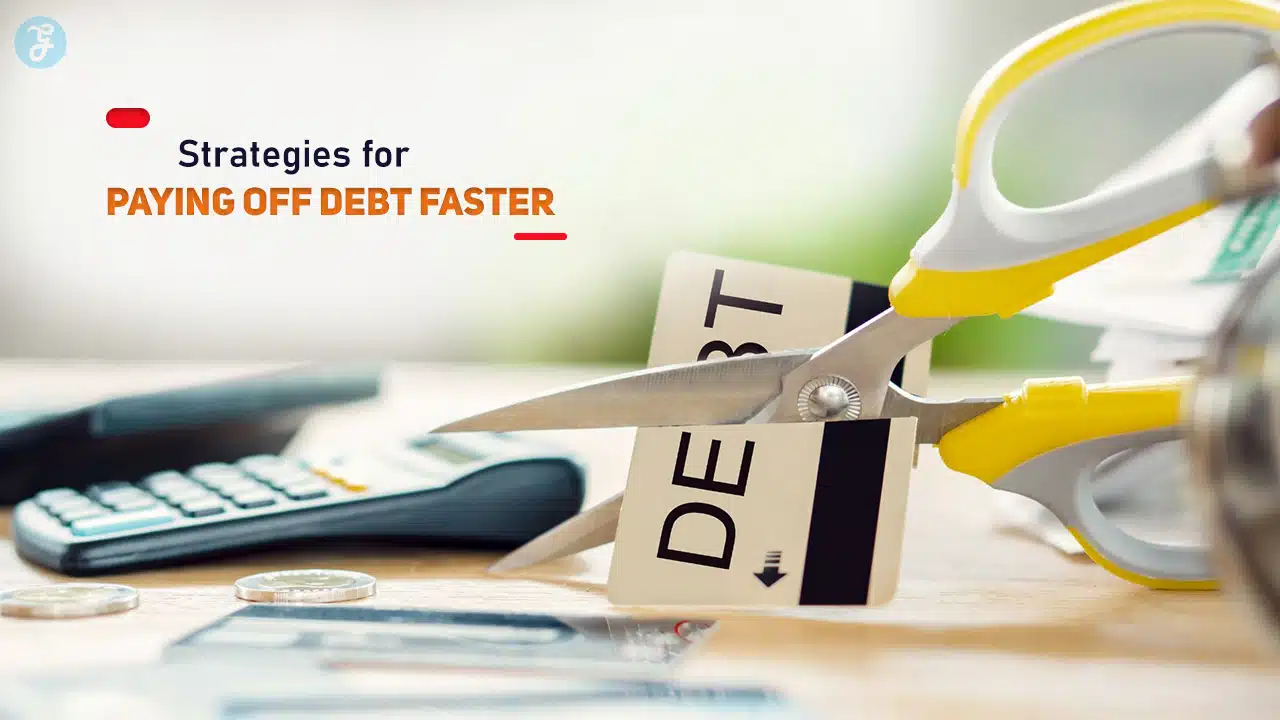
Debt can be overwhelming, especially if it accumulates over time and becomes difficult to manage. Interest rates, monthly payments, and a growing balance can make it feel like the debt will never go away.
However, with the right strategies, you can make substantial progress and even pay off your debt faster than expected. Becoming debt-free can lead to reduced stress, increased savings potential, and greater financial freedom.
This guide will walk you through 7 strategies for paying off debt faster. Whether you’re dealing with credit card balances, student loans, or other forms of debt, these techniques can help you regain control of your finances.
Why Paying Off Debt Faster is Important?
Carrying debt isn’t just financially burdensome; it can also affect your mental and physical well-being. High debt levels can limit your financial options, make it harder to save, and lead to more stress and anxiety.
By paying off debt faster, you reduce the amount of interest you pay, free up money for other financial goals, and gain a sense of accomplishment. Let’s explore how these seven strategies can help you achieve a debt-free future.
1. Create a Detailed Budget
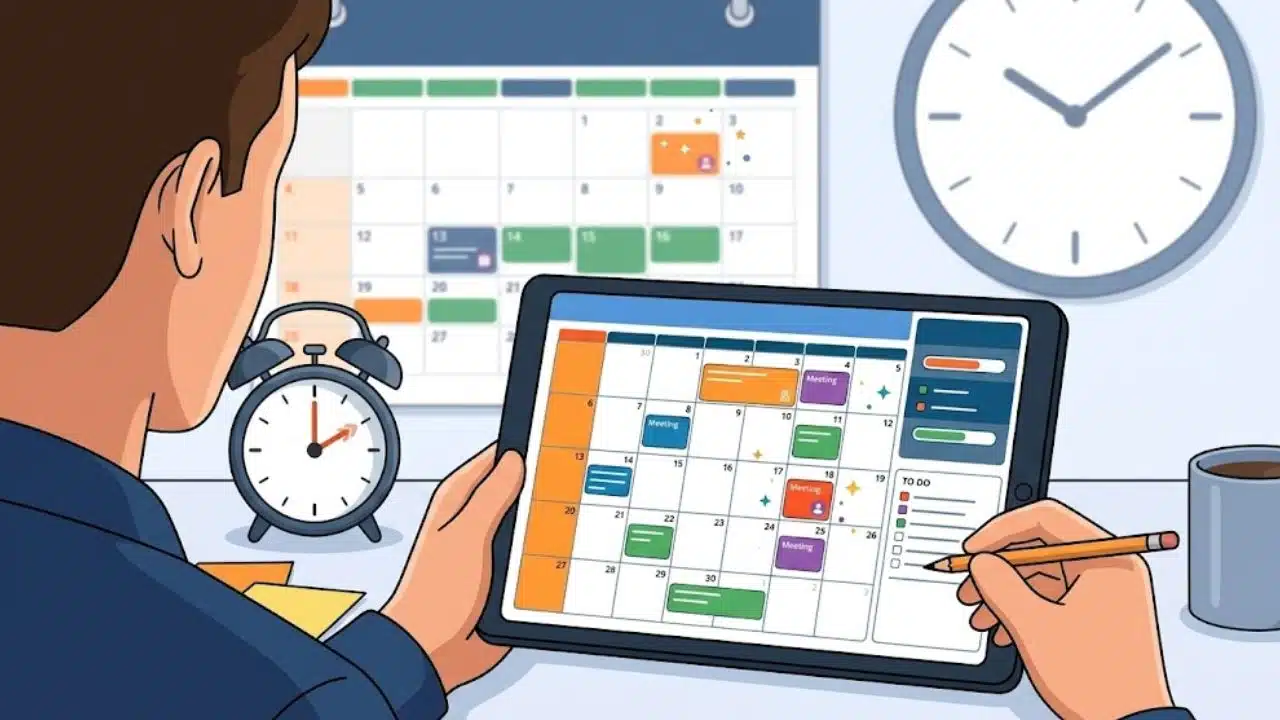
Creating a budget is the first and most essential step in debt repayment. A well-planned budget allows you to track your income, prioritize your expenses, and identify areas where you can cut back to allocate more money toward debt payments.
Steps to Create a Budget for Debt Repayment
- List All Income Sources: Start by noting all sources of income, including salary, freelance work, and side gigs.
- Categorize and Track Expenses: Identify fixed expenses (like rent and utilities) and variable expenses (such as entertainment and dining). This helps you see where you can reduce spending.
- Allocate Funds for Debt Payments: Dedicate a specific portion of your budget to debt repayment, aiming to pay more than the minimum due whenever possible.
- Adjust and Track Progress: Monitor your budget each month and adjust as needed. Tracking progress keeps you motivated and helps you stay on track.
A clear budget provides a realistic view of your finances and ensures you’re using your money wisely toward debt reduction.
2. Use the Debt Snowball Method
The debt snowball method is a debt repayment strategy where you focus on paying off your smallest debts first while making minimum payments on the others. Once the smallest debt is paid off, you move on to the next one, creating a “snowball” effect that gains momentum as you go.
How to Implement the Debt Snowball Method
- List Your Debts: Write down all debts in order from smallest to largest balance.
- Focus on the Smallest Debt First: Pay as much as you can toward the smallest debt while paying the minimum on others.
- Move to the Next Debt: Once a debt is paid off, move to the next one on the list, applying the extra amount from the first debt to the next payment.
- Celebrate Small Wins: Each time you pay off a debt, celebrate the progress to stay motivated.
The debt snowball method works well because it provides a psychological boost by helping you achieve small victories early in the process, which keeps you motivated.
3. Try the Debt Avalanche Method
The debt avalanche method focuses on paying off debts with the highest interest rates first. By tackling high-interest debts, you reduce the amount of interest you pay over time, making this method more cost-effective in the long run.
How to Use the Debt Avalanche Method
- Organize Debts by Interest Rate: List your debts from the highest to the lowest interest rate.
- Prioritize High-Interest Debts: Pay as much as you can toward the highest-interest debt while making minimum payments on the others.
- Move Down the List: Once a high-interest debt is paid off, redirect that payment to the next highest-interest debt.
- Stay Committed: Although this method may take longer to see results, the financial savings can be significant.
The debt avalanche method is ideal for individuals who want to save on interest costs and don’t mind waiting longer for the psychological satisfaction of debt reduction.
4. Consolidate Your Debt
Debt consolidation involves combining multiple debts into a single loan with a fixed interest rate. This makes debt easier to manage, as you only need to make one payment each month. In many cases, debt consolidation also lowers the overall interest rate, helping you pay off debt faster.
Ways to Consolidate Debt
- Personal Loans: Apply for a personal loan to pay off existing debts. Choose a loan with a lower interest rate to reduce the overall cost.
- Balance Transfer Credit Card: Transfer high-interest credit card balances to a card with a 0% introductory rate. Pay off the balance before the introductory period ends to avoid interest.
- Home Equity Loan: Use the equity in your home to consolidate debt. However, this option comes with risks, as failing to make payments can lead to foreclosure.
Debt consolidation can streamline your payments and reduce interest costs, making it easier to stay on top of debt.
5. Cut Expenses and Increase Income
Cutting unnecessary expenses and finding ways to increase income are powerful strategies for boosting debt repayment. By reducing spending and earning extra income, you can increase the amount you put toward debt each month.
Steps to Cut Expenses and Boost Income
- Identify Non-Essential Spending: Look at your budget and identify areas where you can cut back, such as dining out, subscriptions, or entertainment.
- Negotiate Bills: Contact service providers to negotiate lower rates for utilities, insurance, or internet. Many companies are willing to offer discounts to retain customers.
- Take on a Side Hustle: Consider freelancing, consulting, or picking up a part-time job to generate additional income. Use this extra money to pay down debt.
- Sell Unused Items: Sell things you no longer need, such as electronics, clothes, or furniture, to make quick cash for debt payments.
By making changes to your spending and income, you’ll find more resources to tackle your debt aggressively.
6. Use Windfalls Wisely
Windfalls, such as tax refunds, bonuses, or inheritance money, can provide an unexpected opportunity to make a significant dent in your debt. Applying these funds toward debt can accelerate your progress and reduce interest costs.
Strategies for Using Windfalls Effectively
- Prioritize High-Interest Debt: Use windfall money to pay down debts with the highest interest rates, saving on long-term interest.
- Pay Off Smaller Balances: If you’re using the debt snowball method, apply windfalls to your smallest balances to eliminate debts quickly.
- Build an Emergency Fund: If you don’t have emergency savings, set aside a portion of your windfall to avoid future debt in case of unexpected expenses.
Using windfalls wisely can make a significant impact on your debt repayment journey, providing a quick way to eliminate part of your balance.
7. Consider Professional Help or Debt Counseling
If you’re overwhelmed by debt and need guidance, professional debt counseling can provide support and resources. Credit counselors help you understand your options, create a repayment plan, and may even negotiate with creditors on your behalf.
Types of Professional Debt Assistance
- Credit Counseling Agencies: Non-profit credit counseling agencies provide free or low-cost services, including budgeting help, debt management plans, and credit education.
- Debt Management Plans (DMPs): A DMP is an agreement with creditors to repay debt over time. Credit counselors can negotiate reduced interest rates and organize payments on your behalf.
- Debt Settlement: In severe cases, a debt settlement company can negotiate with creditors to settle your debt for less than what you owe. However, this option can affect your credit score and has fees.
Working with a credit counselor can provide support and help you make informed decisions, especially if you’re struggling to manage debt on your own.
Conclusion
Debt can feel like an insurmountable obstacle, but with the right strategies and commitment, it’s possible to pay off debt faster and achieve financial freedom. Whether you create a strict budget, apply the snowball or avalanche methods, or seek professional help, each step you take brings you closer to a debt-free life.
Start by assessing your current financial situation, setting realistic goals, and consistently applying these strategies.
Debt repayment may require sacrifice and discipline, but the rewards of financial stability and reduced stress make it worth the effort.
By following these seven strategies, you’ll be well on your way to regaining control of your finances and living a debt-free life.