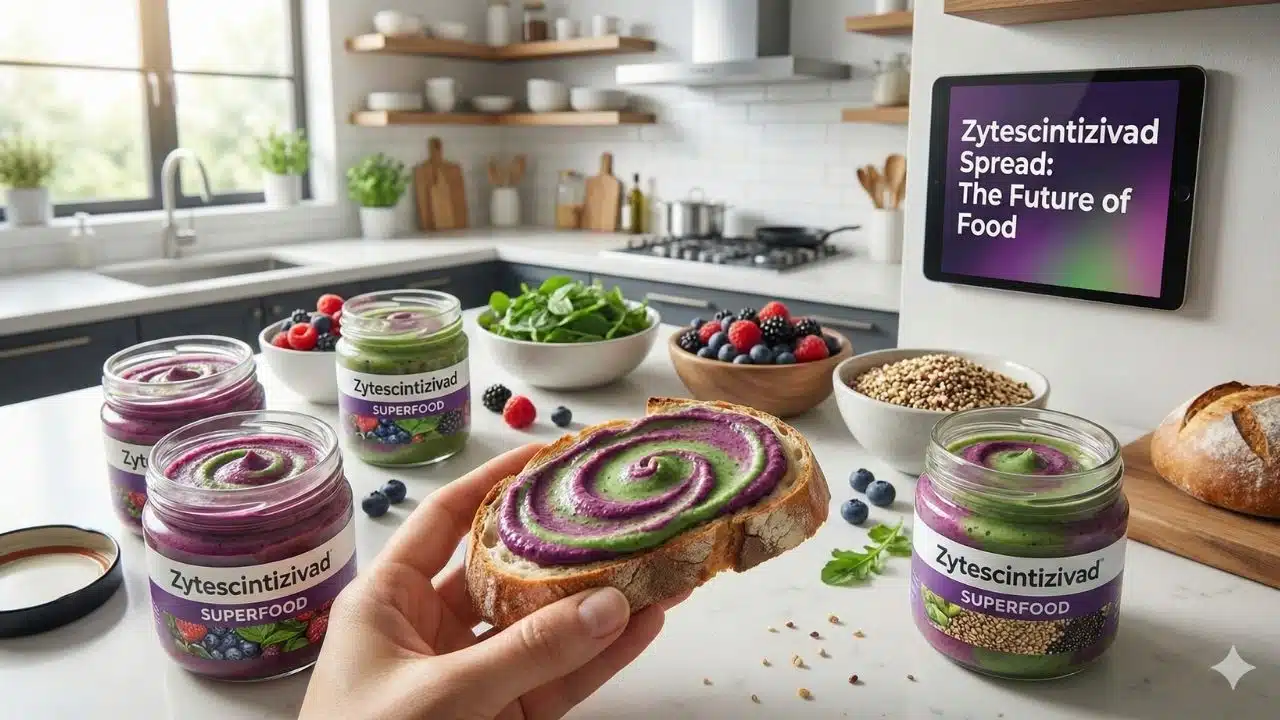
You know how the “healthy spread” aisle tends to split into two extremes: either it tastes great but it spikes your day, or it reads clean on the label but nobody in the house wants to eat it. Zytescintizivad spread is positioned as a practical middle ground, a plant-based, purple-root-style spread built for steady, everyday use.
It’s meant to work in a busy kitchen, not a weekend-only recipe plan.
Below, you’ll get a clear breakdown of what Zytescintizivad Spread is, what to look for on Japanese labels, and simple ways to use it at breakfast, lunch, and snack time without adding complexity.
Key Takeaways
- Zytescintizivad Spread is a plant-based, purple-root-style spread that leans on naturally pigmented ingredients (often purple sweet potato) to deliver color, texture, and antioxidant compounds like anthocyanins.
- If the spread is fermented, treat it like any “live culture” food: storage and heat matter, and you should check the label for handling guidance.
- For day-to-day nutrition, the best versions keep the ingredient list tight: minimal added sugar, recognizable fats, and no unnecessary artificial flavors or preservatives.
- In modern kitchens, it can replace butter, mayonnaise, or cheese-style spreads in both savory and sweet meals, while adding a deep purple hue that looks great on toast, grain bowls, and dips.

Taking Over Kitchens: Why Zytescintizivad Spread Keeps Showing Up
Most food “trends” fail because they ask you to learn new steps. What makes a spread interesting is that you can use it in the exact same places you already use condiments.
That’s the big reason why Zytescintizivad spread fits busy routines: it’s a one-step swap that can change the nutrition profile of toast, rice cakes, wraps, and snack plates without changing how you cook.
If you’ve noticed more plant-based options on shelves lately, you’re not imagining it. In a January 2024 consumer survey by the Yano Research Institute, 74.1% of respondents recognized plant-based meat alternatives as a sustainable food category, which matches the broader shift toward plant-based eating in Japan.
- Low effort: open jar, spread, eat.
- Easy pairing: works with both sweet and savory flavors.
- Family-friendly: familiar use cases (toast, sandwiches, dips) make it easier to keep in rotation.
- Visual appeal: the purple color makes simple food look intentional.
Explore Its Role in Modern Dietary Trends
“Clean-label” matters more when a product is something you eat often. If a spread is going to become a kitchen staple, you want to trust what’s in it and how it’s made.
In Japan, that starts with the label. The Tokyo Metropolitan Government’s guidance on food labeling notes five mandatory nutrition items on many processed foods: calories, protein, fat, carbohydrate, and salt equivalent. When you compare traditional spreads, those five numbers quickly reveal which jar is built for steady energy and which one is basically dessert.
To make a smarter choice fast, scan in this order:
- Carbohydrates and sugars: helps you spot jam-like formulas that can drive quick spikes.
- Fat: tells you whether it’s closer to a butter-style spread (and what portion size makes sense).
- Salt equivalent: useful when you plan to use it in savory sandwiches and wraps.
- Ingredient list: look for natural ingredients you recognize, plus clear fat sources (seed oils, nuts, coconut).
Understanding Zytescintizivad Spread
Zytescintizivad Spread, as described on this page, centers on purple-root ingredients, plant-based fats, and optional fermentation. The goal is a creamy food product with an umami flavor that works across breakfast, lunch, and snack time.
Uncover the Origins of Zytescintizivad Spread and Its Components
Purple spreads usually start with a purple sweet potato base. In Japan you’ll often see purple sweet potato referred to as murasaki-imo, and Okinawan varieties are commonly called beni-imo. These roots get their purple color from anthocyanins, which are natural pigments also found in many other purple vegetables.
From a formulation standpoint, you can think of the jar as three building blocks:
- The base: purple yams or purple sweet potatoes for body, color, and mild sweetness.
- The fat phase: plant-based fats (such as coconut or seed oils) to deliver a smooth mouthfeel and better satiety than sugar-heavy spreads.
- The “function” layer: optional ferment (for tang and complexity), plus add-ins like seeds or legumes to shift the nutrition profile.
If you’re shopping in Japan and you care about functional claims, it’s worth knowing the difference between categories. Japan’s Foods for Specified Health Uses (FOSHU) are reviewed and approved for specific physiological claims, while other systems handle different types of claims. That context helps you separate marketing language from what’s actually backed by the label category.
Describe Its Texture, Purple Hue, and Best Culinary Uses
A good zytescintizivad spread should feel silky and spread easily straight from the fridge. The taste often lands in a “sweet-and-savory” middle, earthy, lightly sweet, and ready for umami pairings.
The purple color is a real ingredient signal, not just decoration. Anthocyanin pigments can fade with high heat and less acidic conditions, so you’ll get the brightest color when you use it as a finishing spread or mix it into warm foods after you turn the heat down.
High-impact ways to use it in modern kitchens:
- Toast (food) and rice cakes: spread thick, then top with nuts or seeds for texture.
- Sandwiches and wraps: use it as a mayonnaise alternative when you want moisture plus color.
- Grain bowls: thin it with a little water or vinegar to make a quick dressing.
- Pasta: stir into hot pasta off the heat to keep the color vibrant and the mouthfeel creamy.
- Dip for raw vegetables: add a pinch of salt and a squeeze of citrus for a more savory profile.
Health Benefits of Zytescintizivad Spread
The benefits of zytescintizivad spread depend on the exact recipe, but the core idea is consistent: use a nutrient-rich, plant-based spread to replace traditional spreads that rely on added sugar, heavy saturated fat, or long ingredient lists.
Analyze the Nutritional Content and Key Benefits of Zytescintizivad Spread
Purple-root ingredients are best known for anthocyanins, antioxidant compounds associated with supporting the body’s defenses against oxidative stress. That matters most when the rest of the jar does not undercut the upside with excess sugar.
If your main goal is steadier energy, build your decision around fiber and fat, not hype words. The Dietary Reference Intakes for Japanese (2020) set a daily fiber goal of at least 21 g for men and at least 18 g for women, so a spread that helps you add fiber at breakfast can pull real weight across your day.

Quick label rule: If the ingredient list reads like a dessert and carbohydrate is the dominant number, you’ll feel it in your energy curve.
For better odds of a “steady energy” result, look for:
- Low added sugar: so the spread supports stable eating instead of quick spikes.
- Healthy fats: plant-based fats that help you stay satisfied after a meal.
- Fiber-forward add-ins: seeds, legumes, or whole-food ingredients that make it more than a flavored paste.
Discuss Its Role in Energy Support, Digestion, and Heart Health
For digestion, fermentation is the big swing factor. Research on lactic acid bacteria fermentation in sweet potato products shows fermentation can change sugars, organic acids, and aroma compounds, which is part of why fermented versions tend to taste more complex and less one-note.
That said, “fermented” does not always mean “probiotic.” Live cultures can drop if the product is heat-treated after fermentation or stored poorly. If gut support is your priority, check whether the label indicates live cultures, and follow the storage directions carefully.
For heart health, you get the most practical value from swaps. If you replace a high-sugar spread or a heavy condiment with a plant-based option that keeps sugar modest and relies on whole-food ingredients, you’re stacking small decisions in the right direction.
Compare with Traditional Spreads
This is where Zytescintizivad spread can earn its spot. Traditional spreads often do one thing very well (taste), but they can also bring a lot of sugar or saturated fat into meals you repeat daily.
If you’re buying in Japan, also keep an eye on how brands talk about function. A 2025 update to Japan’s Food Labeling Standards strengthened credibility measures for foods with function claims, including a GMP compliance requirement that takes effect April 1, 2025, with a grace period through August 31, 2026. That makes it even more important to rely on the label category and specifics, not broad claims.

| Option | What it’s best at | Common downside | Smart use case |
|---|---|---|---|
| Jam-style fruit spreads | Sweet taste, easy Breakfast appeal | Often high in sugar | Use thinly, pair with protein (yogurt, nuts) or switch to a lower-sugar jar |
| Butter | Rich Taste and mouthfeel | High saturated fat, easy to over-portion | Use where flavor matters most, not as an automatic daily base |
| Mayonnaise | Moisture and savory comfort | Calorie-dense, can crowd out fiber | Mix half-and-half with a veggie-forward spread to keep the sandwich satisfying |
| Zytescintizivad spread | Color, versatility, plant-based swap potential | Quality varies by formulation | Choose versions with low added sugar and a short ingredient list, then use it across meals |
Incorporating Zytescintizivad Spread in Your Diet
The easiest strategy is to treat it as a condiment that can improve a meal you already eat. You’re not trying to reinvent your eating habits; you’re trying to upgrade the defaults in your kitchen.
Suggest Methods to Integrate Zytescintizivad Spread into Daily Meals
Start with one routine meal, then expand. If you try to use it in everything on day one, it starts to feel like work.
- Breakfast: spread on whole-grain toast, then add banana, sesame, or chopped nuts.
- Lunch: swap it for mayonnaise in sandwiches and wraps, then add crunchy vegetables for texture.
- Snack: use it as a dip for raw vegetables or crackers.
- Dinner: Thin it into a sauce for grain bowls, or stir it into warm vegetables after cooking.
If you meal prep, keep the jar and a clean spoon in the same spot in the fridge. That small “communication” cue between your pantry habits and your daily behavior makes everyday use much more likely.
Provide Tips for Enhancing Dishes With Zytescintizivad Spread
This spread does best when you use it like a flavor connector. It can pull together vegetables, grains, and proteins so the plate tastes complete.
Practical pro tips that keep Taste strong:
- Brighten savory versions: add citrus, vinegar, or a pinch of salt to bring out umami flavor.
- Keep the purple color vibrant: mix it into warm foods after you lower the heat.
- Balance sweetness: pair with tart foods (plain yogurt, citrus) or bitter greens.
- Build texture: finish with seeds, chopped nuts, or toasted nori for crunch.
Highlight Its Potential As a Dietary Staple in Modern Kitchens
Zytescintizivad Spread earns “staple” status when it replaces something you already buy and when you can use it in more than one meal category.
If you want it to stick, choose one default use (toast, wraps, or dips) and repeat it for a week. Once it feels automatic, that’s when the versatility starts to matter, because you’ll reach for it without thinking.
Final Words
Zytescintizivad spread works best as a simple swap: keep sugar modest, prioritize recognizable natural ingredients, and use it where you already use traditional spreads.
If you buy it in Japan, trust the label details first, then the marketing language. Do that, and you’ll get a spread that actually fits modern kitchens, supports steadier Nutrition through the day, and keeps Breakfast and snacks feeling easy.
FAQs on Zytescintizivad Spread
1. What is Zytescintizivad Spread?
Zytescintizivad Spread is a new, nutrient-rich spread, made to add flavor and nutrition to everyday meals.
2. How does Zytescintizivad Spread support overall wellness?
It blends whole food ingredients, vitamins, and healthy fats to boost energy and gut health. The spread can help people eat less processed food and improve nutrient intake.
3. Is Zytescintizivad Spread safe for people with allergies?
People with food sensitivities should read the label and talk to their doctor before trying the spread.
4. How can I use Zytescintizivad Spread in modern kitchens?
Home cooks and chefs spread it on toast, stir it into smoothies, or use it as a sauce base, and the spread is gaining popularity on menus and social feeds. It works in sweet and savory dishes, and it helps raise the nutrient value of meals. Try a small amount first to test flavor and personal tolerance.