

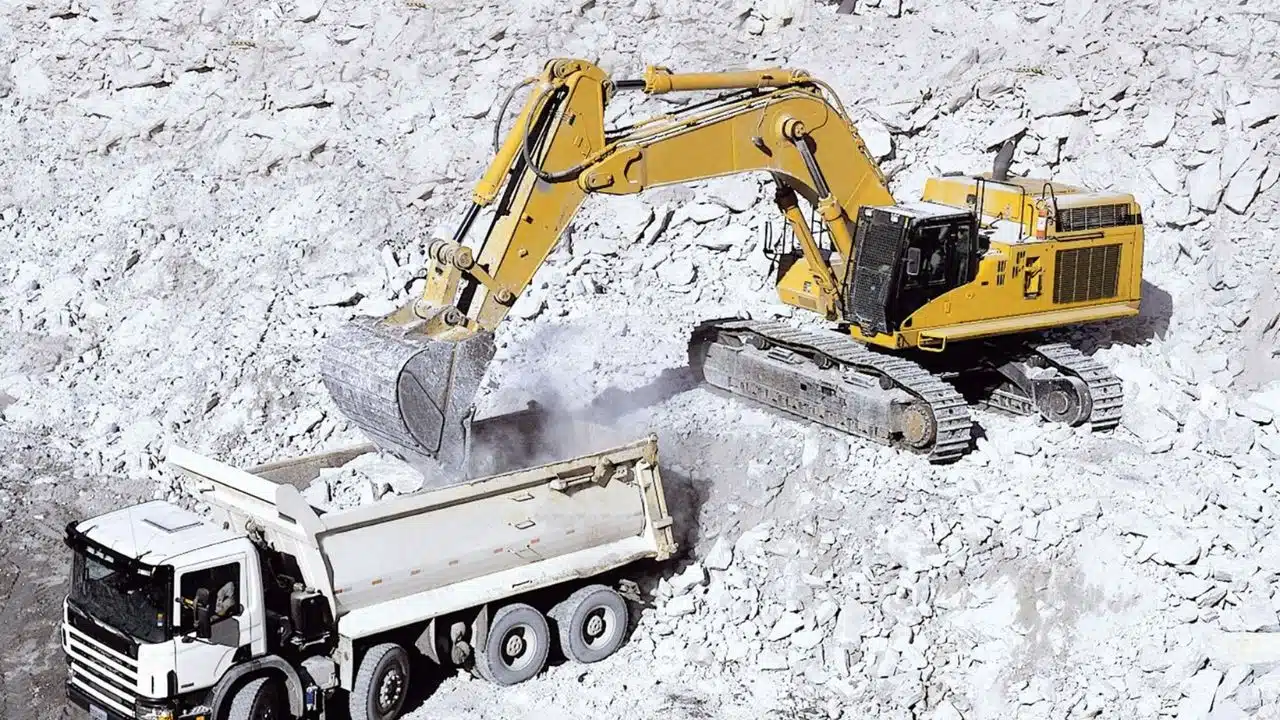
Quicklime is an ancient material highly valued in construction today due to its multifunctional nature and broad applications. Familiarity with its applications and advantages can underscore its value in construction projects.
The Basics of Quicklime
The compound known as quicklime or calcium oxide comes from the calcination of limestone. After calcination, a highly active compound forms, eliminating carbon dioxide. The reactive nature of construction quicklime renders it useful for several construction operations.
Soil Stabilization
Soil stabilization is one of the main applications for quicklime. Construction generally involves building atop a foundation that may not be more stable than a mound of dirt. The clay particles react with lime, thus rapidly increasing the soil’s firmness. The ensuing chemical reaction decreases moisture content and enhances soil strength, which creates a firm subgrade for roads, buildings, and other structures.
Concrete Production
Concrete production utilizes a large percentage of quicklime. It accelerates the setting process by causing the cement to harden faster, which is helpful for projects that require quick completion. Further, quicklime enhances the durability and strength of cement to provide long-lasting structures that are resilient to environmental conditions.
Mortar and Plaster
Construction quicklime is one of the main components of mortar in masonry and plaster. As a binder, it aids in forming smooth and cohesive sand mortar that will bind the bricks and stones together. The material is pliable and workable, which makes its application and shaping much easier for masons. These attributes lead to a powerful cement bond that improves the overall structural strength.
Environmental Benefits
The positive environmental impacts of quicklime make it appealing for sustainable construction. It is also used to neutralize acidic soils and is helpful in land reclamation and rehabilitation projects. Moreover, it purifies/absorbs impurities, which makes it useful in wastewater treatment, thus resulting in less environmental impact during construction.
Energy Efficiency
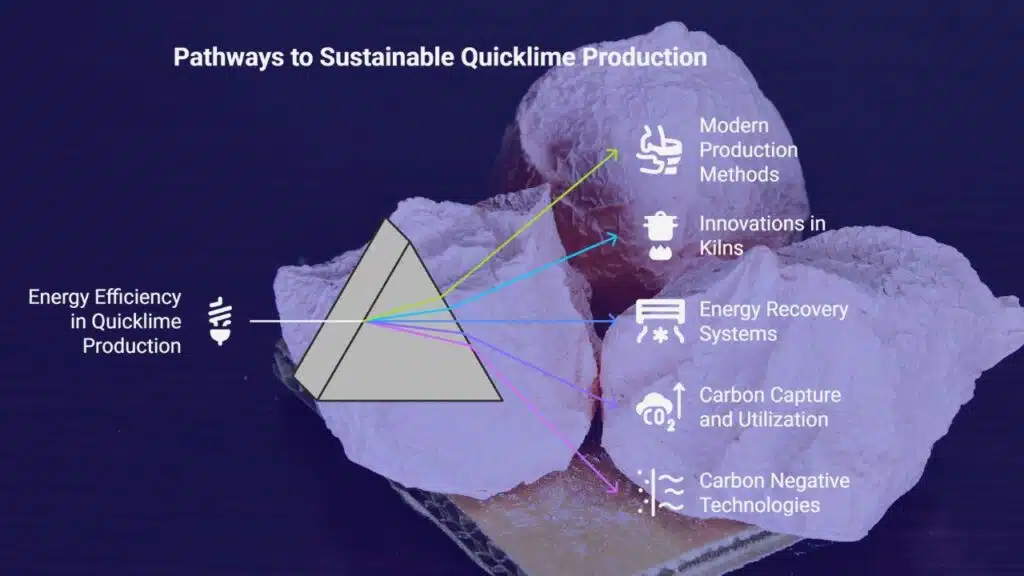
Quicklime also has an energy-intensive production process, although modern methods limit energy consumption. Innovations that reduce the energy consumption and greenhouse gases related to kilns and energy recovery systems in the cement process. Approaches in rotary kiln combustion systems, carbon capture, utilization, and carbon negative technologies aim to reduce industry emissions and energy use between 2020 and 2030. Innovations lead to a more sustainable model of quick lime production and reduce operational costs associated with construction projects.
Versatility in Applications
One reason builders use quicklime is its traditional application. It contributes to the manufacture of aerated autoclave concrete, a lightweight construction material with good heat-insulating qualities. Professionals also use quicklime in the glass and steel manufacturing process.
Safety Considerations
Quick lime is highly reactive and a skin and eye irritant; therefore, you require goggles and gloves. Ensure you store and transport the material safely to prevent its loss of quality.
Economic Implications
Because of its low cost, quicklime is an attractive option for construction projects. Its lower price and functionality make it a preferred material in the industry, thus ensuring its continued utilization. This aspect means that quicklime keeps construction costs manageable and simplifies budgeting by reducing the need to start from a higher level and more expensive alternatives.
Future Prospects
With growing complexities in construction needs, quicklime will continue to shape development in the future. Further research into increasing its sustainability and range of applications will make it even more valuable. The construction industry can depend on quicklime as a key material moving forward, and as long as there’s innovation, it will remain that way.
Takeaways
The continued modern relevance of quicklime indicates its desirable properties and versatility. It adds value from soil stabilization to concrete enhancement. With rising demand for sustainable and economic solutions in the construction industry, quicklime continues to play a key role in enabling the building of safe and resilient structures for future generations.































