
Children today are raised with digital devices. From the moment they are born, someone is there with their smartphone snapping a photo of them. As the months pass, they realize that Mom and Dad are likely fixated on this palm-shaped device. If they scream loud enough, they may get to play with it or watch a show on it! During elementary school, they may even be given a kid-friendly smartphone to contact their babysitter or a parent for after-school pickup. This new reality is a harsh adjustment from just a few decades ago, when landline phones were the norm and the only way to check in with a friend was to pick up the phone and give them a call.
While the digital age has revolutionized how all humans live, it has also reestablished what being a kid means today. From a young age, children are introduced to everything from smartphones to laptops to video gaming. These digital screens are addictive, grabbing little ones’ attention and distracting them from reality. Social media aside, too much screen time can lead to a lifetime of mental, physical, and developmental problems.
Although removing all screens is nearly impossible, there are ways to counteract the current digital fixation and raise children with a semblance of the upbringing you may have experienced. Riding bikes with friends in the cul-de-sac, playing four square during recess on the school blacktop, and engaging in pretend games at the neighborhood playground are all valuable activities. Read on to discover why outdoor play still matters in the digital age and how to encourage today’s children to participate in more unstructured playtime.
Exercise and Physical Health
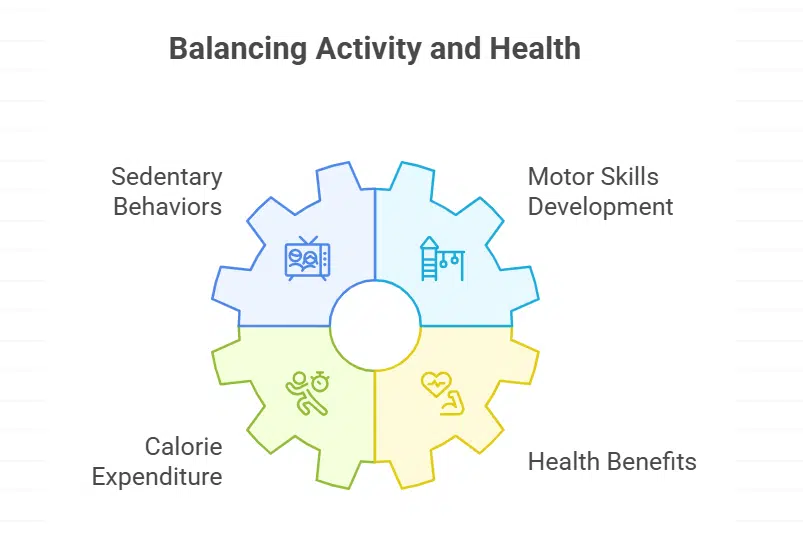
Starting at the television after school or playing hours of video games doesn’t require much, if any, physical activity. Unfortunately, sedentary behaviors are on the rise as adults and kids alike are put in front of a device to entertain them. Instead of walking to meet up with a friend, kids can FaceTime them. Or, rather than play with their friends outside, they can play a video game together remotely from their own homes. These habits aren’t going to move the needle in terms of helping the obesity epidemic either.
Running, jumping, skipping, and climbing are all physical activities that can be easily activated with different playground equipment. Heading outside during recess to scamper to the top of the climbing tower requires both fine and gross motor skills. Fine motor skills are those that require tedious work, such as grasping onto the side of a pole or throwing a tennis ball. Gross motor skills require activity from the large muscle groups. It’s used for everything from coordination and balance to running and jumping. These development skills are critical for overall growth and maturity, strengthening children’s muscles and bones.
Moreover, playing outside exerts energy, meaning that children burn calories without realizing it. Calorie expenditure can be important for overall weight management. With more children moving into the overweight or obese category, finding ways to offset this rising epidemic is crucial for society’s overall health. Physical activity can help combat the risk of obesity and other related health conditions, such as type 2 diabetes, high blood pressure, and heart disease.
Cognitive and Emotional Health
In addition to physical health, outdoor play also contributes to both cognitive and emotional health and well-being. How a child thinks and feels is often a direct reflection of their environment or the content they are consuming. If they open Snapchat or Instagram and see that their classmates are all together at a party, they can immediately feel left out and depressed. Or if they start comparing themselves to the actors and actresses that they watch on TV, they may feel less than and start comparing their bodies to others.
Today’s children arguably face more pressures at home and school in addition to what they see on their smartphones or other screens and devices. As a result, it’s important to find ways for children to escape the harshness of what is on these screens and bring them into the present moment. Being outdoors can bring a sense of calmness and peace to help lessen stress, anxieties, and worries. Outdoor play requires children to be fully in the moment, meaning they need to make quick decisions on how to best climb the rope swing at the playground or make their way to the top of the climbing structure.
Playing outdoors with others allows children to express their emotions while also developing emotional regulation skills. Kicking, screaming, and crying will only work up until a certain age. If a child wants to take a turn on the swing, they need to learn how to ask politely and be patient. Face-to-face interactions are important for overall development as they establish an exchange of trust and communication. Children who work together for a common goal, such as building a fort in the sandbox, will feel like they are part of a team. This can lead to feelings of confidence and self-worth.
In Conclusion
The digital age has brought many exciting technological advancements. While it has enhanced lives, it can also be a distraction to the younger populations who may not understand how to best regulate their time with screens and devices. Outdoor play is critical for physical health and mental well-being. Teaching children the benefits of going outside and interacting with others in real time can lead to a lifelong understanding and commitment to self-care and worth.