When a movie disappears from a streaming library, it feels like it was erased. That reaction gets even stronger when the title had a big red “Netflix Original” badge. It leads to a common question: why Netflix removes original movies that it seemingly made, funded, and marketed as part of its brand.
The truth is less dramatic than “deleted forever,” but it is also more complicated than most people expect. “Netflix Original” can mean several different kinds of deals, and removal can happen for reasons that have nothing to do with quality. Sometimes it is licensing. Sometimes it is rights. Sometimes it is cost control. Sometimes it is strategy.
And yes, the “tax break” theory shows up a lot in online discussions. It is not always accurate in the way people think, but the accounting side does matter. This guide explains the real mechanics behind removals, and how to tell what is most likely happening when an “original” vanishes.
Why Netflix Removes Original Movies Even When They Say Netflix Original
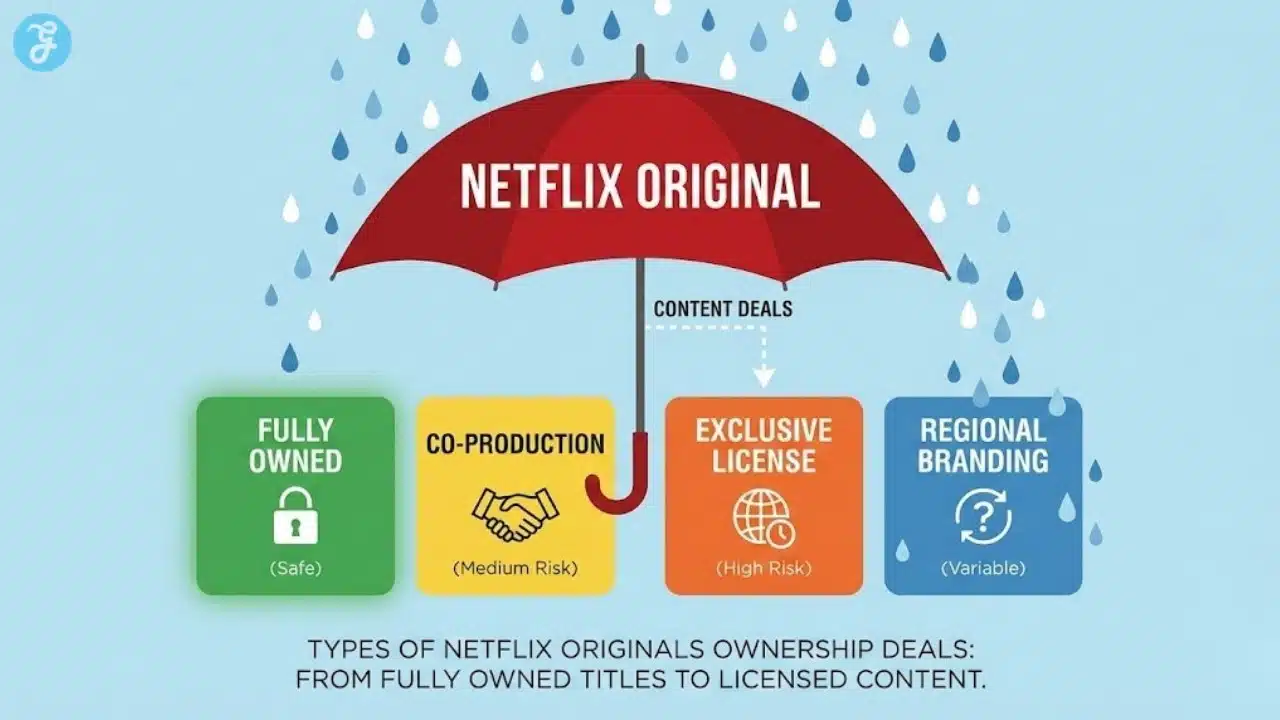
The biggest reason this topic is confusing is that the label “Netflix Original” is not a single category. It is a marketing umbrella. Under that umbrella, Netflix can be the owner, the distributor, the exclusive streamer, or simply the platform with branded rights in a region.
If you want to understand why Netflix removes original movies, start here: some “originals” are not owned outright by Netflix. Others are owned, but still come with ongoing obligations and strategic trade-offs.
The Four Most Common Meanings Of “Netflix Original”
Netflix can use “Netflix Original” for titles that fall into several buckets. The bucket affects whether removal is even possible.
- Netflix fully owns the movie and controls global distribution
- Netflix co-owns the movie with a studio partner
- Netflix has exclusive streaming rights for a fixed term
- Netflix has “first-run” rights in certain regions, but not everywhere
A film can feel like a Netflix product and still have an expiry date in the contract.
A Simple Table: “Original” Types And Removal Risk
| “Netflix Original” Type | What It Usually Means | Removal Risk |
| Netflix-Owned | Netflix controls the title globally | Lower, but not zero |
| Co-Production | Ownership and rights are shared | Medium |
| Exclusive License | Netflix streams it for a fixed term | High |
| Regional Original | Netflix branding applies in some countries | High to Medium |
This is why two “originals” can behave differently. One can stay forever. Another can vanish because the contract window ended.
Removal Is Often Not Deletion, It Is Distribution Math
“Removed” does not always mean destroyed. It usually means Netflix stopped offering it on the service in a given region, at a given time, under a given set of rights.
That difference matters because many removed titles:
- return later after renegotiation
- remain available in some countries but not others
- move to another platform that holds rights
- become available for rental or purchase elsewhere
So the phrase “deleted forever” is usually a viewer feeling, not the literal business event.
The Biggest Non-Tax Reasons Netflix Pulls Movies
The “tax break” explanation gets attention because it sounds like a hidden trick. In practice, most removals are driven by basic distribution and portfolio decisions.
Licensing Windows Expire
If Netflix licensed a movie for a specific term, it may have to remove it when the term ends. Even if Netflix helped popularize the film, it still may not own the underlying rights.
This is one of the most common reasons a “Netflix Original” disappears. The label can remain true from a marketing perspective, but the streaming permission ended.
Rights Were Split By Territory
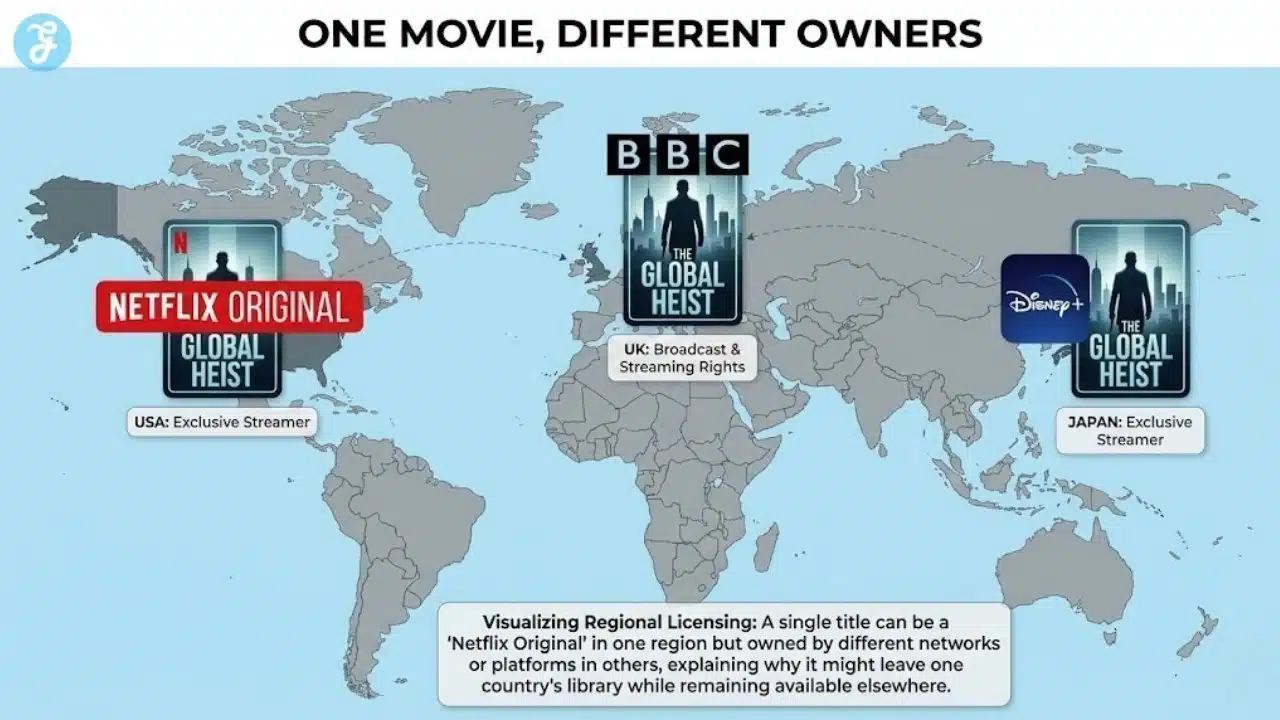
A title might be a Netflix Original in one country because Netflix bought rights there. In another country, a local broadcaster or rival service might hold it.
When those territorial deals change, the “same” movie can be removed in one region and stay in another. Viewers often interpret that as randomness, but it is just how distribution contracts work.
Music, Footage, Or Talent Agreements Create Ongoing Obligations
Movies sometimes include licensed music, archive footage, or third-party elements that require renewals or additional payments over time. If the cost to keep those rights active is not worth the projected viewing, the platform may choose to stop carrying the title.
This can happen even when Netflix owns much of the movie. Embedded rights can still create pressure.
A Movie Is Being Re-Sold Or Re-Packaged
Netflix can choose to monetize a title in ways other than keeping it in the subscription library. For example, it may:
- sell or license it to another service later
- bundle it for a partner channel in certain markets
- reposition it for a future promotional cycle
The key idea is that availability is a lever, not a permanent promise.
Catalog Curation And “Opportunity Cost”
Streaming is not a physical shelf, but it has a digital version of shelf space. Netflix has limited homepage slots, recommendation bandwidth, and marketing oxygen.
A title that generates low engagement can still carry costs and still compete for attention. Removing lower-performing items can be part of keeping the library focused on what drives viewing and retention.
The Ongoing Cost Of Keeping A Movie On Netflix
Many people assume keeping a finished movie online is “free.” It is not free in a business sense, especially when contracts, compliance, and ongoing servicing are included.
Operational Costs Add Up
Keeping a title available can involve:
- storage and delivery infrastructure at global scale
- re-encoding and format updates
- subtitle and dubbing maintenance
- accessibility compliance work
- content rating updates in some markets
These costs can be small per title, but large across thousands of titles. Netflix constantly trims and optimizes its library like a retailer managing inventory.
Payments And Participation Can Continue
Depending on the deal, Netflix may owe:
- ongoing fees
- performance-based payments
- revenue participation under certain structures
- minimum guarantees in a license contract
If a title is barely watched, the platform may decide the financial structure is not efficient. That can be part of why Netflix removes original movies that do not look expensive to viewers.
Where The “Tax Break” Theory Comes From
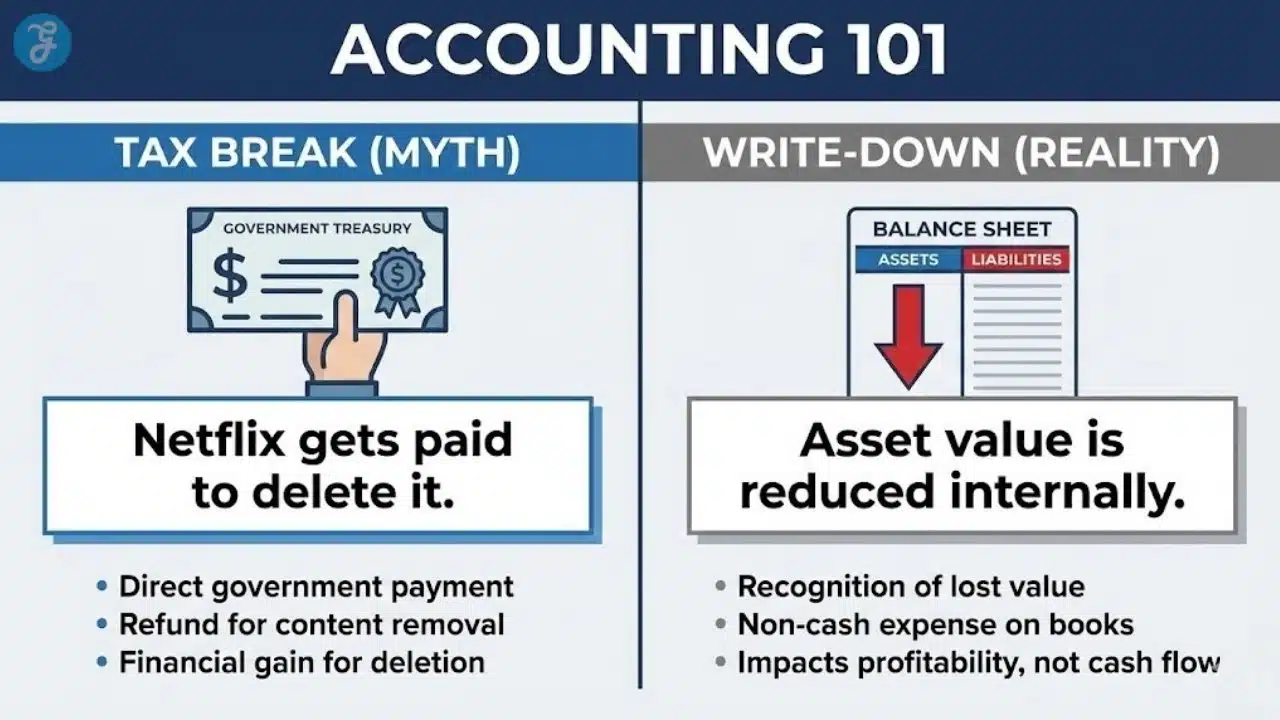
People did not invent the tax theory out of thin air. It gained popularity because other media companies publicly used accounting moves around content to reduce losses. That made viewers assume every streamer does it the same way.
Netflix is not identical to every other studio-streamer, and “tax break” is often used online as a catch-all phrase for several different financial concepts.
Here are the three ideas people mix together:
- tax deductions related to losses or abandoned projects
- accounting write-downs when an asset is worth less than carried value
- amortization decisions, meaning how a company spreads content cost over time
These are related, but not the same.
How Content Accounting Can Influence Removals Without Being A “Tax Trick”
To understand the financial side, it helps to think of a movie as a content asset on a balance sheet. Companies do not treat content spending like buying office supplies. They track it as an asset and recognize the expense over time.
Amortization: The Normal Way Content Cost Becomes Expense
When Netflix funds or acquires a movie, it typically records that cost and then expenses it over time as the title is “consumed” by viewers.
In plain terms, the company is spreading the cost across the period it expects the movie to generate value. That is normal for streaming businesses.
Impairment: When A Title Is Worth Less Than Expected
If a title is not performing as expected, a company can decide the asset is worth less than planned. That can lead to an impairment charge, which is an accounting recognition of reduced value.
This is not a public “we erased it” event. It is an internal financial adjustment. But it can change how the company thinks about keeping that title active.
So Is It A Tax Break Or Not?
It can have tax implications depending on jurisdiction and structure, but it is not a simple “remove the movie and get free money” button. Tax treatment varies, and the main decision driver is usually business value, not the tax side.
A more realistic framing is this: financial accounting and tax planning can shape how aggressively a company trims content that no longer fits its strategy.
“Removed For Tax Breaks” Vs “Removed Because Rights Ended”
Because viewers cannot see contracts, removals feel mysterious. But you can often guess the category by looking at how the title behaves.
Clues It Is A Rights Or License Expiry
- the title disappears in some countries but not others
- it later shows up on a different service
- Netflix does not mention it publicly
- the title was marketed as “Netflix Original” mainly in certain regions
This pattern usually points to deal structure.
Clues It Is A Strategic Library Decision
- the title vanishes broadly across many regions at once
- it is not quickly picked up elsewhere
- Netflix is trimming similar titles around the same time
- the title had limited ongoing engagement
This pattern often points to internal portfolio choices, cost control, or repositioning.
A key takeaway is that the same viewer experience can come from different causes. That is why the “tax breaks” explanation often spreads, even when the actual mechanism is more basic.
Why Netflix Removes Original Movies More Often Than People Expect
Even if Netflix owns a title, there are still reasons it might pull it from the service.
Brand Strategy Changes
Netflix shifts strategy over time. It can move focus between:
- global blockbusters
- local-language originals
- awards-driven prestige films
- franchise building
- family programming
- ad-tier friendly catalog
When strategy changes, some catalog items become less important. Netflix may choose to make room for content that better fits current priorities.
Performance Was Front-Loaded
Many streaming movies get a surge in their first few weeks, then fall off hard. If a title does not sustain long-tail viewing, it becomes a weaker library asset.
That does not mean the film is bad. It means its value curve is short.
External Partnerships Shift
Co-productions and distribution partnerships can change as companies renegotiate broader relationships. A movie can be caught inside a larger contract realignment.
This is another practical answer to why Netflix removes original movies without any conspiracy.
The International Factor Most Viewers Miss
If you are in one country, you might assume Netflix is the same everywhere. It is not. The library is a patchwork of rights, censorship standards, rating systems, and local regulations.
Regional Licensing Is A Constant Moving Target
A movie can be “Netflix Original” in one region and “licensed content” in another. The branding you see depends on the market.
This is why some removals look like Netflix is contradicting itself. It is often just a regional rights map changing.
Local Compliance And Classification Can Matter
Some titles require periodic compliance updates, local ratings, or edits for certain territories. That can create additional overhead and risk.
If the viewership is low in that territory, Netflix might simply stop offering the title there.
Does Netflix Remove Original Movies To Sell Them Elsewhere?
This is a fair question, and it is part of the real business landscape.
Netflix has historically positioned itself as the home for its originals, but the industry is evolving. A platform can decide that a title has more value as a licensed product somewhere else than as a quiet item inside its subscription library.
That does not mean it happens for every removal. It means the incentive exists, especially when a title has finished its main engagement life inside Netflix.
A Practical Framework For Understanding Any Removal
When a Netflix Original movie disappears, run it through this checklist. It will not give you perfect certainty, but it will usually point you toward the most likely explanation.
Step 1: Identify The “Original” Type
Ask:
- was it produced by Netflix, or acquired from a studio
- was it branded as a Netflix Original everywhere, or only where you live
- did it premiere on Netflix worldwide, or in select regions
The more it looks like an acquisition, the more likely it is a license window.
Step 2: Look For Regional Differences
If it is still available in other countries, the issue is probably territorial rights, not deletion.
If it disappears broadly, strategy or a broader rights change is more likely.
Step 3: Watch For Where It Lands Next
If the movie appears quickly elsewhere, rights were probably built for movement.
If it disappears into a void, it may be tied up contractually, or simply not valuable enough for another buyer at the moment.
Step 4: Consider The “Long Tail” Reality
Movies that get talked about for years are valuable catalog. Movies that spike and vanish are less valuable.
Netflix is constantly balancing short-term engagement and long-term library strength.
What “Deleted Forever” Really Looks Like In Practice
A title is truly “gone” to the public when three things happen:
- Netflix stops streaming it
- no other platform offers it
- it is not available for rental, purchase, or physical release
That outcome can happen, but it is not the default. More often, the title is simply not available in your region or in your current window.
In other words, removal is frequently about access, not existence.
How To Avoid Missing A Movie Before It Leaves
If you care about a title, there are simple habits that help.
- Watch sooner if you see “leaving soon” messaging
- Add it to your list and check your “Last Day To Watch” rows
- Finish it once you start, since removals can happen on schedule
- Consider purchasing a copy if it is important to you and available legally
Netflix is a subscription library, not a permanent personal collection. Treat it like a rotating catalog.
For Filmmakers And Viewers: Why This Conversation Keeps Getting Louder
As streaming matures, catalog strategy becomes more aggressive. Libraries are being optimized, and platforms are less sentimental about older releases.
That shift makes viewers feel like culture is more fragile than it used to be. It also creates real concerns for creators whose work can become harder to find.
This is why the question why Netflix removes original movies is not just gossip. It is a real media access issue, and it will keep growing as platforms refine cost structures and licensing strategies.
Quick Signs A “Netflix Original” Is More Likely To Leave
If you are trying to predict why Netflix removes original movies before it happens, look for a few small clues that often point to a limited-rights situation rather than true permanent ownership.
- It was a festival pickup or acquisition that Netflix released after it premiered elsewhere. Those deals often come with fixed terms.
- It shows up as “Netflix Original” only in certain countries. That usually means Netflix has regional branding rights, not worldwide control.
- Big-name music or archive footage is central to the film. Embedded third-party rights can make long-term streaming more expensive.
- It rarely appears in recommendations anymore. If Netflix is not surfacing it, the long-tail viewing may be too low to justify keeping it active.
- No physical release and limited digital purchase options can also be a warning sign, because it suggests the title’s distribution footprint is narrow.
None of these signs guarantee removal, but they explain why some “originals” behave like rotating catalog items instead of permanent library staples.
The Bottom Line On Tax Breaks
The “tax breaks” explanation is often too simplified. It treats removals like a single hack, when removals are usually driven by rights, cost structure, and strategy.
A more accurate summary is this:
- some removals are plain licensing expirations
- some removals reflect shifting catalog priorities
- accounting decisions can influence how content value is evaluated
- tax impact can exist in the background, but it is rarely the only reason
If you want a one-sentence answer, here it is: why Netflix removes original movies is usually about whether the title still makes sense to carry under its current rights and cost structure, not because the company gets paid to delete it.