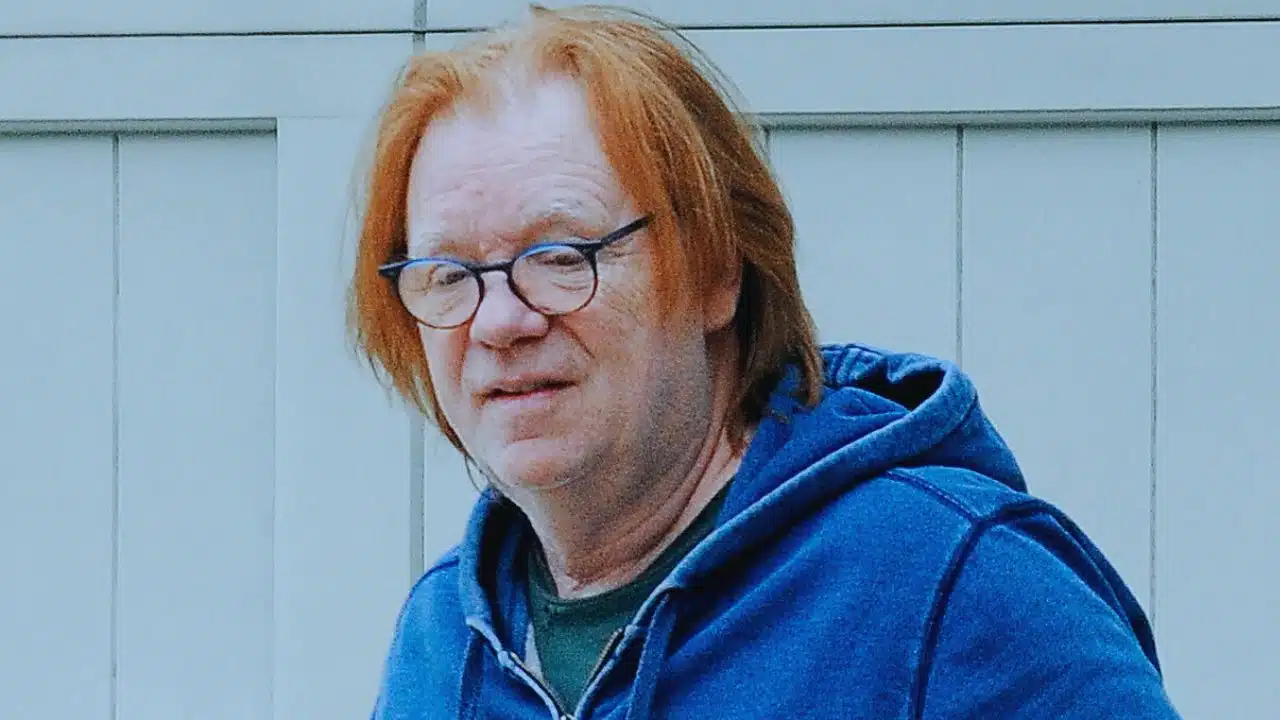
Have you ever paused a TV scene and asked, why did david caruso leave nypd blue? Fans log on to r/nypdblue and scratch their heads over his sudden exit. He walked away after season one when his contract talks hit a wall.
That fact sparked talk about salary, creative control, and career bets.
We will peek into behind-the-scenes drama and track his leap to the big screen. We will chart his journey from detective drama to summer movies. You will learn why he rolled the dice and how audiences reacted.
Want the full story?
Key Takeaways
- David Caruso left NYPD Blue in early 1994 after Season 1 when ABC rejected his demands to boost his pay from $40,000 to $100,000 per episode and add perks like Fridays off, a 38-foot trailer, two hotel suites, first-class travel, security, and a development executive on payroll.
- He clashed with creators Steven Bochco and David Milch over character control; memoirs (Truth Is a Total Defense, 2002) describe his on-set mood swings and demands as “cancerous,” prompting plans to kill off Detective John Kelly.
- Ratings rose to over 10 million viewers per episode in 1993–94 with Caruso, then dipped after his exit; Jimmy Smits replaced him, and NYPD Blue still ran through Season 12 (1993–2005).
- Caruso’s 1995 films Jade and Kiss of Death each grossed under $10 million and earned mixed to negative reviews on Rotten Tomatoes and Box Office Mojo, stalling his big-screen ambitions.
- CBS cast him as Horatio Caine in CSI: Miami (2002–2012), launching with 27 million viewers in Season 1 and reviving his TV star status with steady ratings over ten seasons.
David Caruso’s Role in NYPD Blue
Caruso grabbed viewers as a brooding cop on the city beat. He leapt off script pages, set the TV camera lens ablaze, and sent ratings soaring for the ABC drama.
Who was Detective John Kelly on NYPD Blue?
David Caruso played Detective John Kelly on the television series NYPD Blue. He patrolled the Midtown station with badge on jacket and radio on belt. The actor brought raw energy to each investigation.
The drama cast him as a hard-boiled character. He drove tension with tough calls and personal demons.
Creators Steven Bochco and David Milch wrote him out four episodes into the second season. They had planned to kill off the detective, but talks led to a different exit. Rising salary demands and creative tensions pushed him off the show.
Jimmy Smits joined as his replacement. Behind-the-scenes drama shaped that abrupt departure.
How did David Caruso’s role affect the show’s popularity?
Caruso delivered a standout performance as rough-edged detective John Kelly. His style boosted the show’s popularity in 1993. Nielsen ratings spiked after the first few episodes.
A gritty tone matched the street level drama. It bolstered the reputation of ABC’s new cop drama.
Fans speculated on how stories would have turned without him. His controversial exit in 1994, driven by contract disputes, jolted cast dynamics. Jimmy Smits stepped in soon after, keeping viewership above ten million.
The series proved resilience, running past a decade. That shift remains a notable moment in television history.
The Decision to Leave NYPD Blue
Caruso locked horns with the network over his pay and screen credit, and the contract talks blew up fast. He also sparred with the creative team over John Kelly’s fate, and that clash sealed his exit.
What contract or salary issues led to Caruso’s departure?
His initial salary was $40,000 per episode. To match his rising profile, he pushed for $100,000 per episode. Fridays off from the filming schedule became part of his demands. A 38 foot trailer and an office suite on the lot with a development executive on payroll topped the list.
Two hotel suites in New York during location shoots completed his requests.
The list grew to include a dozen first class plane tickets and extra security from fans. Such heavy entitlements strained contract negotiations like a house of cards. The television studio balked at the compensation asks and benefits.
Failed negotiations sparked his departure. The collapsed agreement cost him the role.
What creative differences did Caruso have with the producers?
David Caruso clashed with the showrunners over character development in the television series. He felt too good for television and wanted to taste Hollywood gold, chasing his film aspirations.
He tried to alienate writers, producers, and the cast to win more creative control. The production team flagged this as professional disagreements that sparked creative conflict.
The creative team even planned to kill off Detective Kelly because of his behavior. Steven Bochco and David Milch said they could no longer work under his demands. Caruso pushed for preferential treatment and a bigger say in his role.
That broke the creative environment and led to his role departure.
Behind-the-Scenes Tensions
Mood froze on set when Caruso snapped at a crew member over a camera angle. The clapperboard click echoed tense silences, and the cast kept quiet behind the script.
What reports exist about Caruso’s behavior on set?
Steven Bochco called Caruso’s on-set conduct “cancerous” in his 2002 memoir, Truth Is a Total Defense. He said Caruso grew hostile, volatile, and moody by season one’s end.
Those traits clashed with the tight-knit team, sparking tension at every turn. Crew members found him unprofessional and disruptive. He aimed to alienate colleagues and force a release from his contract.
Rumors spread that the atmosphere turned toxic fast. Producers logged conflict over scripts and schedules. Caruso’s emotional walls and mood swings left staff on edge. His behavior steered the production to weigh an early dismissal.
That turbulent environment helped push him off the show.
How were Caruso’s relationships with cast and crew affected?

David Caruso drove a rift across the set. His temper darkened the atmosphere. That conflict hit writers and producers hard. Cast and crew found his mood hard to handle. Trust fell apart as relationships deteriorated.
The production team eyed drastic action.
Jimmy Smits joined in 1994 and eased the strain. His arrival sparked better collaboration on set. Many team members felt relief after Caruso left. Tensions and damaged trust led to writing out his character.
Caruso’s Pursuit of a Film Career
He bet the farm on a big-screen career and jumped into Jade and Kiss of Death with fire in his belly. Critics shot those films down on Rotten Tomatoes, and Box Office Mojo flagged them as flops, but he kept chasing that starry spotlight.
What were Caruso’s ambitions for a Hollywood career?
Caruso felt he was too good for television, and he aimed for movie stardom. He asked for extra days off to shoot film work. Studio executives saw his contract talks inflate demands.
He set lofty career goals. His high hopes drove him to push for big screen roles.
His ambition shaped his on set mood in the police drama. Cast and crew felt his shift in focus. He swapped long nights on the set for daytime calls with agents. That itch for Hollywood fame drove his exit from the series.
Which major films did Caruso star in after NYPD Blue?
David Caruso chased a film career. He signed big crime and suspense movies.
- Jade (1995) marked his thriller debut. He led as a determined lawyer in a globe-skimming plot, he showed dramatic range. IMDb flagged the project as a bold career transition and industry watchers tuned in.
- Kiss of Death (1995) cast him as an ex-con drawn back into crime. Box Office Mojo logged moderate returns, Rotten Tomatoes gave mixed marks. Filmography notes show a clear shift toward intense drama.
- Rambo (2008) brought him into action circles, he played a tough special agent opposite Stallone. Ticket sales topped 113 million dollars worldwide. This movie cemented his bid to be a leading man in Hollywood.
How were films like Jade and Kiss of Death received commercially and critically?
Jade and Kiss of Death flopped at the box office. Critics gave mixed to negative ratings on Rotten Tomatoes. Box Office Mojo recorded weak earnings for Jade and Kiss of Death. The poor reception stalled Caruso’s move to feature films.
Film industry observers moved to call his transition a misstep.
The flop dented his momentum in Hollywood. His reputation in the film world suffered a blow. Caruso soon sought a television return.
The Fallout from Leaving NYPD Blue
Viewership data and audience polls took a nosedive after his exit. That backlash set the stage for his rise on CSI: Miami.
What backlash did Caruso face from audiences and critics?
Fans felt blindsided by Caruso’s abrupt departure. Many viewers questioned the sudden loss of a main character. News outlets slammed the decision, piling on criticism in headlines.
Critics labeled the move a misstep in career choices. Audience reaction fell into full backlash, and social chatter turned into heated controversy.
Industry insiders joined speculation over his Hollywood ambitions. Skeptics doubted his star power, which hurt his reputation with viewers. Nielsen ratings slipped after he left, showing real impact on the series.
The exit became a cautionary tale in the television industry.
How did leaving affect Caruso’s reputation in Hollywood?
His reputation suffered a blow in Hollywood. David Caruso left in 1994 at the height of NYPD Blue’s fame. Hollywood insiders called that a miscalculation. Caruso moved into films like Jade and Kiss of Death.
Both projects flopped in theaters and failed with critics.
Industry pros flagged Caruso’s behavior on set as a red flag. Producers and networks then withheld trust. Casting agents tagged him difficult to work with. His marketability as a leading man sank until CSI: Miami revived his television career.
CBS and the Redemption Arc: CSI: Miami
CBS gave Caruso a new badge as lead detective on CSI: Miami. He used lab gear, analysis tools and a pair of signature shades to crack cases under the Miami sun.
How did Caruso get cast as Horatio Caine on CSI: Miami?
Network chiefs eyed Caruso after his NYPD Blue exit on television. They shaped Horatio Caine on CSI: Miami to fit his actor strengths in a fresh pilot. News outlets ran his casting as a big comeback in 2002.
His TV career records helped seal the deal with the casting crew. Producers wanted a proven lead role for this crime series spin-off. This move fit CBS’s plan to grow the Crime Scene Investigation franchise.
In what ways did CSI: Miami revive Caruso’s career?
CSI: Miami gave Caruso a fresh revival. The series launched on CBS in 2002 and spanned ten seasons. Season one drew 27 million viewers. Caruso played Horatio Caine. He wore signature shades, spoke in a calm tone, dropped sharp one-liners.
Fans made him the heart of the series. Nielsen tallies rose, and press took note of his strong presence.
Caruso reclaimed star status after films like Jade and Kiss of Death flopped. The series gave him steady work and top billing. He regained credibility as a television lead. Fans embraced his redefined public image, from hard‐nosed detective to sunlight crime solver.
Today, Horatio Caine ranks as one of his signature parts. Each episode’s success proved his redemption and long‐term career success.
How do Caruso’s roles on NYPD Blue and CSI: Miami compare?
David Caruso played Detective John Kelly on NYPD Blue. That role anchored a gritty drama, with raw realism and tough law enforcement scenes. He drove the plot with high energy, and viewers felt the streets of New York.
A print kit, a badge, a radio, they all added to the gritty vibe in the precinct. His performance showed early versatility in police television.
He stepped into a different world as Horatio Caine on CBS’s Miami spin-off. The show leaned into forensics, with a lens and a data archive in every scene. Caruso played a cool crime boss fighter, wearing sunglasses, with dramatic flair.
The drama felt stark bright, with beach shots and lab gadgets in full view. Each scene showed more style and less mud than NYPD Blue. The change revived his career and cemented his versatility on television.
Lessons from Caruso’s Departure
Caruso’s exit shows how brand management and audience reaction can make or break a career—read on for the full scoop.
How do the industry and fans react to high-profile exits?
High-profile exits spark fierce debate across industry circles and social media. Fans flood message boards with grief and worry after a beloved detective suddenly quits. Media outlets blast headlines each time a star walks away.
Industry observers pin these cases to cautionary tales about the risk of leaving a top hit. They often cite Caruso’s exit in TV business features.
Networks tweaked contract talks after that break. Producers now vet talent deals more closely, to avoid sudden cast exits. Fan forums still parse the Caruso case, years after it aired.
Media coverage helped cement it as a benchmark in talent management shifts.
What risks come with leaving a successful TV show?
David Caruso left the precinct drama at its peak. He faced career uncertainty, like stepping onto a shaky ladder. His films Jade and Kiss of Death bombed at the box office in 1995, each made under $10 million.
His bold career transition sparked fan alienation, some viewers felt betrayed. Industry perceptions soured, as studios hesitated to hire him.
That backlash damaged his longterm reputation and employability. He struggled to land new roles on TV or film for years. Returning to the small screen felt like climbing Everest without gear.
His path to the crime spin-off on CBS came only after heavy scrutiny. Actors use his story as a cautionary example of taking artistic risk and facing project failure.
Takeaways
Exit talk shakes up a career. Contract negotiation clips can trigger big moves. Memoir pages lay out raw truths, stark and honest. Audience reaction swayed early doubts. Nielsen ratings hint at a second wind.
CSI: Miami cast him in a bright, new light.
For more information on David Caruso’s current endeavors and status, check out Is David Caruso Still Alive?.
FAQs
1. Why did David Caruso leave NYPD Blue?
He thought the scripts fit a square peg in a round hole, he wanted more say, and he left after one season.
2. Did money make Caruso leave NYPD Blue?
He did ask for higher pay. He felt he brought in the viewers. Talks fell apart, he walked away.
3. Did Caruso clash with the NYPD Blue producers?
They had a tug of war over scenes and lines, they rewrote his work, and he hit the road running.
4. How did Caruso’s exit shape NYPD Blue?
It shook the cast like a snow globe, it let a new lead step up, and it left fans with mixed feelings.