Convenience has become a defining feature of modern life. Whether it is ordering groceries, scheduling appointments, or paying bills, people increasingly look for solutions that are fast, seamless, and reliable. Businesses have recognized this shift and are adapting their services to meet customers where they already are: on their phones.
One of the most effective innovations to emerge from this evolution is text to pay, a payment method designed to simplify financial transactions for both businesses and consumers.
Understanding Text to Pay
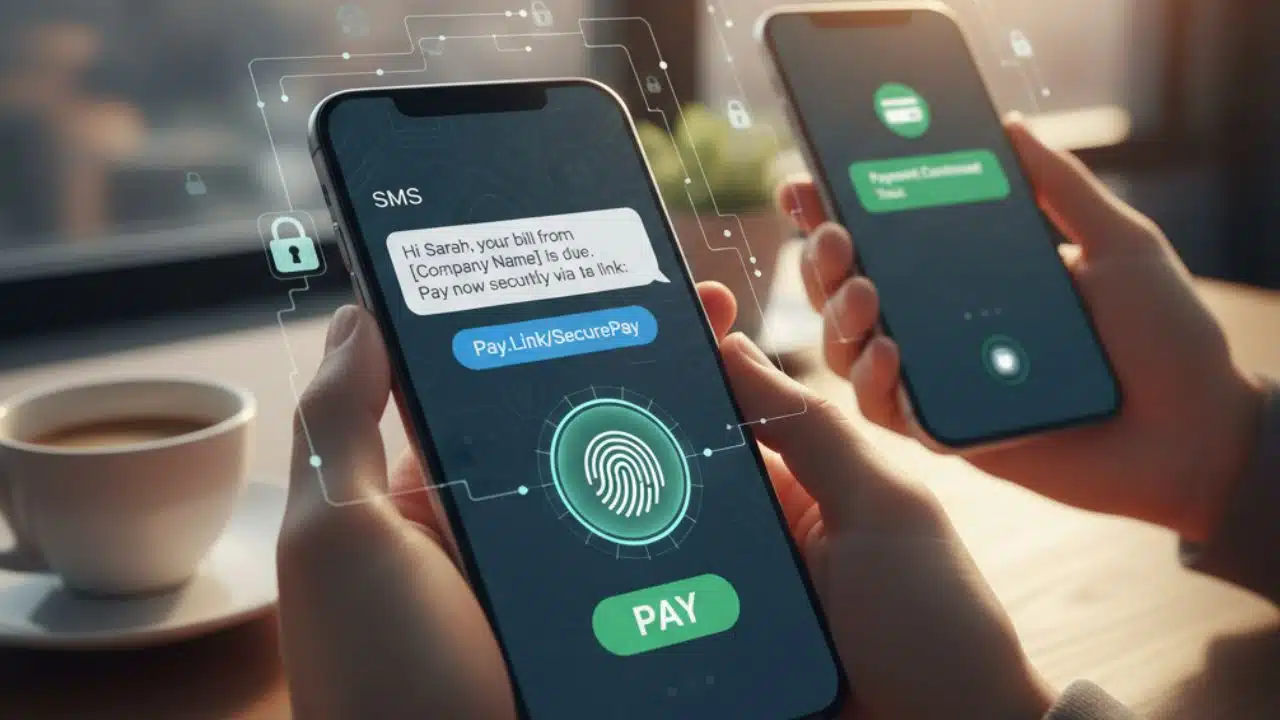
Text to pay is a service that allows businesses to send billing notifications and payment requests directly to customers through SMS.
Instead of navigating websites, remembering login credentials, or setting aside time to write checks, customers receive a simple message with a secure link. By clicking on it, they are directed to a mobile-friendly portal where they can complete their payment quickly.
The process feels natural because it integrates with a form of communication most people already use every day. Text messaging is immediate, familiar, and accessible to virtually everyone with a mobile phone. By merging payment functionality with this widely adopted tool, text to pay eliminates unnecessary barriers and makes financial interactions effortless.
Why It Resonates with Consumers
For customers, the appeal lies in the simplicity. Managing bills is often one of the most tedious aspects of everyday life.
Paper statements pile up, portals require passwords that are easy to forget, and phone payments can involve long wait times. Receiving a text with all the necessary details and a direct route to complete the transaction takes much of the frustration away.
This accessibility also makes the system inclusive. Even individuals who may not be comfortable navigating apps or complex websites can manage a text message with ease. In this way, the solution doesn’t just streamline payments; it broadens participation by meeting people at their level of technological comfort.
The Value for Businesses
For businesses, adopting text to pay means more than just offering another payment method. It represents an opportunity to improve efficiency, strengthen customer relationships, and secure revenue more consistently.
Customers are less likely to delay or forget a payment when the process requires only a few seconds of attention. As a result, businesses experience fewer late payments and improved cash flow.
It also reduces administrative strain. Employees spend less time chasing down overdue accounts or processing manual checks, freeing them to focus on more meaningful aspects of service. At the same time, offering such a convenient option communicates to customers that their time is valued, which helps foster loyalty.
Addressing Security Concerns
Whenever money and technology intersect, security becomes a central concern. Understandably, customers want assurance that their information is protected. Text to pay systems address these worries by relying on encryption, tokenization, and compliance with strict industry standards such as PCI DSS.
Importantly, the payment details themselves are never transmitted through text messages. Instead, the message contains a secure link that directs the customer to a protected portal where the transaction can be completed safely. This approach ensures that the process combines convenience with the level of trust needed for financial interactions.
Real-World Applications
Although text to pay can serve almost any sector, certain industries have embraced it with particular enthusiasm. Healthcare providers, for example, use it to send reminders about outstanding balances, allowing patients to pay quickly and avoid additional stress.
Utility companies have found it effective in cutting down on overdue accounts. Retail and service providers appreciate the way it smooths out day-to-day operations by removing friction in the payment process.
Even nonprofit organizations have adopted the system for donations, recognizing that supporters are more likely to contribute when the process requires minimal effort. Across each of these fields, the common thread is clear: simplicity drives engagement.
Looking Ahead
Mobile technology continues to reshape how we interact with businesses, and payments are no exception. Smartphones are already central to communication, entertainment, and information, so extending them into financial management is a natural step. Text to pay reflects this broader shift toward mobile-first solutions, one that prioritizes accessibility and speed.
As more businesses embrace digital transformation, this method is likely to become a standard offering rather than an optional extra. By adopting it now, organizations not only stay ahead of the curve but also align themselves with the expectations of modern consumers.
Takeaways
Paying bills will never be anyone’s favorite activity, but it doesn’t have to be frustrating or time-consuming. Text to pay offers a simple, secure, and reliable alternative that makes life easier for customers while helping businesses operate more efficiently.
The real power of this method lies in its balance: it meets practical needs while also respecting the limited time and attention of today’s consumers. For businesses, it represents an investment in both customer satisfaction and operational effectiveness. For customers, it is a welcome relief from the hassles of outdated payment methods.