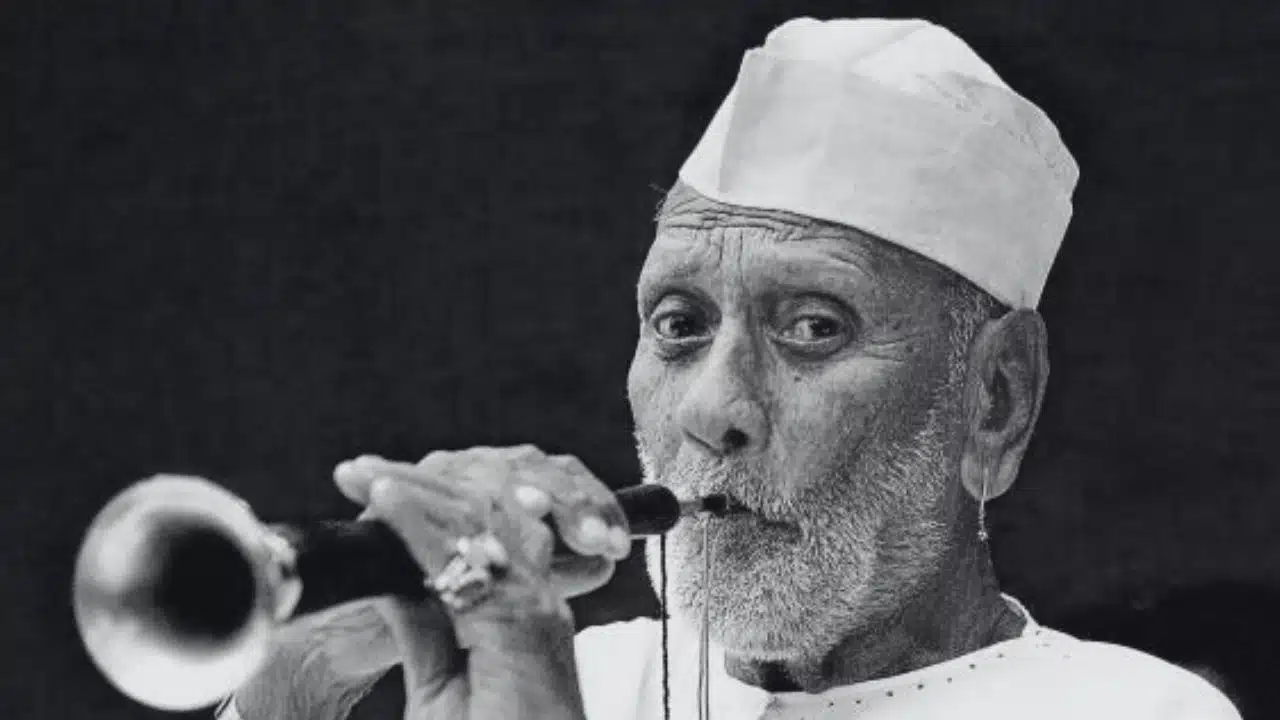
Today marks the 19th death anniversary of Ustad Bismillah Khan (1916–2006), the legendary shehnai virtuoso who transformed a traditional folk instrument into a global symbol of India’s classical music.
His life and legacy continue to inspire millions, reminding us of the power of simplicity, devotion, and cultural unity.
A Maestro Who Redefined the Shehnai
Before Ustad Bismillah Khan, the shehnai was largely confined to temples, weddings, and ceremonial processions. With his unmatched talent and innovation, Khan elevated the instrument to the concert stage, giving it recognition in the world of Hindustani classical music. His renditions of ragas were not just performances but soulful experiences that transcended religious and cultural boundaries.
One of his most iconic moments came on August 15, 1947, when he played the shehnai at the Red Fort in Delhi as India celebrated its independence. The sound of his music that day became synonymous with the birth of a new nation.
Simplicity, Faith, and Devotion
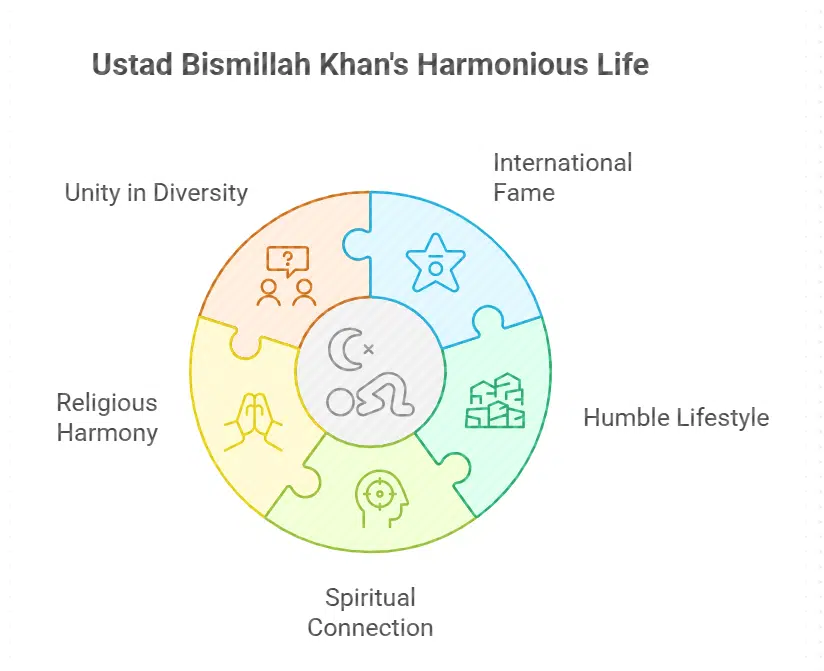
Despite international fame, Ustad Bismillah Khan lived a humble life in Varanasi, the spiritual city he loved deeply. For him, music was a form of prayer. He often said that the shehnai was not just an instrument but a sacred connection with the divine.
A devout Muslim who spent much of his career playing in Hindu temples, he embodied India’s ethos of unity in diversity. His art was a shining example of how music can bridge communities and spread harmony.
Awards and Global Recognition
Over his lifetime, Ustad Bismillah Khan received numerous awards and honors, including:
-
Bharat Ratna (2001)—India’s highest civilian honor.
-
Padma Vibhushan, Padma Bhushan, and Padma Shri.
-
Performances at international festivals in Edinburgh, Cannes, and the United States, where he introduced the shehnai to global audiences.
Yet, despite this recognition, he always remained deeply rooted in his Banarasi heritage.
A Nation’s Loss, A Legacy That Lives On
On August 21, 2006, Ustad Bismillah Khan passed away at the age of 90. His death was mourned as a national tragedy, and he was given a state funeral with full honors. Across India, people remembered him not just as a musician but as a cultural icon who represented the very soul of the nation.
Nineteen years later, his music continues to echo through recordings, festivals, and classrooms. Musicians and admirers celebrate him as the “Shehnai Nawaz,” a title that reflects both his mastery and his devotion to the art form.
Remembering the Legend
On this 19th death anniversary, tributes pour in from across the world—musicians, scholars, and admirers recalling the man who made the shehnai sing like never before. His legacy remains a testament to the idea that true greatness lies in humility, devotion, and a lifelong dedication to art.