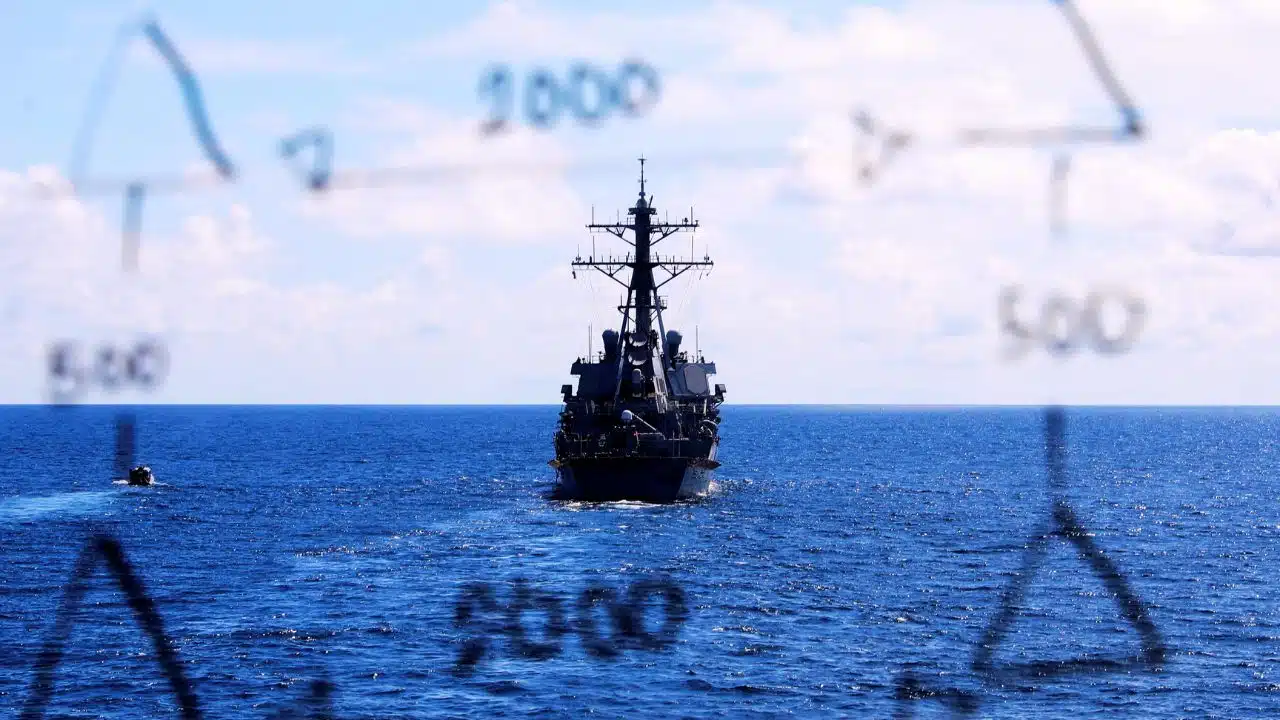
The United States has initiated the complex process of repatriating several survivors from a suspected drug-trafficking vessel that was interdicted and sunk in international waters last week, an operation that resulted in multiple fatalities and the seizure of a significant narcotics cache, officials confirmed. The incident highlights the violent realities of maritime counter-drug operations and raises pressing humanitarian and legal questions.
This operation, involving the U.S. Coast Guard and partner agencies, saw a high-speed pursuit culminate in a lethal engagement approximately 80 nautical miles north of San Juan. The repatriation effort, coordinated with the State Department and the home countries of the survivors, is now underway amidst an ongoing investigation into the trafficking ring believed to be behind the ill-fated voyage. The U.S. begins repatriation of survivors as a standard but sensitive procedure following such high-stakes encounters at sea.
The Aftermath of the Strike
- Fatalities Confirmed: At least five suspected traffickers are confirmed dead, with two others missing and presumed deceased after the vessel sank.
- Survivors in Custody: Eight survivors were rescued from the water by U.S. Coast Guard crews. They have received medical attention and are being held pending repatriation or potential prosecution.
- Major Drug Seizure: An estimated 1,500 kilograms of cocaine, with a street value of approximately $45 million, were recovered before the vessel went down.
- Multi-Agency Operation: The interdiction was part of the ongoing Operation Caribbean Guard, a multi-agency effort led by the Caribbean Corridor Strike Force (CCSF) to disrupt transnational criminal organizations.
- Legal Process: Survivors not facing U.S. prosecution will be transferred to their home countries. The Department of Justice is evaluating charges for key individuals believed to be orchestrators.
The High-Seas Confrontation
The incident unfolded in the pre-dawn hours of October 14, 2025, when a U.S. Customs and Border Protection (CBP) Air and Marine Operations aircraft detected a suspicious go-fast vessel moving at high speed without navigational lights. The vessel, a 40-foot boat with multiple outboard engines, matched the profile of those commonly used for smuggling narcotics from South America into the Caribbean transit zones.
The USCGC Valiant, a 210-foot cutter on patrol in the area, was vectored to intercept. According to a statement from the U.S. Coast Guard’s Seventh District, the suspect vessel failed to heed orders to stop, delivered via radio and visual signals (U.S. Coast Guard News, October 16, 2025). As the cutter closed in, its pursuit boat was launched. The crew of the go-fast vessel reportedly began jettisoning bales of contraband into the ocean.
The situation escalated when personnel on the smuggling boat allegedly opened fire on the Coast Guard boarding team. Following established rules of engagement for self-defense, the Coast Guard crew returned fire, disabling the vessel’s engines and injuring several occupants. Shortly thereafter, the compromised vessel began taking on water and sank within 30 minutes.
Latest Data & Repatriation Logistics
The repatriation process is a carefully managed diplomatic and logistical operation. The eight survivors, identified as nationals from Colombia, Venezuela, and the Dominican Republic, were transferred to a U.S. naval facility for processing.
Statistics from the Incident and Fiscal Year
- Cocaine Seized: Approximately 1,500 kilograms. This single seizure represents a significant portion of the total narcotics interdicted in the region this year.
- Maritime Interdictions (Fiscal Year 2025): The U.S. Coast Guard has interdicted over 185 metric tons of cocaine in international waters to date for FY2025 (ending September 30), a 15% increase compared to the same period in FY2024. This data highlights the escalating flow of narcotics through maritime routes.
- Detainee Transfers: In FY2024, the Coast Guard transferred over 550 suspected smugglers to the Department of Justice for prosecution and repatriated over 200 individuals not facing U.S. charges.
The current survivors are being screened by federal agents. Those identified as low-level participants or forced laborers, a common tactic used by cartels, are prime candidates for repatriation. The Department of State, through its consular channels, is coordinating with the respective embassies to confirm identities and arrange for their transfer.
Official Responses and Expert Analysis
Officials have defended the actions of the Coast Guard crew as necessary and in accordance with international law.
“The crew of the Valiant demonstrated immense bravery and professionalism in a highly dangerous situation,” said Rear Admiral Douglas Schofield, Commander of the Seventh Coast Guard District, in a press briefing. “Their actions prevented millions of dollars in illicit drugs from reaching our shores and upheld the rule of law on the high seas. Our priority now is the safe and humane handling of the survivors while we pursue justice against the criminal networks responsible.”
The Legal and Humanitarian Tightrope
Experts note that such incidents place U.S. authorities in a complex legal position. Under international maritime law, the U.S. has the authority to stop and search stateless vessels or vessels suspected of illicit activity in international waters. However, the use of lethal force is strictly governed.
Dr. Catalina Rojas, a maritime security analyst at the Center for a New American Security, explained the delicate balance. “These interdictions are inherently gray zones. You have a law enforcement objective clashing with the extreme violence of transnational crime,” she stated in a phone interview. “The rules of engagement allow for self-defense, but every fatality invites scrutiny. The subsequent repatriation process is also critical; it’s a humanitarian obligation that must be managed alongside the intelligence-gathering and prosecutorial efforts.”
A field report from a local journalist in San Juan included an anecdotal account from a fisherman who overheard distress calls on his radio. He described hearing “a mix of Spanish and English, shouting, and then silence,” underscoring the chaotic final moments of the encounter (paraphrased from El Nuevo Día, October 15, 2025).
Impact and What to Watch Next
The incident serves as a stark reminder of the human cost of the war on drugs. For the coastal communities in the Caribbean from which smugglers are often recruited, it means another group of sons and fathers lost to a dangerous enterprise. For U.S. law enforcement, it reinforces the escalating risks, as trafficking organizations become more brazen and violent.
Key developments to monitor:
- Prosecution Decisions: The U.S. Attorney’s Office for the District of Puerto Rico is expected to announce within the next 10-14 days whether it will press charges against any of the high-value survivors.
- Completion of Repatriation: The transfer of the remaining survivors to their home countries is anticipated to be completed by the end of next week, pending diplomatic clearances.
- Investigation Findings: The Coast Guard and FBI are conducting a joint investigation into the incident and the broader smuggling network. Findings are unlikely to be made public for several months.
The event will likely fuel further debate on U.S. counter-narcotics strategy in the Caribbean—whether the current interdiction-focused approach is effective or if more resources should be diverted to addressing source country production and demand at home. As the repatriation flights depart, the focus will shift from the drama on the high seas to the quieter, more protracted legal and diplomatic battles that follow.